Agri-Food and AgTech
Australia is currently seeking leading experts from around the world in the agri-food and AgTech fields to help drive the development and uptake of digital technologies.
Priority fields include innovation and sustainability in agriculture, forestry and fisheries, manufacturing of products for use in or connection with primary industries, biotechnology, food technology, biosecurity and disease management, farm management technology, processing primary industry outputs into higher value goods.
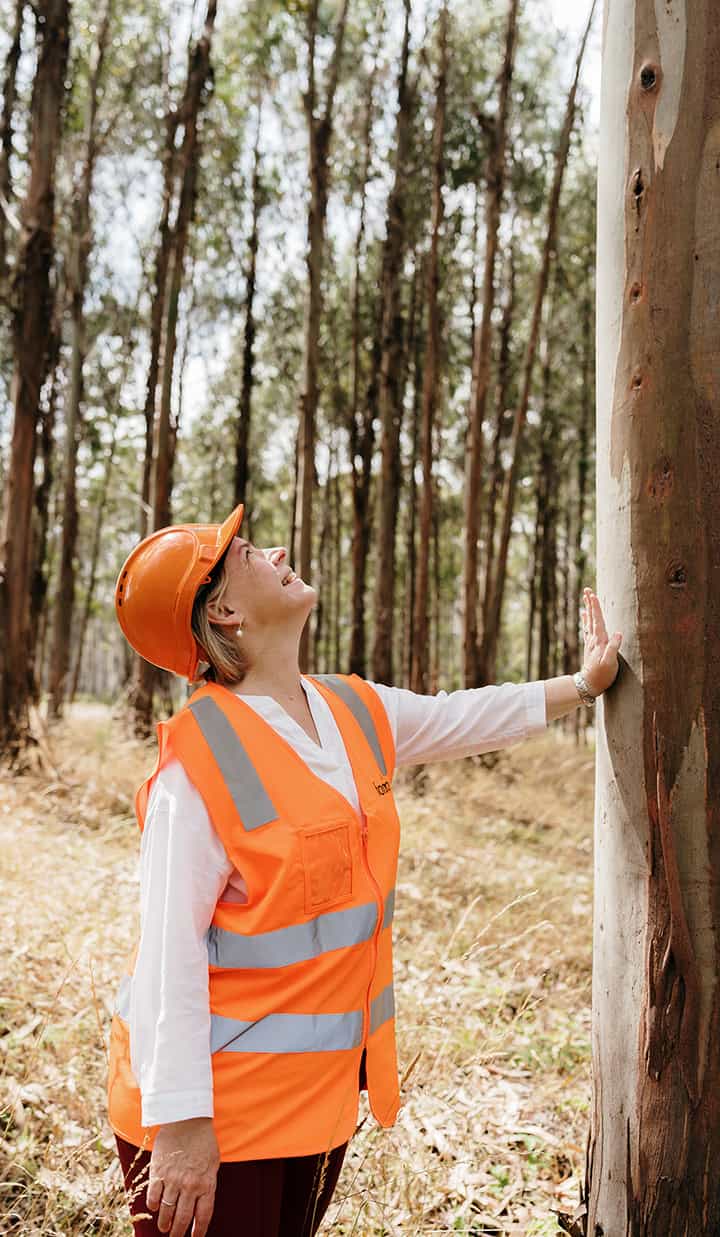
Innovation and sustainability in agriculture, forestry and fisheries
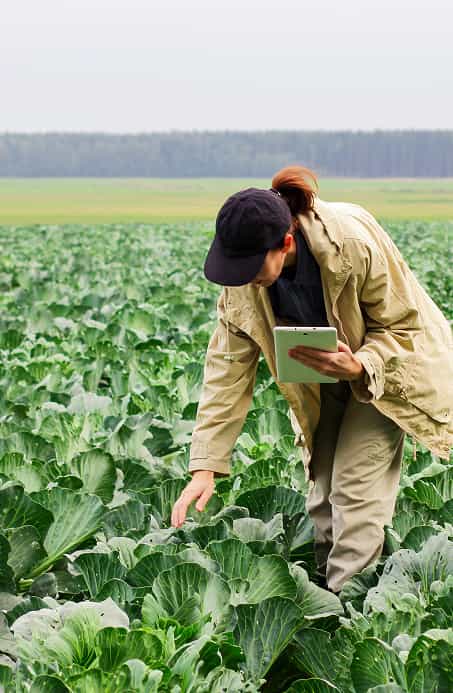
Manufacturing of products for use in or connection with primary industries

Biotechnology
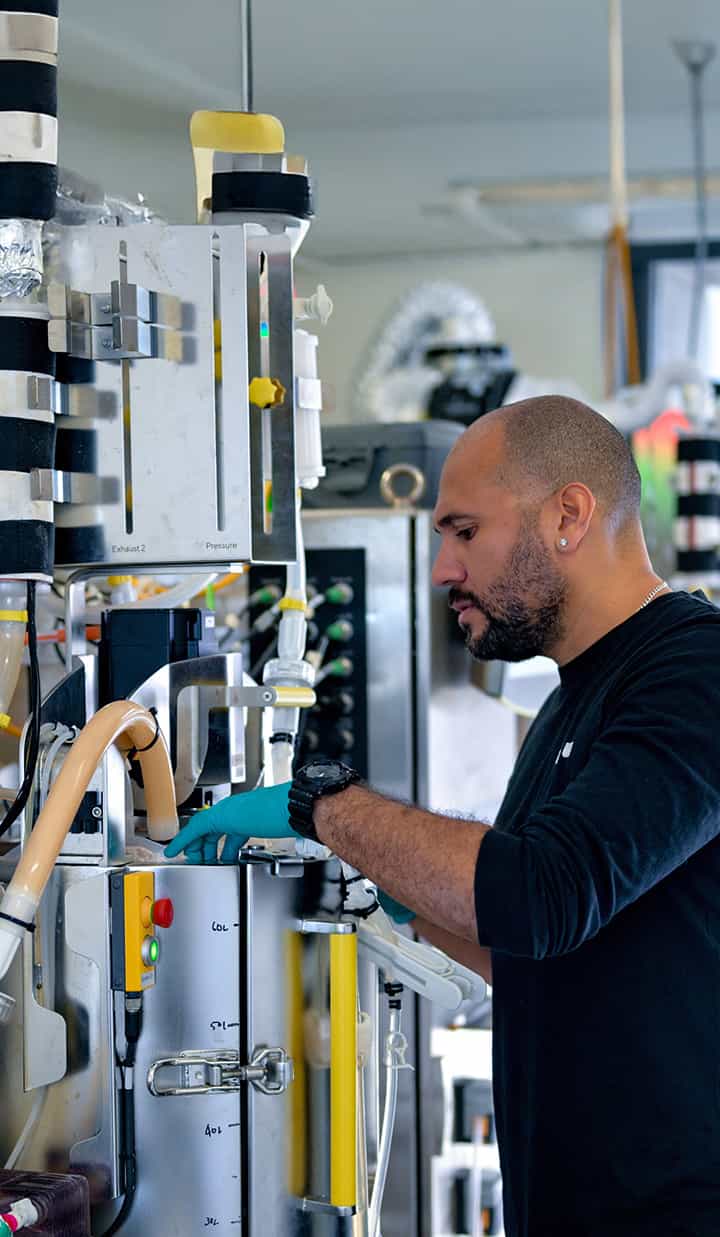
Food technology
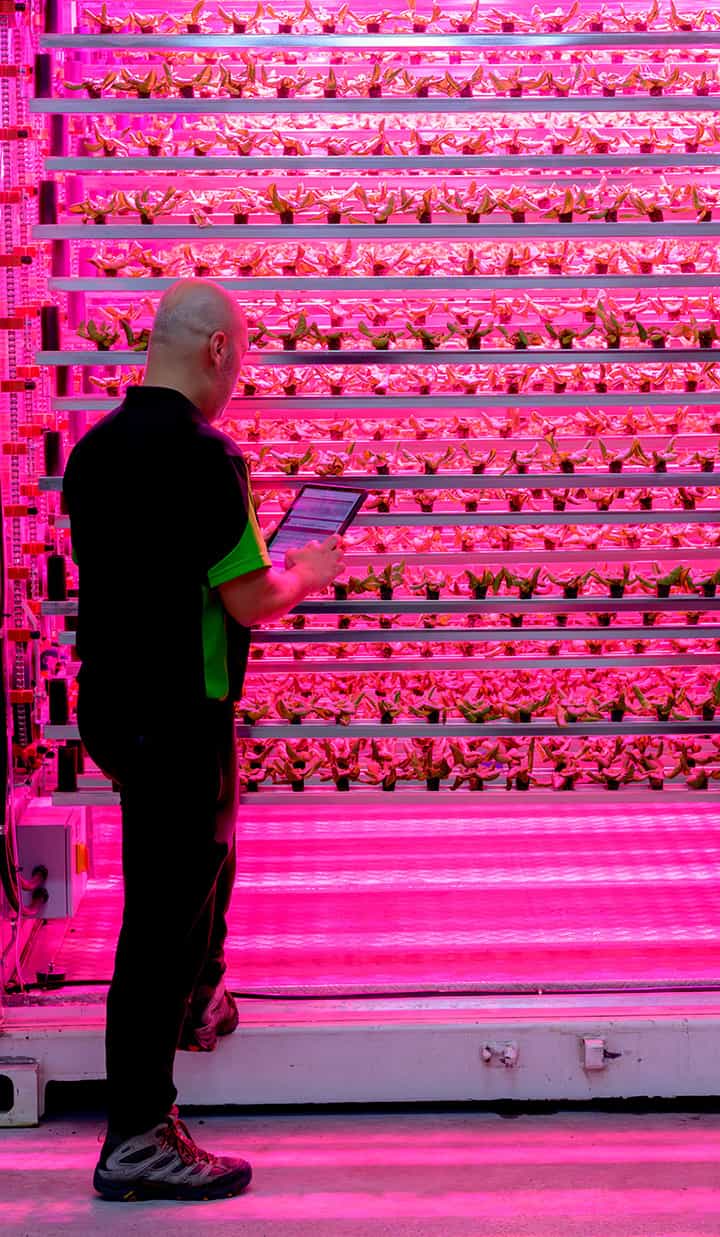
Biosecurity and disease management
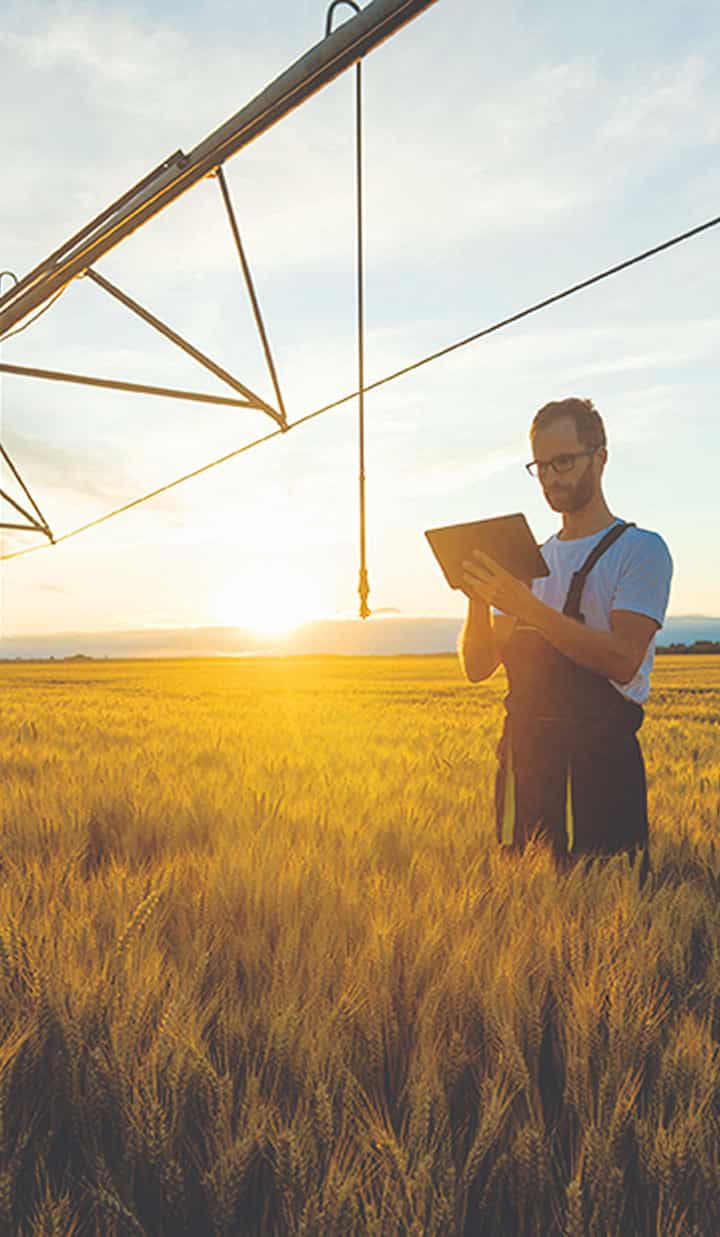
Farm management technology
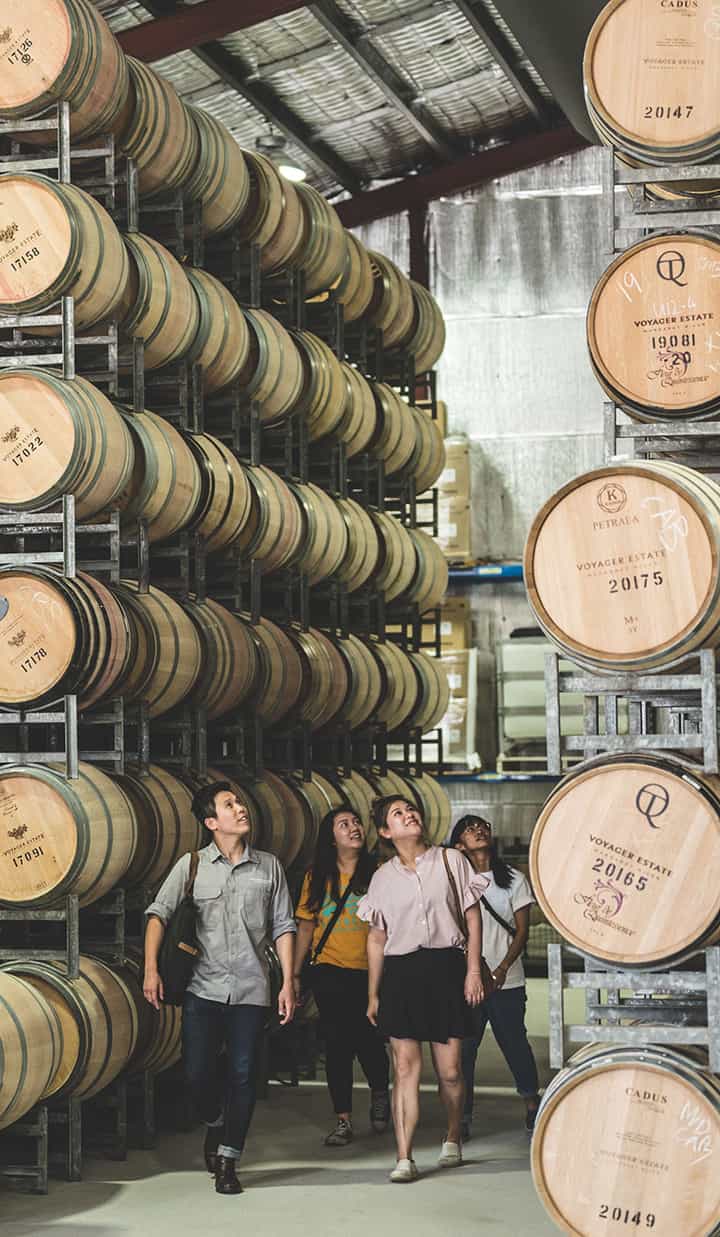
Processing primary industry outputs into higher value goods
The future of agri‑food and AgTech in Australia
Agriculture has long been a part of the Australian identity, with innovation being a key contributor to the success of the industry. This appetite for innovation along with strong knowledge in areas such as climate resilience and water efficiency makes Australia uniquely placed for growth. The industry is aiming to become a $100 billion sector by 2030. Innovation will create new services and markets along with job opportunities, supply chain efficiencies and advanced sustainability.
Digital technologies that have potential to transform agriculture and the agri-food system include artificial intelligence, robotics, blockchain technologies, farm machinery automation, drone farming, edge-of-field and smart-livestock monitoring, soil carbon sequestration, satellite remote monitoring, and traceability technology.
Investment and funding opportunities
The Australian, state and territory governments, higher education sector and private organisations offer a range of incentives to support innovation within the agri-food and AgTech sector. Australia has a rich pool of accelerators, incubators and industry groups fostering connections between industry and science and encouraging research and development.
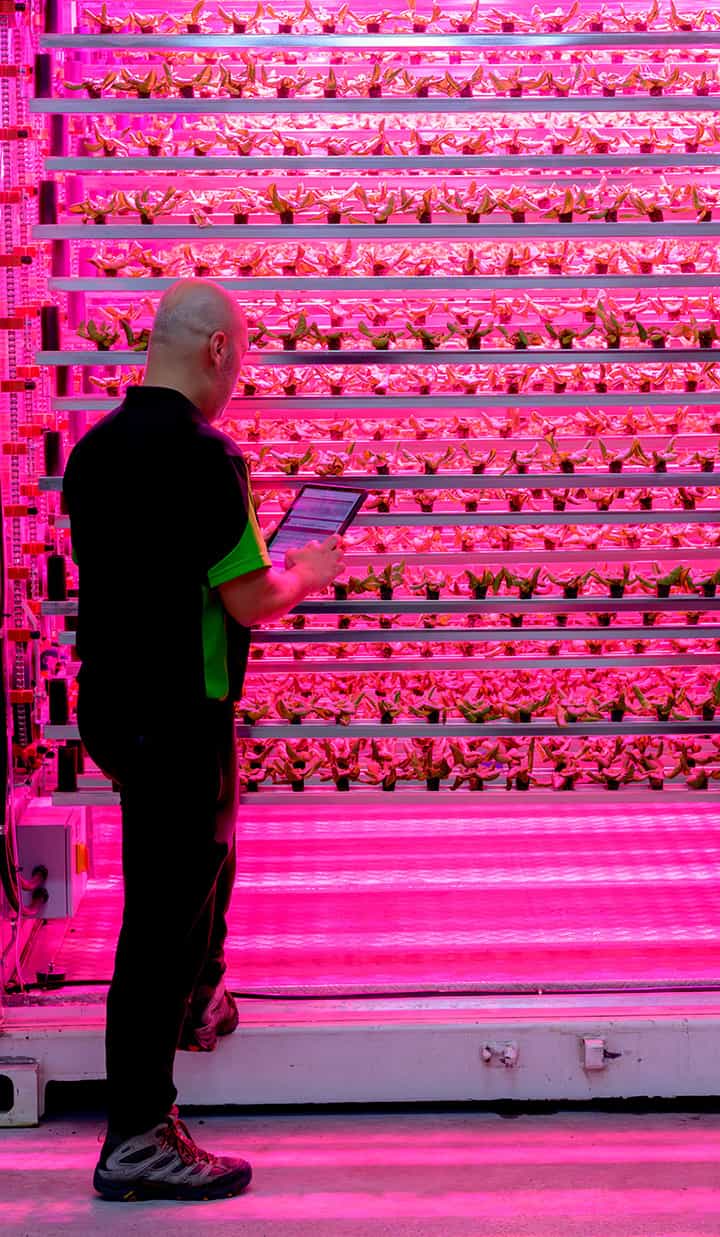
A thriving network of research institutions dedicated to agritech.
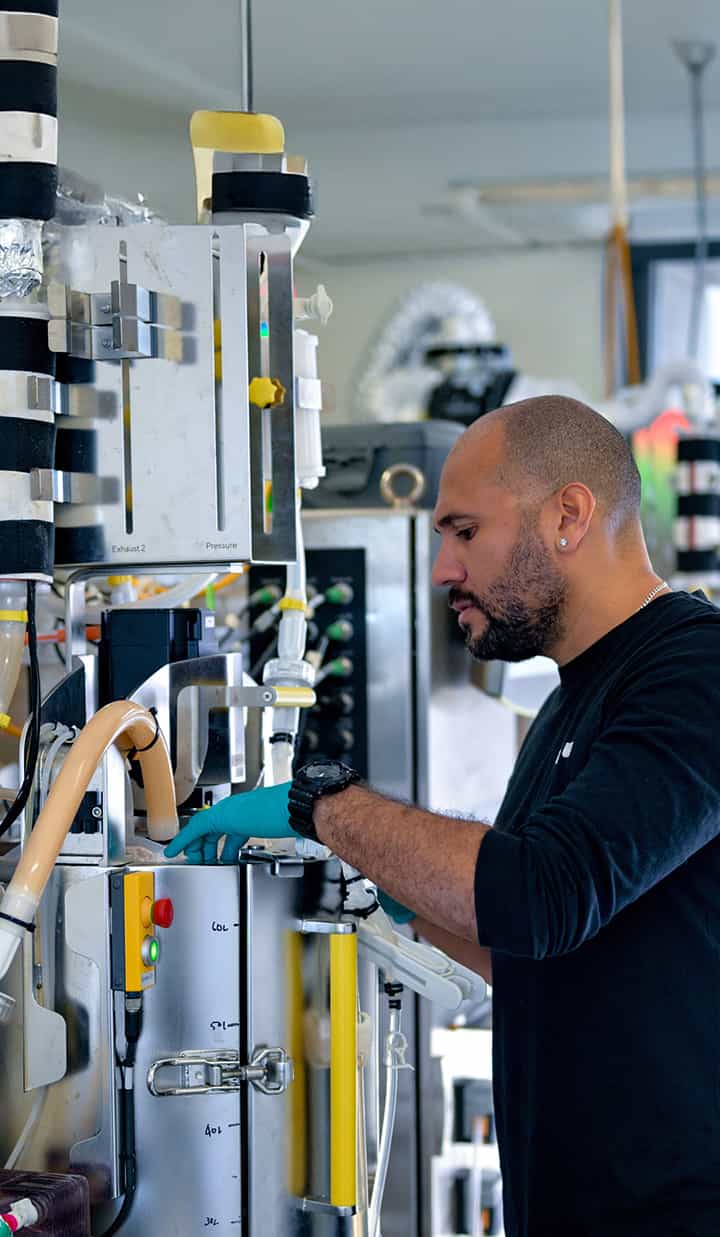
Over 20 concentrated agri-food tech hubs
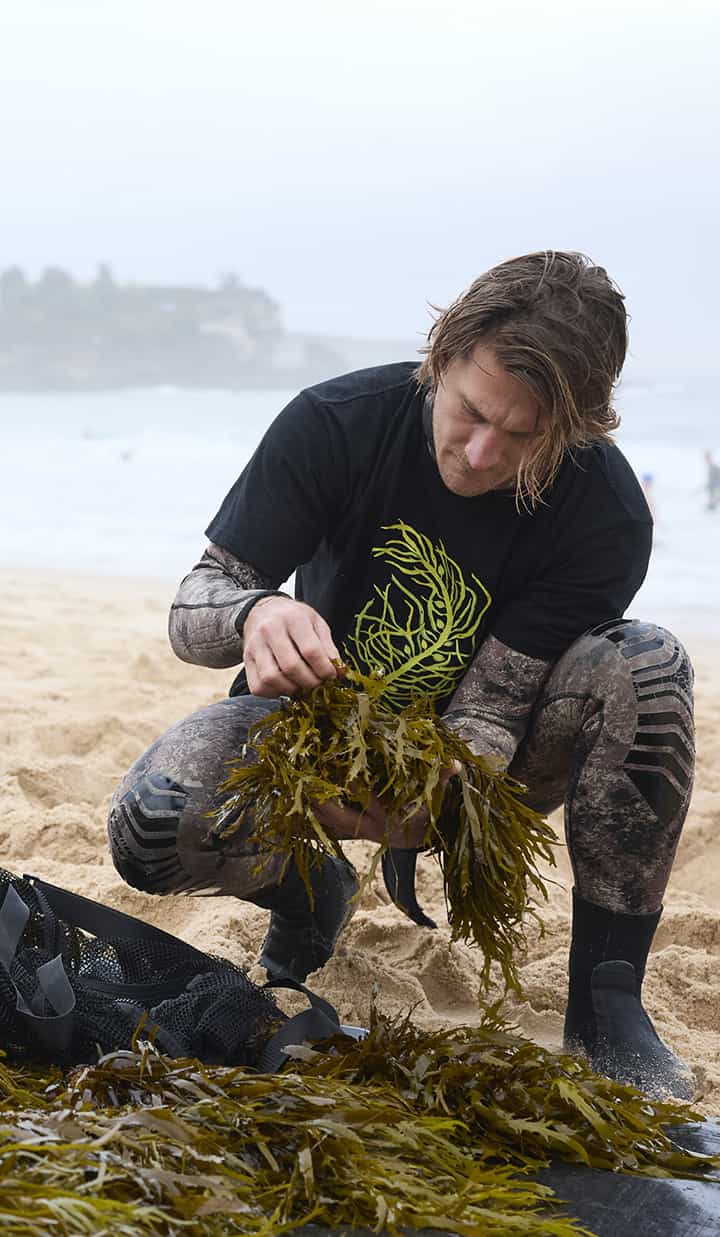
Government support, including R&D tax concessions

Early-adopter farming culture, from cool to tropical climates
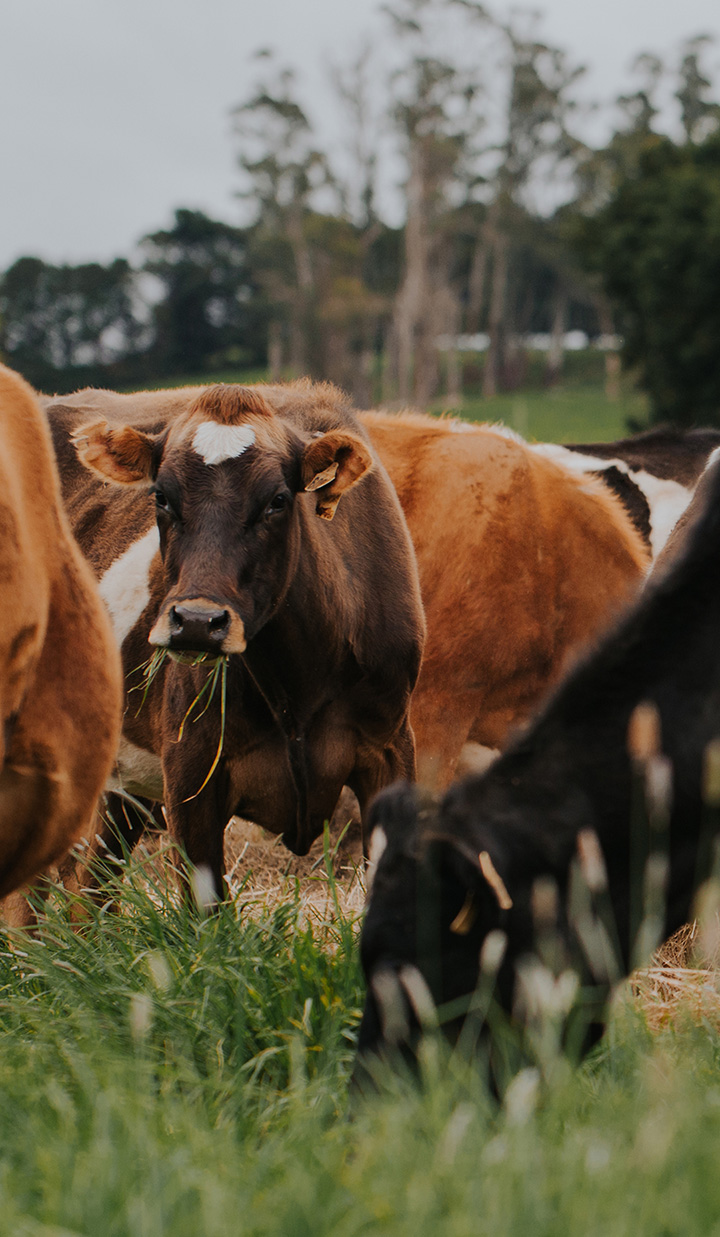
Innovators in crop and animal biotechnology - such as genetics, microbiomes and health
Research and development
Research and development plays a vital role in supporting the agricultural landscape through collaboration between industry, industry groups, the Rural Research and Development Corporations (RDCs) and AgTech businesses, along with the education and research sectors.
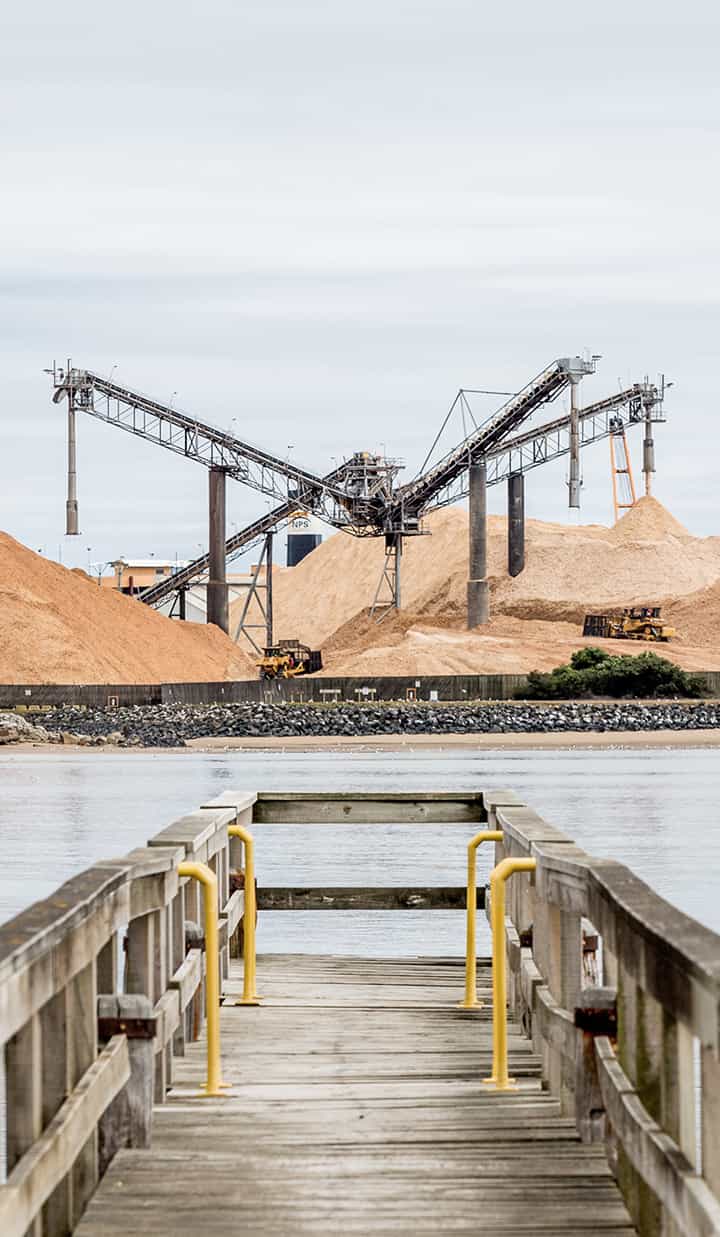
A$1 billion+ annual RDC funding
In 2024-25 RDCs received over A$1 billion through a unique model of industry levy collected for research, development and extension (and marketing for some RDCs) and matching funding from government for eligible RD&E expenditure.
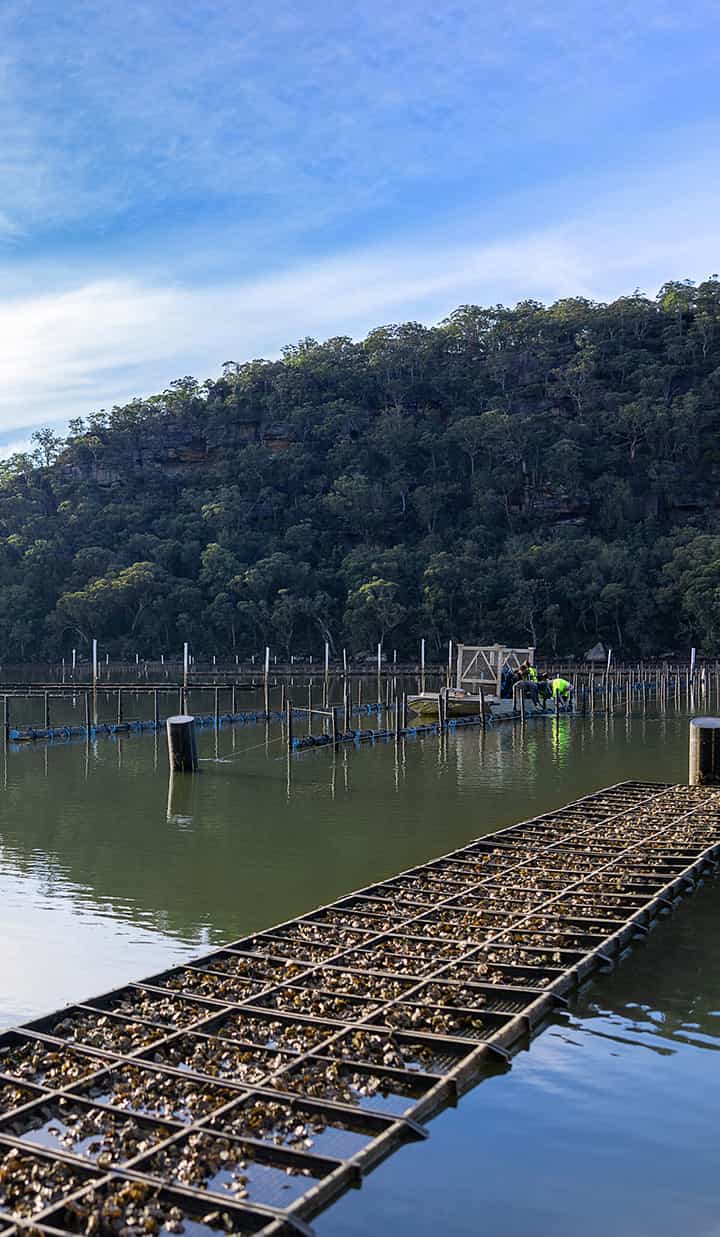
RDCs driving sustainable agriculture
The RDCs commission work on a range of issues to support the agriculture, fisheries and forestry sector become more profitable, productive and sustainable, including on climate resilience, disease response and robotics.
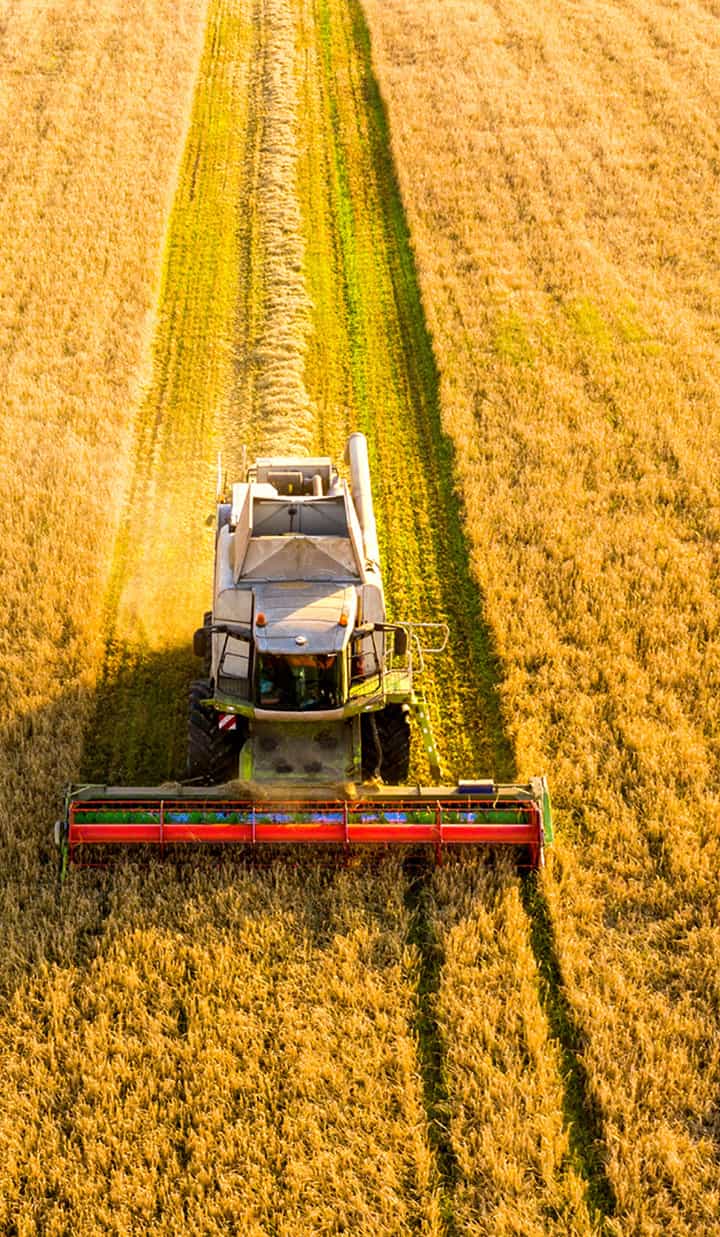
A$1.6 billion Australia’s economic accelerator
Australia's Economic Accelerator (AEA) is a major government initiative investing A$1.6 billion to boost the commercialisation of university research. In the AgTech and agri-food sectors, the AEA helps turn innovative ideas and technologies into market-ready solutions.
A$1 billion+ annual RDC funding
In 2024-25 RDCs received over A$1 billion through a unique model of industry levy collected for research, development and extension (and marketing for some RDCs) and matching funding from government for eligible RD&E expenditure.
RDCs driving sustainable agriculture
The RDCs commission work on a range of issues to support the agriculture, fisheries and forestry sector become more profitable, productive and sustainable, including on climate resilience, disease response and robotics.
A$1.6 billion Australia’s economic accelerator
Australia's Economic Accelerator (AEA) is a major government initiative investing A$1.6 billion to boost the commercialisation of university research. In the AgTech and agri-food sectors, the AEA helps turn innovative ideas and technologies into market-ready solutions.
Global partnerships
Australia is an active participant in international partnerships within the agri-food and AgTech sector. The growAG platform fosters innovation and creates opportunities for the agri-food innovation sector to learn, grow, invest and connect. Researchers, start-ups, and investors from around the world can discover funding avenues, list projects and engage with over 400 organisations.
Join us through the National Innovation visa and be part of Australia’s bright future in agri-food and AgTech.
Entrepreneurialism and commercial growth
Australia supports the commercialisation of ideas in the agri-food and AgTech sectors through various programs and incentives.
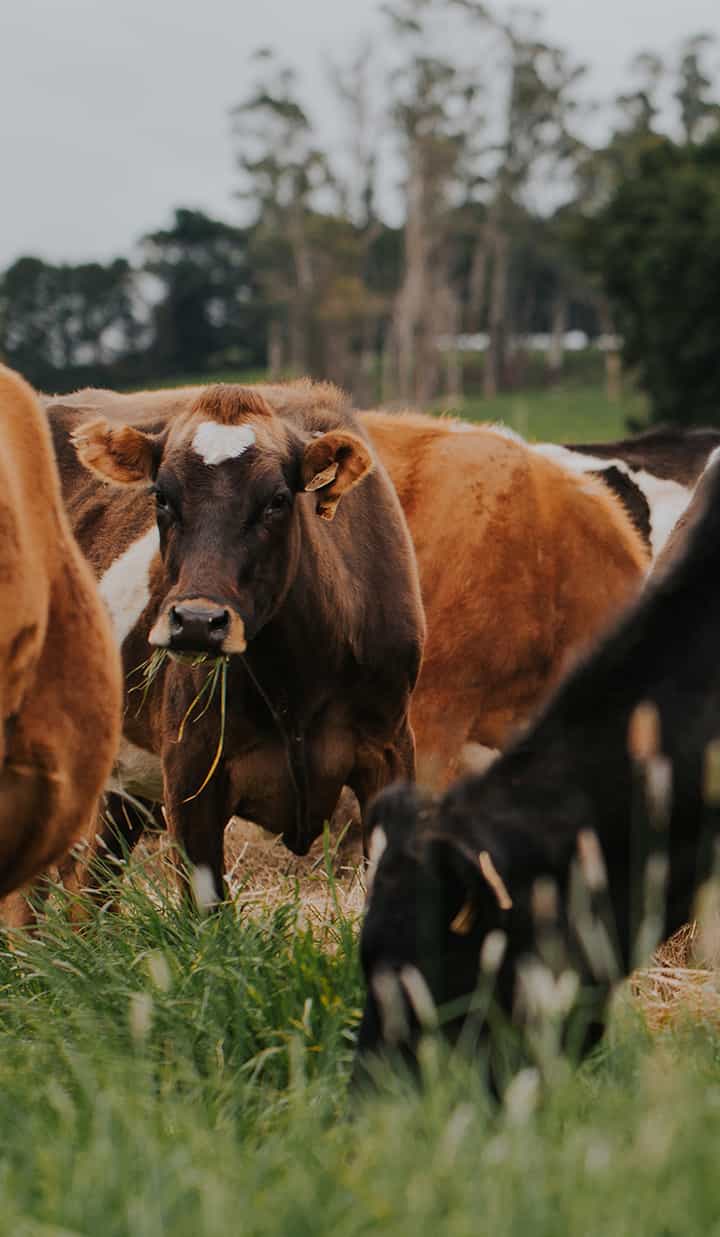
A$127 million in traceability funding
The Australian Government has committed over A$127 million in grant funding and initiatives toward the continuous improvement of Australia’s agricultural traceability capability, guided by the National Agricultural Traceability Strategy 2023 to 2033.
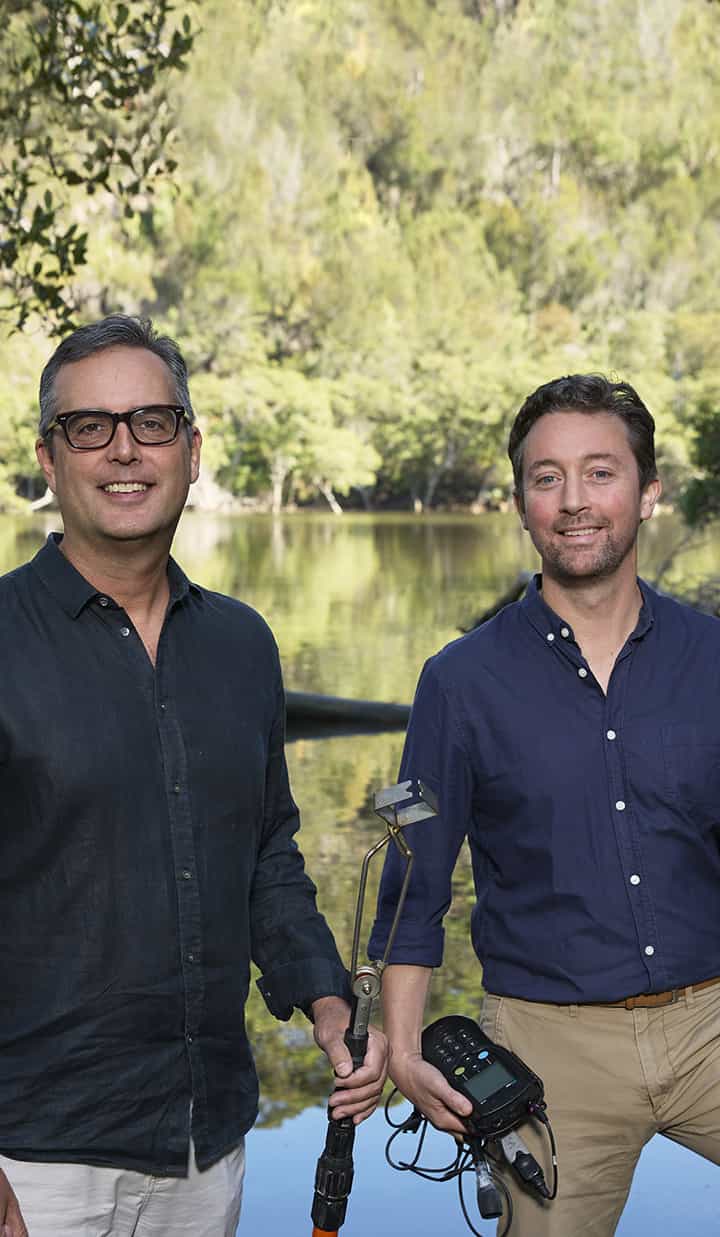
Connecting farmers with resilience innovation
The Drought Resilience Adoption and Innovation Hubs are an Australian Government initiative to bring together farmers, industry, agribusinesses, Natural Resource Management (NRM) practitioners, and communities to connect with drought resilience expertise and innovative technologies to promote farm business drought resilience and preparedness.
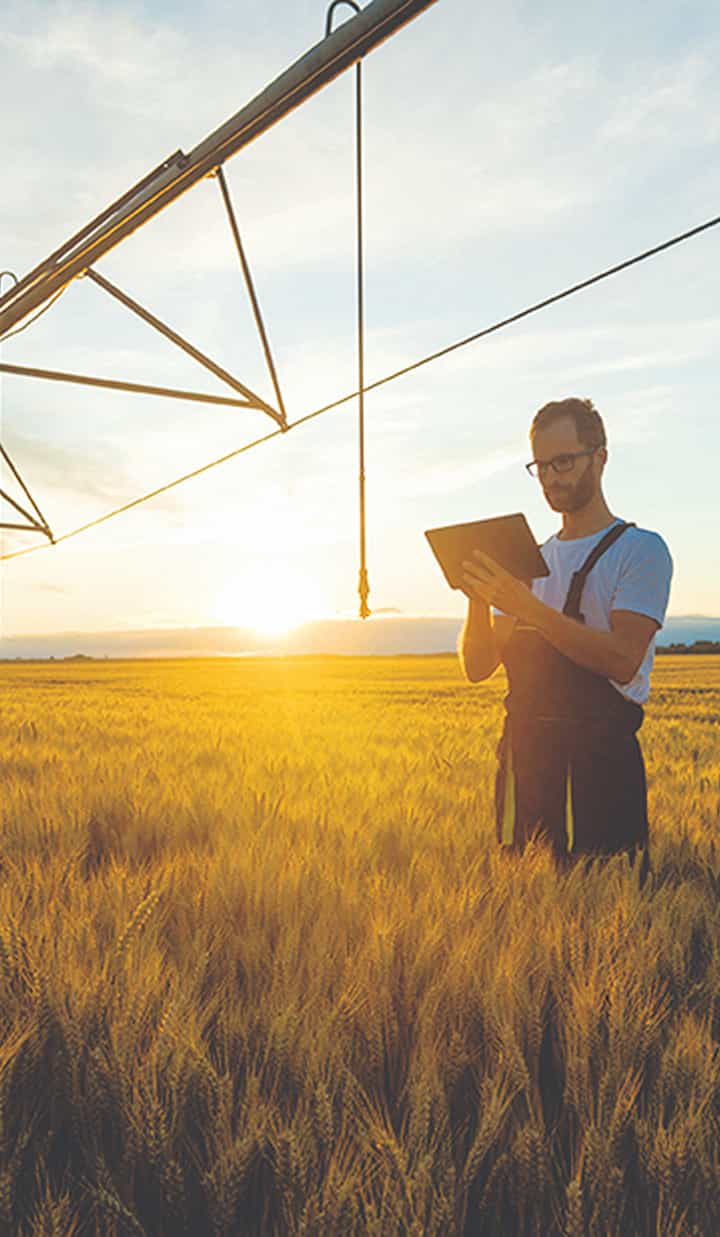
A$2.2 billion university research commercialisation action plan
There are numerous other government initiatives that provide pathways for business and researchers to capitalise on their ideas and commercialisation opportunities. This includes the A$2.2 billion University Research Commercialisation Action Plan, designed to coordinate and incentivise the translation of Australia’s world-leading research for commercial benefit.
A$127 million in traceability funding
The Australian Government has committed over A$127 million in grant funding and initiatives toward the continuous improvement of Australia’s agricultural traceability capability, guided by the National Agricultural Traceability Strategy 2023 to 2033.
Connecting farmers with resilience innovation
The Drought Resilience Adoption and Innovation Hubs are an Australian Government initiative to bring together farmers, industry, agribusinesses, Natural Resource Management (NRM) practitioners, and communities to connect with drought resilience expertise and innovative technologies to promote farm business drought resilience and preparedness.
A$2.2 billion university research commercialisation action plan
There are numerous other government initiatives that provide pathways for business and researchers to capitalise on their ideas and commercialisation opportunities. This includes the A$2.2 billion University Research Commercialisation Action Plan, designed to coordinate and incentivise the translation of Australia’s world-leading research for commercial benefit.
Investing in the future workforce
Australia is committed to developing a high-quality workforce in the agri-food and AgTech sectors through solid investments in education and training initiatives.
These initiatives are aimed at skills development and leadership enhancement and are central to fostering a thriving sector ecosystem.
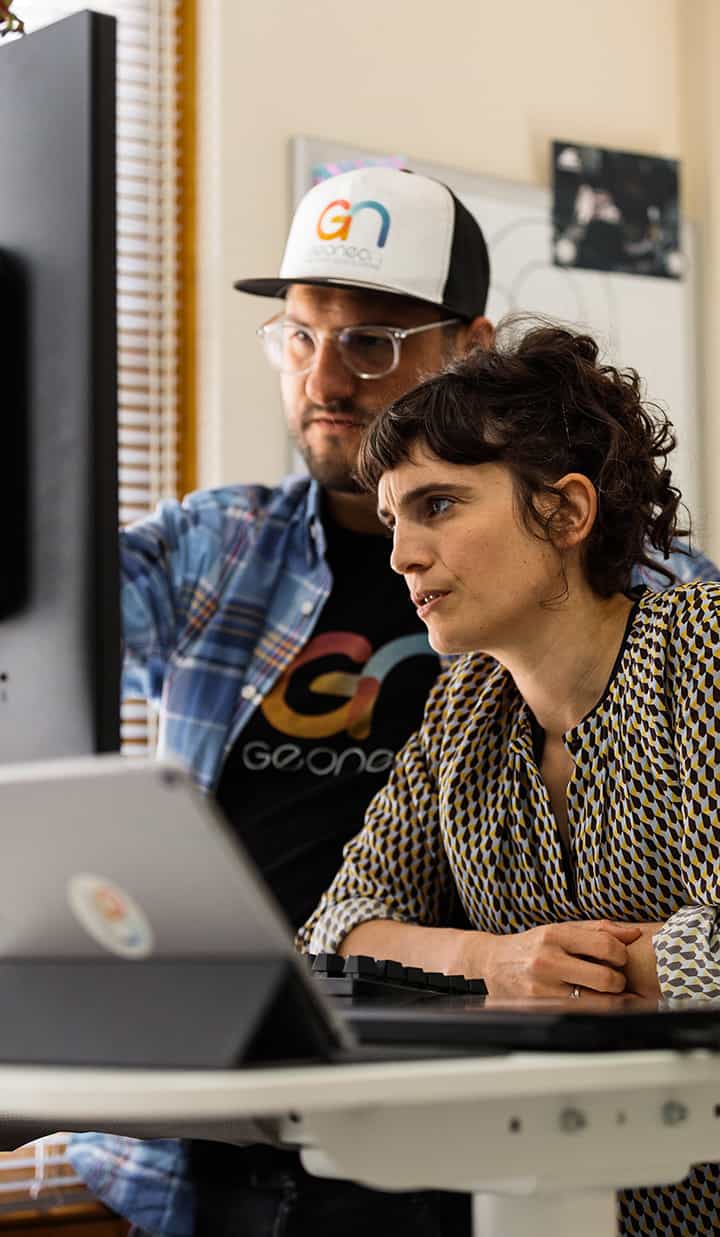
AgConnections skilled agricultural work liaison
The AgConnections Skilled Agricultural Work Liaison pilot program provides funding for four Australian universities who will connect students from a broad range of academic disciplines to agribusinesses and farm businesses to facilitate connections and work-based learning opportunities and to raise awareness of and interest in the exciting careers available.

AgCAREERSTART pilot programme
The AgCAREERSTART pilot program is a structured employment program to help young Australians start a career in agriculture through work experience on a farm.
Agribusiness Jobs and Skills Council
Skills insight - the industry-led Agribusiness Jobs and Skills Council - is exploring an Agricultural Trade Apprenticeship and whether it could improve the industry’s capacity to highlight its diverse career pathways and recruit and retain its future workforce.
AgConnections skilled agricultural work liaison
The AgConnections Skilled Agricultural Work Liaison pilot program provides funding for four Australian universities who will connect students from a broad range of academic disciplines to agribusinesses and farm businesses to facilitate connections and work-based learning opportunities and to raise awareness of and interest in the exciting careers available.
AgCAREERSTART pilot programme
The AgCAREERSTART pilot program is a structured employment program to help young Australians start a career in agriculture through work experience on a farm.
Agribusiness Jobs and Skills Council
Skills insight - the industry-led Agribusiness Jobs and Skills Council - is exploring an Agricultural Trade Apprenticeship and whether it could improve the industry’s capacity to highlight its diverse career pathways and recruit and retain its future workforce.
Your expertise, your future.
Make the smart move to Australia
Express your interest through the National Innovation Visa and be part of Australia’s bright future in agri-food and AgTech.

I wanted to give my wife and children the opportunity to live in and explore a different country, with great infrastructure, better education opportunities and a safe environment. I really like that it’s a young cosmopolitan community rich in culture and different backgrounds.
Ivan Vargas Diaz is a mechanical engineer now working as a senior test well engineer in Western Australia’s offshore gas industry. He has 14 years’ experience working in the oil and gas industry for a number of different operating companies – in Mexico, Venezuela, Colombia, Kazakhstan, Türkiye and Albania. Among the projects he’s been involved with are ultra-deep water exploration wells in Türkiye and Colombia.
Ivan says he and his family are still exploring their new community. “I really like that it’s a young cosmopolitan community rich in culture and different backgrounds.”
His advice to skilled visa recipients is to ensure they understand the scope of their visa and that they have savings to cover the initial costs of living, including accommodation and transport.
Ivan Vargas Diaz from Mexico
Common Questions
Where is the best place to live in Australia for professionals in agri-food and AgTech?
Australia is a global leader in sustainable agriculture and AgTech innovation, offering diverse opportunities in precision farming, food technology, robotics, and climate-smart agriculture. Top locations include:
- Toowoomba (QLD) – A major AgTech hub with strong links to the University of Southern Queensland and the AgTech and Logistics Hub, ideal for professionals in smart farming and supply chain innovation.
- Wagga Wagga (NSW) – Home to the Global Digital Farm and Charles Sturt University, this region is a leader in digital agriculture and sustainable food systems.
- Adelaide (SA) – A centre for food innovation and agricultural research, with institutions like the Waite Research Institute and a growing AgTech startup ecosystem.
- Melbourne (VIC) – Offers strong connections to food manufacturing, biotech, and research in sustainable agriculture through institutions like La Trobe University and the Melbourne Food and Wine Innovation Precinct.
- Canberra (ACT) – A hub for agricultural policy, research, and innovation, especially for professionals working in food security, climate resilience, and biosecurity.
Key regional hubs include:
- Mildura and Shepparton (VIC) – Centres for horticulture, irrigation tech, and food processing, with strong industry-university collaboration.
- Tamworth and Armidale (NSW) – Known for livestock innovation, pasture management, and digital farming, supported by the University of New England and local AgTech accelerators.
- Bundaberg and Rockhampton (QLD) – Focused on sugarcane, horticulture, and robotics in agriculture, with strong regional investment in AgTech.
- Riverland and Clare Valley (SA) – Specialising in viticulture, water management, and food traceability technologies.
- Launceston and Devonport (TAS) – Leading in cool-climate agriculture, aquaculture, and food innovation, with a strong focus on sustainability and export markets.
Choice may depend on your specialisation, lifestyle preferences, or visa pathway.
Are there visa incentives for living and working in regional or rural areas?
Yes, Australia offers visas for living and working in regional areas to encourage skilled migrants to support these communities.
- Skilled Regional (Provisional) visa – subclass 491: assigns additional points under the points test for skilled migrants, and a pathway to permanent residency for living and working in designated regional areas up to 5 years.
- Skilled Employer Sponsored Regional visa – subclass 494: allows regional employers to sponsor skilled workers for up to 5 years, with a pathway to permanent residency after 3 years.
These visas also provide access to a wider range of eligible skilled occupations compared to general skilled visas, helping meet the specific needs of regional and rural areas.
They offer extra points and broader occupation options as incentives for regional living.
Is Australia a good place to innovate?
Australia has a rich culture of innovation and creativity, and as a result we have produced some of the world’s most trailblazing inventions. From Google maps to bionic ears, WiFi to pacemakers, polymer bank notes to spray-on skin, many technologies relied on by millions of people around the world were discovered or designed by Australians.
Meet the people behind some of our greatest inventions and innovations by exploring the Aussie inventors showcase.