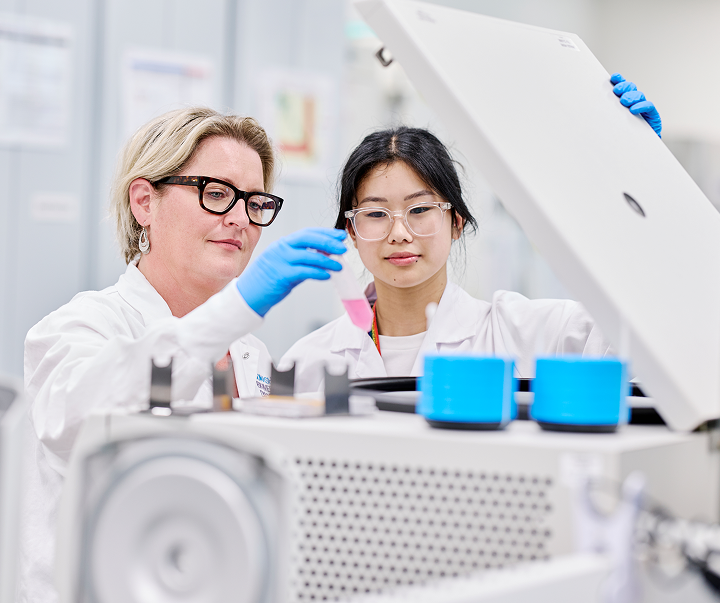
Defence and space capabilities
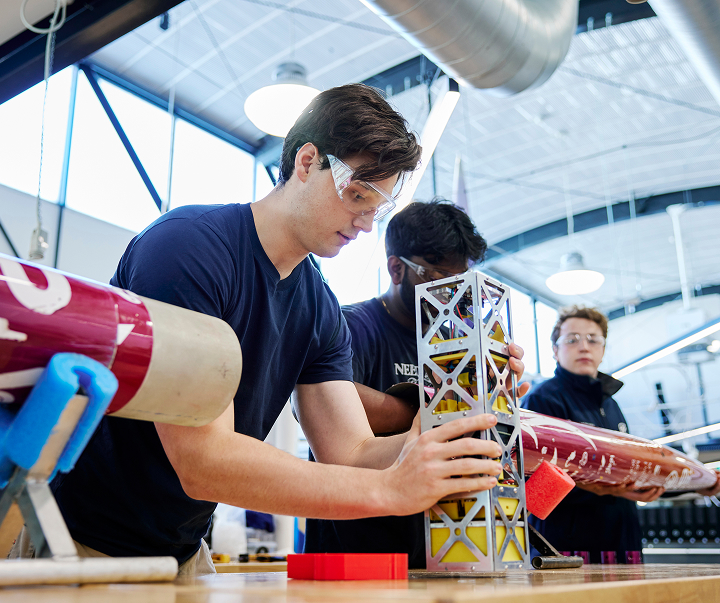
Australia is advancing its sovereign defence and space capabilities. Priorities include development, manufacturing and sustainment of products that support defence capability, space systems engineering, space objects, propulsion systems, electromagnetic technologies, and space sector enabling skills.
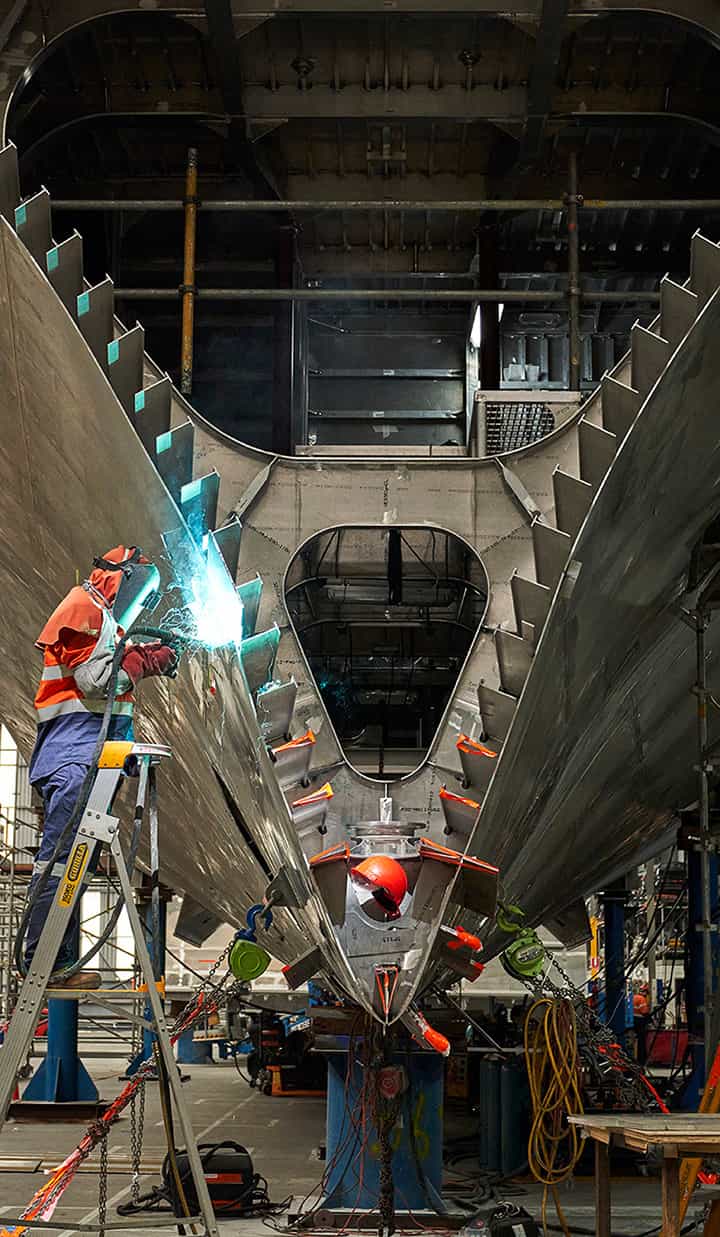
Manufacture and sustainment of products to support defence capability
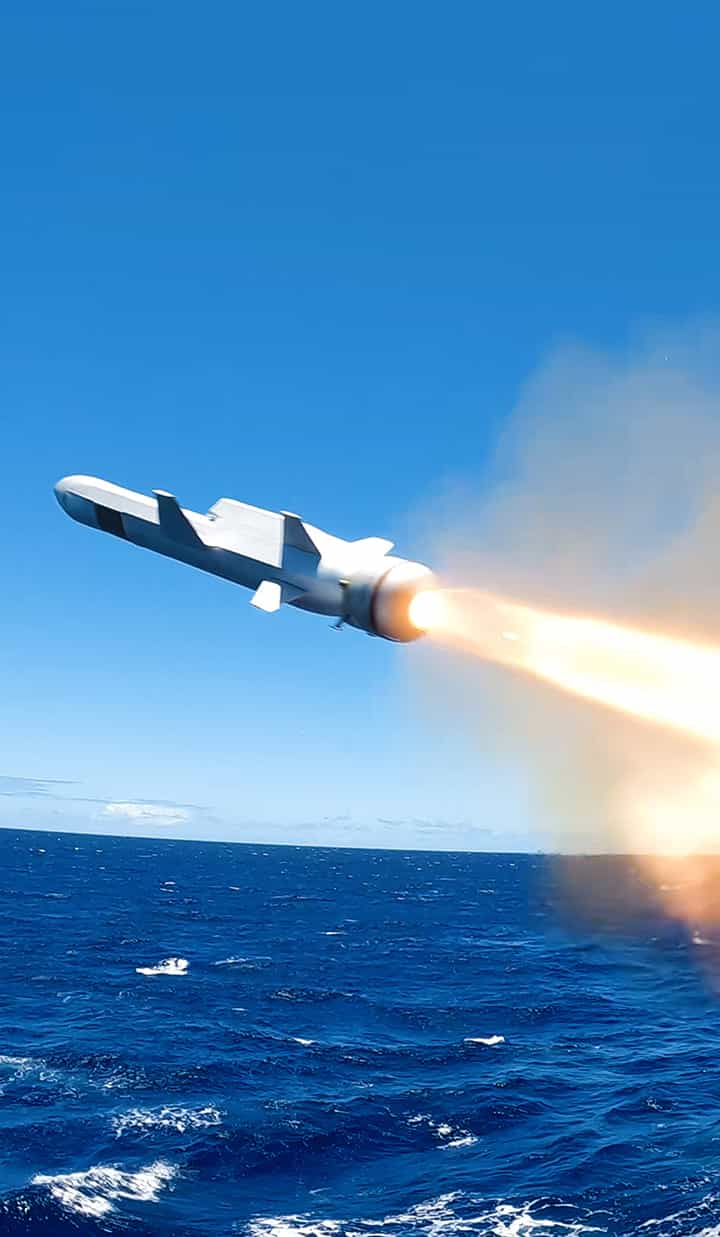
Propulsion systems

Space sector enabling skills
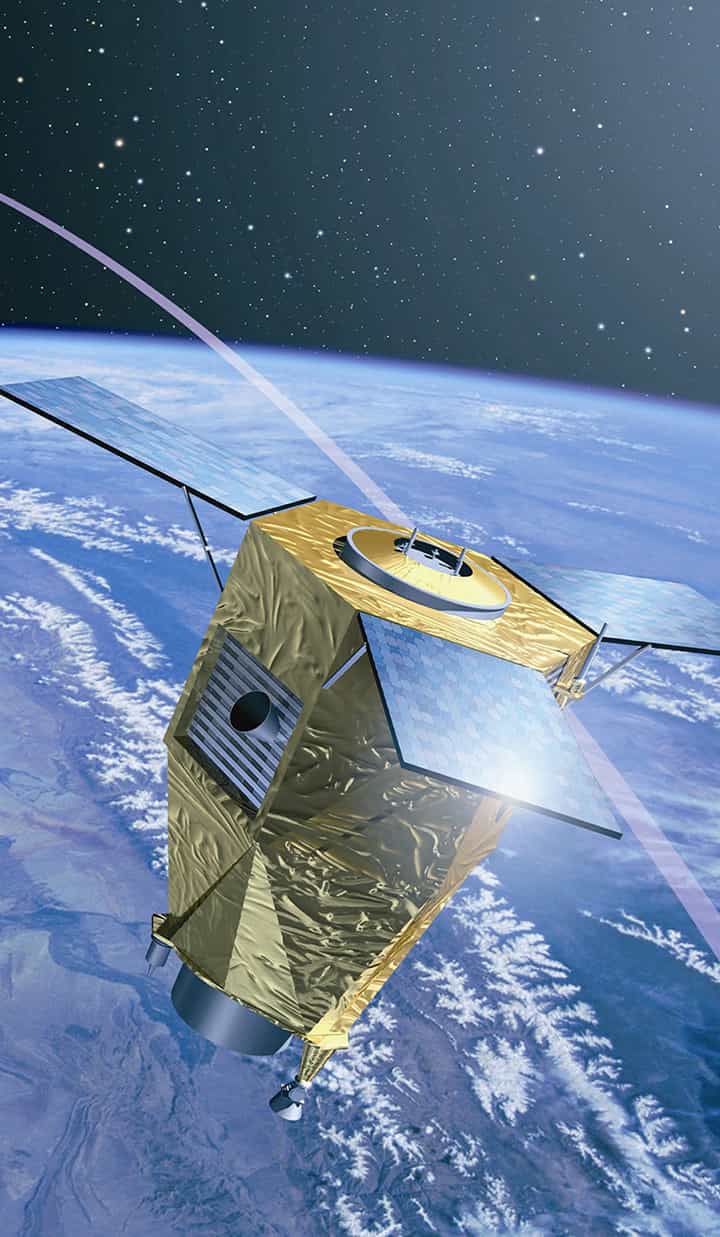
Space objects
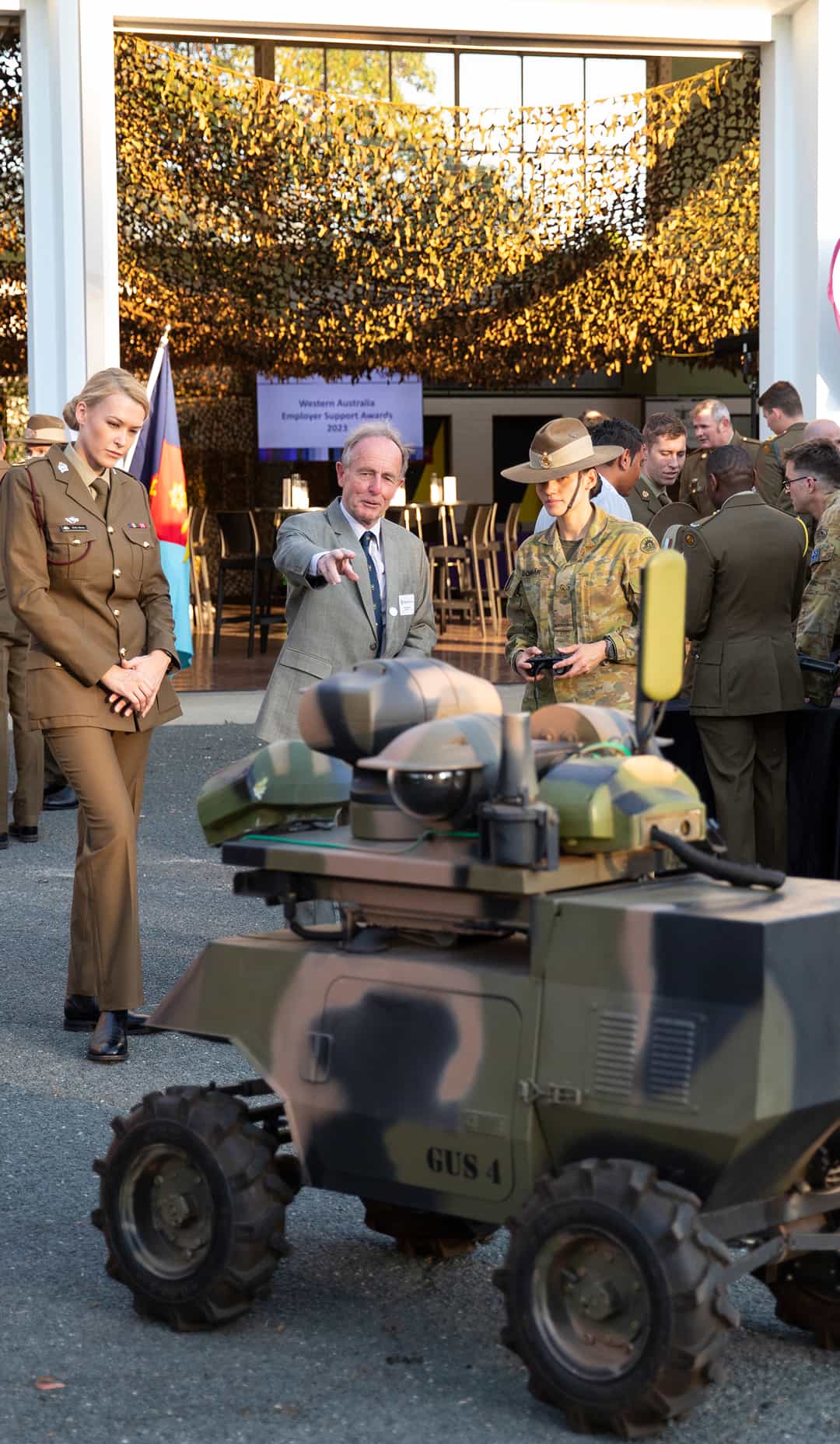
Development of products to support defence capability
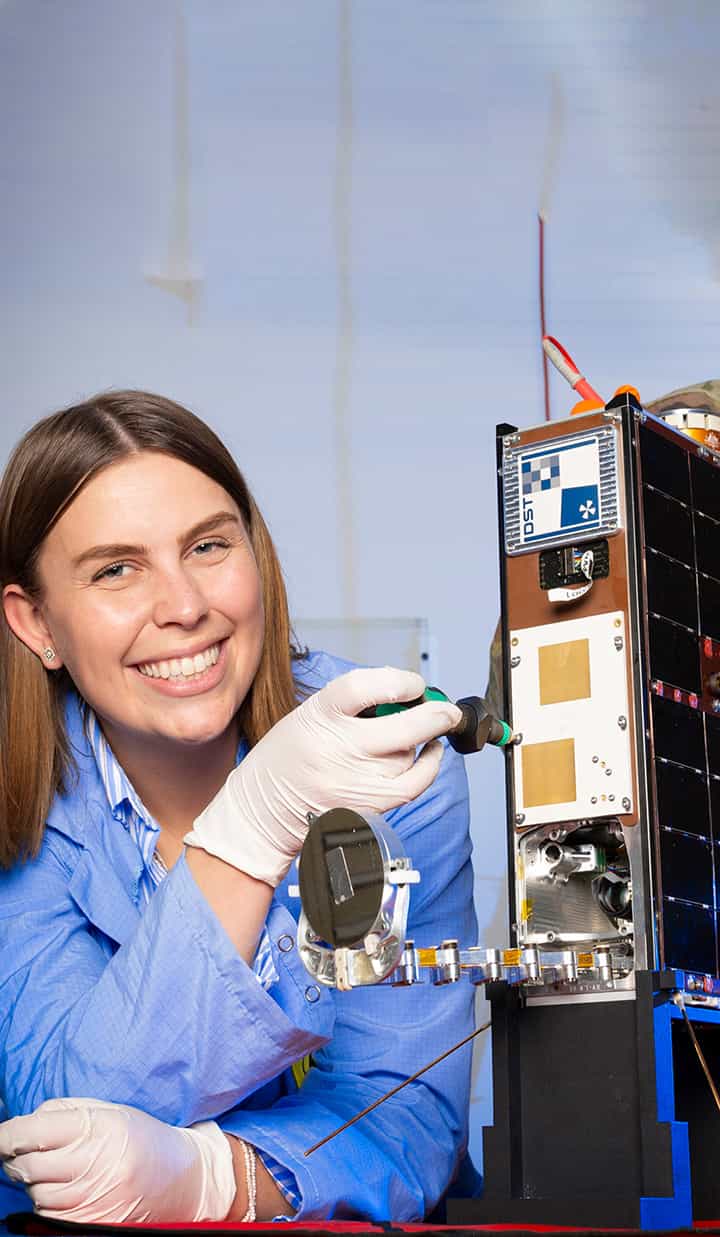
Space systems engineering
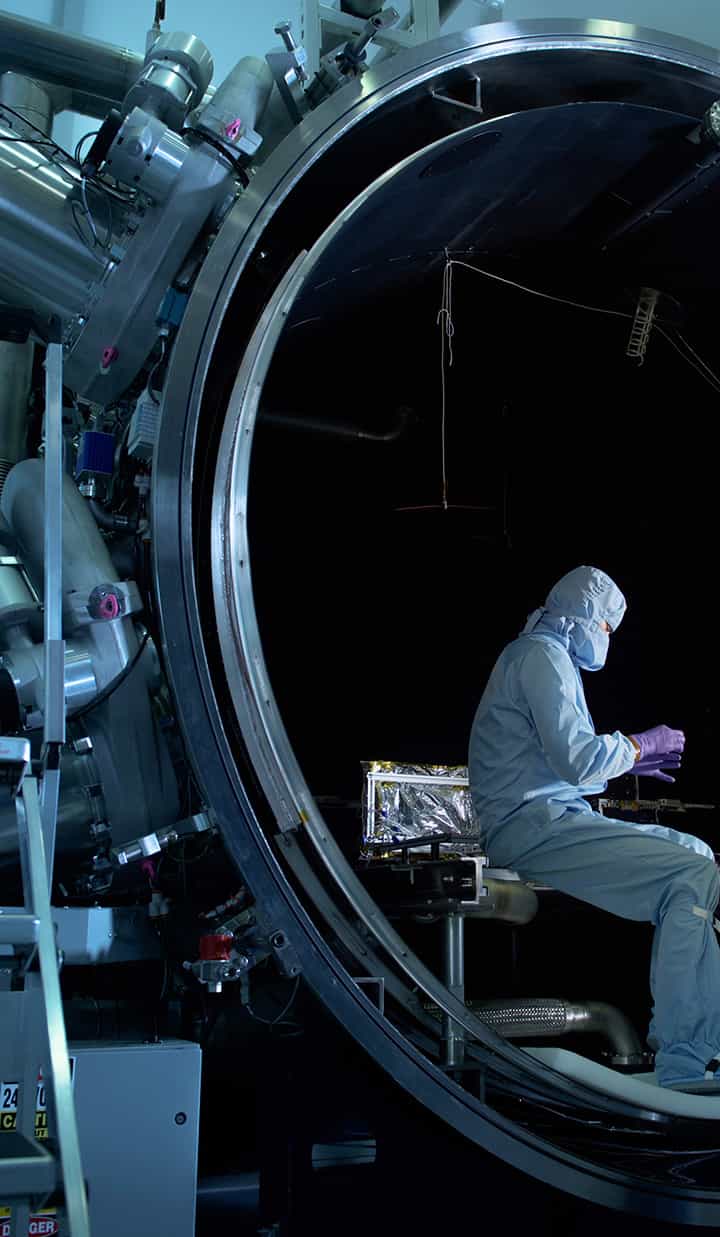
Electromagnetic technologies
The future of defence capabilities in Australia
The Australian Defence Force (ADF) is creating an integrated security force capable of safeguarding Australia for decades to come.
With a Strategy of Denial spanning the domains of maritime, land, air, space and cyber, the ADF would have the capacity to:
- defend Australia and our immediate region -
- deter potential adversary’s attempts to project power against Australia -
- protect Australia’s economic connection to the region and the world -
- contribute with our partners to the collective security of the Indo-Pacific -
- contribute with our partners to maintaining the global rules-based order -
Australia’s National Defence Strategy is complementing broader initiatives, which aim to achieve national resilience in industry and supply chains, rapidly pull through innovation into defence capability and create a world-class innovation, science and technology (IS&T) workforce.
Priority processing for skilled visa applications in Defence
To support the Australian Defence Force's operational readiness, capability development, and ability to respond to emerging strategic and security challenges, nomination and visa applications related to Australia’s defence interests receive high priority for processing.
For more information, and the full list of occupations and available visas, visit skilled visa processing priorities.
The future of the space sector in Australia
Most facets of the economy have some dependency with space capabilities. With the rapid transformation of the space sector, the time is right for Australia to leverage its competitive advantages – our unique location to connect with space; robotics, sensors and automation; and our capability in advanced communication, quantum technology, rocket propulsion, space medicine and astronomy – to take its place in the global space sector.
Investment and funding opportunities
The Australian Government is investing in priority defence capabilities, including space, missile defence and guided weapons.
Click the cards for more information >
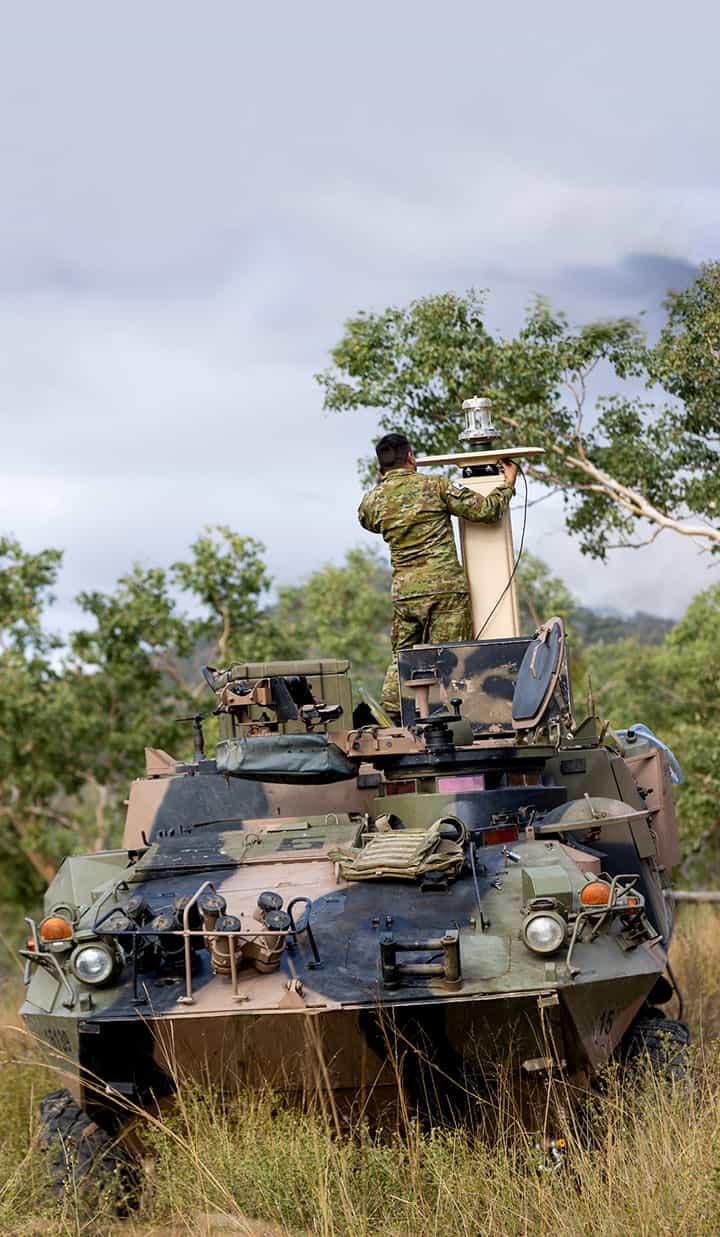
Advanced Strategic Capabilities Accelerator
The Australian Government is investing in the Advanced Strategic Capabilities Accelerator (ASCA).
ASCA will accelerate the development and transition to asymmetric technologies into priority Defence capability through close collaboration with defence industry, including Australian primes, small and medium-sized businesses and research organisations.
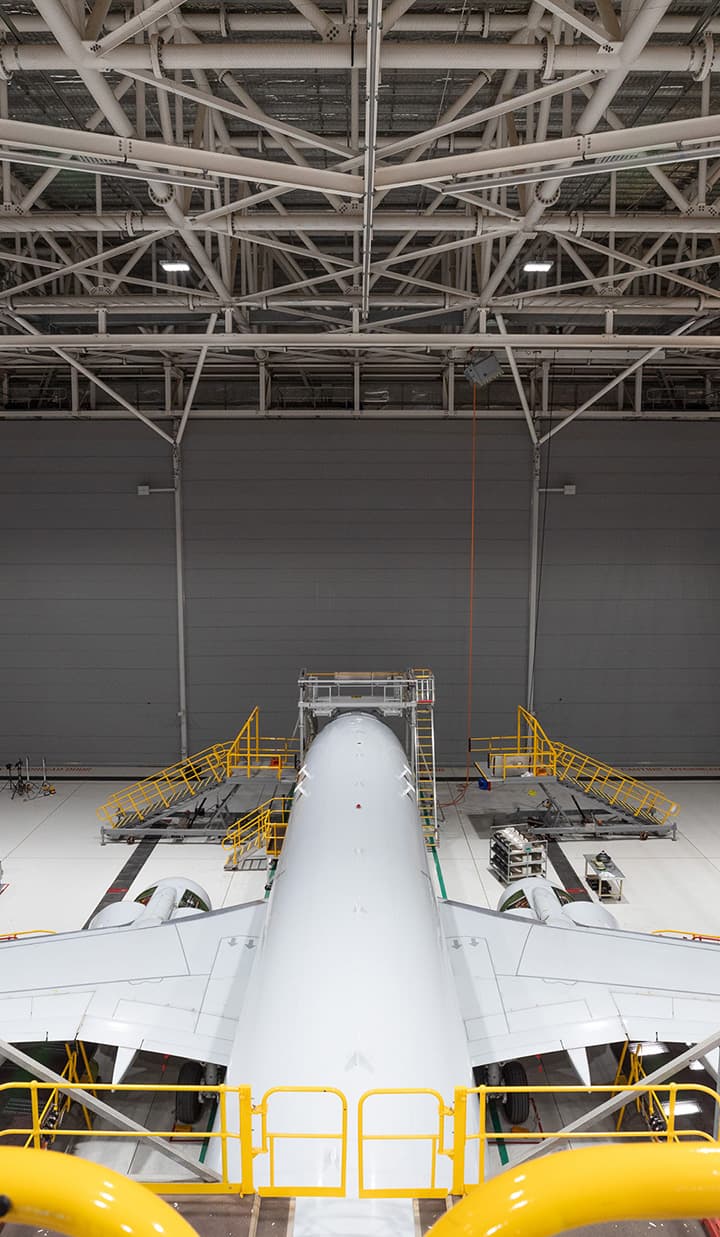
Defence investment
Australia is investing in areas that support Australian Defence Force operations, including enterprise infrastructure, data, and information and communications technology (ICT). With the total spending on defence set to grow over the next 10 years, one goal from these investments are integrated space capabilities.
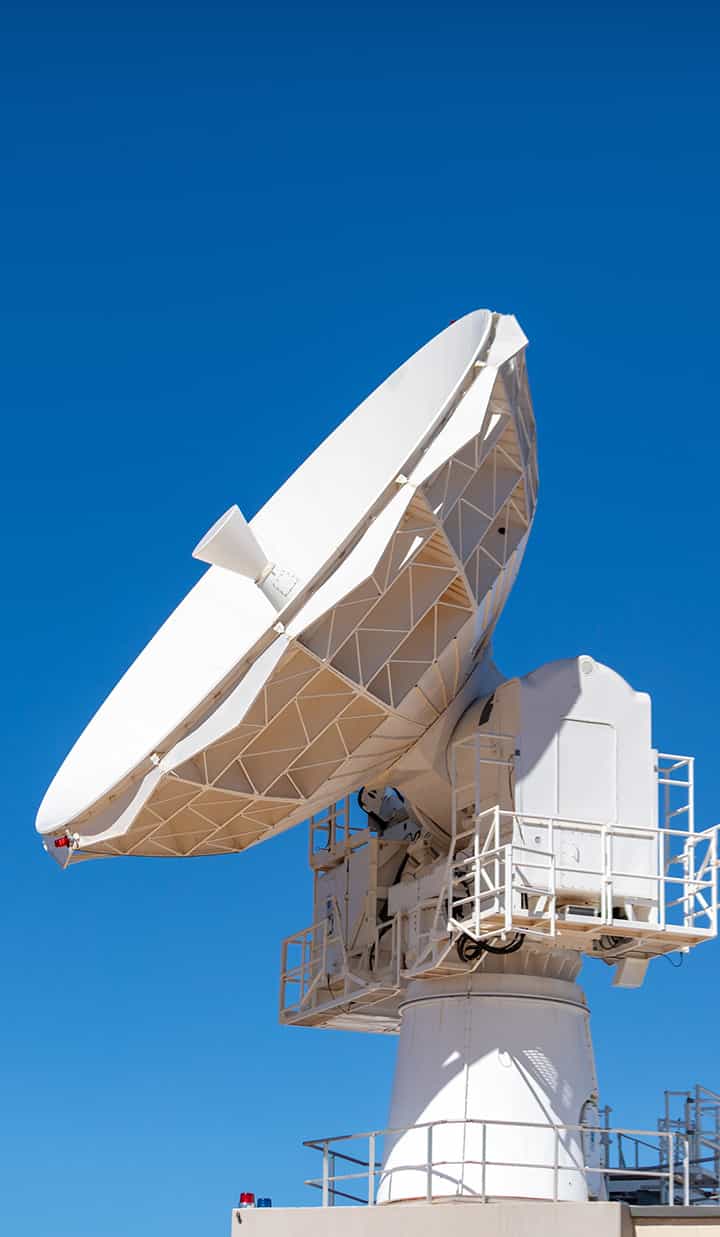
Driving technology for Defence future
Defence is undertaking significant defence capability modernisation, whilst seeking to adopt new and enhanced technology and innovation. Central to this is a skilled workforce to acquire, build, sustain and upgrade Australian defence capabilities.
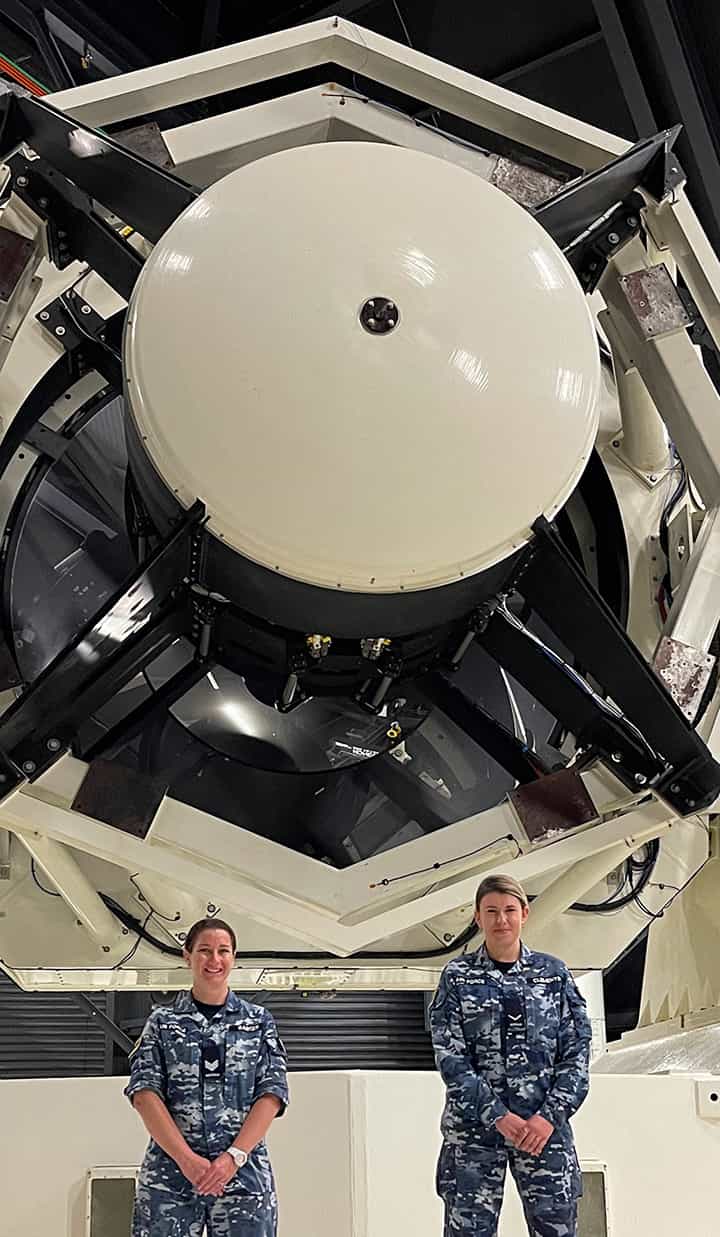
Growing civil space investment
Investments - including private and government venture capital - are helping to grow our research, science and technology capabilities in the civil space sector.
Advanced Strategic Capabilities Accelerator
The Australian Government is investing in the Advanced Strategic Capabilities Accelerator (ASCA).
ASCA will accelerate the development and transition to asymmetric technologies into priority Defence capability through close collaboration with defence industry, including Australian primes, small and medium-sized businesses and research organisations.
Defence investment
Australia is investing in areas that support Australian Defence Force operations, including enterprise infrastructure, data, and information and communications technology (ICT). With the total spending on defence set to grow over the next 10 years, one goal from these investments are integrated space capabilities.
Driving technology for Defence future
Defence is undertaking significant defence capability modernisation, whilst seeking to adopt new and enhanced technology and innovation. Central to this is a skilled workforce to acquire, build, sustain and upgrade Australian defence capabilities.
Growing civil space investment
Investments - including private and government venture capital - are helping to grow our research, science and technology capabilities in the civil space sector.
Research and development
Defence and space sectors are reliant on the skills of the broader innovation, science and technology (IS&T) ecosystem. The Defence IS&T Strategy: Accelerating Asymmetric Advantage – Delivering More, Together, outlines a ten-year vision for creating a more integrated, effective and efficient Australian Defence IS&T ecosystem.
Australia’s IS&T ecosystem is central to Defence’s ability to meet mission objectives in IS&T priority areas and to maintain our competitive advantage. Research and development, and IS&T are inextricably linked. Every stage of research (basic, applied and experimental) which forms part of the R&D spectrum requires sustained investment.
Click the cards for more information
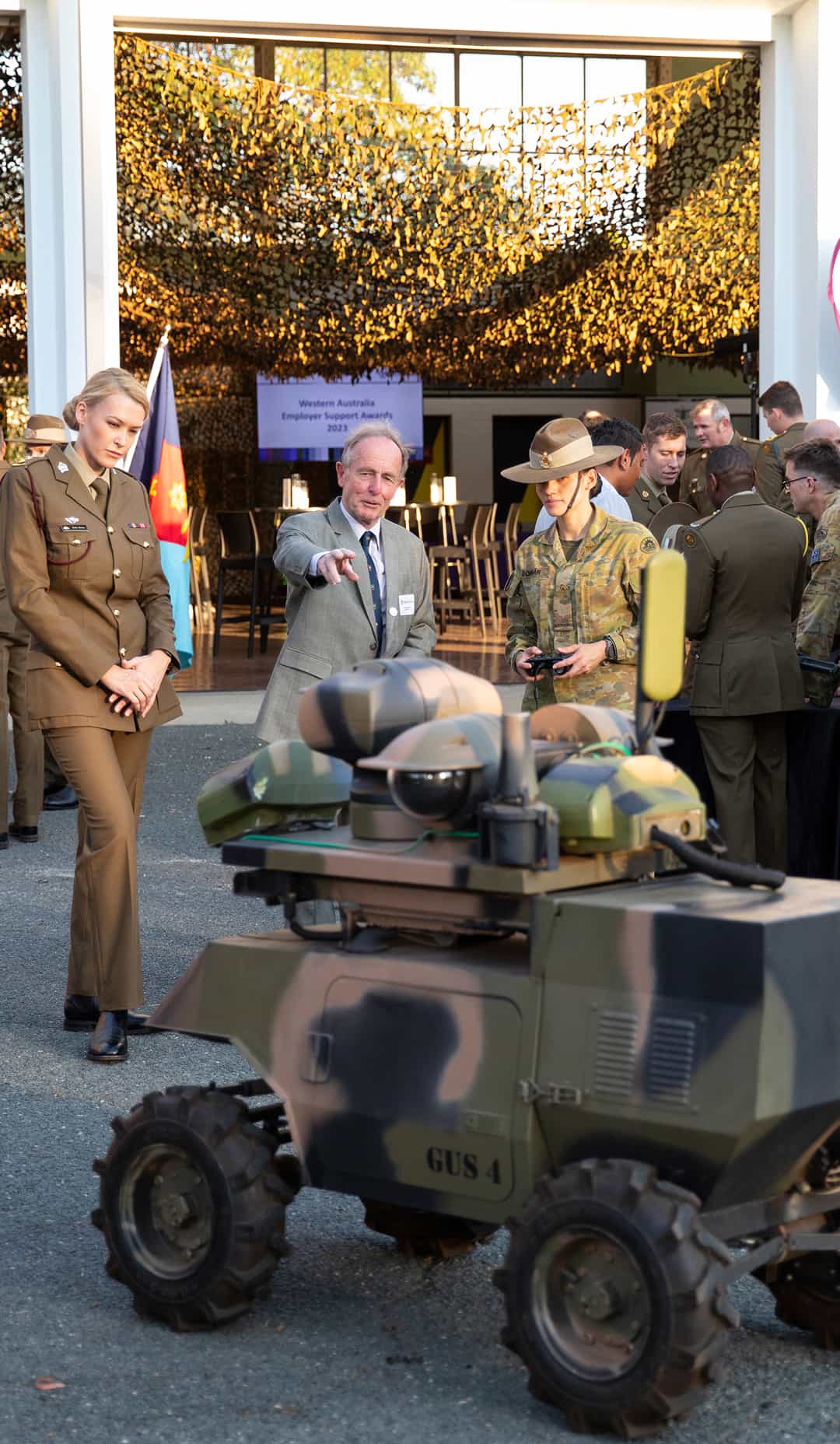
Driving next-gen defence innovation
Australia seeks to ensure that the research and innovation sector supports the delivery of next-generation capabilities to the ADF. This includes significant investments by ASCA, and under AUKUS Pillar II – Advanced Capabilities.

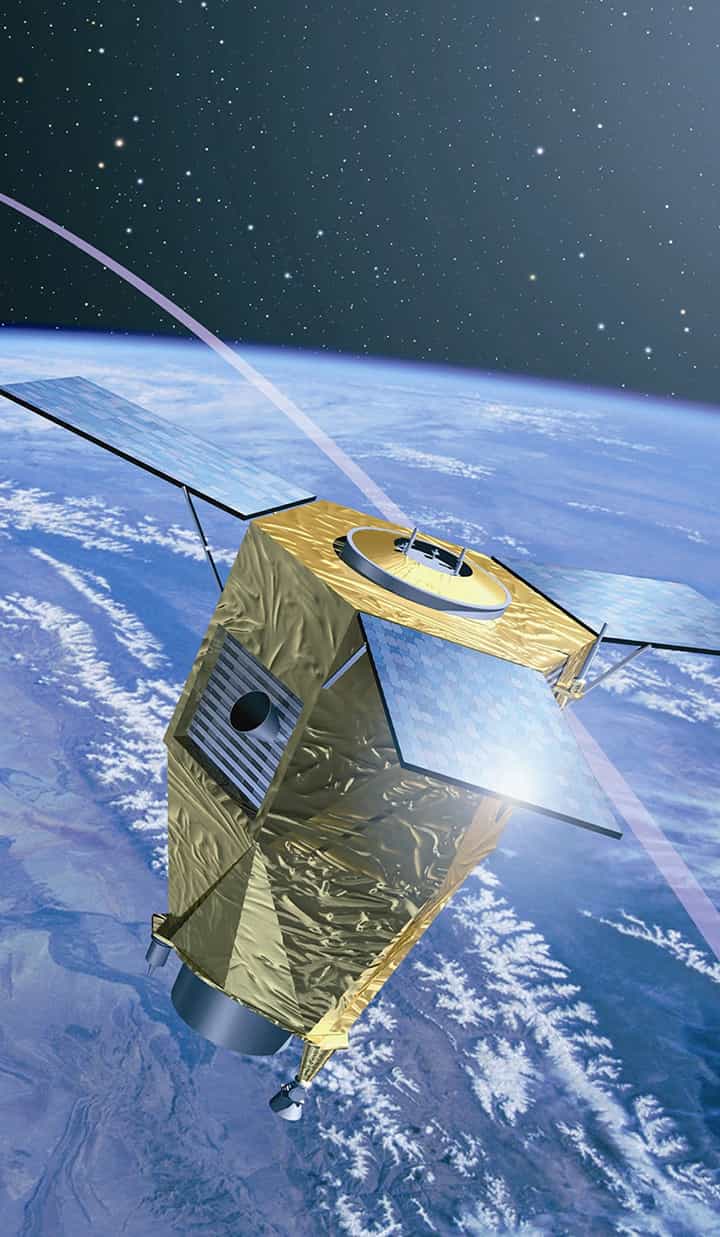
New break- throughs in space technology
Collaboration between industry and researchers is driving new innovations that are positioning Australia to carve out its place in the global space economy – including a new wave of exploration.
Strategic priorities: future capabilities
The National Defence Strategy and Defence IS&T Strategy explicitly identify the following IS&T priorities:
- hypersonics
- directed energy
- trusted autonomy
- quantum technology
- information warfare
- long-range fires.
Driving next-gen defence innovation
Australia seeks to ensure that the research and innovation sector supports the delivery of next-generation capabilities to the ADF. This includes significant investments by ASCA, and under AUKUS Pillar II – Advanced Capabilities.
New break- throughs in space technology
Collaboration between industry and researchers is driving new innovations that are positioning Australia to carve out its place in the global space economy – including a new wave of exploration.
Strategic priorities: future capabilities
The National Defence Strategy and Defence IS&T Strategy explicitly identify the following IS&T priorities:
- hypersonics
- directed energy
- trusted autonomy
- quantum technology
- information warfare
- long-range fires.
Global partnerships
Our national R&D ecosystem and Defence IS&T is built on trusted and deep strategic collaboration and partnerships.
Australia is strengthening maritime security with regional partners under the Pacific Maritime Security Program. These partnerships are crucial to maintaining regional peace, prosperity, and a favourable strategic balance.
With growing opportunities for global partnership in the space sector, Australia is participating in international missions and multilateral fora. With our unique geographical advantage, Australia is supporting areas such as launch and returns, precision timing and navigation, robotics and remote operations, space situational awareness, and remote asset monitoring.
Australia is leveraging its competitive advantage to build new partnerships, including through Australian Space Agency programs, and Austrade’s national and international commercial networks.
Join us through the National Innovation Visa and be part of Australia’s bright future in defence and space capabilities.
Entrepreneurialism and commercial growth
Australia’s Defence Industry Development Strategy has identified several Sovereign Defence Industrial Priorities (SDIPs) to establish a defence industrial base that is:
- Capable of delivering the capacity and size needed to meet Defence’s needs, with the agility to rapidly scale.
- Resilient to disruptions beyond our control, by strengthening our network of supply chains.
- Competitive, by providing the systems, technologies, materials and services Defence needs to support its missions.
- Innovative, by maintaining a technological edge and developing the asymmetric technologies needed by Defence.
The Defence Industry Development Strategy directly supports the National Defence Strategy.
Click the cards for more information
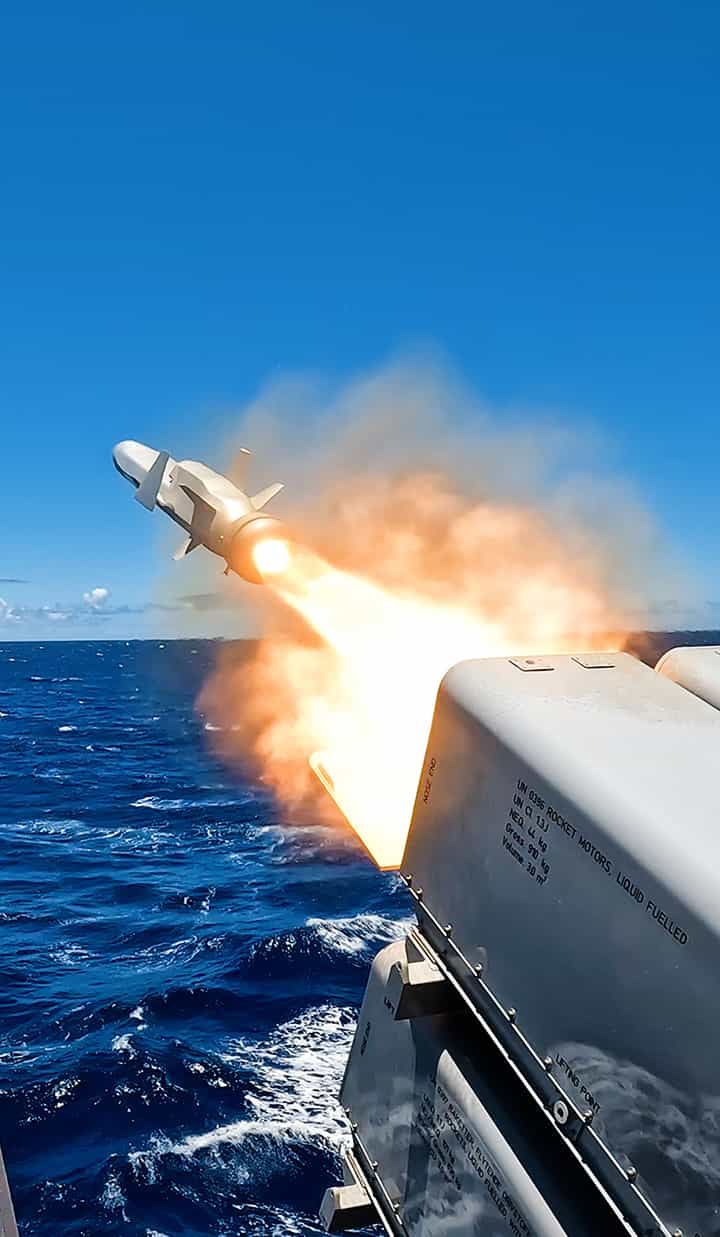
Closer collaboration with industry
Defence will be proactive in engaging with industry and sharing capability priorities. This includes more regular and direct briefings in secure information environments with trusted industry partners.
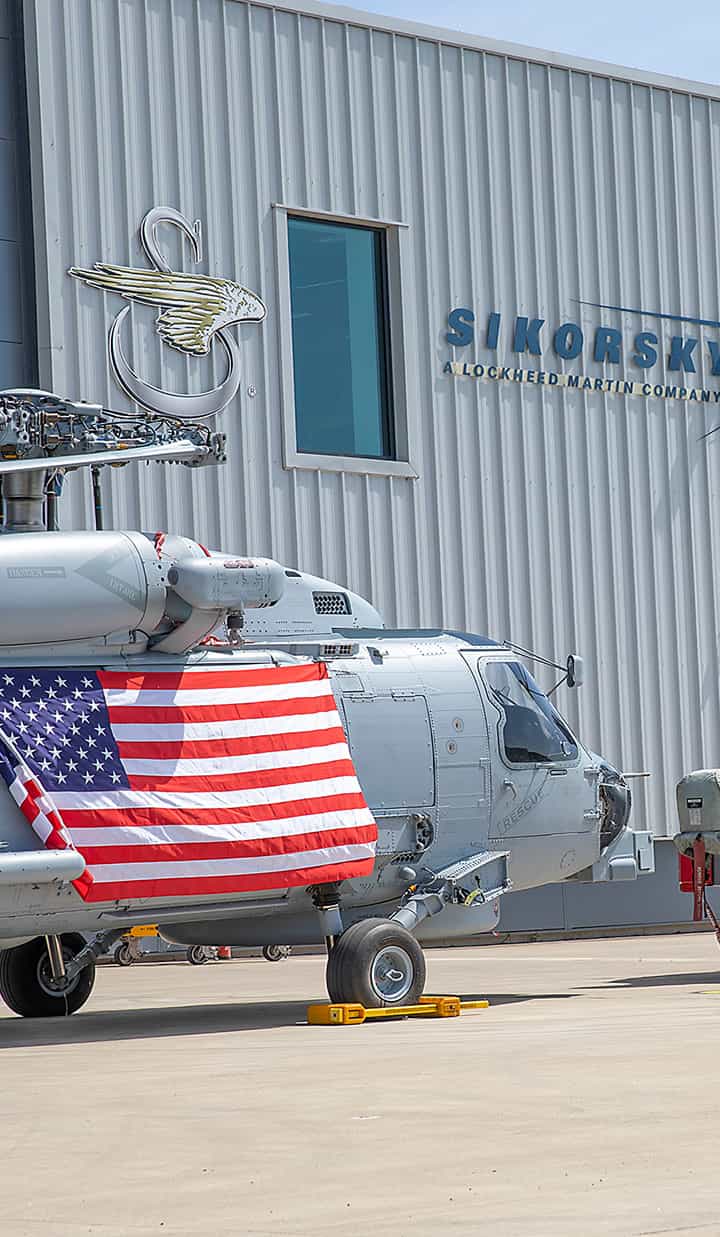
Boosting defence export opportunities
The Australian Government will further support the defence industry to pursue export opportunities. For example, there will be an increased focus on government-to-government sales.
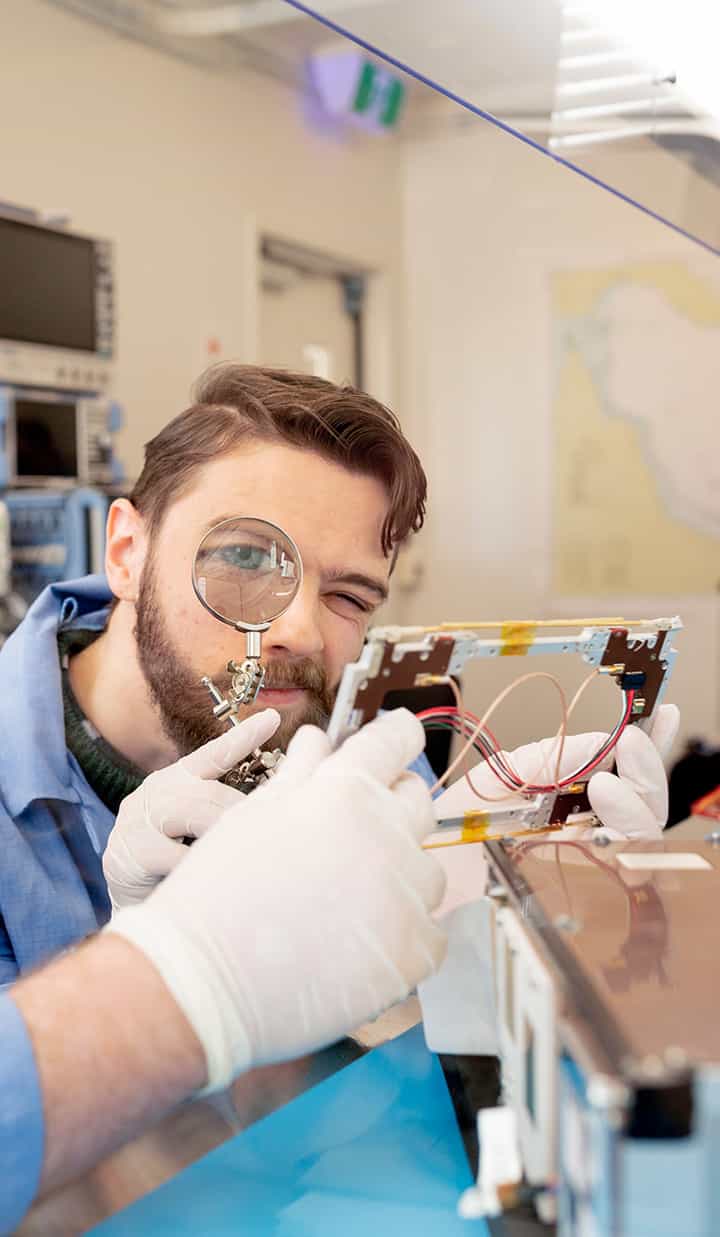
Australia accelerates space industry growth
The Australian Space Agency was established to transform and grow the industry. Targeted initiatives and mechanisms are in place to stimulate commercial investment, particularly in niche areas of advantage.
Closer collaboration with industry
Defence will be proactive in engaging with industry and sharing capability priorities. This includes more regular and direct briefings in secure information environments with trusted industry partners.
Boosting defence export opportunities
The Australian Government will further support the defence industry to pursue export opportunities. For example, there will be an increased focus on government-to-government sales.
Australia accelerates space industry growth
The Australian Space Agency was established to transform and grow the industry. Targeted initiatives and mechanisms are in place to stimulate commercial investment, particularly in niche areas of advantage.
Investing in the future workforce
People are Defence’s most important asset. A highly skilled and diverse workforce is crucial to delivering capability to Defence. Attracting and supporting a diverse STEM talent pool is essential to ensure Defence has the right workforce to meet today’s priorities and respond to future challenges.
Click the cards for more information
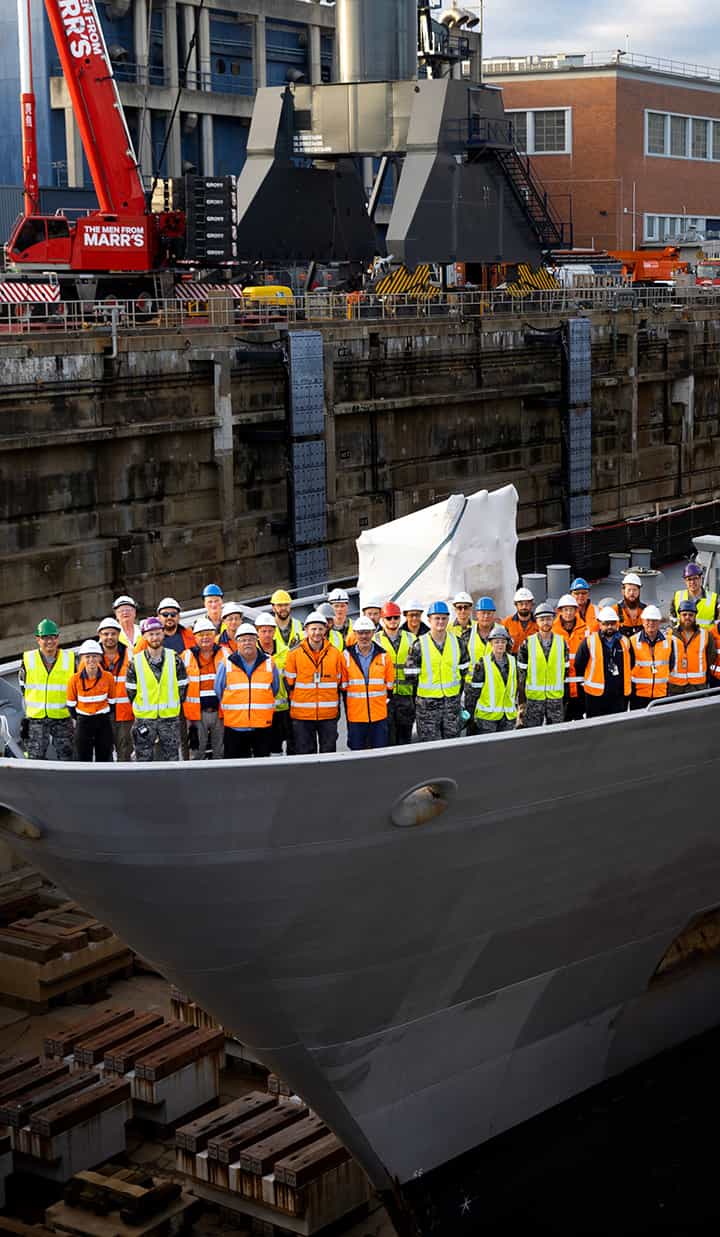
Investing in defence talent
Australia seeks to grow and retain the highly capable workforce required to meet defence capability needs. Thus, the government’s investment in ADF and Defence civilian workforce is critical. The 2024 Defence IS&T Strategy recognises that the creativity, passion and dedication of people is fundamental to its success.
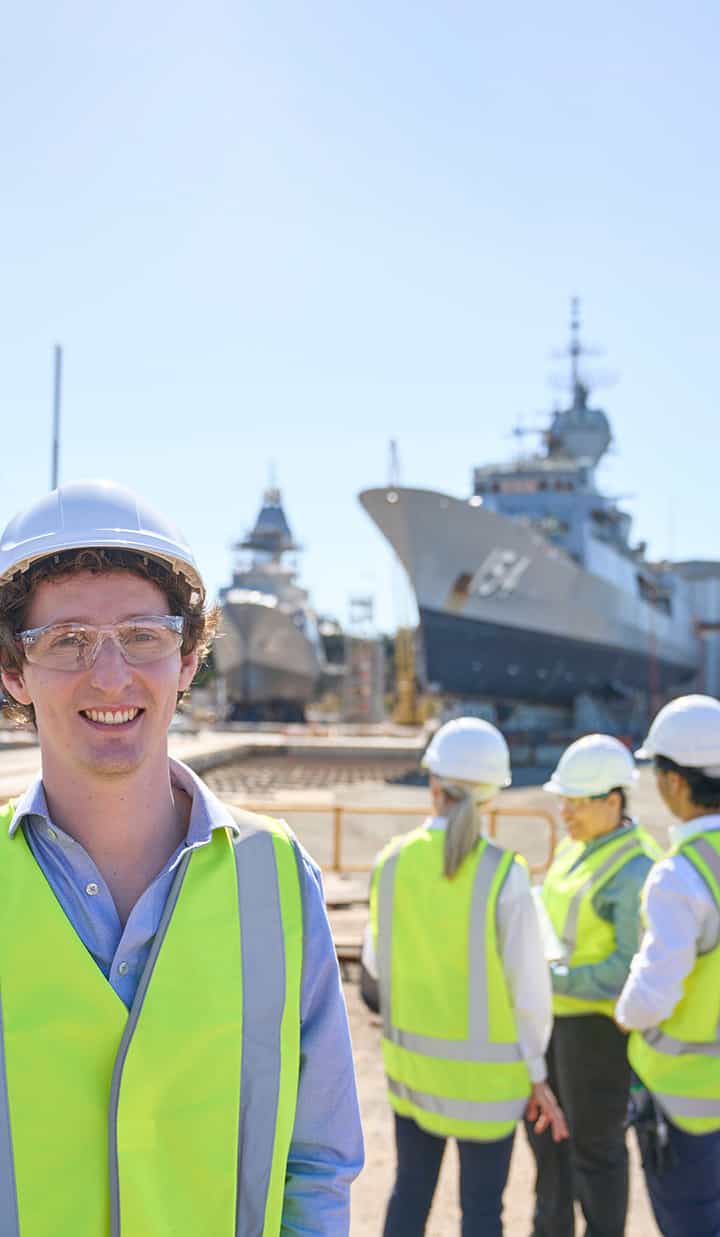
20,000 jobs from submarine program
Australia’s Nuclear-Powered Submarine Program presents an unparalleled opportunity for our nation, creating around 20,000 direct jobs over the next 30 years across industry, the ADF and the Australian Public Service.

Defence seeks skilled professionals
Skilled, experienced and security-cleared people are required for a range of job families, including but not limited to engineering, project management, operations, support, supply chain, and science and technology.

Investing in defence talent
Australia seeks to grow and retain the highly capable workforce required to meet defence capability needs. Thus, the government’s investment in ADF and Defence civilian workforce is critical. The 2024 Defence IS&T Strategy recognises that the creativity, passion and dedication of people is fundamental to its success.
20,000 jobs from submarine program
Australia’s Nuclear-Powered Submarine Program presents an unparalleled opportunity for our nation, creating around 20,000 direct jobs over the next 30 years across industry, the ADF and the Australian Public Service.
Defence seeks skilled professionals
Skilled, experienced and security-cleared people are required for a range of job families, including but not limited to engineering, project management, operations, support, supply chain, and science and technology.
Further reading
Explore the links below to learn more about Australia’s unique position and opportunities within the defence capabilities and space sector.
2024 National Defence Strategy
2024 Integrated Investment Program
Defence IS&T Strategy (Accelerating Asymmetric Advantage – Delivering More, Together)
Your expertise, your future.
Make the smart move to Australia
Express your interest through the National Innovation Visa and be part of Australia’s bright future in defence and space capabilities.

Australia is a thriving country with a strong economy, high quality of life, and many opportunities for employment and growth. For anyone looking for a chance to build a brighter future, Australia is an excellent choice.
When Anderson De Oliveira Bertucci started looking for international career experience and a better quality of life, he decided Australia was the place for him and his family. With a Bachelor of Computer Software Engineering and 10 years’ experience as a systems and business analyst for corporations in Brazil, Anderson now works for an IT solutions and products company in Adelaide.
Anderson appreciates the career development opportunities and clear path to advancement his employer offers. He enjoys working in a multicultural environment where he can exchange experiences with talented colleagues from all over the world and learn new ways of doing things.
“Australia is a wonderful place to work due to its strong economy, competitive wages, and attractive lifestyle,” he said.
Anderson De Oliveira Bertucci from Brazil
Common Questions
Where is the best place to live in Australia for professionals in defence capabilities and space?
Australia offers several strategic hubs ideal for professionals working in defence and space sectors. Key locations include:
- Adelaide (SA) – A national leader in defence and space innovation, home to the Australian Space Agency, Lot Fourteen innovation precinct, and major defence primes.
Strong focus on advanced manufacturing, satellite technology, and sovereign defence capabilities.
Significant government investment and a growing ecosystem of startups and research institutions. - Canberra (ACT) – The heart of national security and defence policy, with close proximity to the Department of Defence and key government agencies. A hub for cybersecurity, intelligence, and space situational awareness.
Ideal for professionals working in government-linked tech innovation and classified programs. - Brisbane (QLD) – A growing centre for aerospace, robotics, and clean energy technologies.
Strong industry-academic partnerships and access to defence innovation programs.
Home to several defence contractors and space-related R&D initiatives. - Melbourne (VIC) – Known for AI, data science, and advanced systems integration supporting defence and space applications.
Hosts a large tech workforce and a vibrant innovation ecosystem. - Sydney (NSW) – A hub for cybersecurity, fintech, and digital defence services, with institutions like CSIRO, UNSW, and Defence Innovation Network. Strong commercial and academic links to the space sector.
Regional Hubs
- Newcastle (NSW) – Focused on advanced manufacturing and defence innovation, with strong university-industry collaboration.
- Eyre Peninsula and northern South Australia (SA) – Focused on space technology, and defence industries with government-backed initiatives.
- Launceston and Hobart (TAS) – Investing in space tracking, biotech, and renewable energy tech in scenic, affordable settings.
Choice may depend on your specialisation, lifestyle preferences, or visa pathway.
What visa options are available for working in Australia?
To work in Australia across key industries, several skilled visa options are available:
- Skilled Independent visa – subclass 189: For skilled workers coming independently to Australia. Points-tested and permanent.
- Skilled Nominated visa – subclass 190: For workers nominated by a state or territory. Points-tested and permanent.
- Employer Nomination Scheme – subclass 186: For skilled workers nominated by an Australian employer. Permanent visa.
- National Innovation visa – subclass 858: For individuals with internationally recognised talent in target sectors. Permanent visa.
- Skilled Work Regional visa – subclass 491: Provisional visa for skilled workers in regional areas with a pathway to permanent residency.
- Skills in Demand visa – subclass 482: Temporary visa for employer-sponsored skilled workers to fill labour shortages.
- Skilled Employer Sponsored Regional visa – subclass 494: Provisional visa for workers sponsored by regional employers, leading to permanent residency.
What benefits can I expect working in Australia?
Australia offers competitive salaries, strong workplace protections, opportunities for career growth, and access to professional development and training.
Explore your career pathway to discover even more opportunities and take the next step in your professional journey.
Are these industries growing in Australia?
Yes. These sectors have been identified as national priorities due to their potential for economic growth, innovation, and job creation.
How do I submit an Expression of Interest (EOI) for a skilled independent visa?
You can submit an EOI through SkillSelect, the Australian Government's online system. Before submitting, ensure you have:
- confirmed your occupation is on the skilled occupation list
- completed a skills assessment
- taken an English language test, if required
- gathered details of your educational qualifications and work experience.