Infrastructure and transport
Australia is currently seeking global innovators and experts to help grow its thriving infrastructure and transport sectors.
Priority fields include innovative manufacturing and technologies to support the development of the transport sector, and large and complex transport infrastructure projects for roads, bridges, tunnelling, rail and airports.
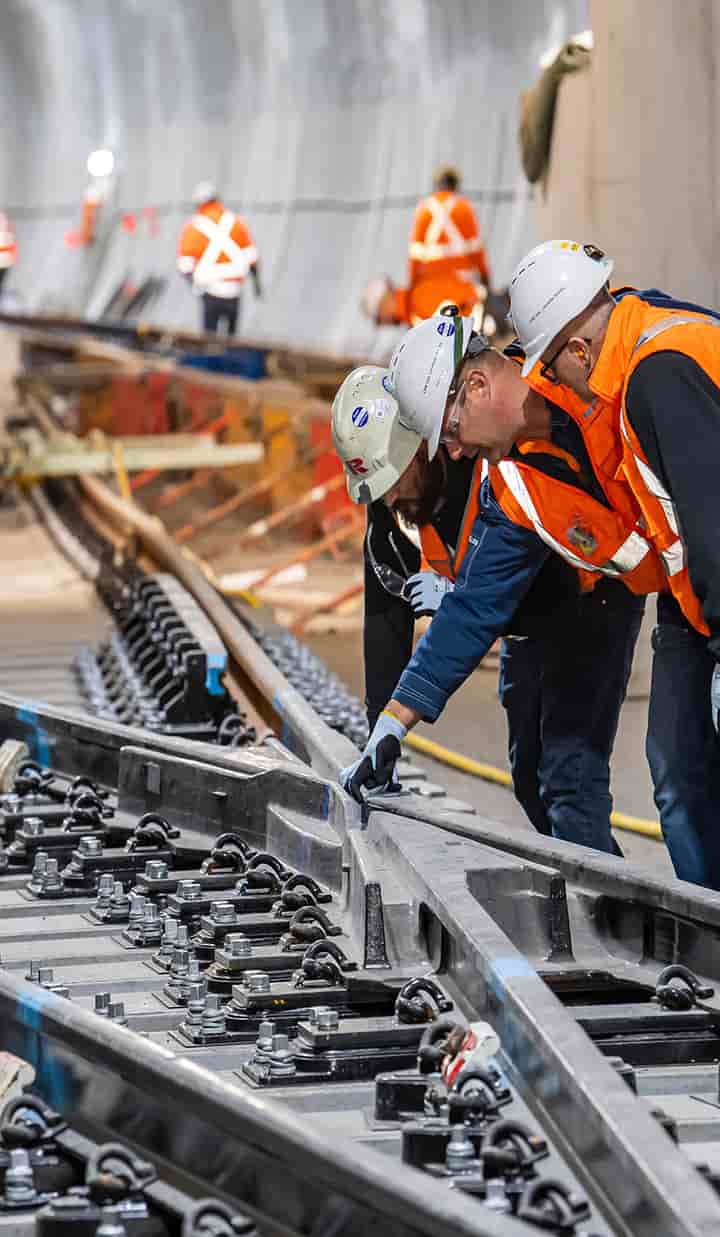
Major project management
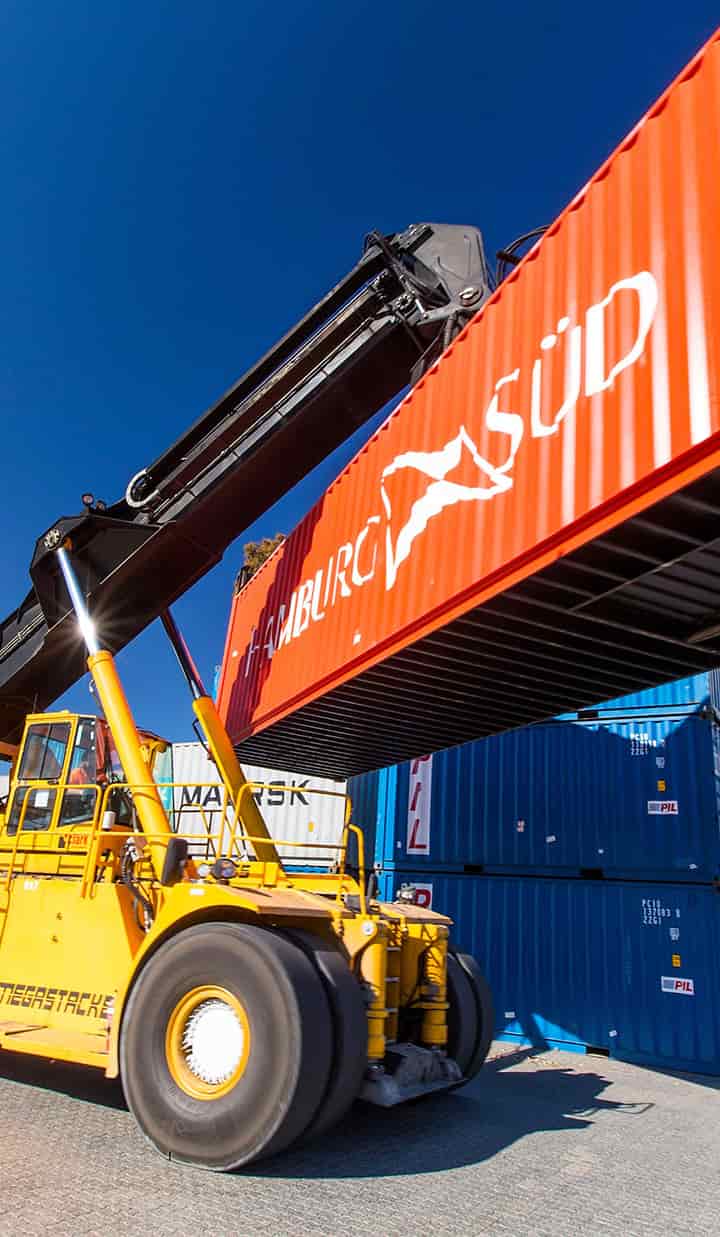
Freight and logistics
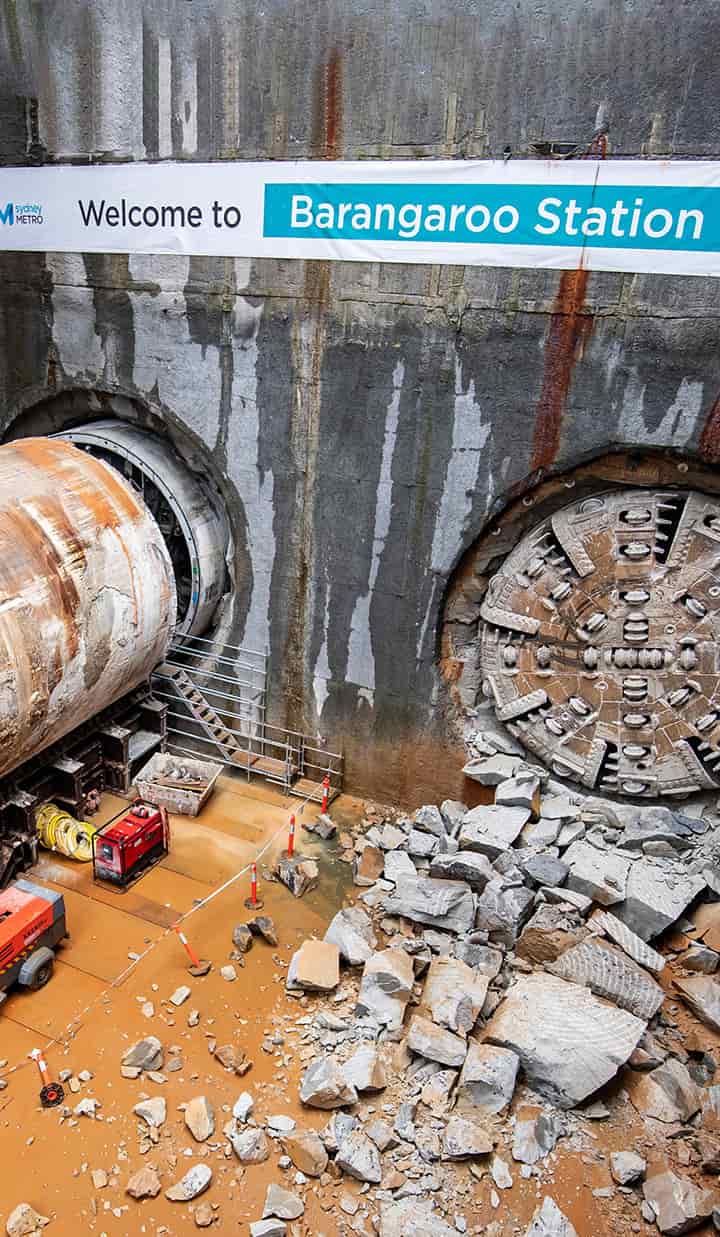
Transport engineering and technology
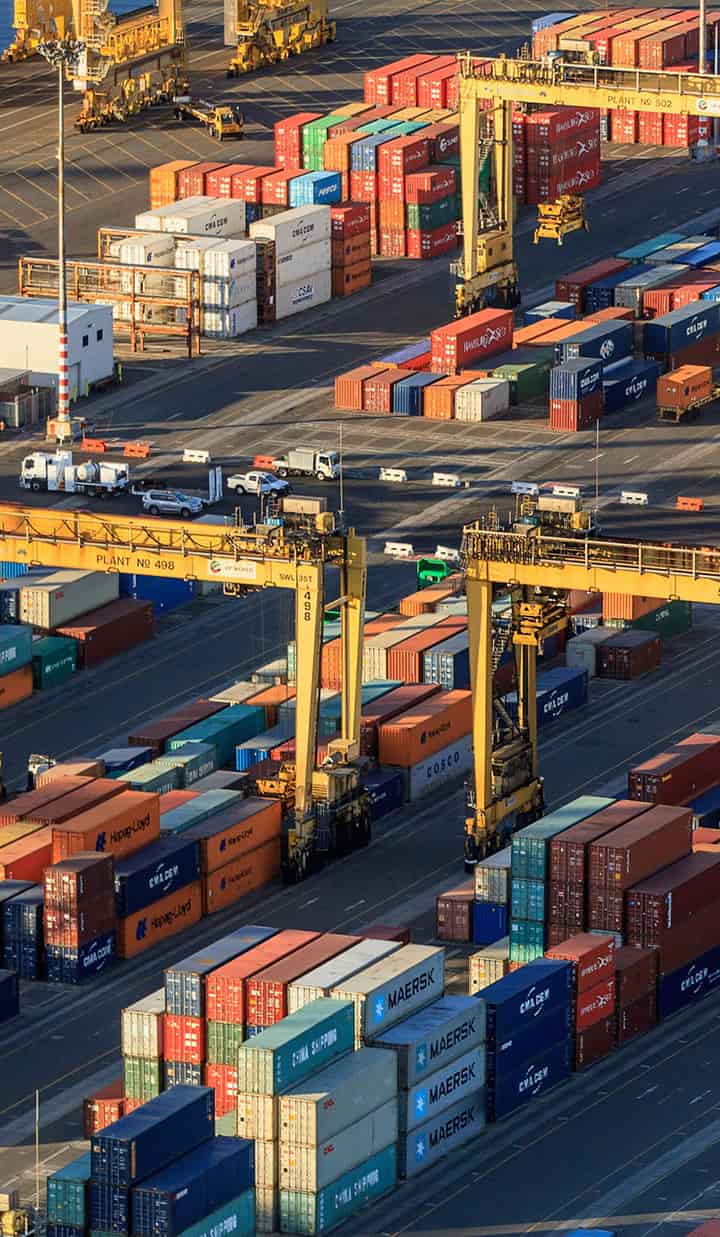
Maritime and port operations
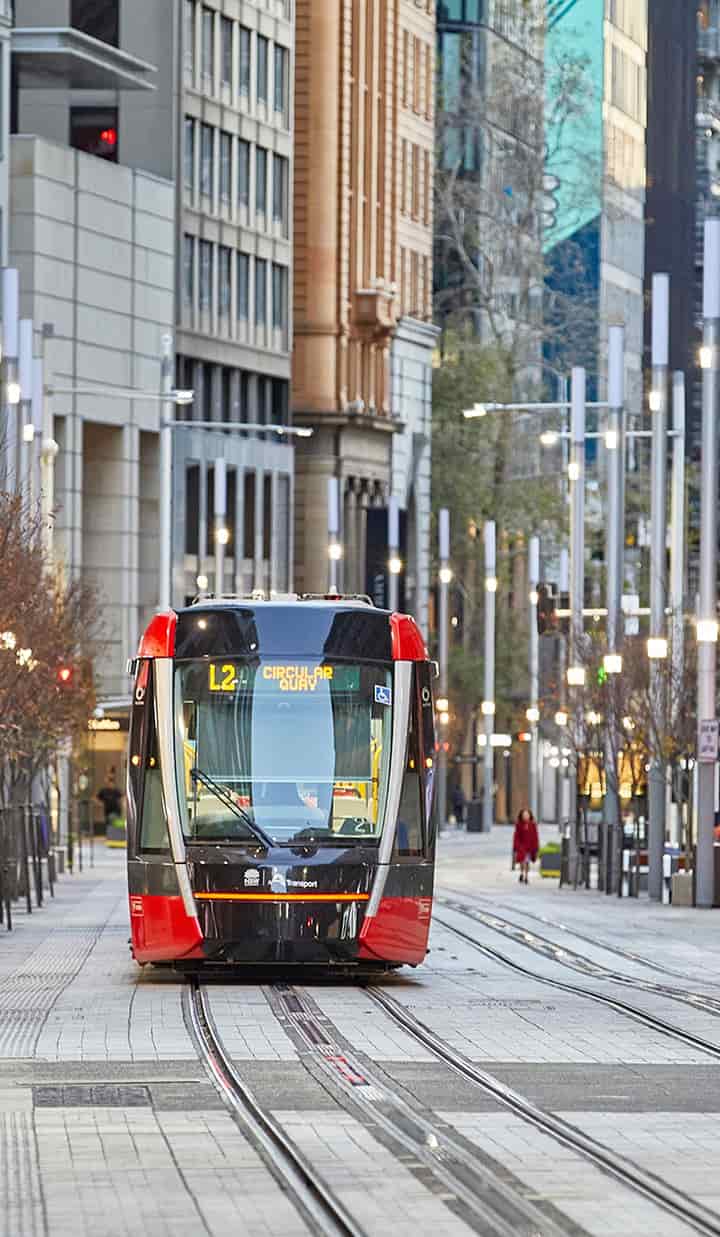
Rail systems and operations
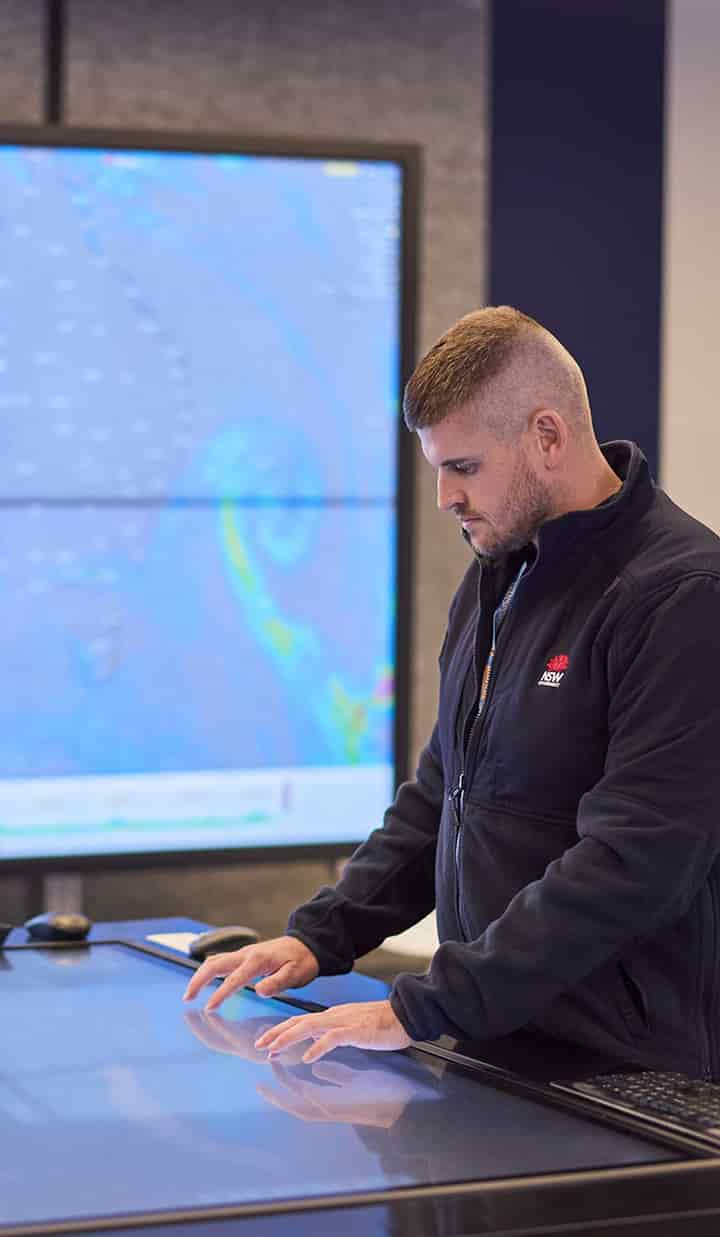
Road transport and safety

Future mobility and digital infrastructure
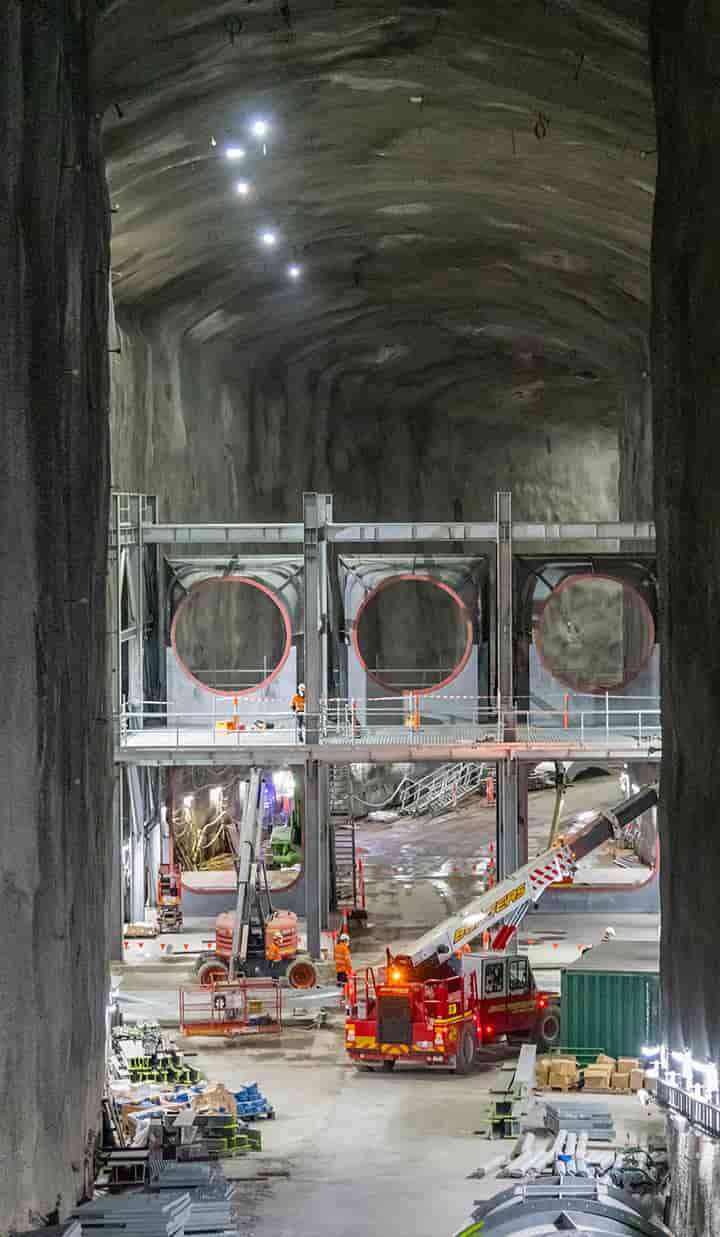
Construction and utilities infrastructure
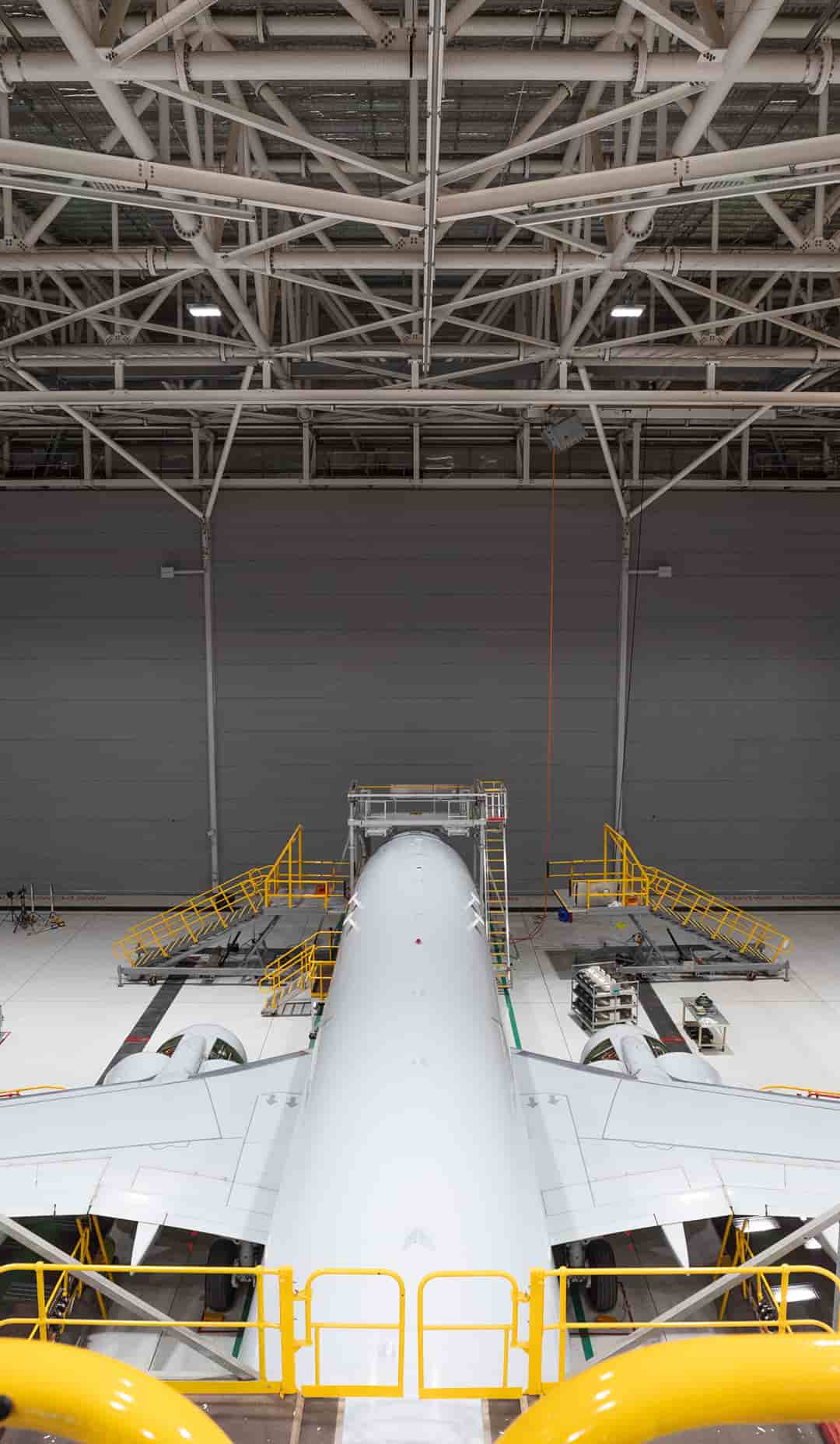
Aviation and airport management
The future of infrastructure and transport in Australia
The Australian Government believes transport infrastructure should help unlock a range of significant economic, social and environmental objectives. The three strategic themes are:
Productivity and resilience
Projects that are designed to improve mobility for citizens around cities, towns and regions and the movement of freight while being resilient to climate change and other disruptions.
Liveability
Projects that enhance transport safety, promote fairness for Indigenous Australians and vulnerable groups, and improve the prosperity, accessibility and liveability of our communities.
Sustainability
The government is rolling out a Net Zero Plan, with economy-wide national targets to cut emissions by 43% by 2030 and reach net zero by 2050. The transport and infrastructure sectors are contributing to these targets, including strategies to promote active transport, efficient freight, and the use of low-emission construction materials.
Key sector overviews
Australia's transport and logistics networks are vital to economic growth, moving goods across vast distances and connecting communities. Contributing significantly to Gross Domestic Product (GDP), this sector is modernising through innovation and technology, and is seeking world-class professionals to drive the future of freight, logistics, and sustainable transport solutions.
Click the cards for more information >
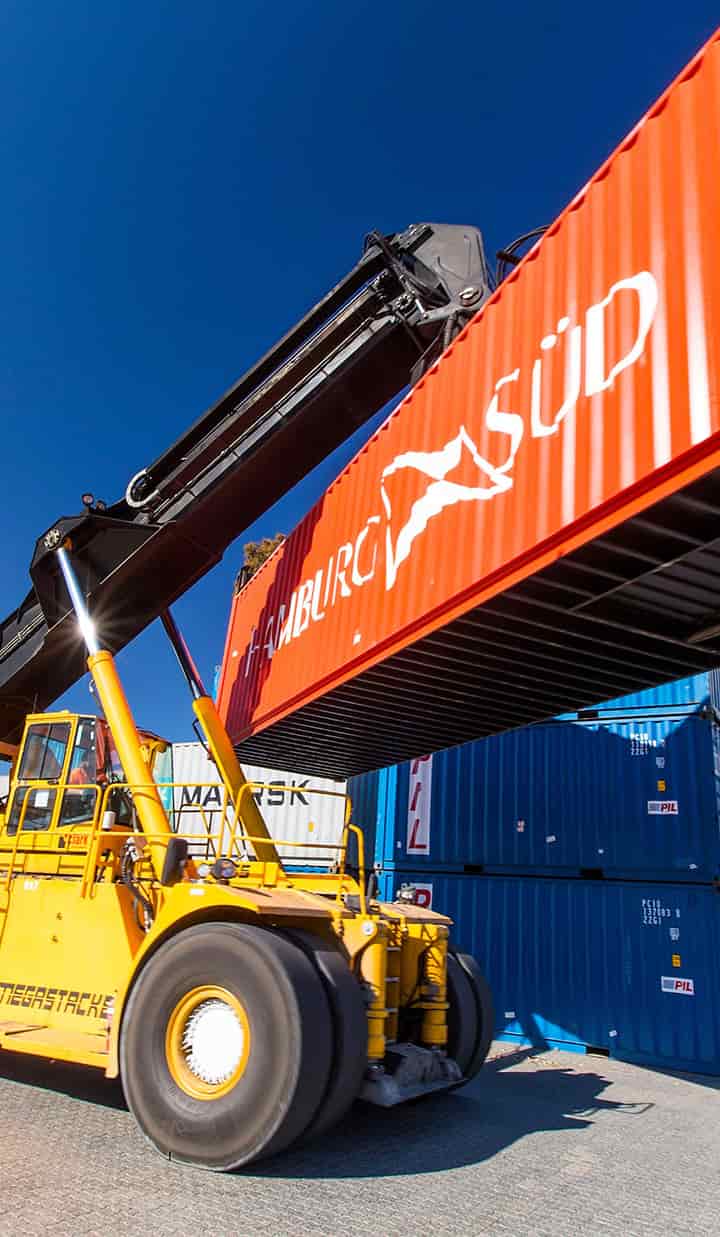
Freight and logistics
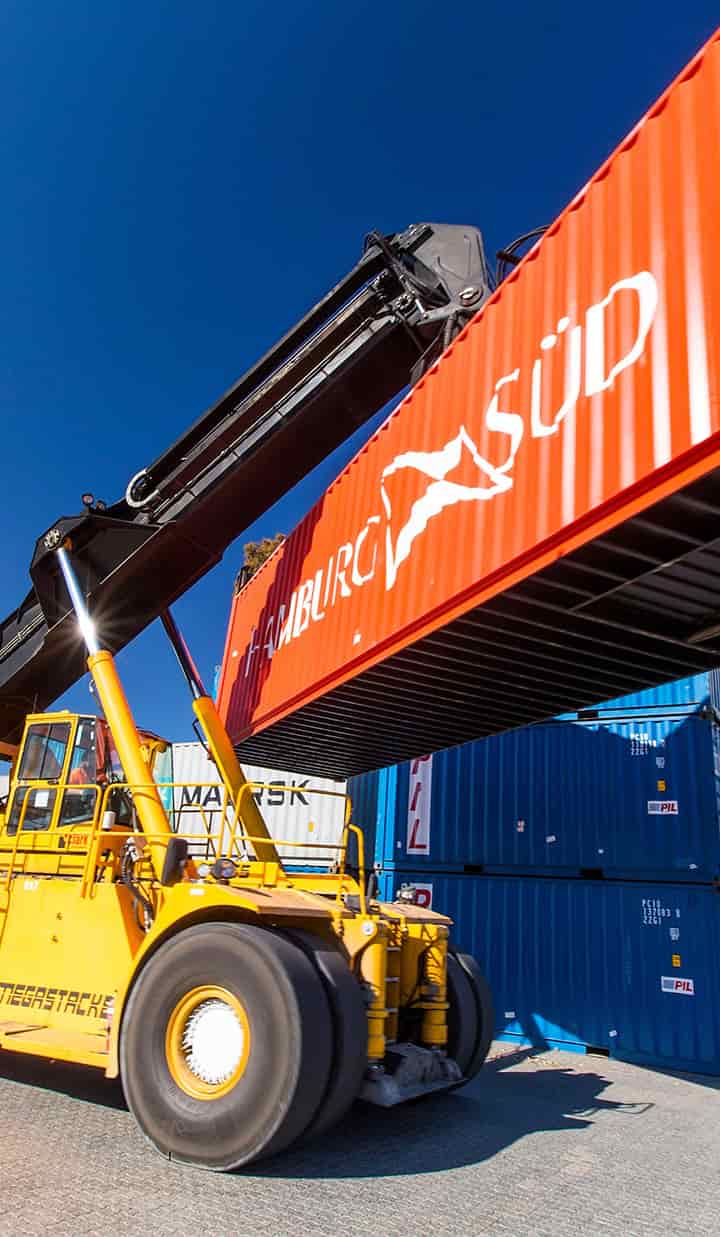
Contributing 8.6% to GDP, this sector is essential to the economy. The National Freight and Supply Chain Strategy ensures Australia’s supply chains are ready for the challenges of the next two decades.
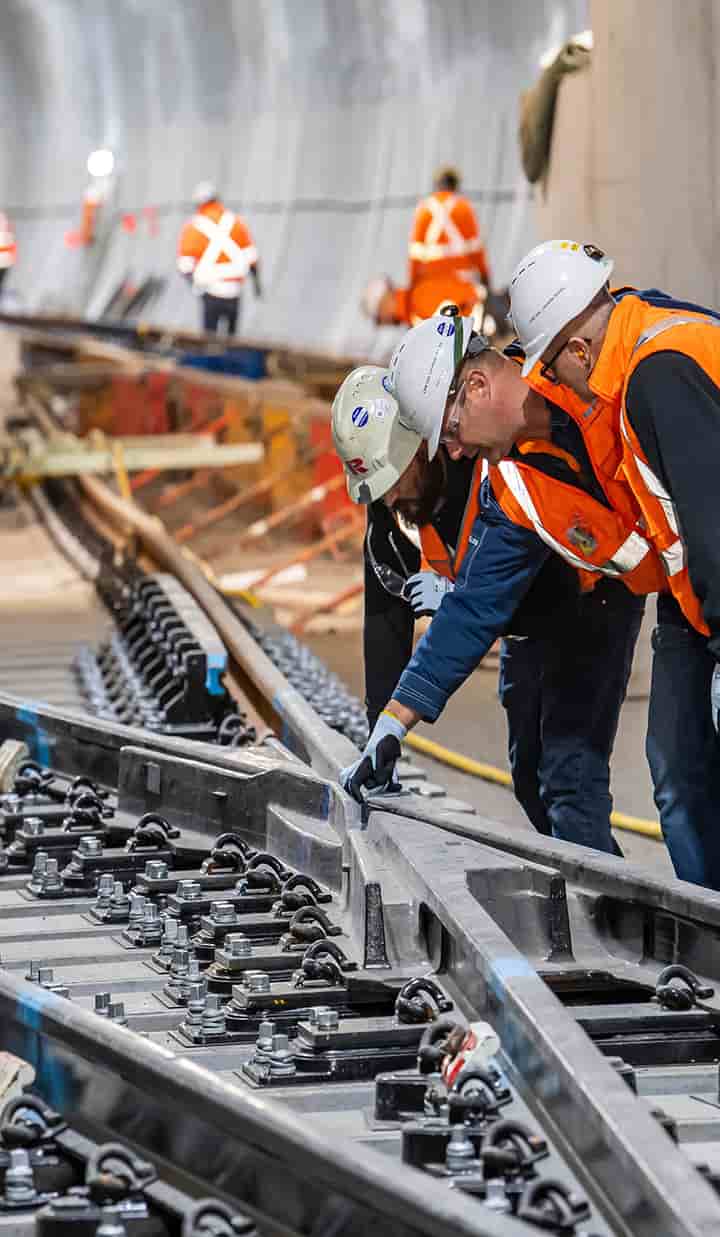
Rail system
Rail transports 57% of domestic freight, dominated by iron ore and coal. The Pilbara region stands out globally for its high-capacity, long-distance freight trains, while intermodal trains support cross-country logistics between the east and west coasts.

Maritime
With 99% of exports and much of the nation's domestic freight moved by sea, Australia’s maritime industry is supported by strong regulations that ensure efficiency, safety, and environmental responsibility.
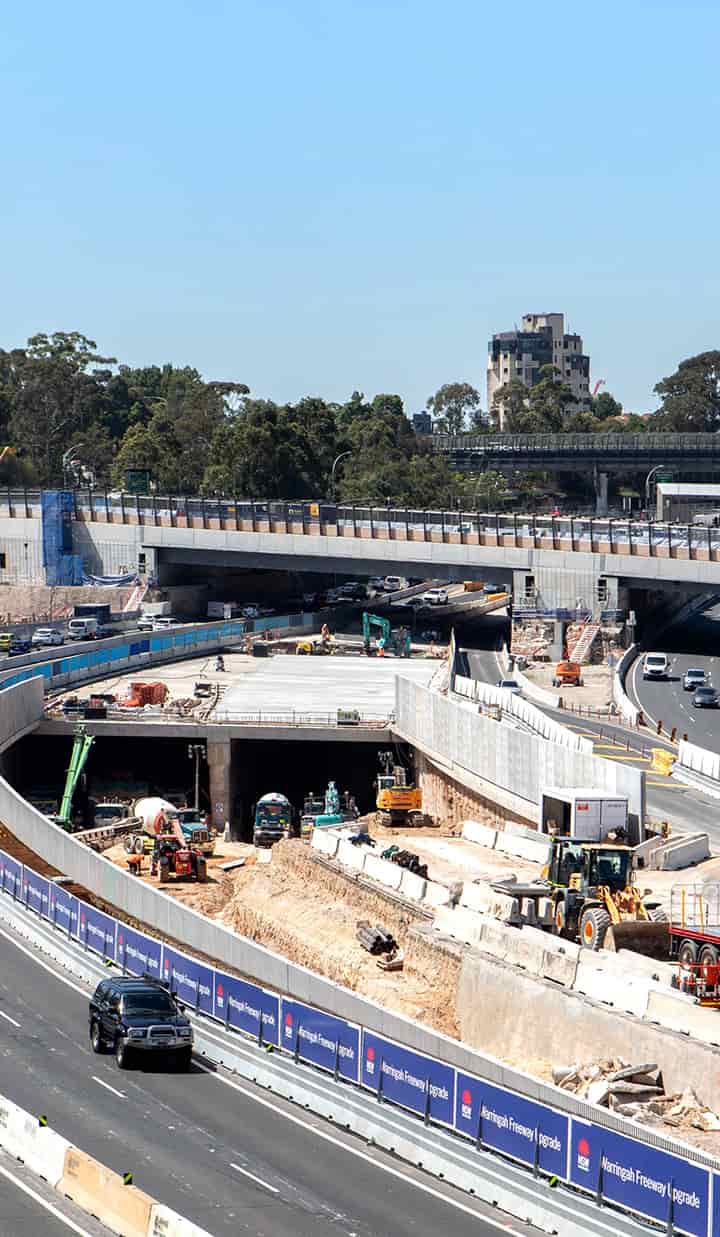
Road transport
Given Australia’s vast distances between population centres, road infrastructure is vital for economic strength and community connectivity.
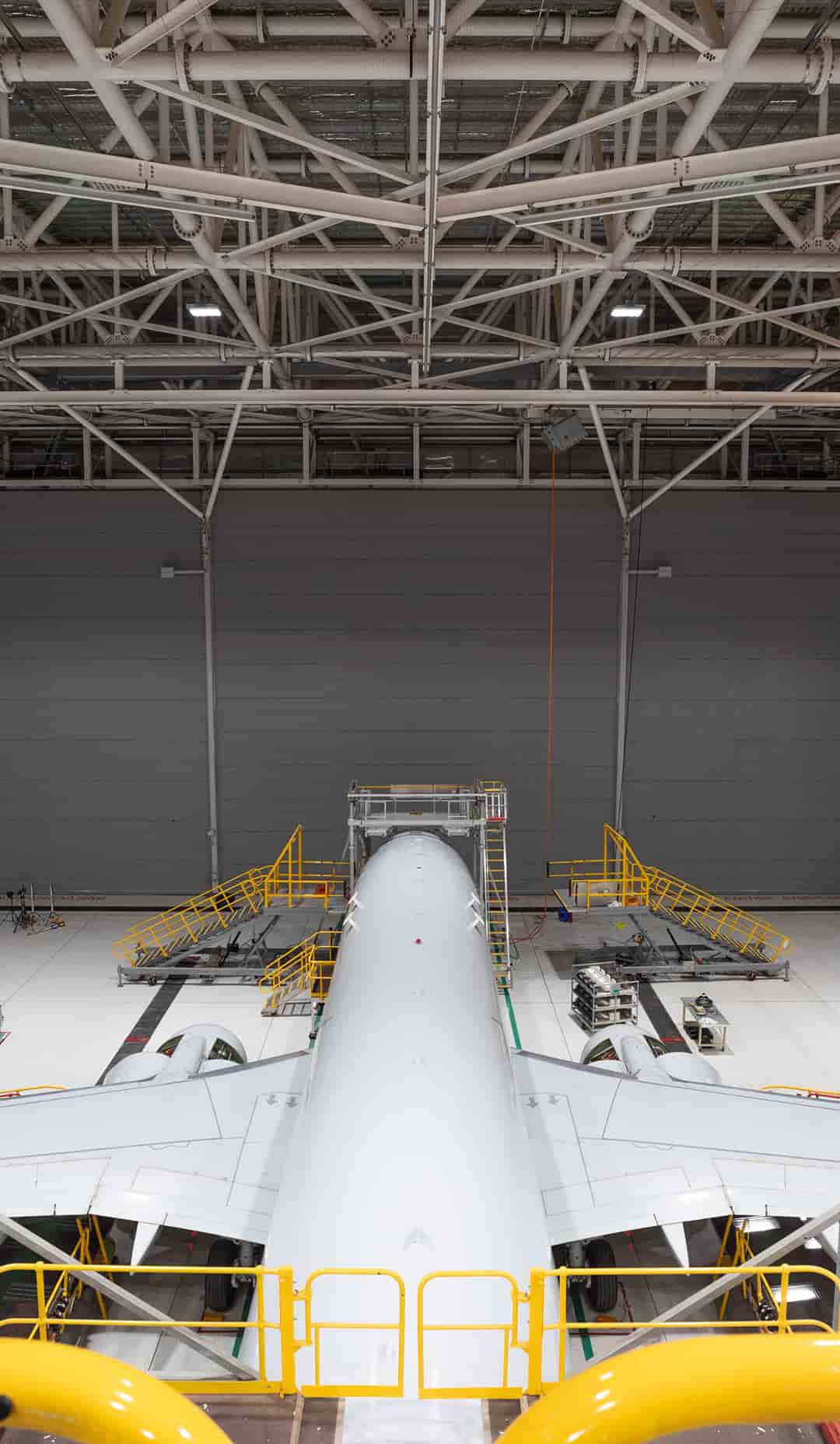
Aviation and airport management
Released on 26 August 2024, the Aviation White Paper—Towards 2050 sets out the government's vision for aviation towards 2050 and will deliver a range of initiatives to ensure a safe, competitive, productive and sustainable sector.
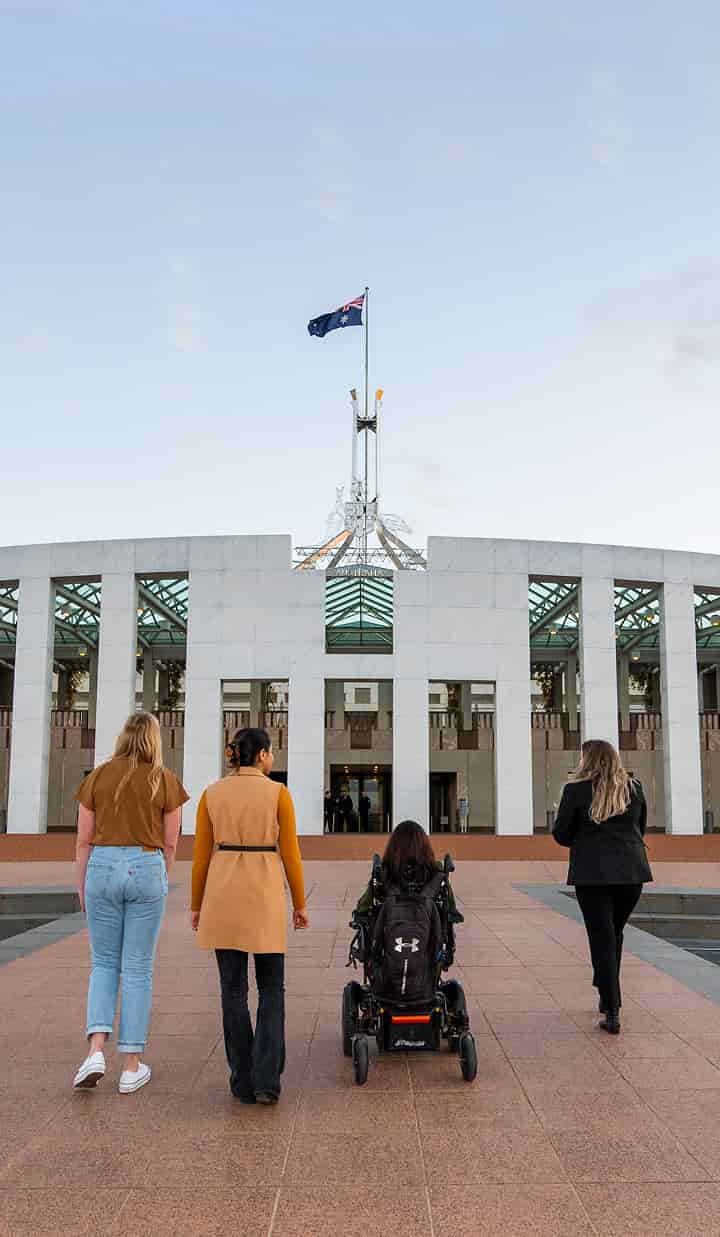
Disability Standards
To address the transport challenges faced by one in six Australians with disabilities, the government enforces standards to eliminate discrimination and improve public transport accessibility.
Research and development
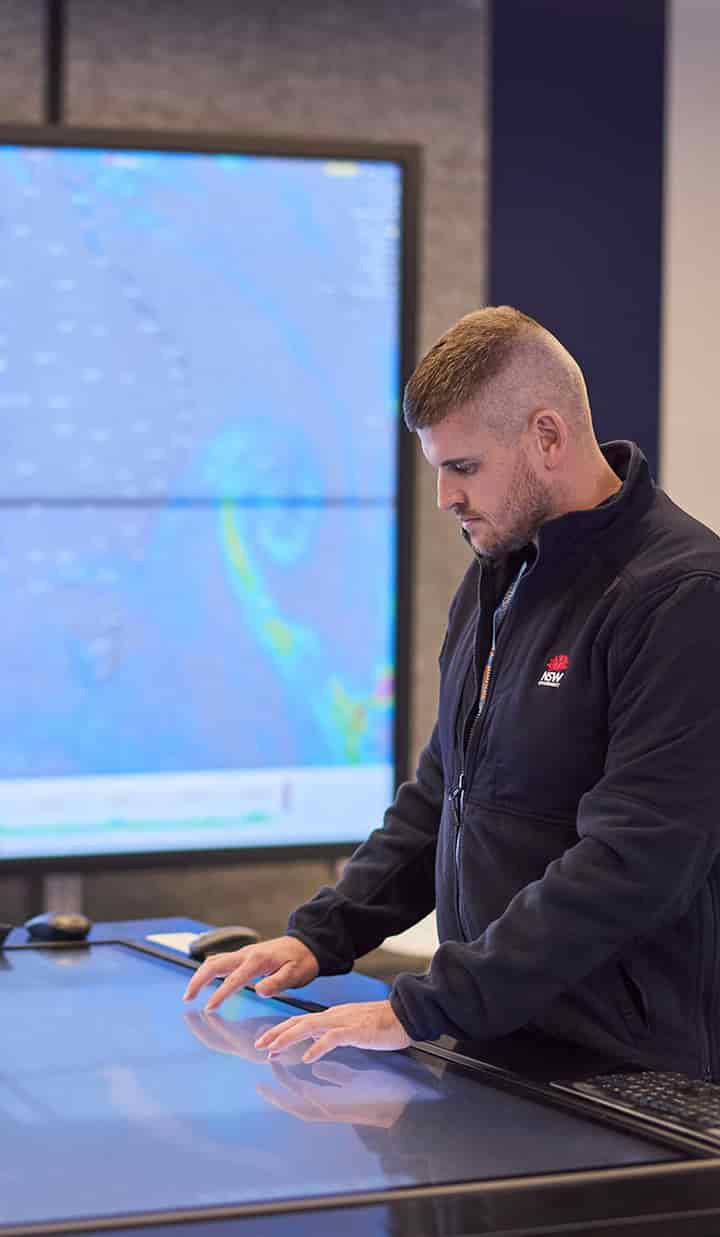
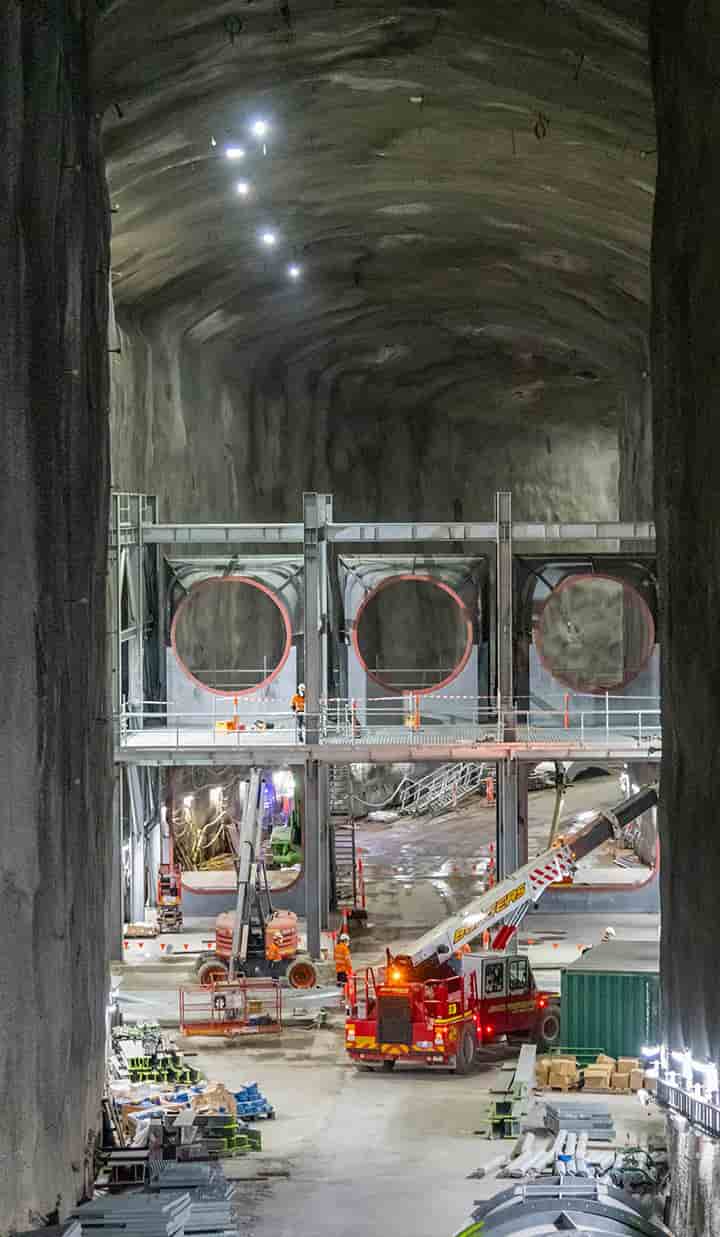
Australia has a major opportunity to service improvements across all infrastructure sectors by harnessing technology, innovation, and digital tools. This will improve productivity and efficiency across planning, delivery and operations.

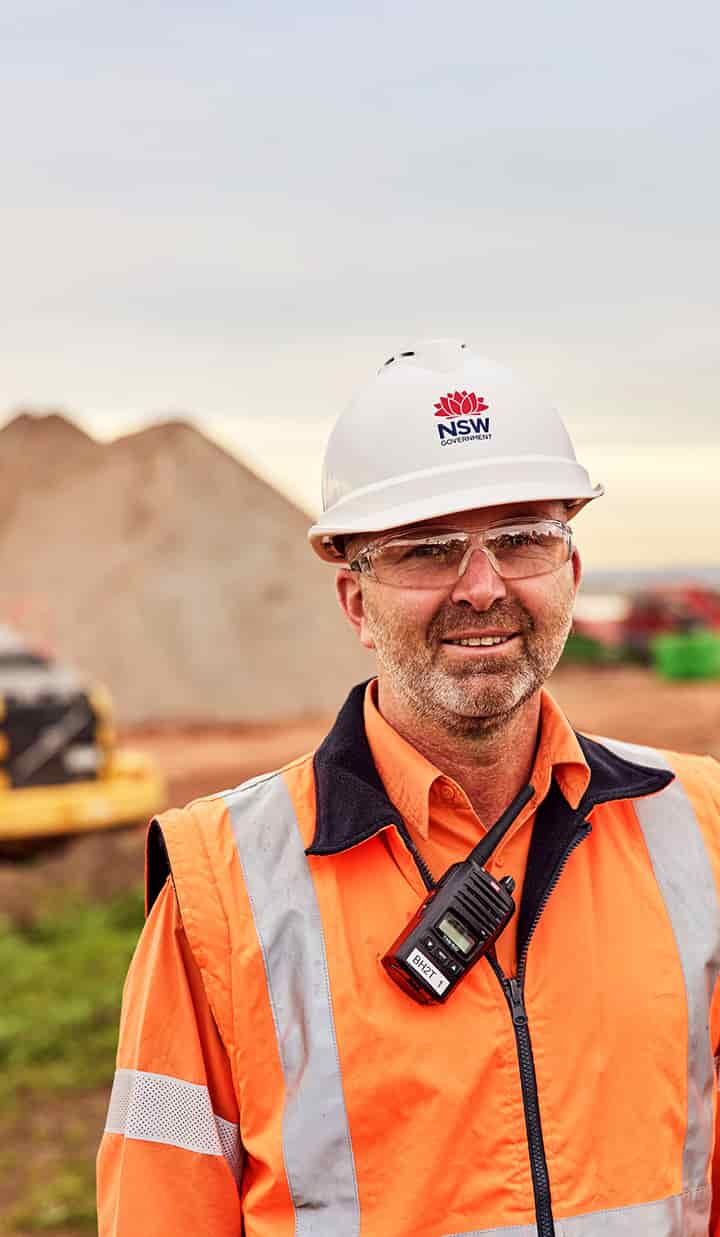

Global partnerships
The Department of Infrastructure, Transport, Regional Development, Communications, Sport and the Arts plays a key role in shaping Australia’s place in the global transport system. It works to support economic stability, open trade, and reduce regulatory burdens.
Its international goals include:
- influencing global agreements and standards to align with Australia’s interests and support safer, more sustainable, and efficient transport -
- learning from global best practices to improve Australia’s transport, infrastructure, and regional policies -
- meeting international obligations and contribute to Australian foreign policy and trade initiatives. -
Join us through the National Innovation visa and be part of Australia’s bright future in infrastructure and transport.
Entrepreneurialism and commercial growth
The Australian Government strives to ensure that infrastructure has the capacity and capability to deliver Australia’s record investment pipeline. A commercially viable and sustainable industry is vital for Australia’s social and economic wellbeing. Agencies are working closely to ensure productivity, innovation and sustainability across the sector.
Infrastructure Australia acts as the independent advisor to the Australian Government on matters related to nationally significant infrastructure investments. Their mission is to help drive a thriving and connected Australia through productive and sustainable infrastructure.


Investing in the future workforce
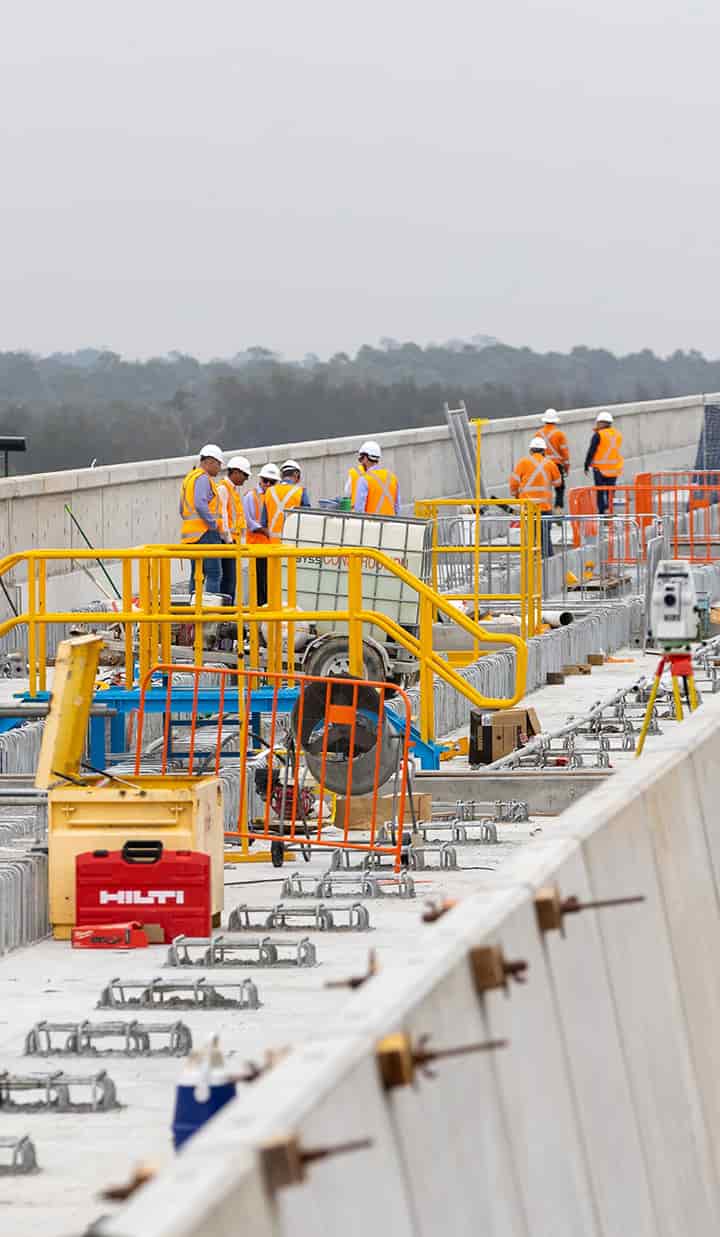
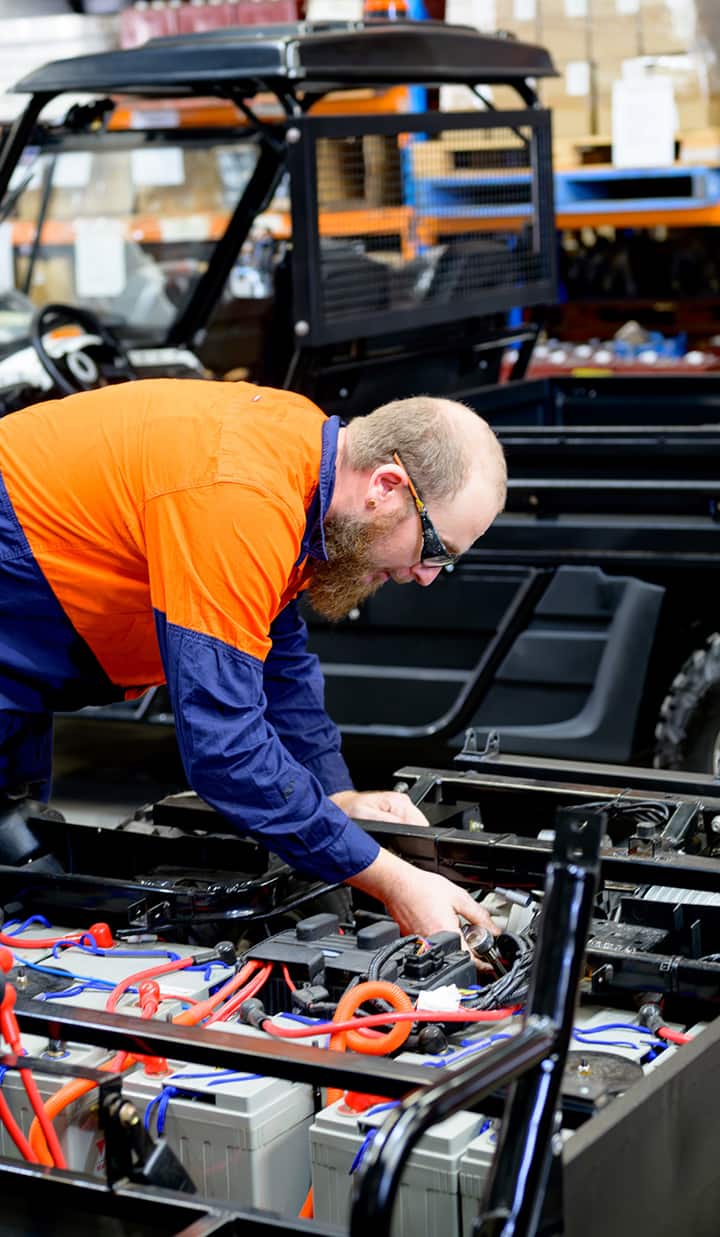
The National Construction Strategy for Land Transport Infrastructure (Strategy) is a collaboration between the Australian Government, states and territories, as well as industry, to boost productivity in the sector. The Strategy will also help attract and retain a more diverse workforce, including more women, to meet future industry needs.
With a sharp rise in infrastructure jobs expected, in part due to the shift to renewable energy, the government is focused on making sure the workforce is ready to meet growing demand over the next five years.
Further Reading
Explore the links below to learn more about Australia’s unique position and opportunities within the infrastructure and transport sector.
Infrastructure, Transport & Vehicles
Infrastructure Investment Program
Infrastructure Market Capacity 2024 Report
2024 Infrastructure Australia Annual Budget Statement
Infrastructure Policy Statement
Regional Strengths and Infrastructure Gaps
Your expertise, your future.
Make the smart move to Australia
Express your interest through the National Innovation Visa and be part of Australia’s bright future in infrastructure and transport.

I have much greater career development opportunities here, be it within my current firm or in other industries. The opportunities appear to be endless.
With the help of a recruiter, Myles Prime found a job in Australia as a structural engineer in the building sector specialising in multi-storey residential towers, educational buildings, warehouses, temporary works and condition assessments.
He enjoys the challenges of complex projects, saying the scale of development in and around Perth makes the future very exciting. He appreciates the management structures common in organisations in Australia that allow him to be involved in high-level business operations.
Myles has a degree in Civil Engineering from the University of Cape Town. In South Africa he worked for an engineering consultancy in the commercial construction sector.
Among the things Myles likes about life in Australia are being able to live close to work, easy access to the best public transport system he’s experienced and the relatively affordable cost of living. He also enjoys the work-life balance which allows him to spend time enjoying water sports and being outdoors.
Myles Prime from South Africa
Common Questions
Where is the best place to live in Australia for professionals in infrastructure and transport?
Australia is undergoing a major infrastructure transformation, with significant investment in transport, smart cities, and sustainable development. Professionals in civil engineering, transport planning, logistics, and infrastructure policy will find strong opportunities in the following locations:
- Melbourne (VIC) – Ranked #1 in Australia for infrastructure and liveability, Melbourne boasts a world-class transport network, major infrastructure projects, and a strong pipeline of public and private investment. It’s a hub for smart city innovation, rail and road upgrades, and sustainable urban development.
- Sydney (NSW) – Home to major infrastructure projects like Sydney Metro and Western Sydney Airport, Sydney offers opportunities in urban transport, logistics, and civil engineering. It’s also a centre for infrastructure policy and public-private partnerships.
- Brisbane (QLD) – A growing centre for transport infrastructure, including Cross River Rail and major road upgrades. Brisbane is also preparing for the 2032 Olympics, which is driving investment in sustainable and accessible transport.
- Adelaide (SA) – Known for its integrated transport planning and smart mobility initiatives, Adelaide is investing in light rail, road safety, and freight infrastructure.
- Canberra (ACT) – Ideal for professionals in infrastructure policy, planning, and national transport strategy, with close ties to federal agencies and research institutions.
Key regional hubs include:
- Newcastle and Wollongong (NSW) – Benefiting from port upgrades, freight corridors, and regional rail improvements.
- Geelong and Ballarat (VIC) – Key centres for regional transport planning and infrastructure delivery, with strong links to Melbourne’s growth corridors.
- Townsville and Cairns (QLD) – Strategic hubs for northern Australia’s logistics, road, and airport infrastructure.
- Launceston and Hobart (TAS) – Investing in sustainable transport, port infrastructure, and regional connectivity.
- Darwin (NT) – A gateway for defence and logistics infrastructure, with growing investment in road, port, and airport upgrades.
Choice may depend on your specialisation, lifestyle preferences, or visa pathway.
What benefits can I expect working in Australia?
Australia offers competitive salaries, strong workplace protections, opportunities for career growth, and access to professional development and training.
Explore your career pathway to discover even more opportunities and take the next step in your professional journey.
Are my skills in demand in Australia?
Many professions across industries like health, technology, construction, and education are in high demand due to Australia’s growing economy and national priorities. Checking the skilled occupation lists can help you understand where your skills fit.
Explore career pathways to find the best opportunities that match your skills.
Do women have equal chances to advance in the workplace?
According to the World Economic Forum Global Gender Gap Report 2025, Australia ranks 2nd in our region for gender equality, and first equal amongst professional and technical workers. Research from the Workplace Gender Equality Agency found that 90% of Australian employers have a policy or strategy to support gender equality in the workplace, including in workforce composition and parental leave.
Australia was the first country in the modern world to give women the right to vote and stand for election to a national parliament. The Australian Government is committed to gender equality and is working towards increasing the number of women in visible leadership and decision making positions, because we know when this happens our whole society benefits.
Does Australia provide subsidised childcare?
Australia has a child care subsidy that is available to working parents. Find out more