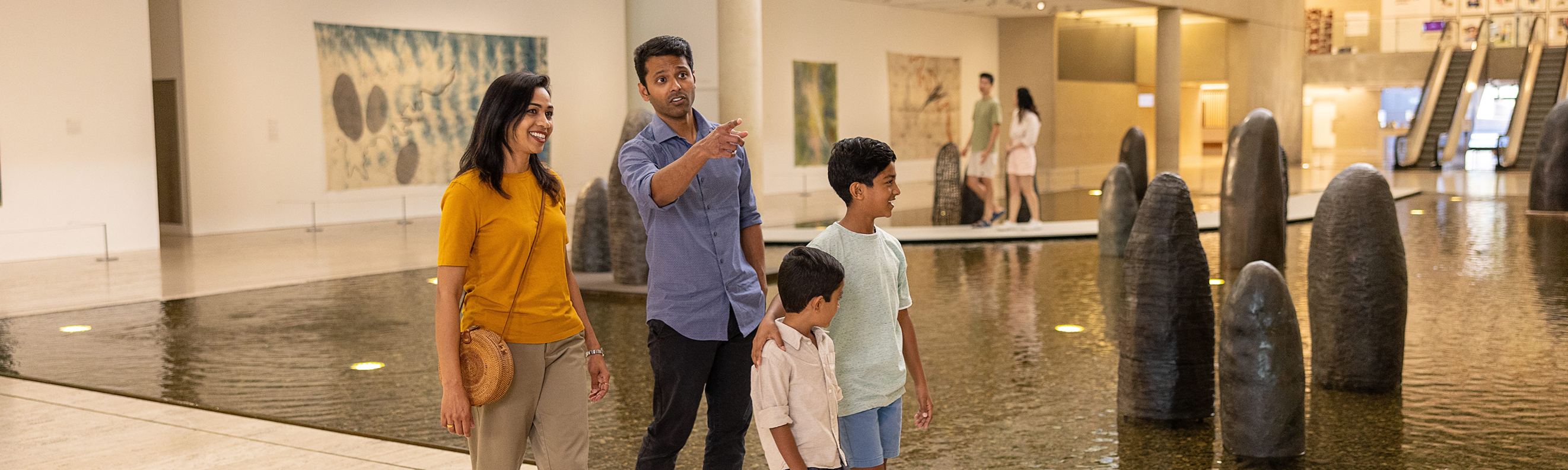
Multicultural
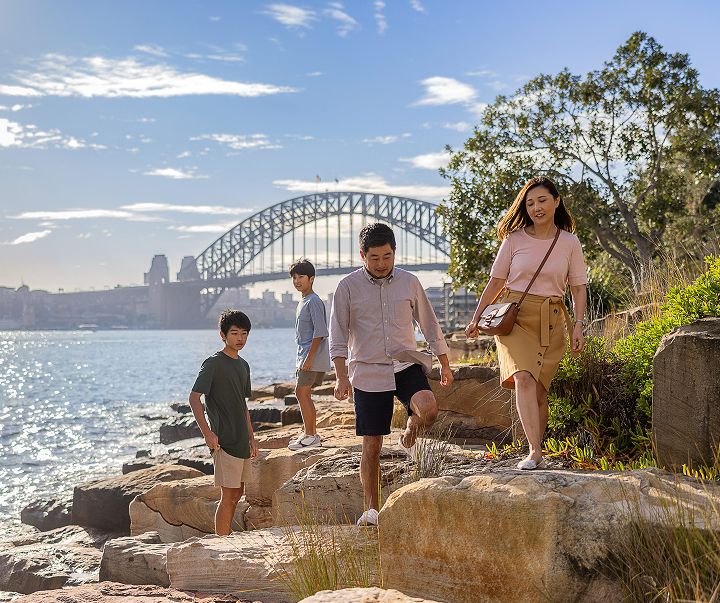
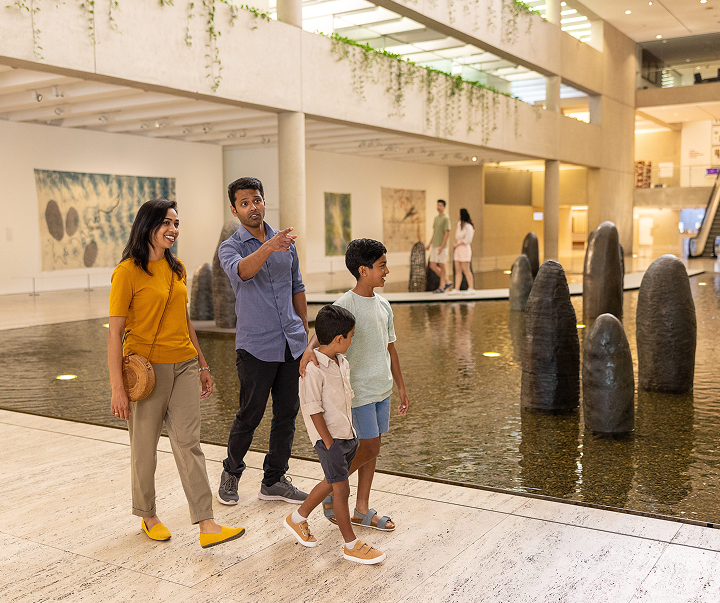
Australia is one of the most culturally diverse and socially inclusive nations in the world. With strong migration roots and the world’s oldest continuous cultures, our communities are built on respect, connection, belonging and opportunity - no matter your background. Our success as a modern multicultural nation is underwritten by our respect for individual freedoms and equality of opportunity for all.
Home to the world’s oldest continuous living culture
Australia is home to Aboriginal and Torres Strait Islander peoples - First Nations Australians who have lived on this land for more than 65,000 years. As Traditional Owners of Country, they maintain deep cultural, spiritual and ecological connections to land and sea. Governments across the country work with Indigenous communities on truth-telling, preservation and reconciliation.
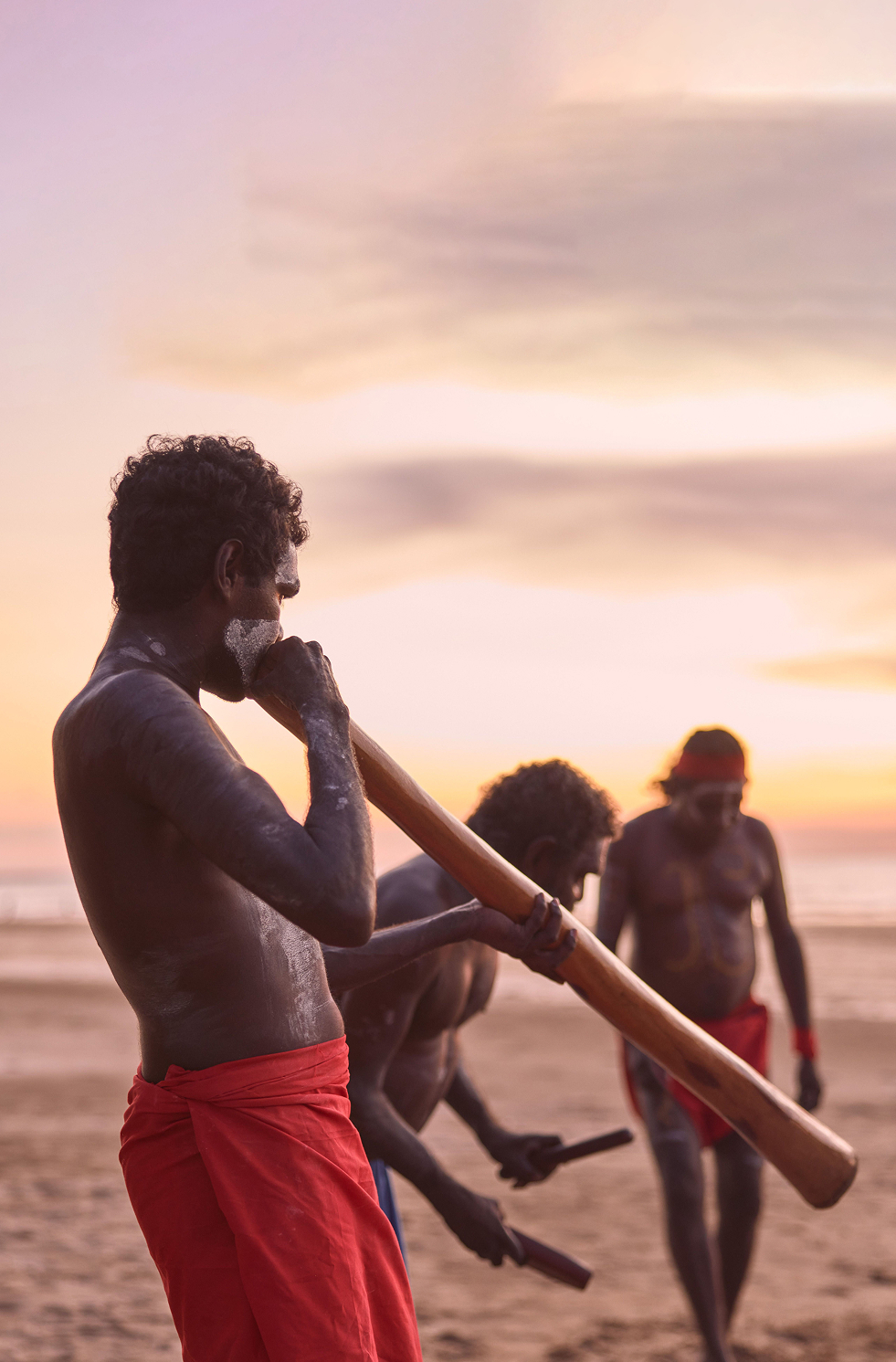
Indigenous performers with didgeridoo and clapsticks sharing dance and stories at sunset, Casuarina Coastal Reserve, Darwin
Ever wondered what 65,000 years of culture looks like?
Discover the stories, skills, and spirit of the world’s oldest living culture.
Ever wondered what 65,000 years of culture looks like?
Discover the stories, skills, and spirit of the world’s oldest living culture.
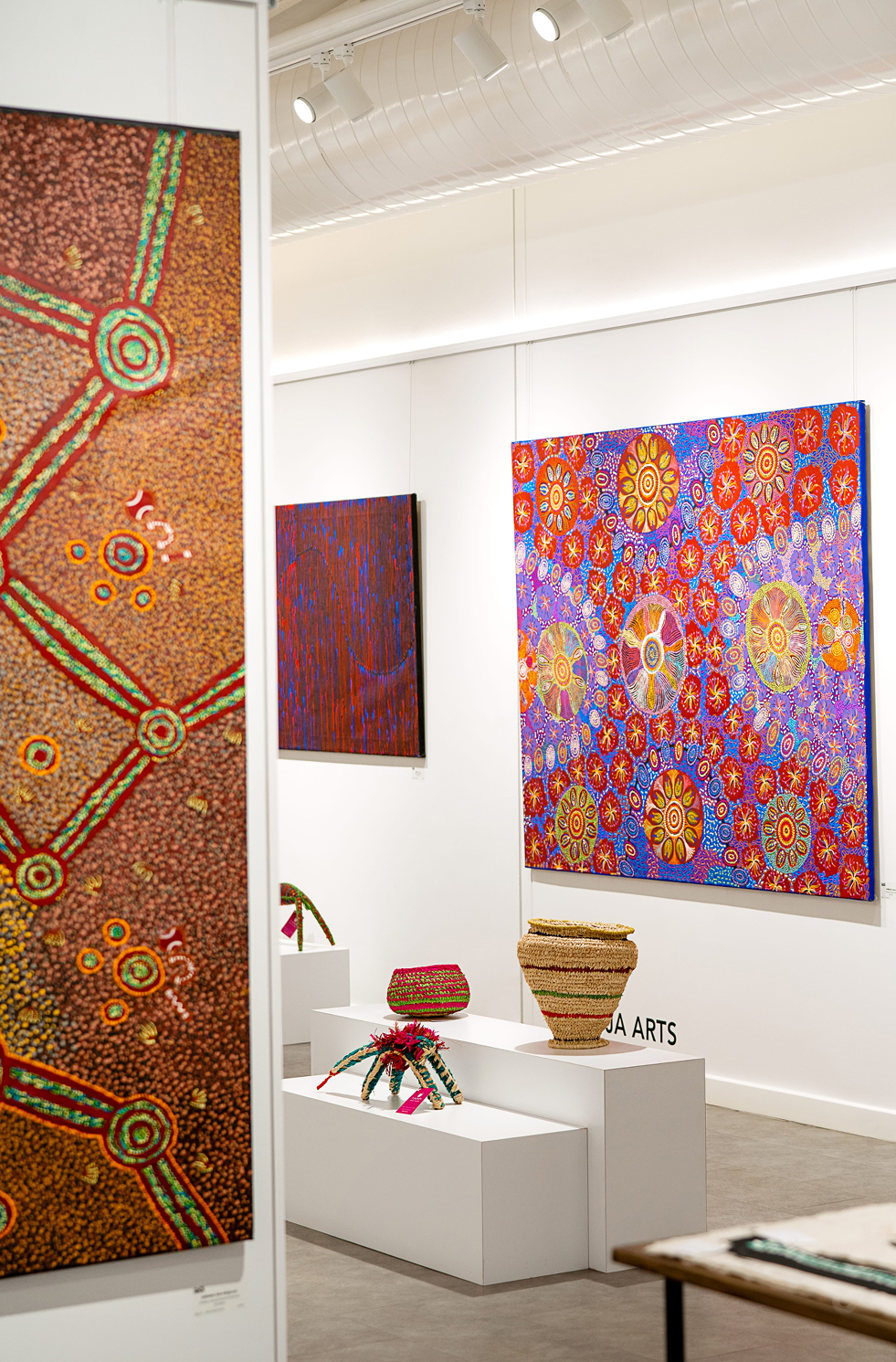
Gallery of Central Australia displaying Anangu artworks at the gateway to Uluru-Kata Tjuta National Park
Ever wondered what 65,000 years of culture looks like?
Discover the stories, skills, and spirit of the world’s oldest living culture.
Ever wondered what 65,000 years of culture looks like?
Discover the stories, skills, and spirit of the world’s oldest living culture.
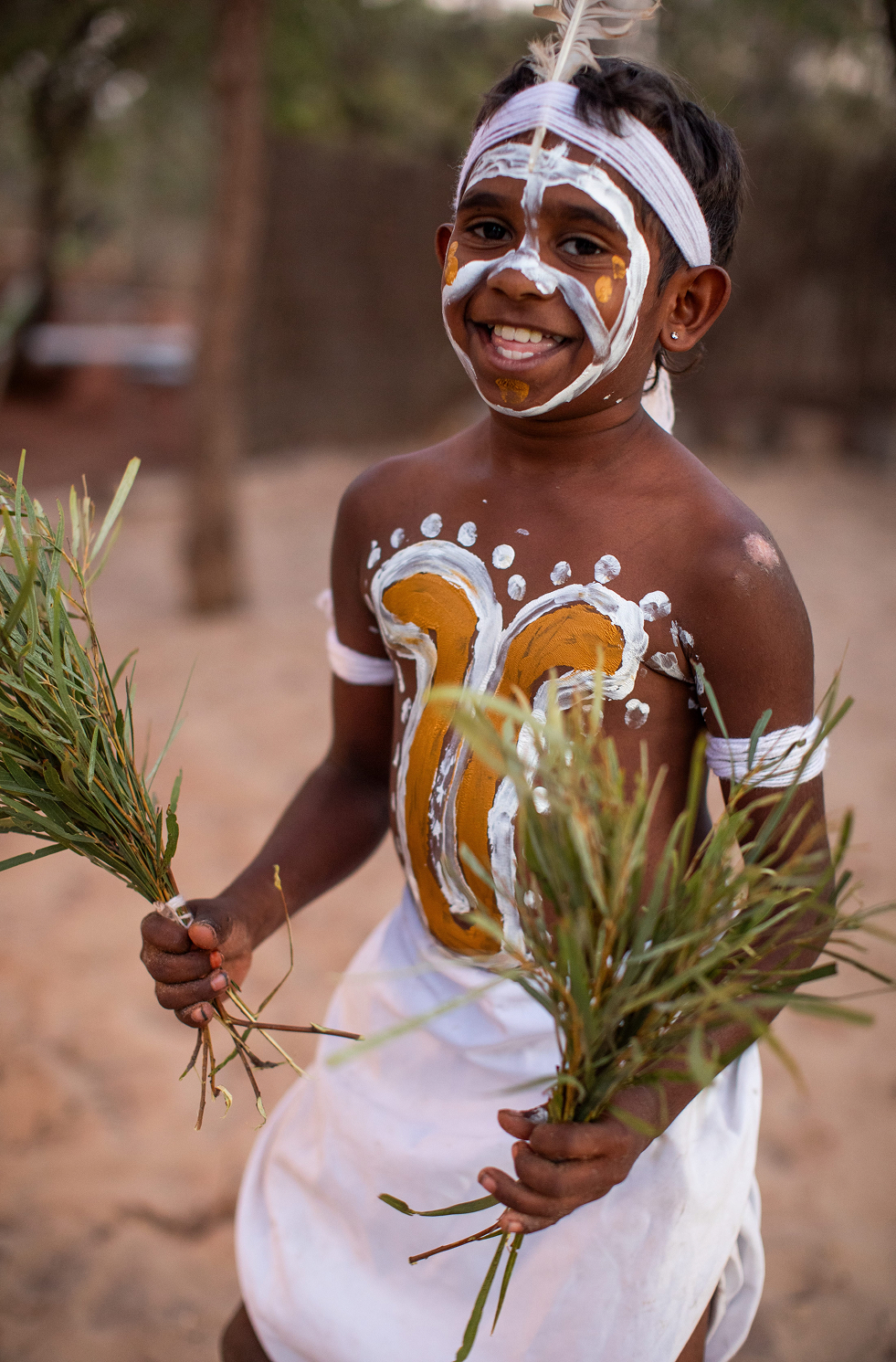
Indigenous boy with face and body paint dancing on Cable Beach, Broome
Ever wondered what 65,000 years of culture looks like?
Discover the stories, skills, and spirit of the world’s oldest living culture.
Ever wondered what 65,000 years of culture looks like?
Discover the stories, skills, and spirit of the world’s oldest living culture.
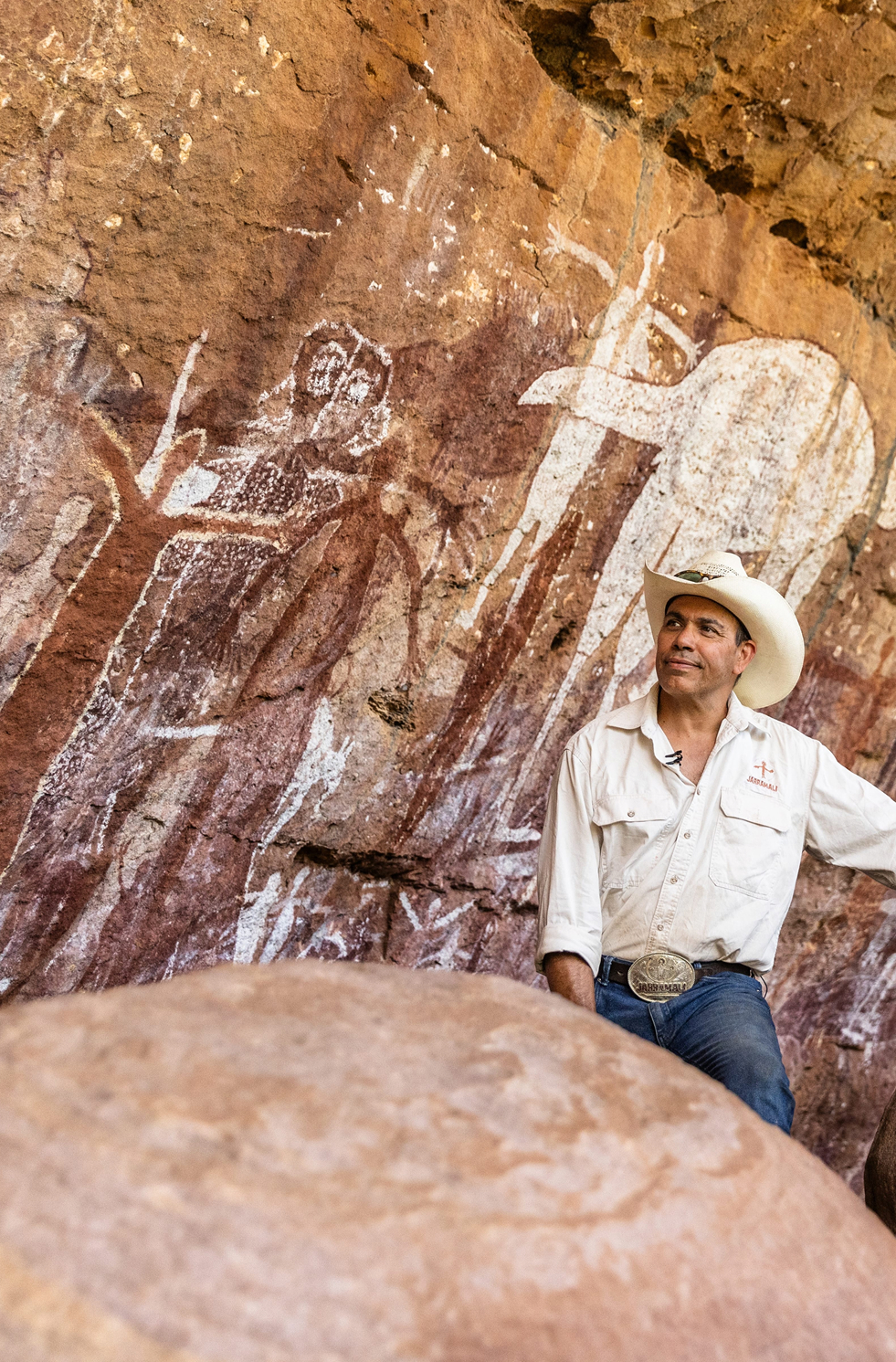
Indigenous man next to ancient cave art at Laura, Cook
Ever wondered what 65,000 years of culture looks like?
Discover the stories, skills, and spirit of the world’s oldest living culture.
Ever wondered what 65,000 years of culture looks like?
Discover the stories, skills, and spirit of the world’s oldest living culture.
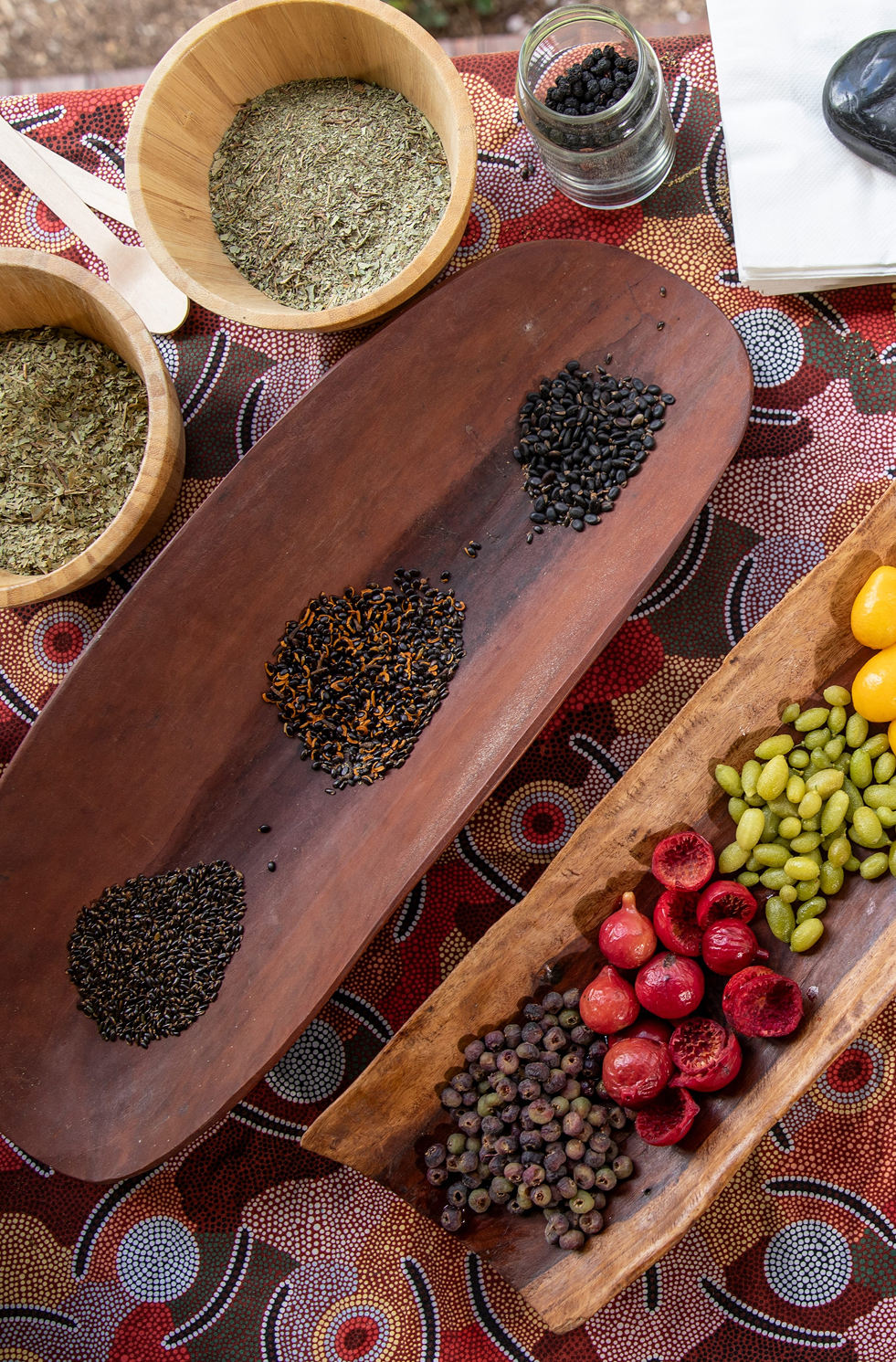
Native bush tucker assortment
Ever wondered what 65,000 years of culture looks like?
Discover the stories, skills, and spirit of the world’s oldest living culture.
Ever wondered what 65,000 years of culture looks like?
Discover the stories, skills, and spirit of the world’s oldest living culture.
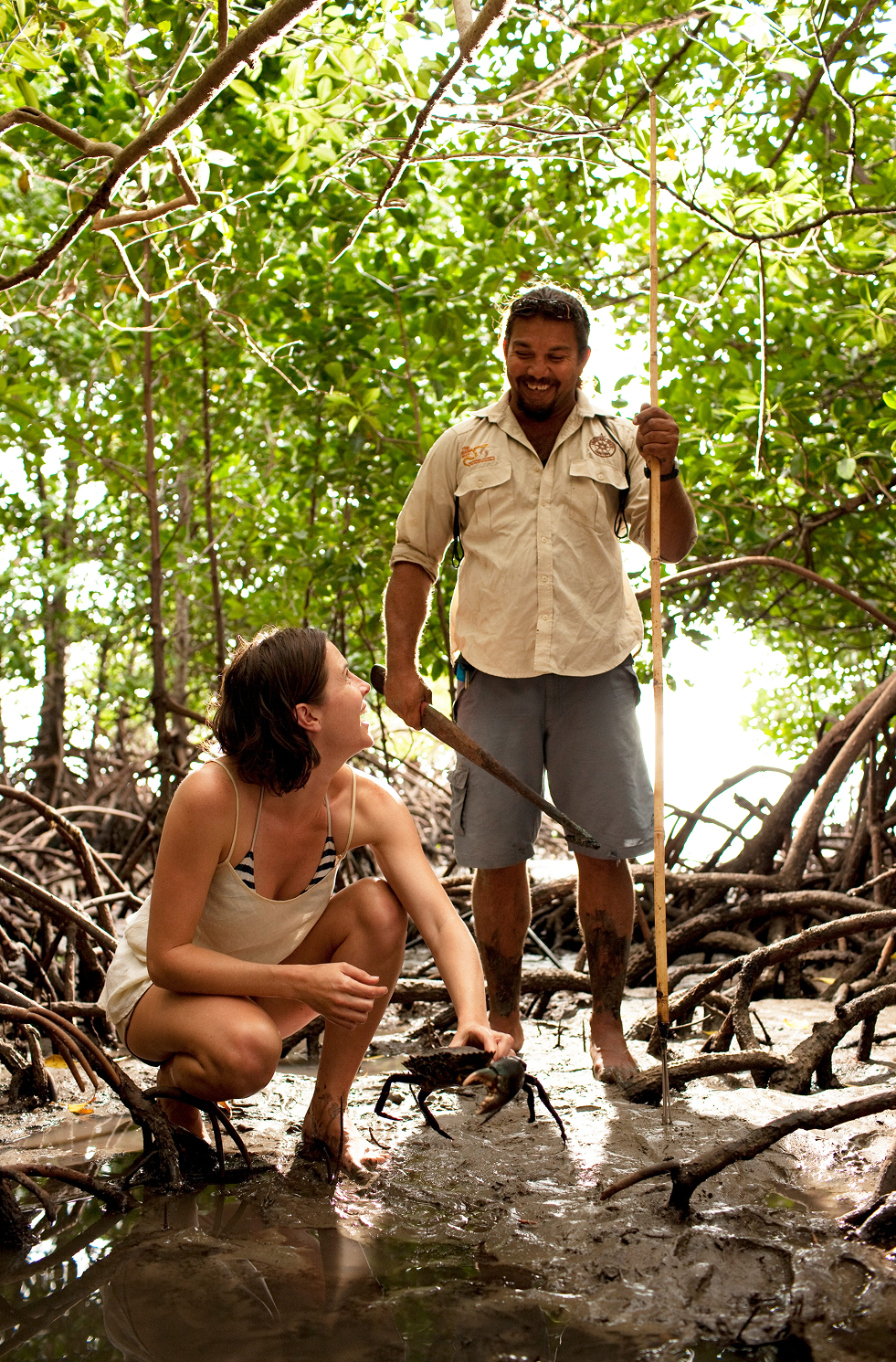
Kuku Yalanji man with spear catching mud crab in the Daintree, Tropical North Queensland
Ever wondered what 65,000 years of culture looks like?
Discover the stories, skills, and spirit of the world’s oldest living culture.
Ever wondered what 65,000 years of culture looks like?
Discover the stories, skills, and spirit of the world’s oldest living culture.
A nation built by migration
Since 1945, more than 7.5 million people have moved to Australia to build a better life. Migration is an important part of growing Australia’s national diversity and prosperity. This includes attracting the skills Australia needs to build the nation, particularly in critical areas like healthcare, the net zero transition, and the digital economy. As part of the 2023–24 Migration Program, Australia welcomed 190,000 permanent migrants - bringing new ideas, skills and traditions to every corner of the country.
A proudly diverse and inclusive society, strong in unity
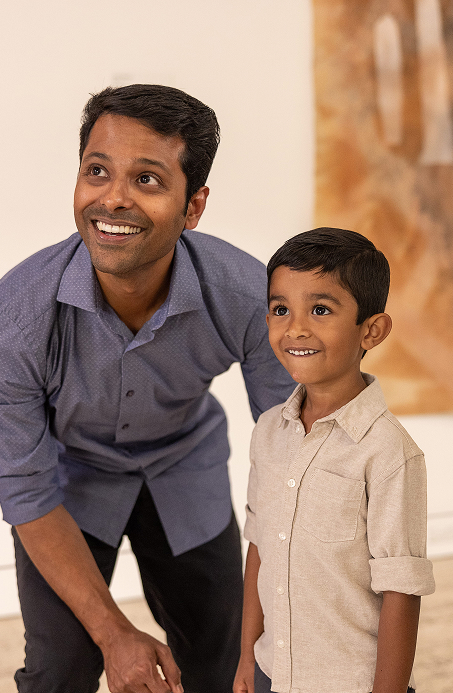
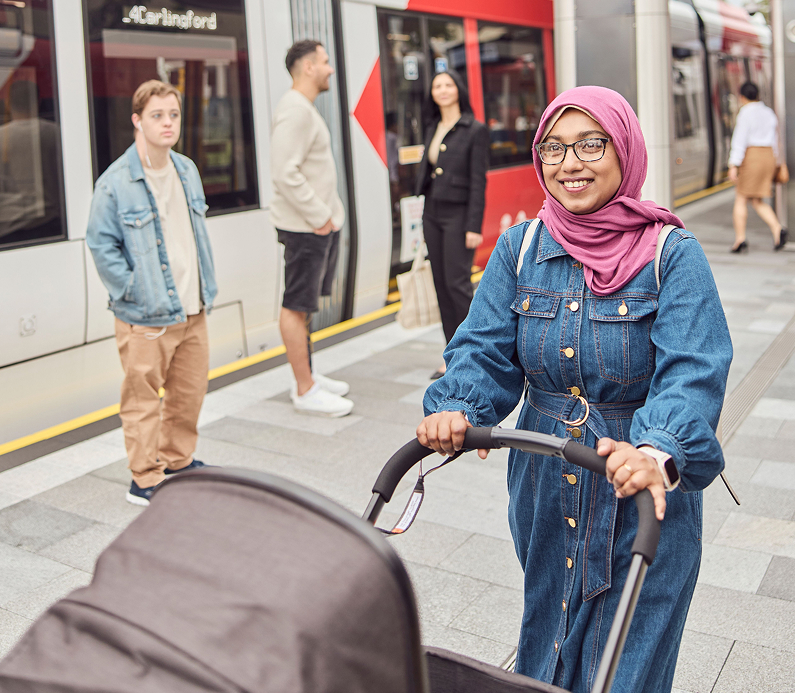
Australia is proudly multicultural. Our modern multicultural diversity is central to our identity and a source of national strength and vitality. As well as being home to the world’s oldest continuous culture, Australia has welcomed people from more than 300 ancestries. Government policy supports equity, participation, inclusion, cultural expression and community engagement, making it easier for new arrivals to feel connected from the moment they land.
The Multicultural Access and Equity Policy (the policy) acknowledges that Australia is a multicultural nation and that there is an obligation on Australian Government departments and agencies to ensure their programs and services are accessible by all Australians, responsive to their needs, and deliver equitable outcomes for them, regardless of their cultural and linguistic backgrounds.
The policy does not extend Indigenous Australians and people with disability. The distinct needs of these and other groups are addressed through separate initiatives.
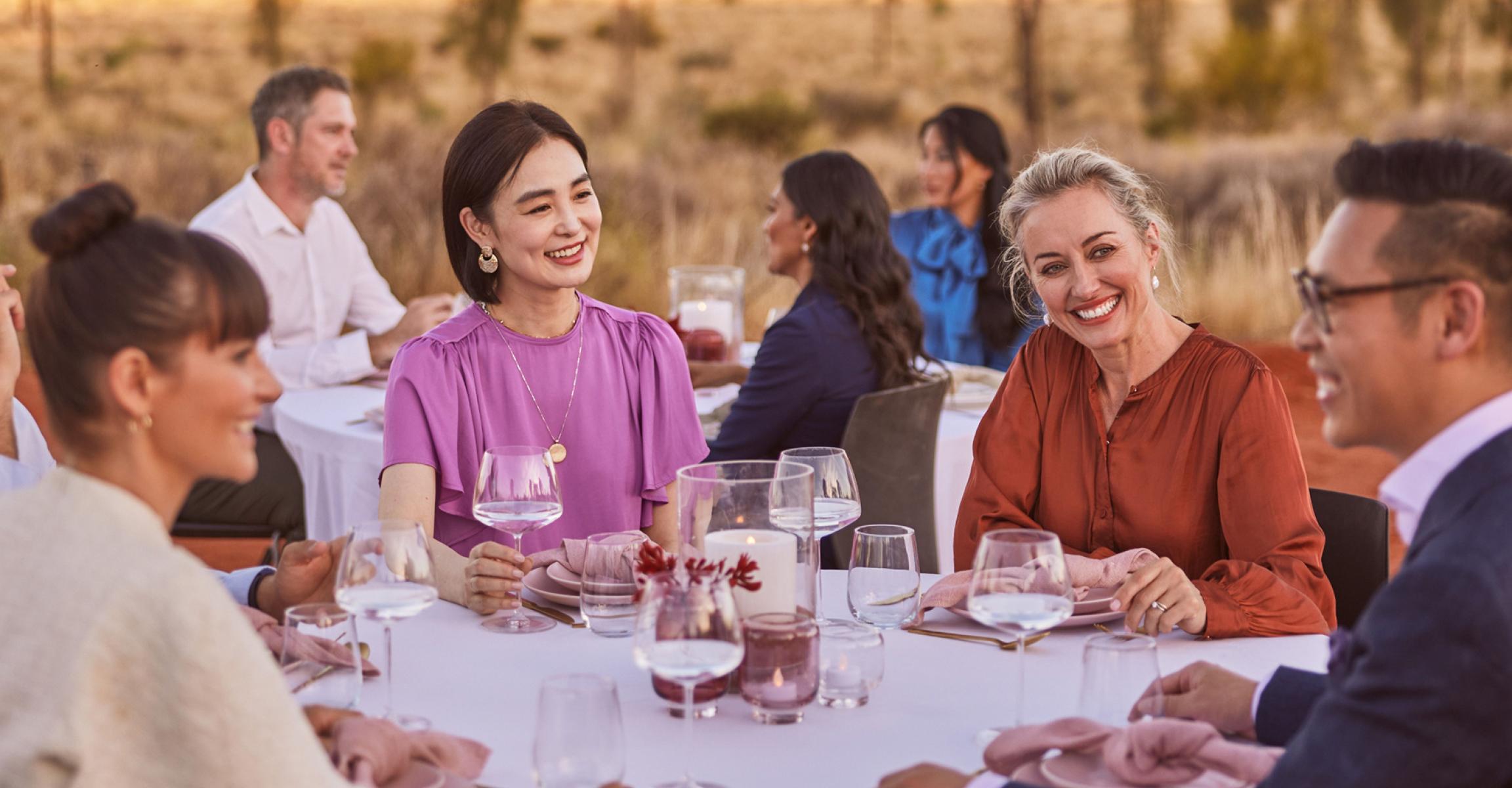
Cultural diversity by the numbers
According to the 2021 Census:
- Nearly 30% of Australians were born overseas
- More than half the population has at least one parent born overseas
- Around 23% of Australians speak a language other than English at home
- Australians identify with more than 300 different ancestries
This mix of cultures is reflected in our food, festivals, neighbourhoods, values and national identity.
A commitment to accessibility for all
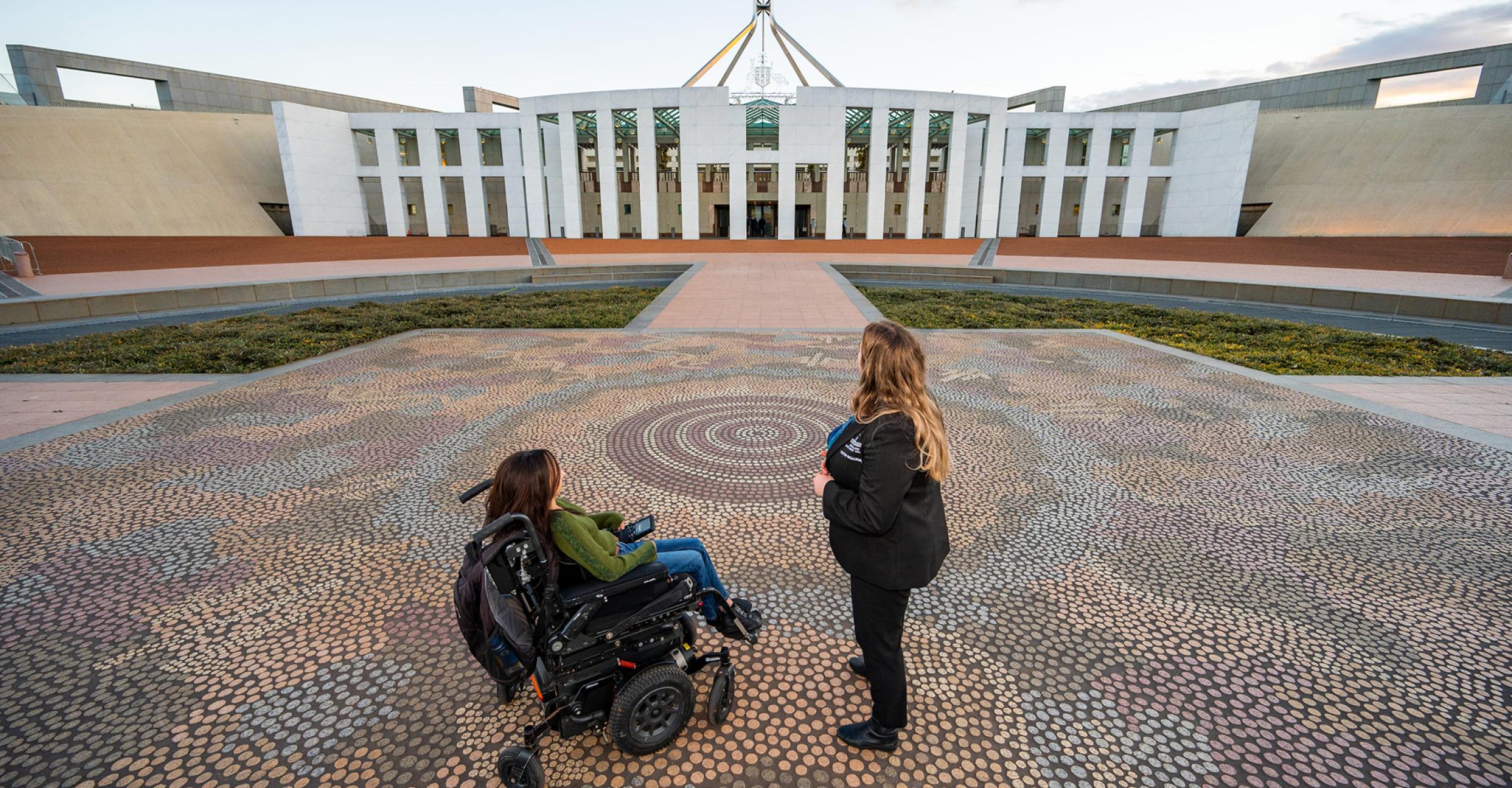
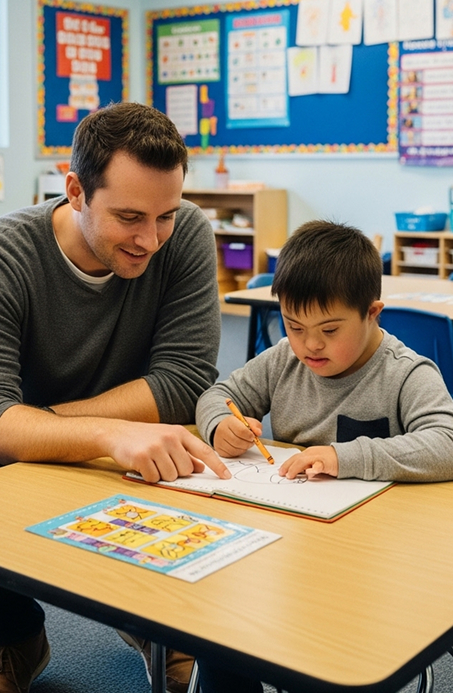
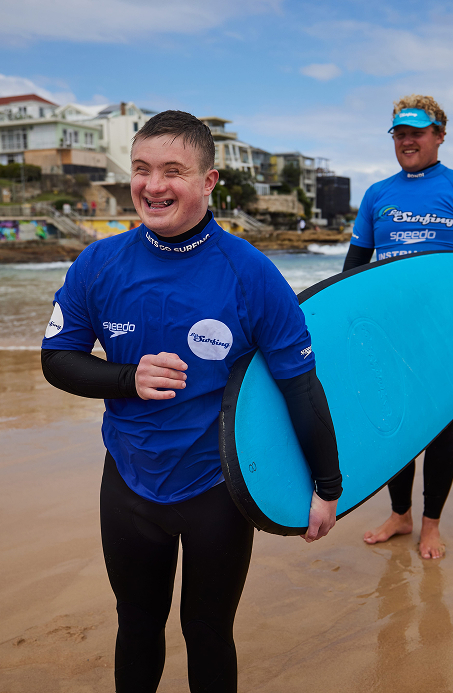
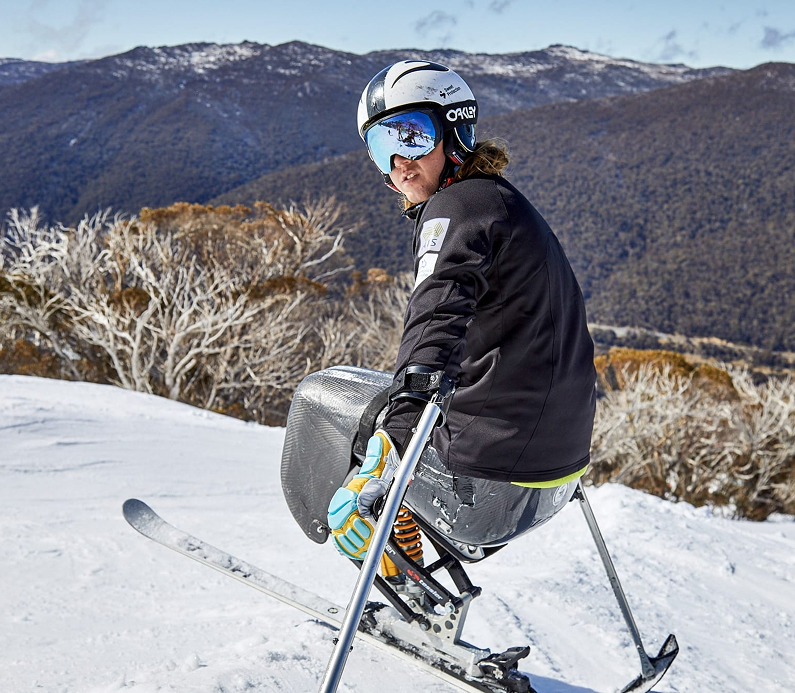
Australia is committed to equity for people with disability. The Disability Discrimination Act 1992 prohibits discrimination across education, employment, and access to services. Initiatives like Australia’s Disability Strategy 2021–2031 and Accessible Australia promote inclusive design and support a more accessible built environment.
Inclusive public spaces and community hubs
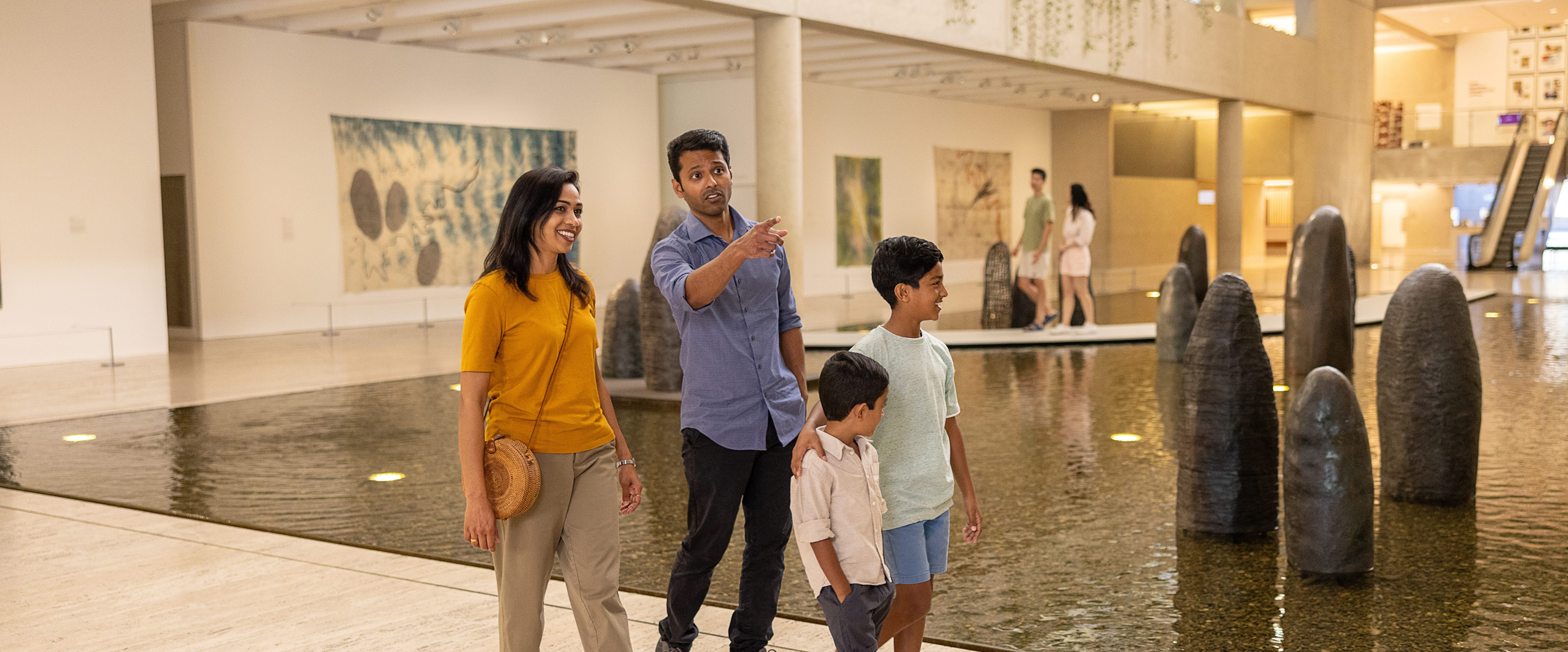
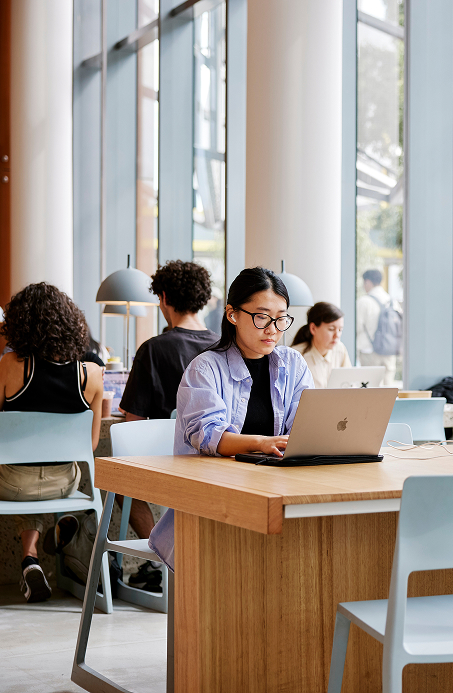
Australia’s public libraries, community centres and local councils play a vital role in supporting new migrants and diverse communities. Libraries offer free membership, multilingual collections, internet access, and programs designed to support settlement, learning and belonging.
Your expertise deserves the best lifestyle. Make the smart move to Australia.
Live in a country with vibrant culture, stunning landscapes, and a world-class lifestyle — all while advancing your career.