Coastal living
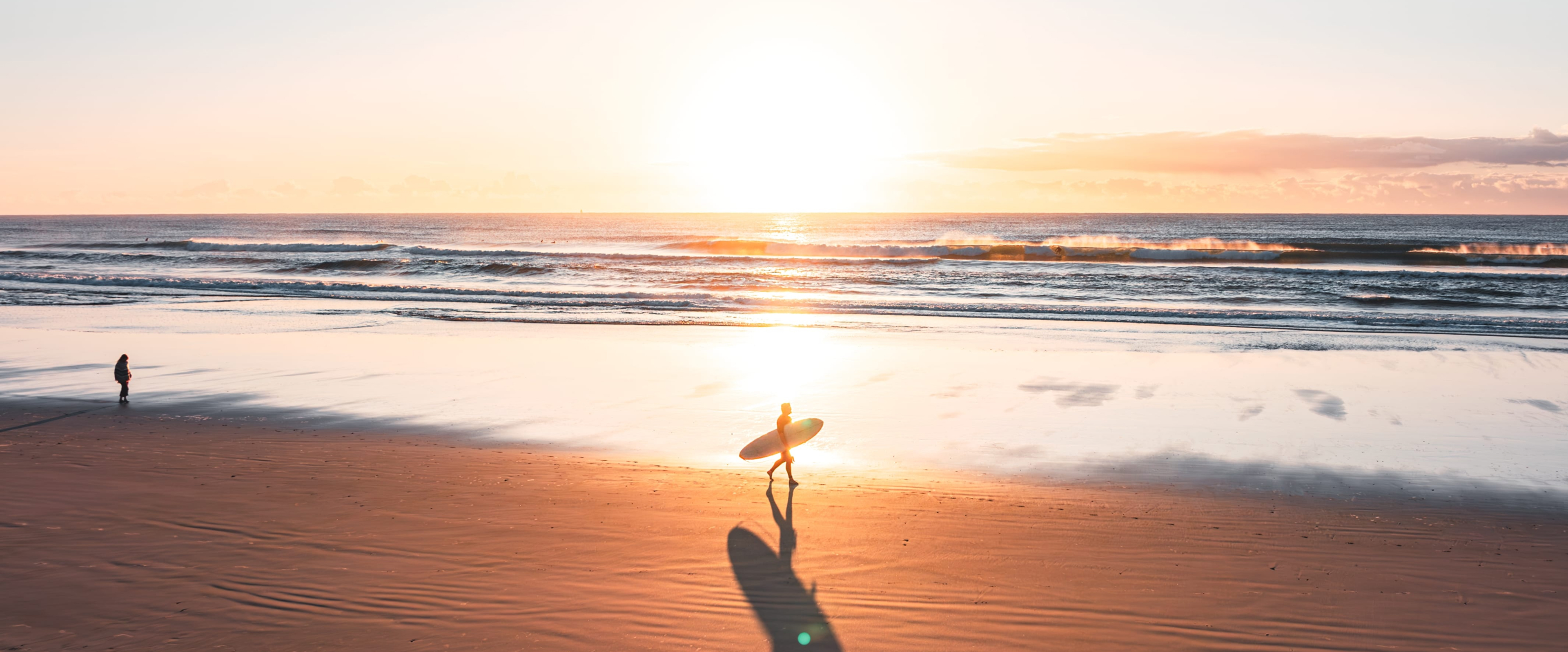
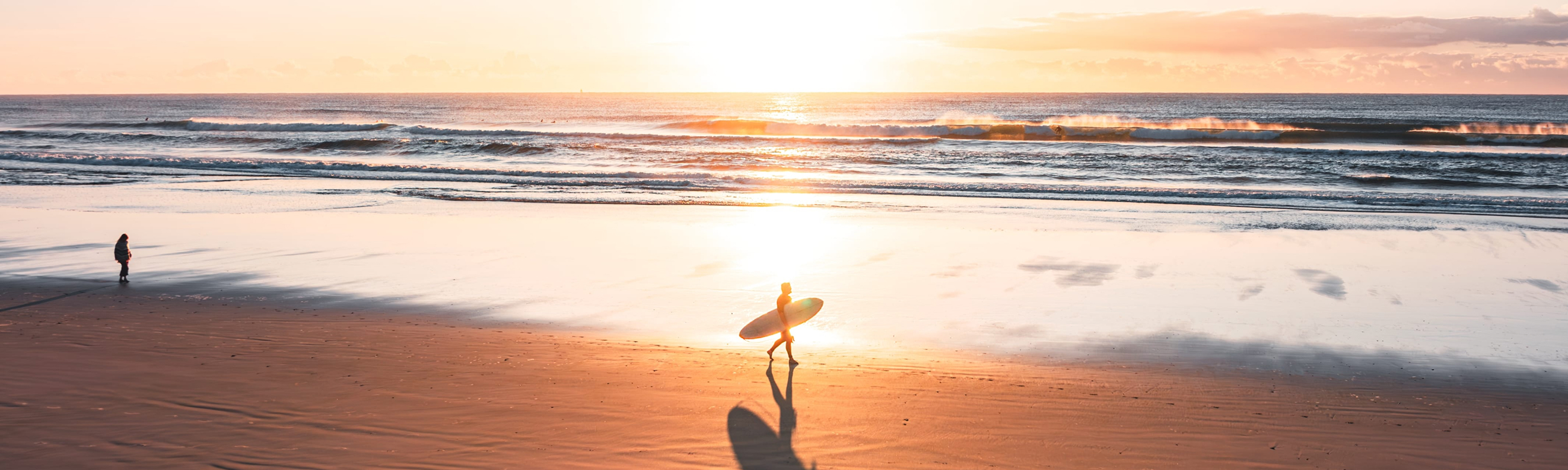
Australia’s coastline isn’t just a backdrop, it’s a way of life. From vibrant seaside cities to small beachside towns, coastal living offers the chance to connect with nature, enjoy an active lifestyle, and build a career close to the water. Whether you’re seeking your next professional step or a better lifestyle for your family, the coast presents a smart move for your future.
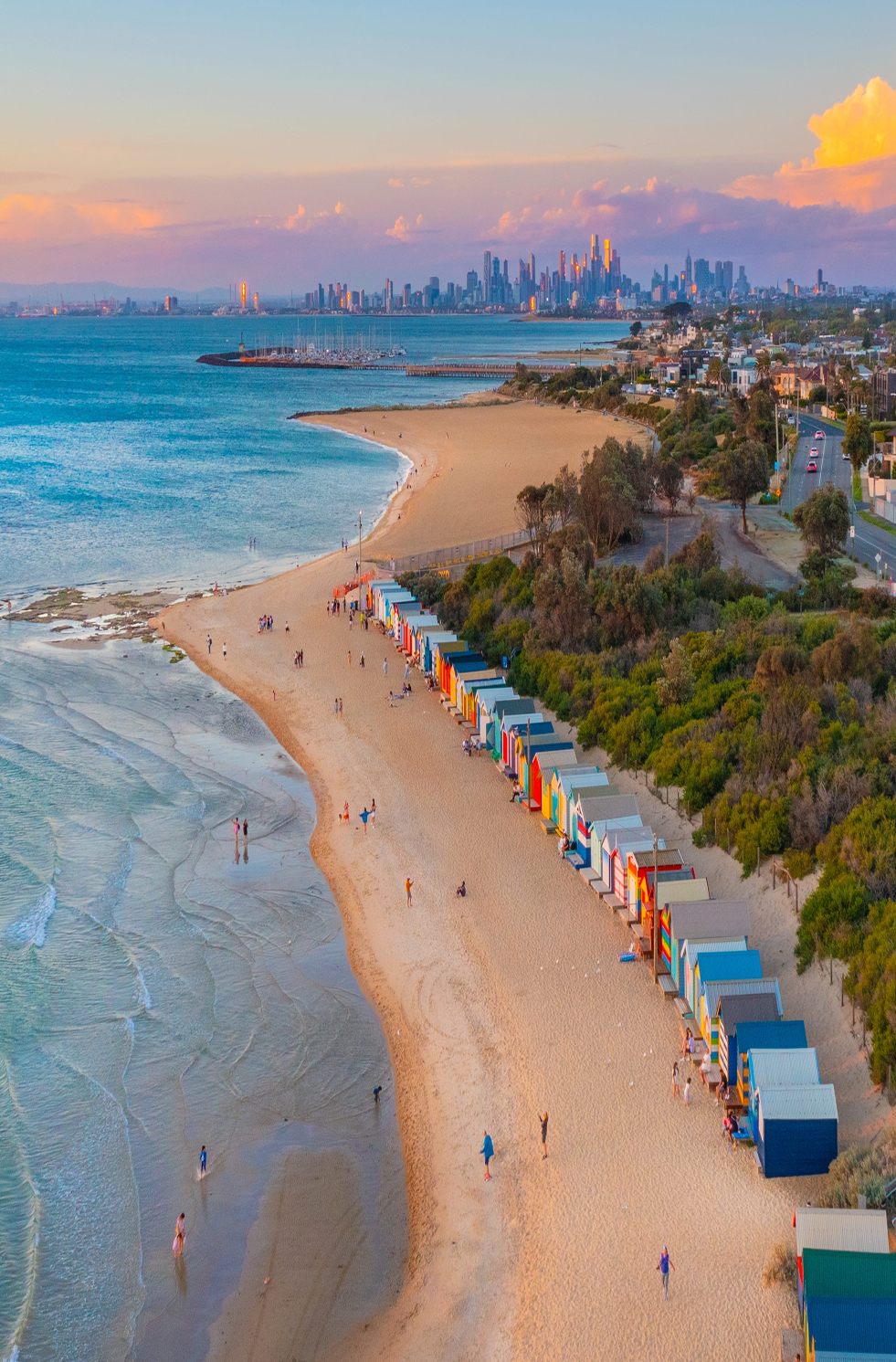
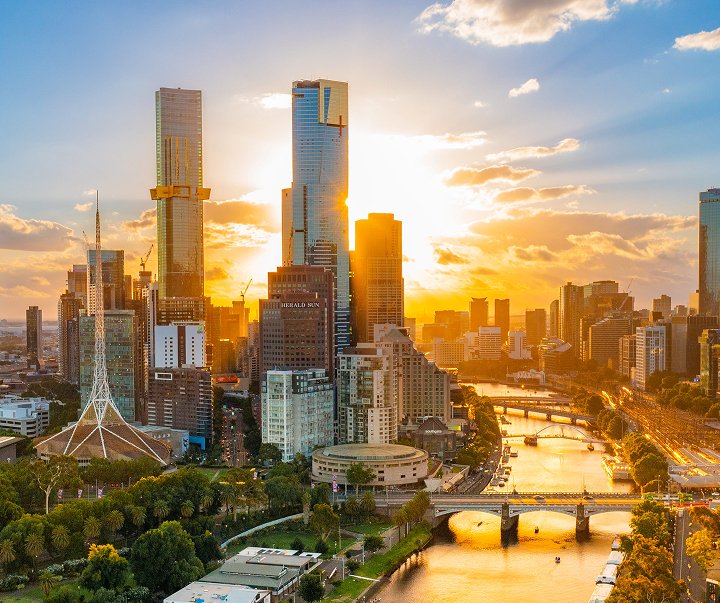
Brighton Beach, Melbourne, Vic.
Melbourne is one of Australia’s fastest-growing tech and professional services hub, home to global companies across fintech, engineering, medical research and design.
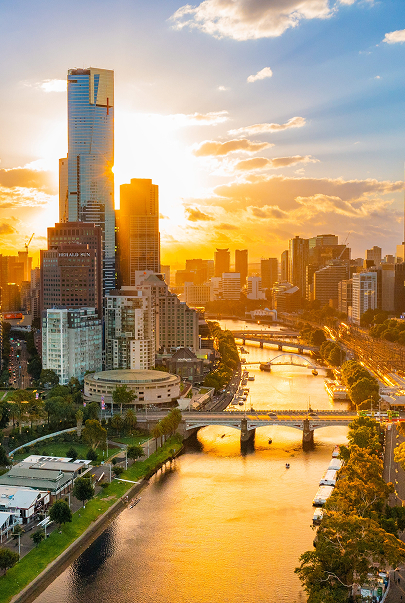
Brighton Beach, Melbourne, Vic.
Melbourne is one of Australia’s fastest-growing tech and professional services hub, home to global companies across fintech, engineering, medical research and design.
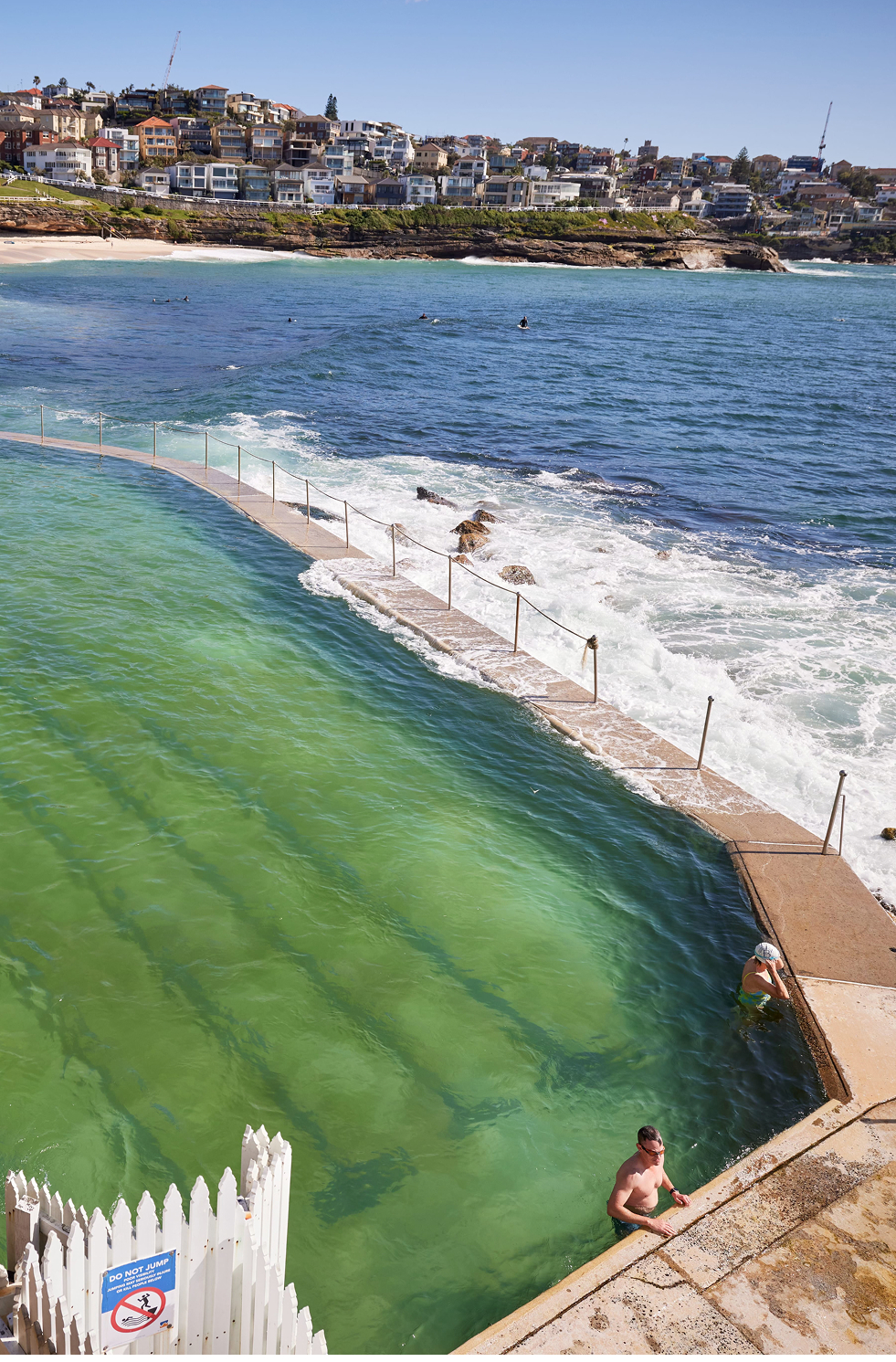
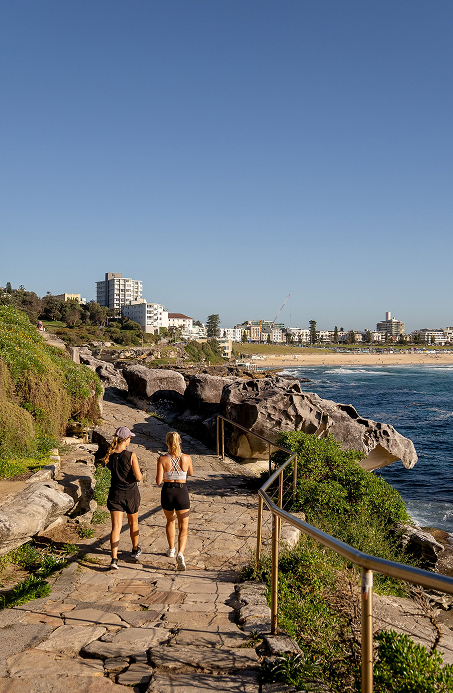
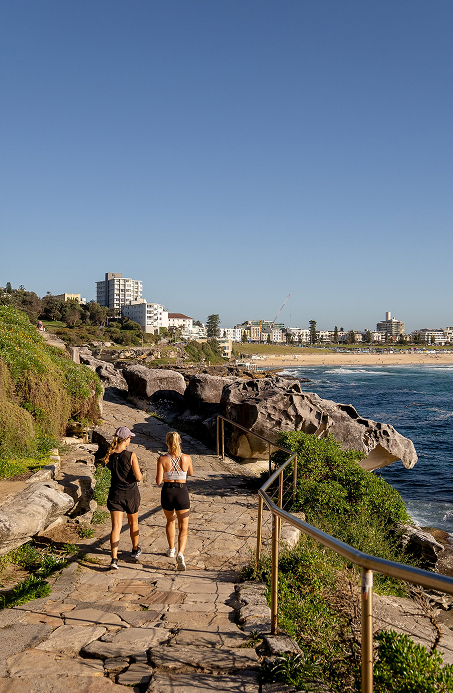
Bronte Baths, Sydney, NSW.
Sydney hosts one of the most advanced innovation ecosystems in the Southern Hemisphere, attracting entrepreneurs and researchers in AI, quantum, climate tech and biotech.
Bronte Baths, Sydney, NSW.
Sydney hosts one of the most advanced innovation ecosystems in the Southern Hemisphere, attracting entrepreneurs and researchers in AI, quantum, climate tech and biotech.
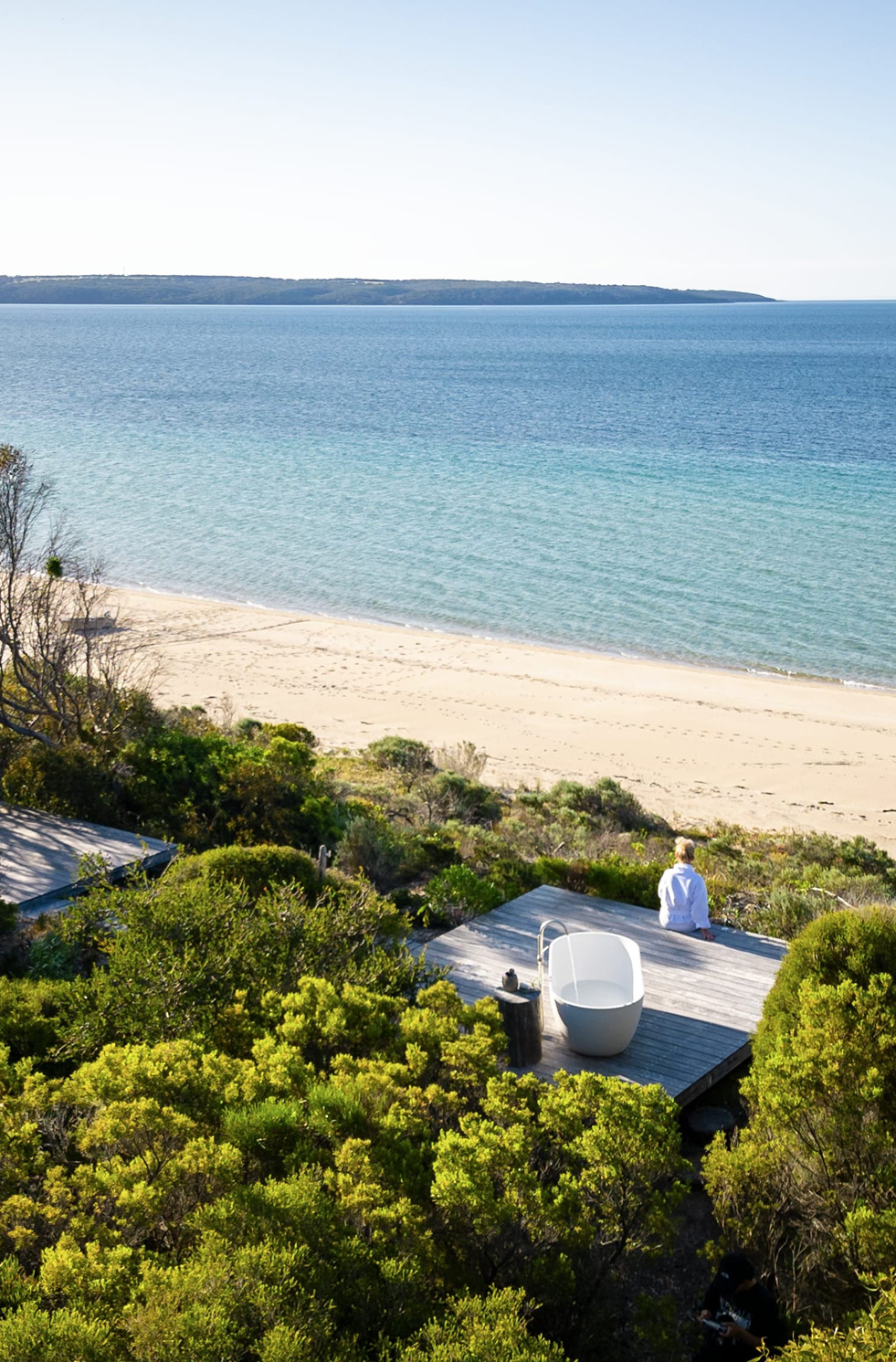
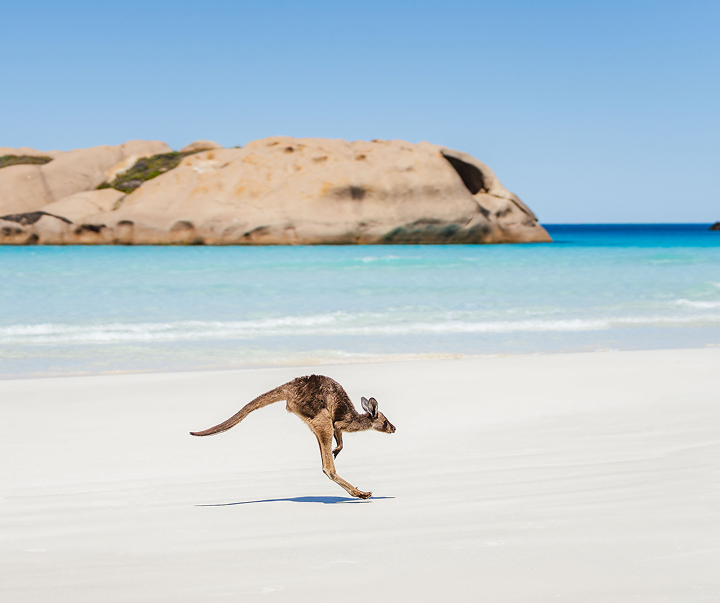
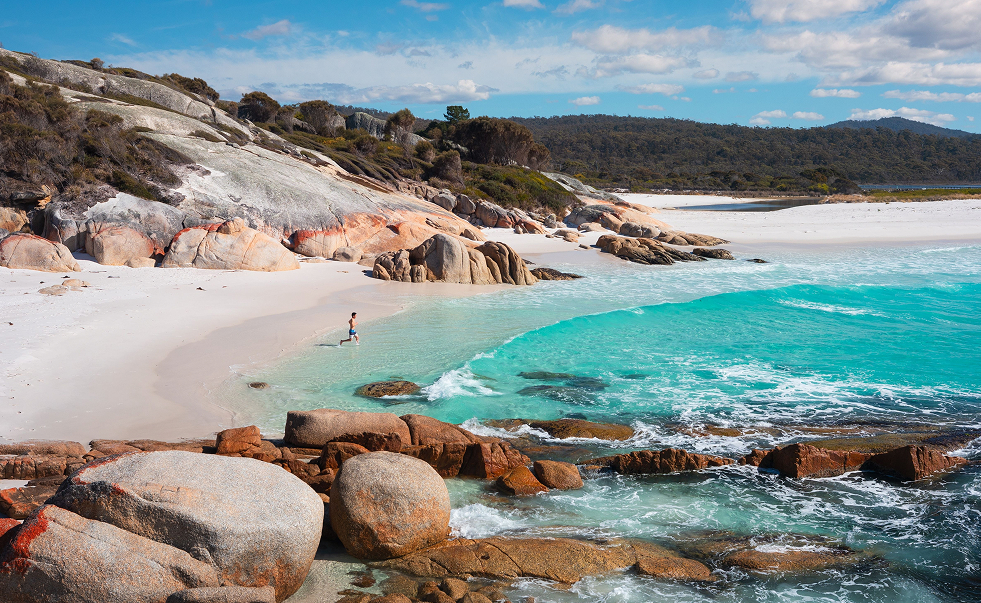
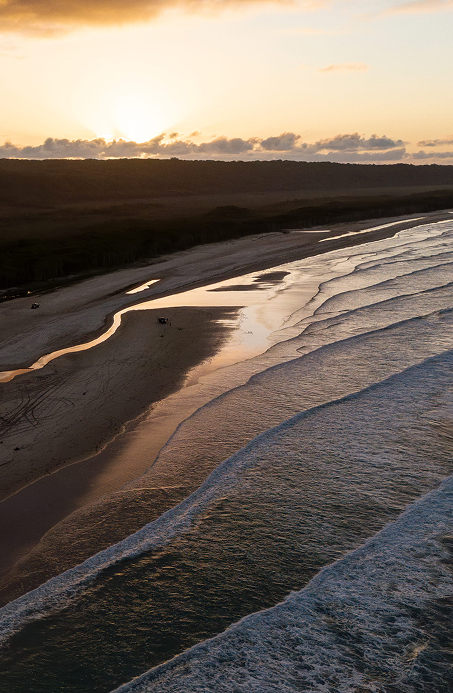
Brown Beach, Kangaroo Island, SA.
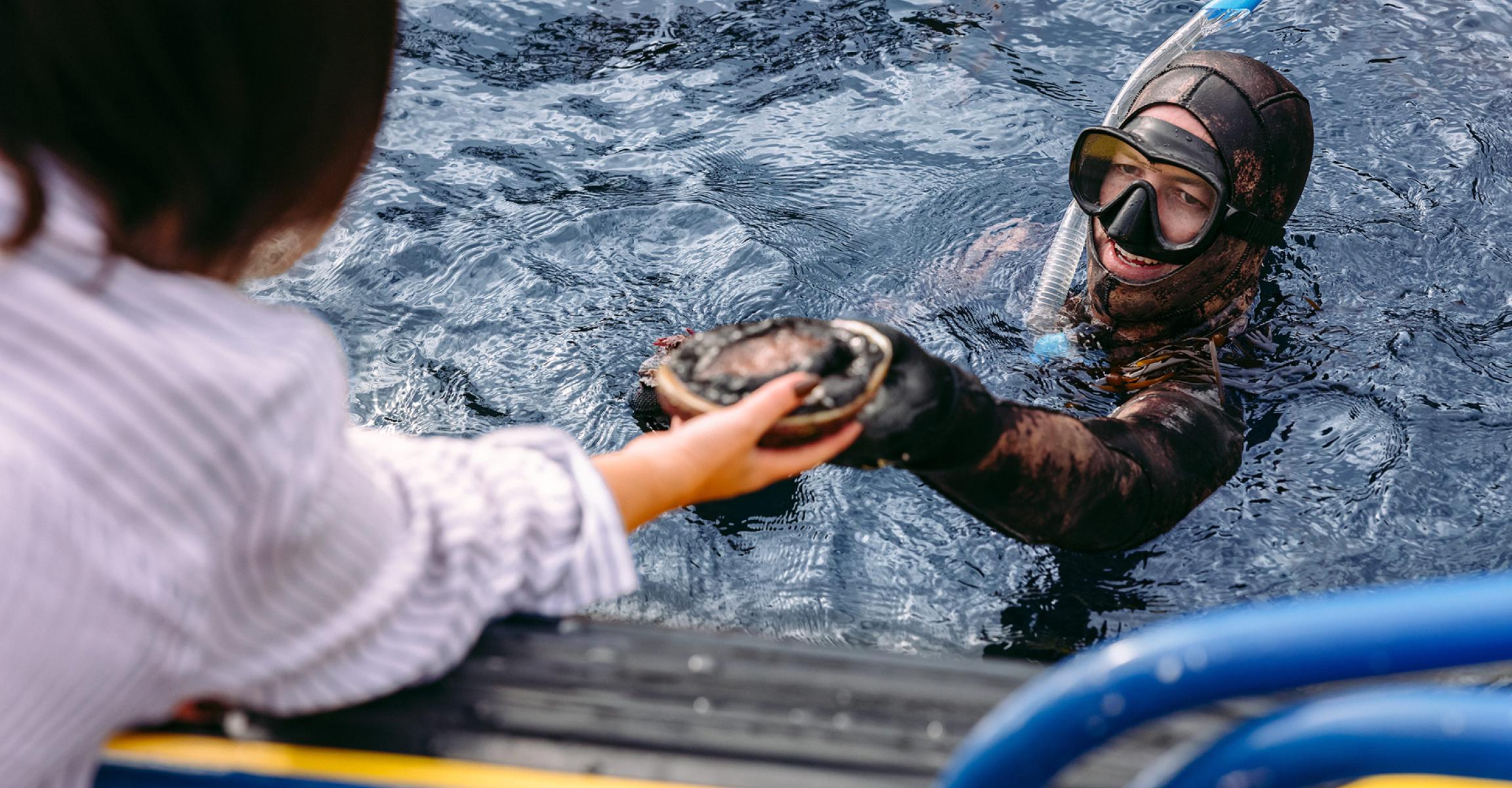
South Australia’s regional areas are expanding in agriculture, aquaculture, environmental science and sustainable tourism.
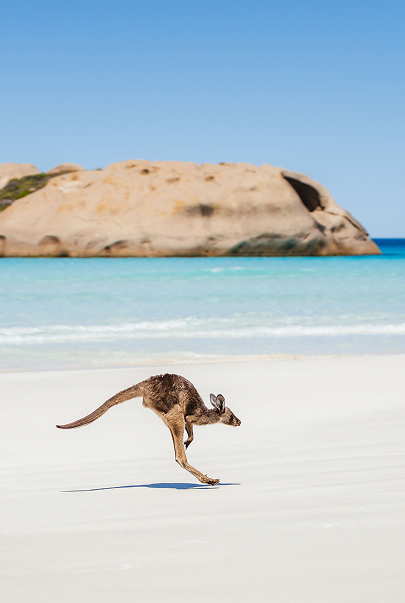
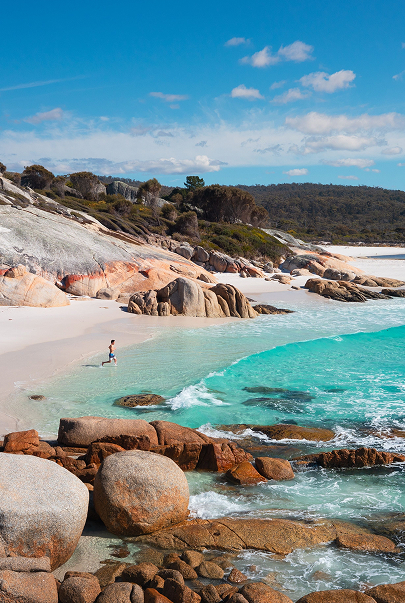
Brown Beach, Kangaroo Island, SA.
South Australia’s regional areas are expanding in agriculture, aquaculture, environmental science and sustainable tourism.
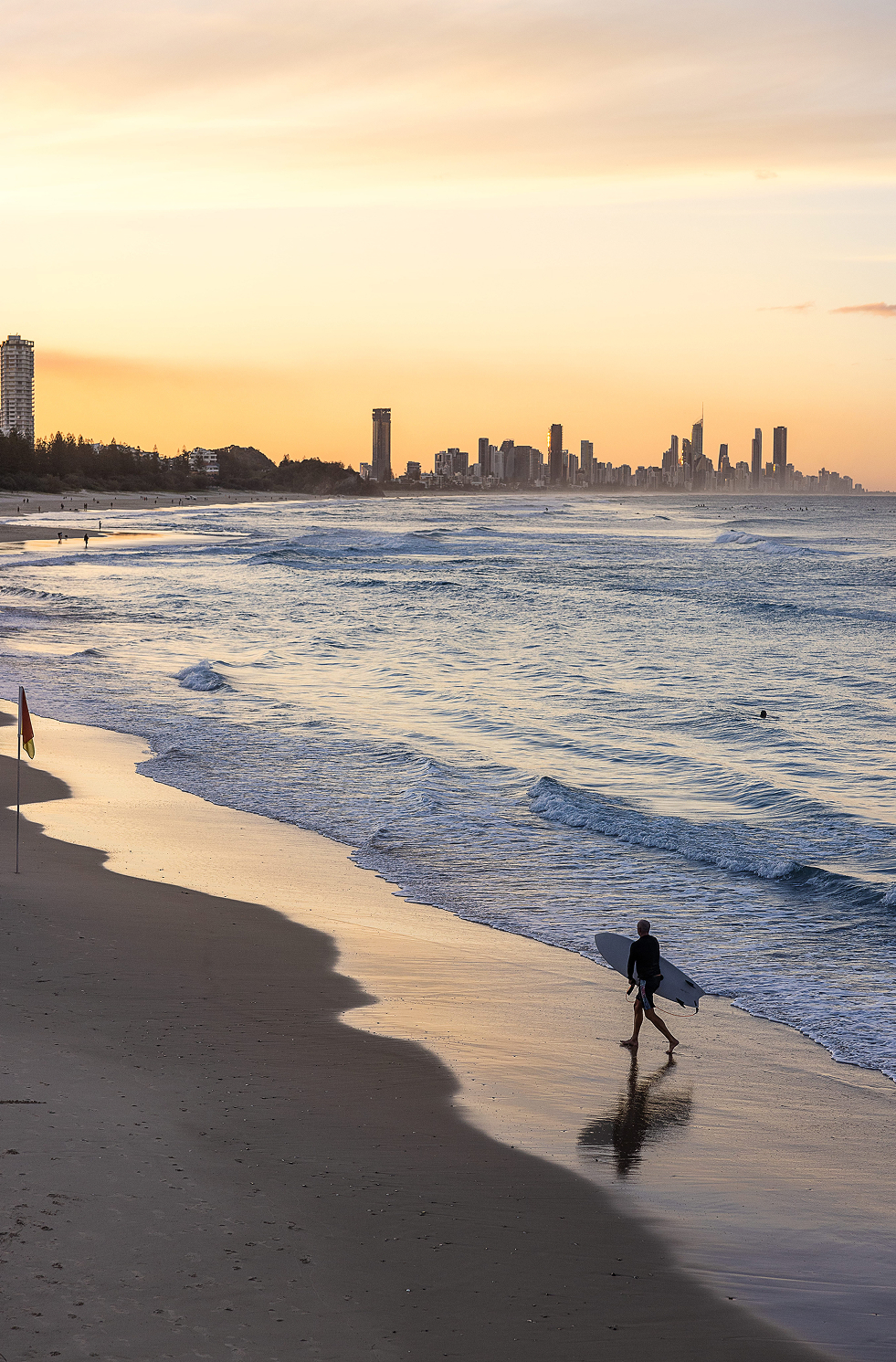
Burleigh Heads, Gold Coast, QLD.
The Gold Coast’s booming population drives demand for healthcare, construction, education and digital services.
Burleigh Heads, Gold Coast, QLD.
The Gold Coast’s booming population drives demand for healthcare, construction, education and digital services.
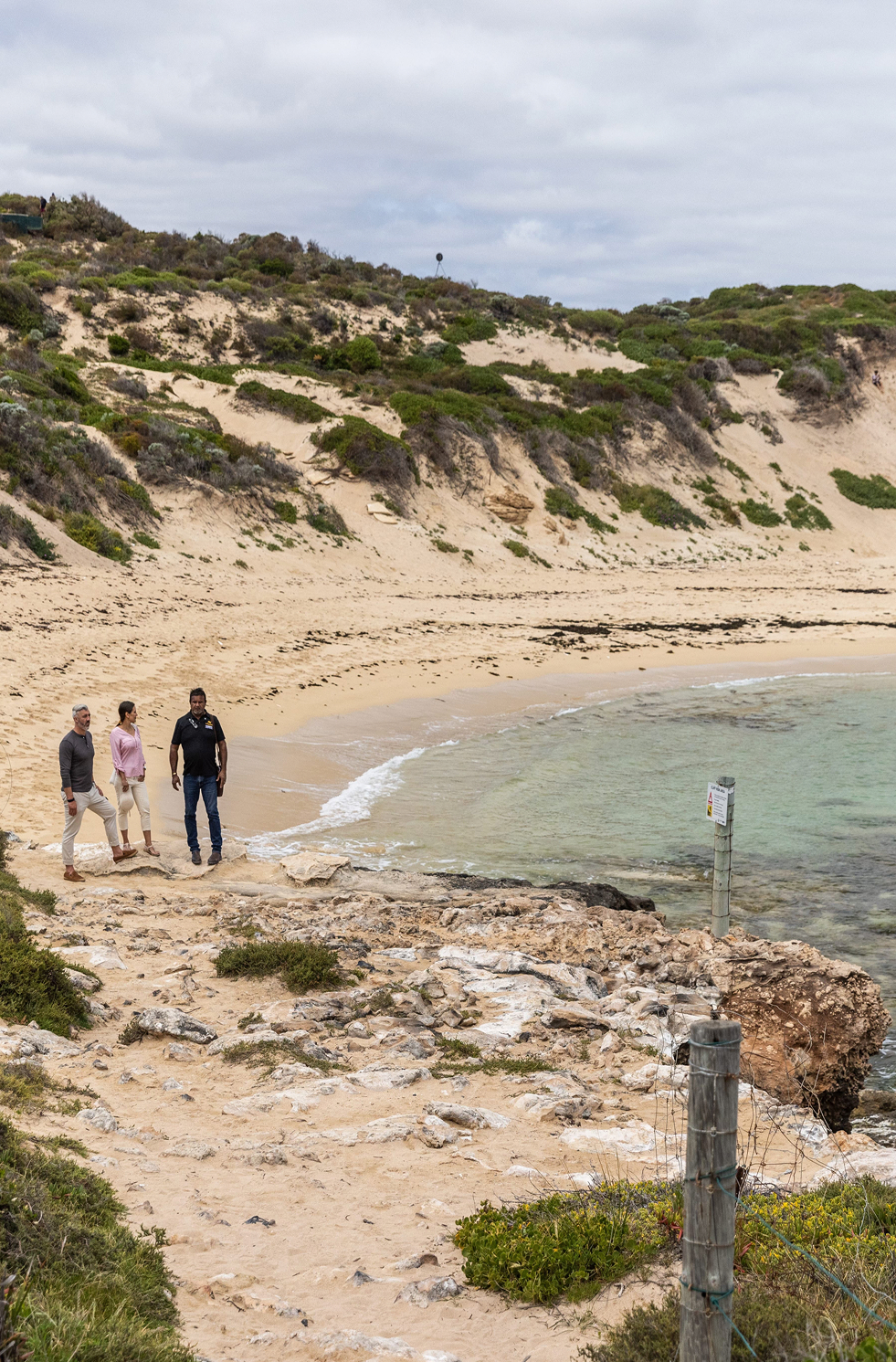
Fremantle Coastline, Perth, WA.
Western Australia leads the country in mining technology, advanced manufacturing and marine engineering.
Fremantle Coastline, Perth, WA.
Western Australia leads the country in mining technology, advanced manufacturing and marine engineering.
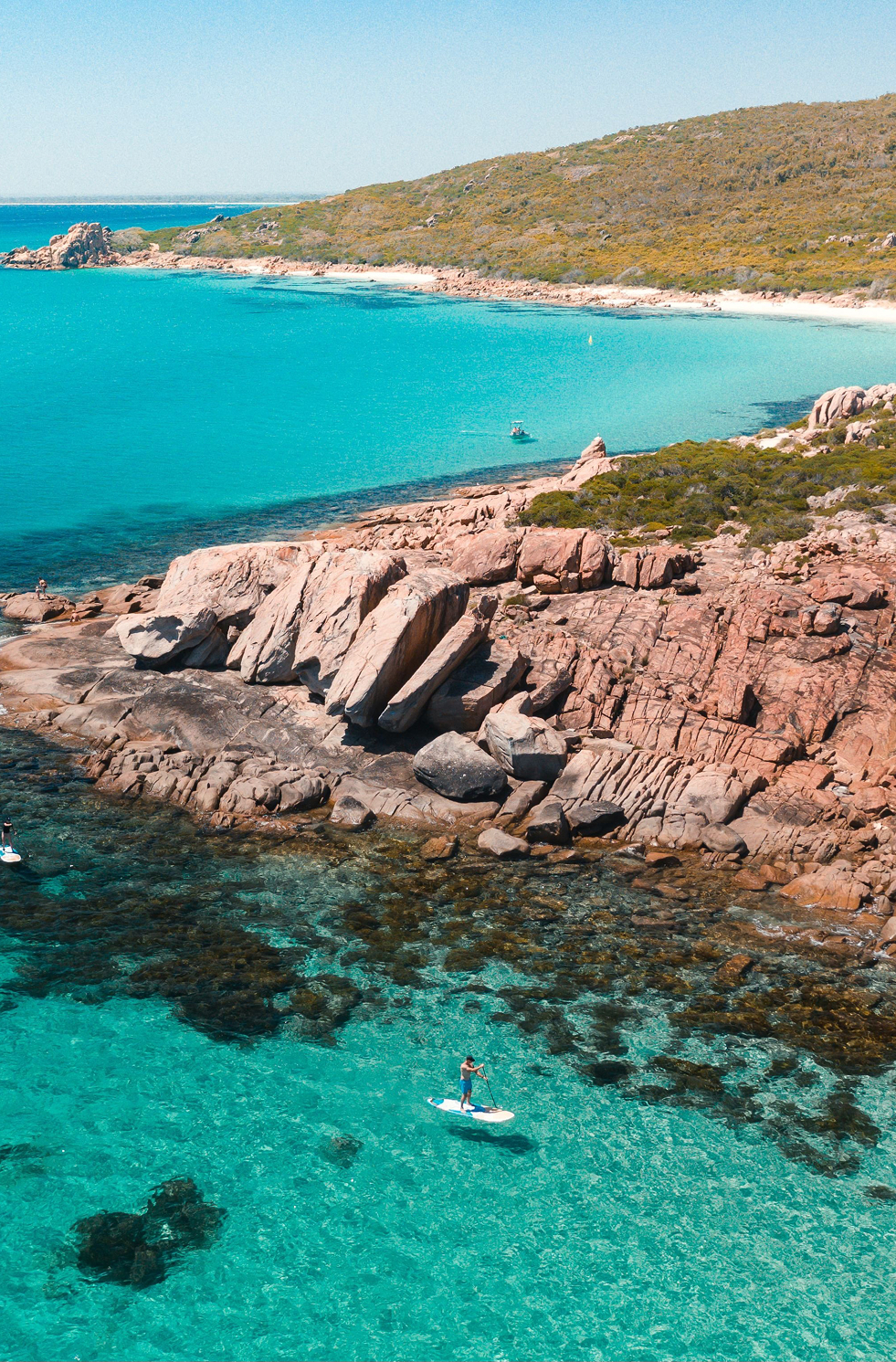
Noosa, Sunshine Coast, QLD.
The Sunshine Coast is one of Australia’s fastest-emerging digital economies, fuelled by health tech, clean tech, and the new, globally recognised Sunshine Coast International Broadband Network.
Noosa, Sunshine Coast, QLD.
The Sunshine Coast is one of Australia’s fastest-emerging digital economies, fuelled by health tech, clean tech, and the new, globally recognised Sunshine Coast International Broadband Network.
A coastline of possibilities
Australia’s coastline stretches for more than 36,000 kilometres. From world-famous beaches to hidden coves, the coast shapes Australia’s national identity and creates an extraordinary range of places to live and work.
Relaxed, outdoor-focused lifestyle
The Australian coastline provides continuous opportunities for swimming, surfing, sailing, hiking, and many more activities throughout the year. Whether experiencing sunrise at your local beach or participating in various social organisations, coastal residence promotes physical engagement and outdoor interaction. Marine protected areas and shoreline reserves also serve as favoured attractions with substantial backing for ecological tourism and community recreation.
A thriving coastal economy
Coastal areas sustain numerous essential Australian industries including tourism, hospitality, aquaculture, and marine preservation. Regional shoreline locations receive government funding and employment development programs that cultivate sustainable career prospects in established industries and emerging fields such as marine studies and clean energy.
Communities of all sizes
Australia’s coastal living offers diverse options rather than uniform experiences. Choices range from large metropolitan areas like Sydney (NSW), Perth (WA) and the Gold Coast (Qld), to smaller townships and island settlements including Stradbroke Island (Qld), Victor Harbor (SA), Flinders Island (Tas), the Mornington Peninsula (Vic), Darwin’s waterfront precinct (NT) and Batemans Bay (NSW/ACT region). These locations provide accessible housing, strong community connections and distinctive lifestyle choices suited to every stage of life.
Environmentally protected, naturally liveable
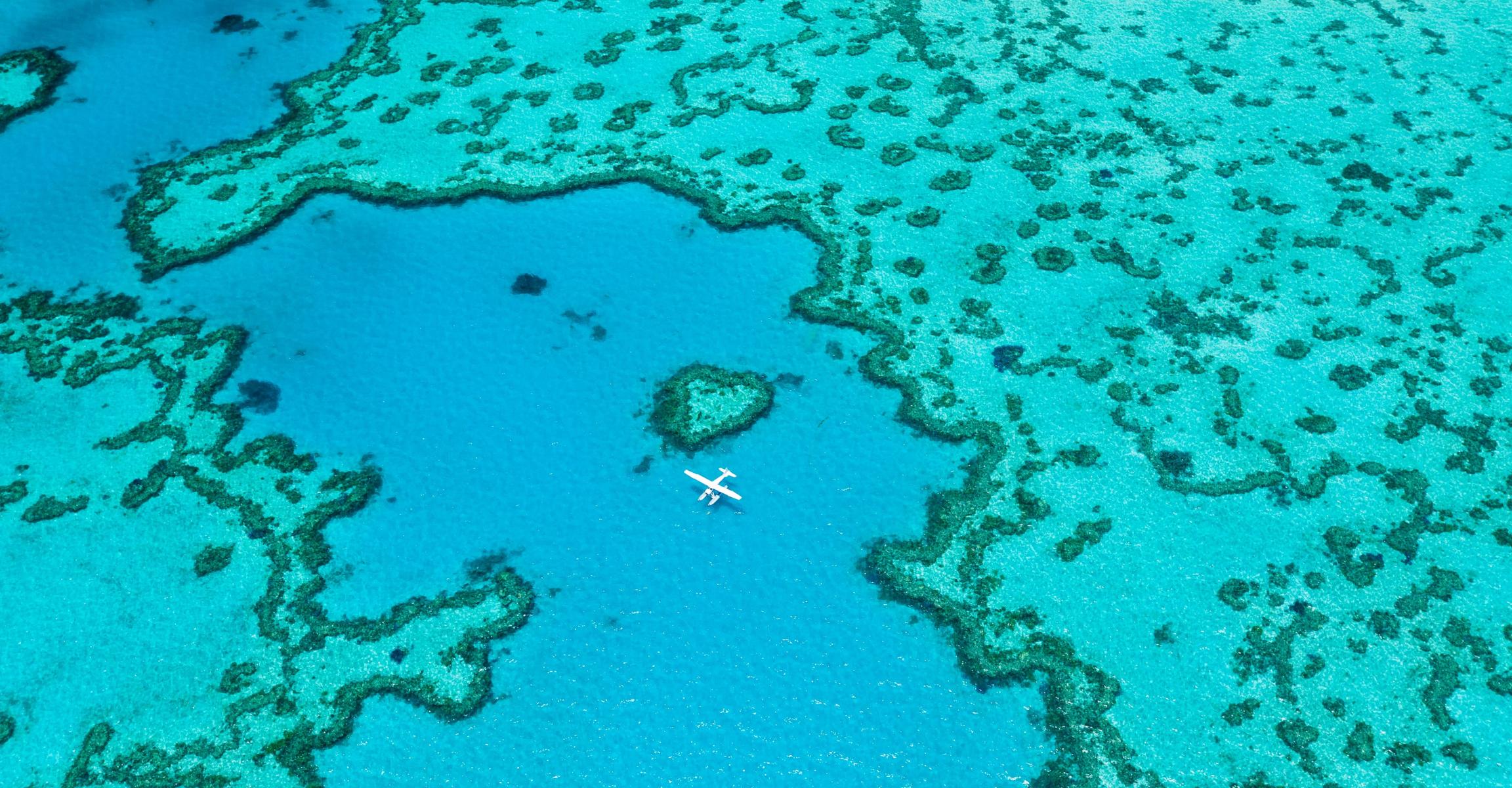
Shoreline ecosystems receive careful protection through federal and state environmental planning frameworks. These encompass development regulations that maintain sand dune systems, ocean habitats, and species diversity while permitting sustainable expansion. Initiatives such as the National Landcare Program and Coastal Management Strategies preserve long-term livability while supporting local communities through professional opportunities. Australia’s Great Barrier Reef is also recognised as one of the world’s best managed coral reef ecosystems.
Infrastructure that supports lifestyle
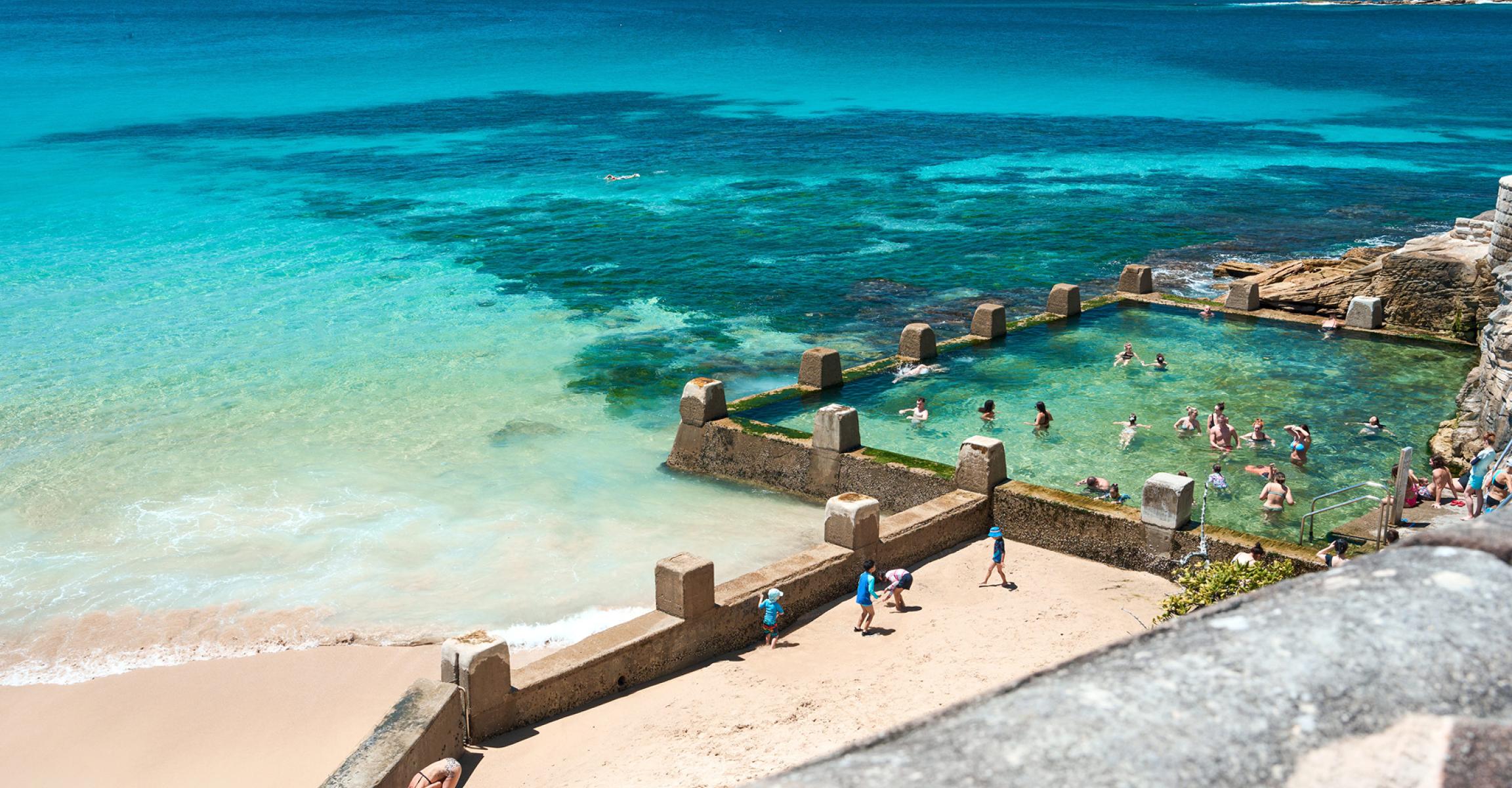
Coastal communities feature comprehensive lifestyle amenities ranging from seaside walkways and saltwater pools to harbours, waterfront parks and surf organisations, accommodating various participation levels. Australian governments at all levels invest in maintaining these facilities to guarantee accessibility, environmental responsibility and community ties.
Take the next step
Australia seeks skilled professionals excited to discover the potential of Australia's coastline. Research coastal employment, find your visa route, and take your initial step toward living where ocean meets shore.