Critical Technologies
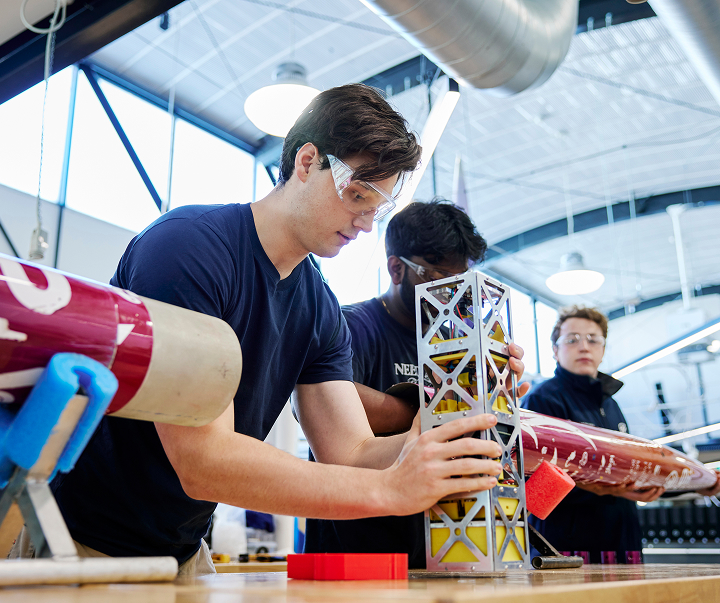
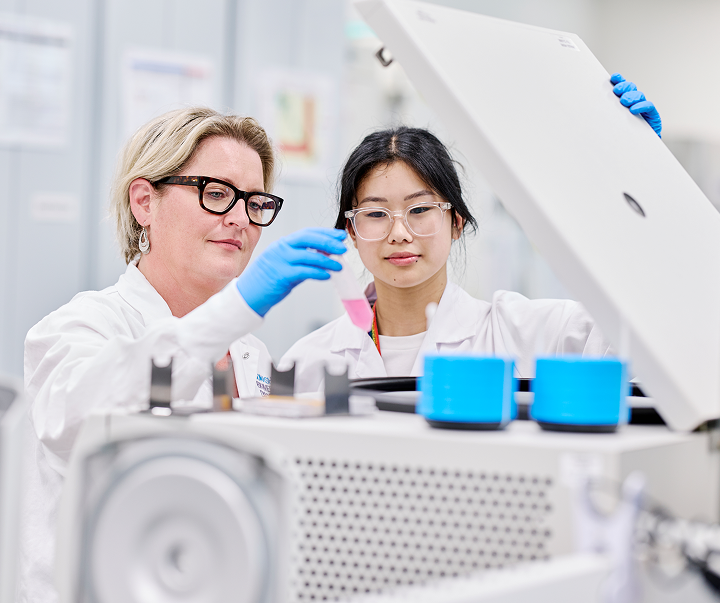
Critical technologies underpin almost all aspects of Australian industry and society, from manufacturing to transportation, clean energy, health, defence and national security. Australia is currently seeking leading experts to advance the safe and responsible development and adoption of critical technologies that will help deliver a positive future for the nation.
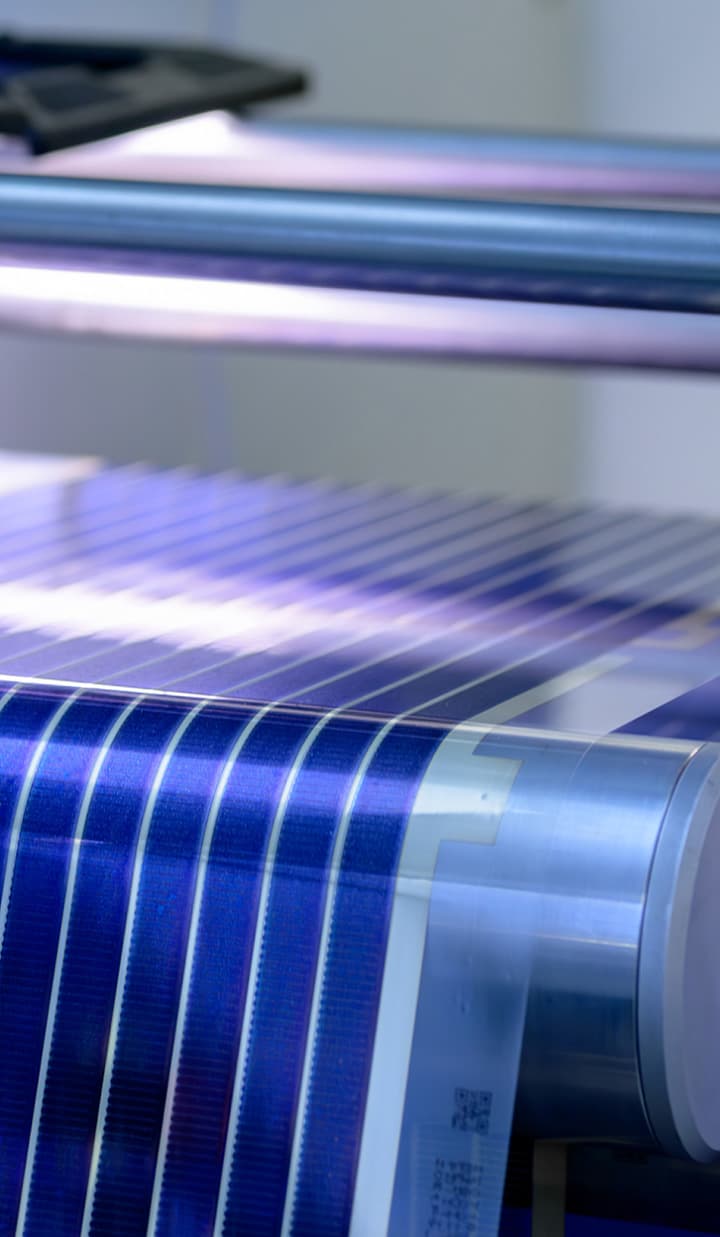
Advanced manufacturing and materials technologies

Artificial intelligence technologies
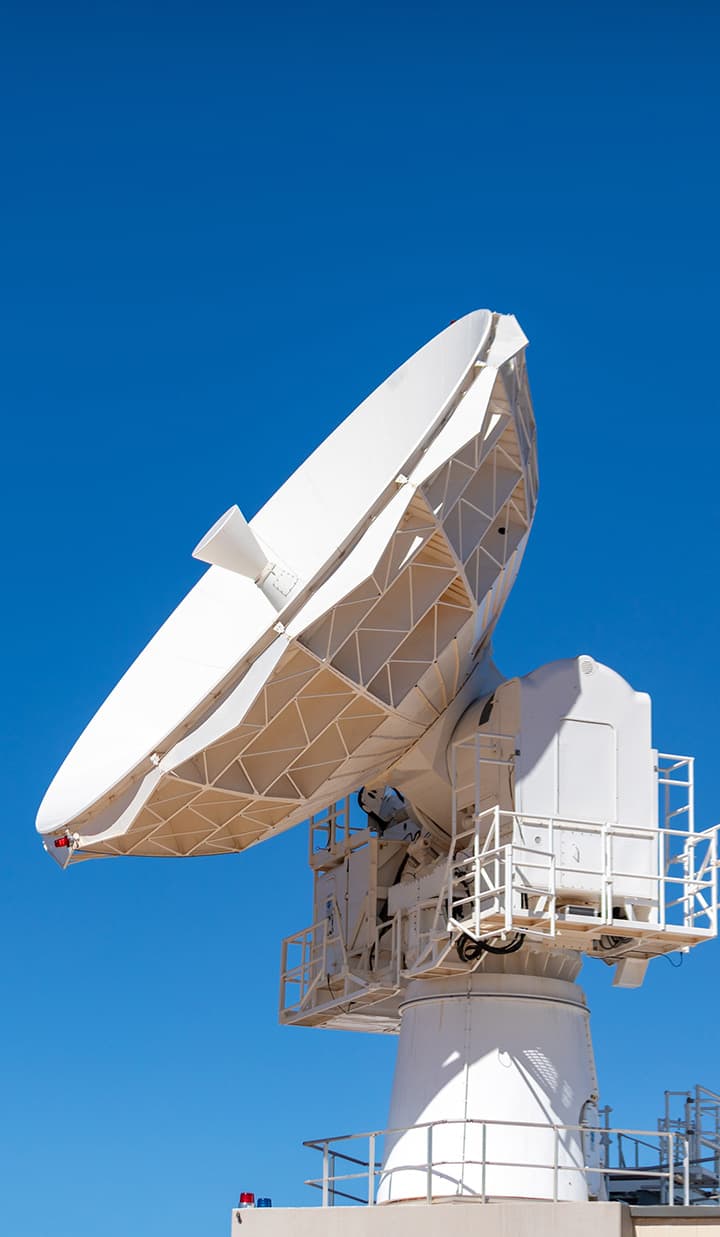
Advanced information and communication technologies

Quantum technologies

Autonomous systems and robotics, positioning, timing and sensing
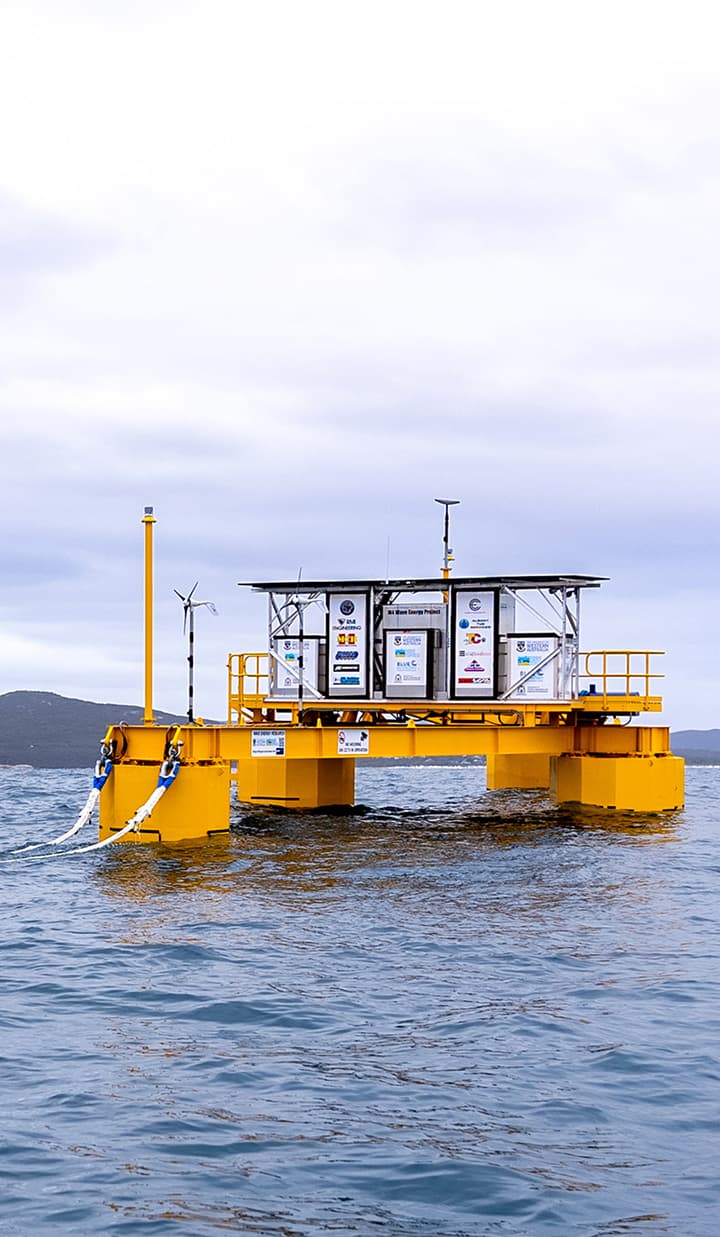
Clean energy generation and storage technologies
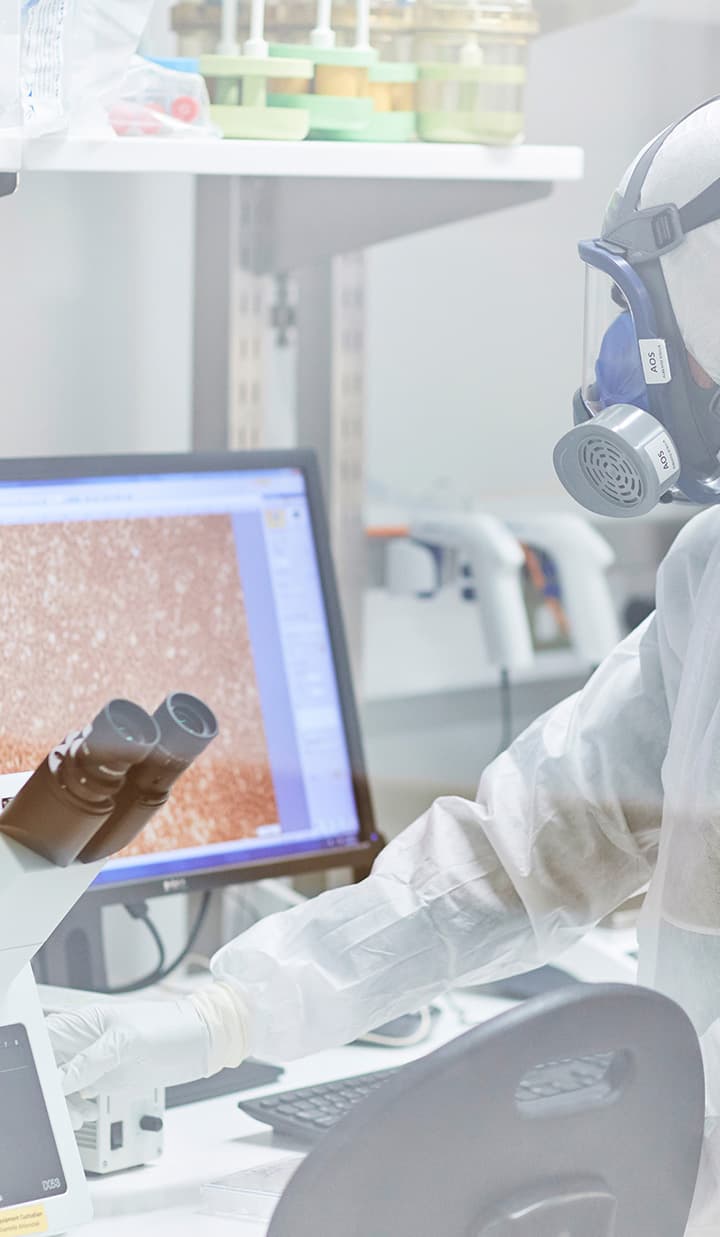
Biotechnologies
The future of critical technologies in Australia
Australia is investing in new capabilities to capture the opportunities critical technologies bring to our economic prosperity, security, environmental sustainability, and our social cohesion. Many government initiatives are creating a thriving critical technologies ecosystem, including the National Quantum Strategy, Critical Technologies Challenge Program (CTCP), and National AI Plan.
With a strong technology investment environment, leading science and research facilities, pathways for the commercialisation of breakthrough ideas, robust international partnerships, and policies to support a thriving future workforce, Australia is well positioned for a bright future in critical technologies.
Investment and funding opportunities
Australia has robust mechanisms in place to encourage public and private sector investment, both locally and from international partners, driving growth in critical technologies. Targeted investments will accelerate the uptake of emerging innovations and improve investor confidence.
Click the cards for more information >
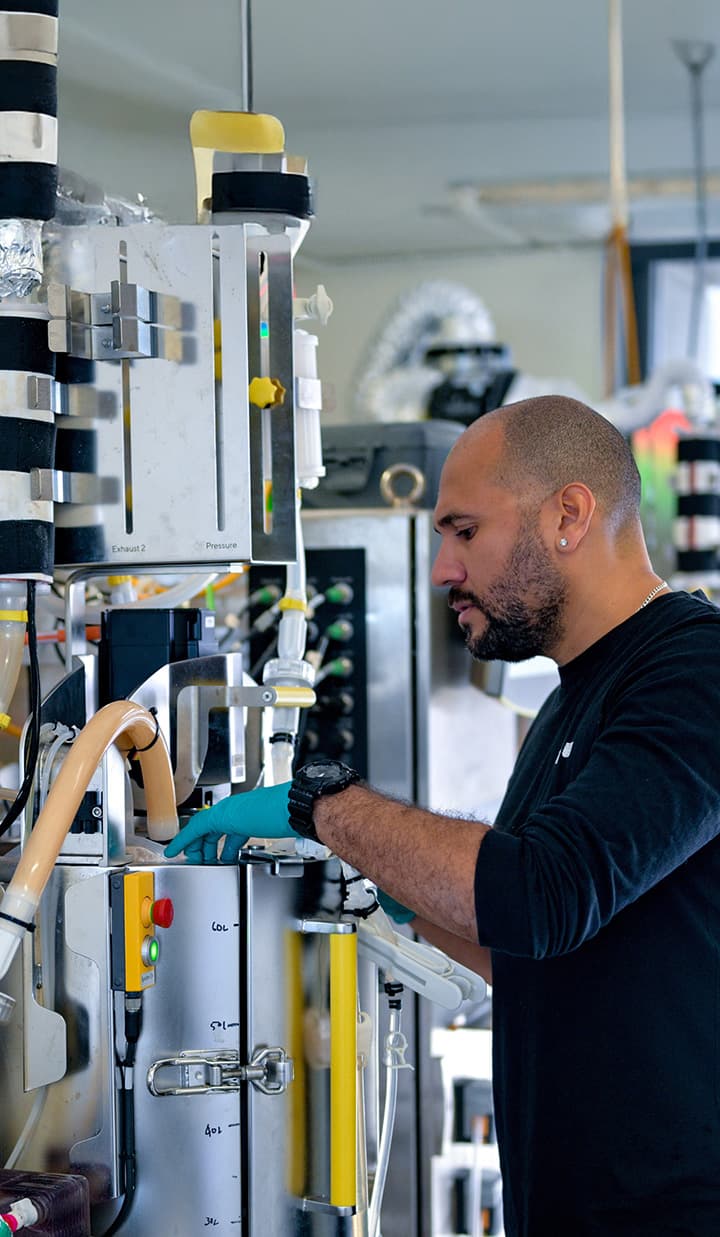
$1.6 billion economic accelerator
Australia’s Economic Accelerator, a $1.6 billion new stage-gated grant program dedicated to funding translation and commercialisation activities in national priority areas
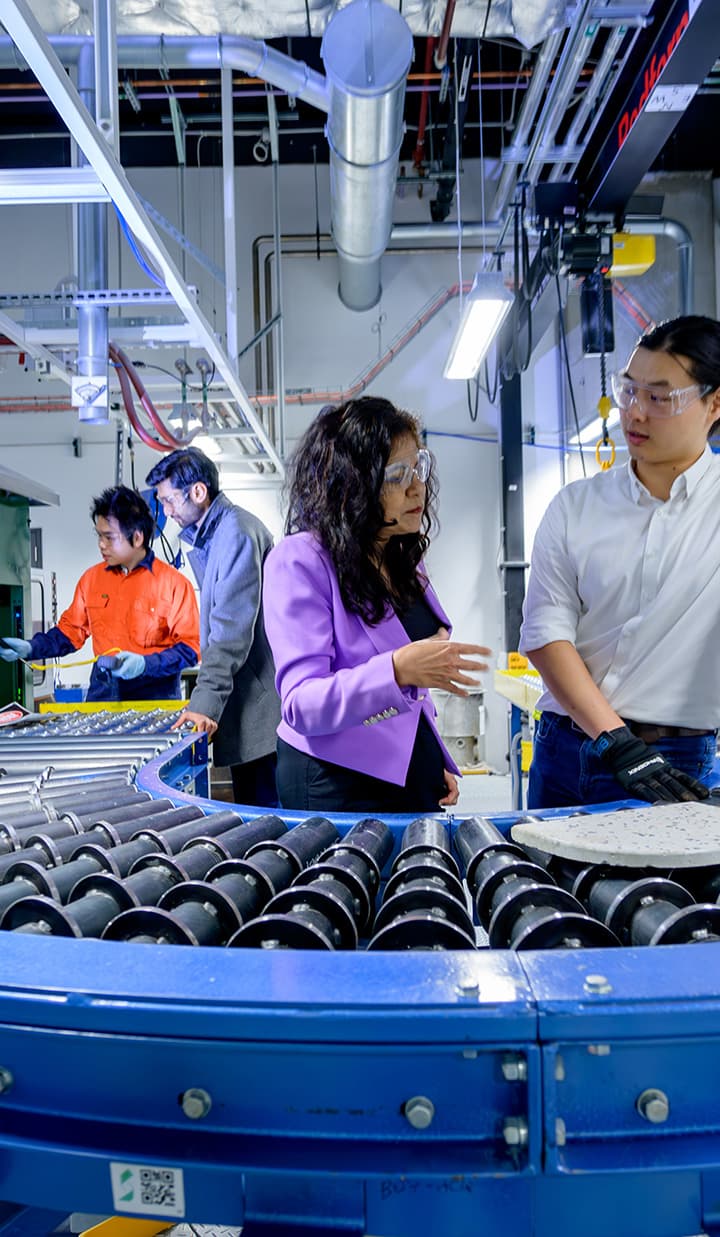
$1 billion national reconstruction fund
The $15 billion National Reconstruction Fund (NRF), which earmarks $1 billion for critical technologies such as AI, robotics and quantum technologies.

$60 million to support the National Quantum Strategy
$60 million in funding to support the National Quantum Strategy, affirming Australia’s commitment to building a sustainable and world-leading quantum economy.
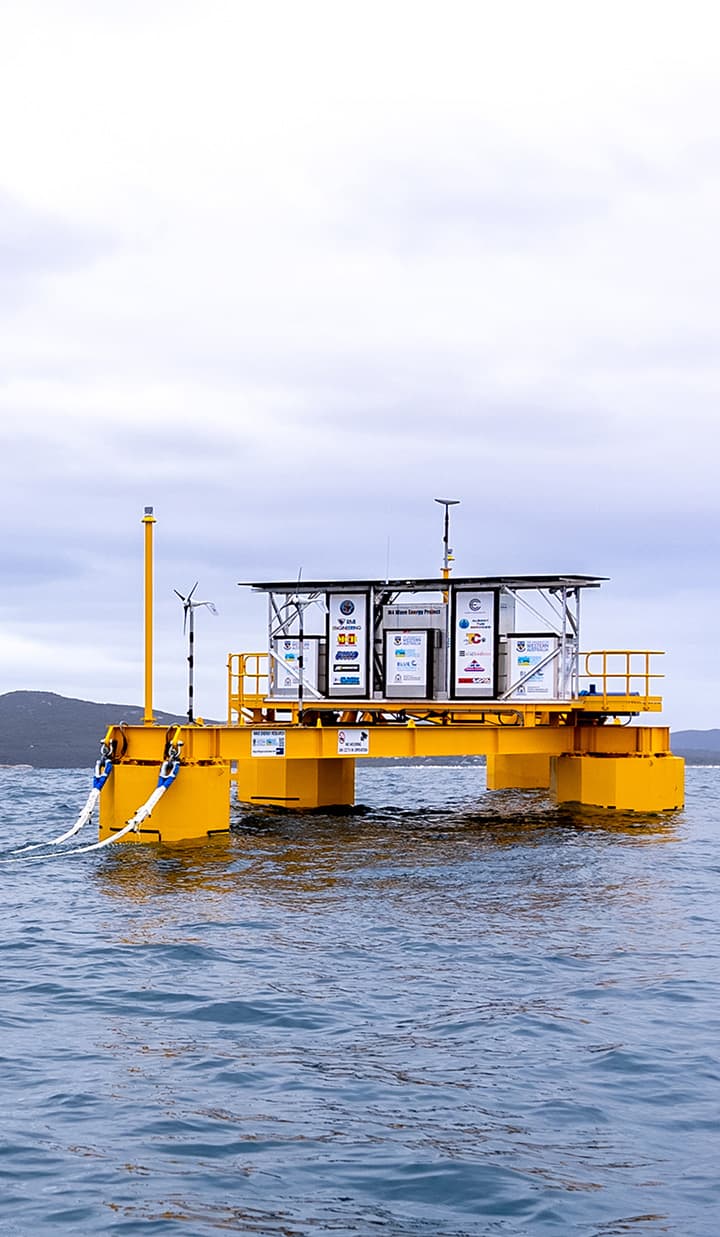
Industry growth program
The government’s Industry Growth Program (IPG), which assists innovative small to medium-sized enterprises (SMEs) and startups in their most challenging development phase.

Modernising industries for Australia’s future
The Future Made in Australia agenda, which supports investment in modernising and digitising our industries to revitalise our advanced manufacturing base and onshore supply chains.

Securing Australia’s future technologies
The National Intelligence Community, where significant investments are being made to protect the nation’s critical technologies and capitalise on world-leading capabilities developed in Australia
Research and development
Australia is home to world-class research and education institutions driving advances in critical technologies.
< Click the cards for more information
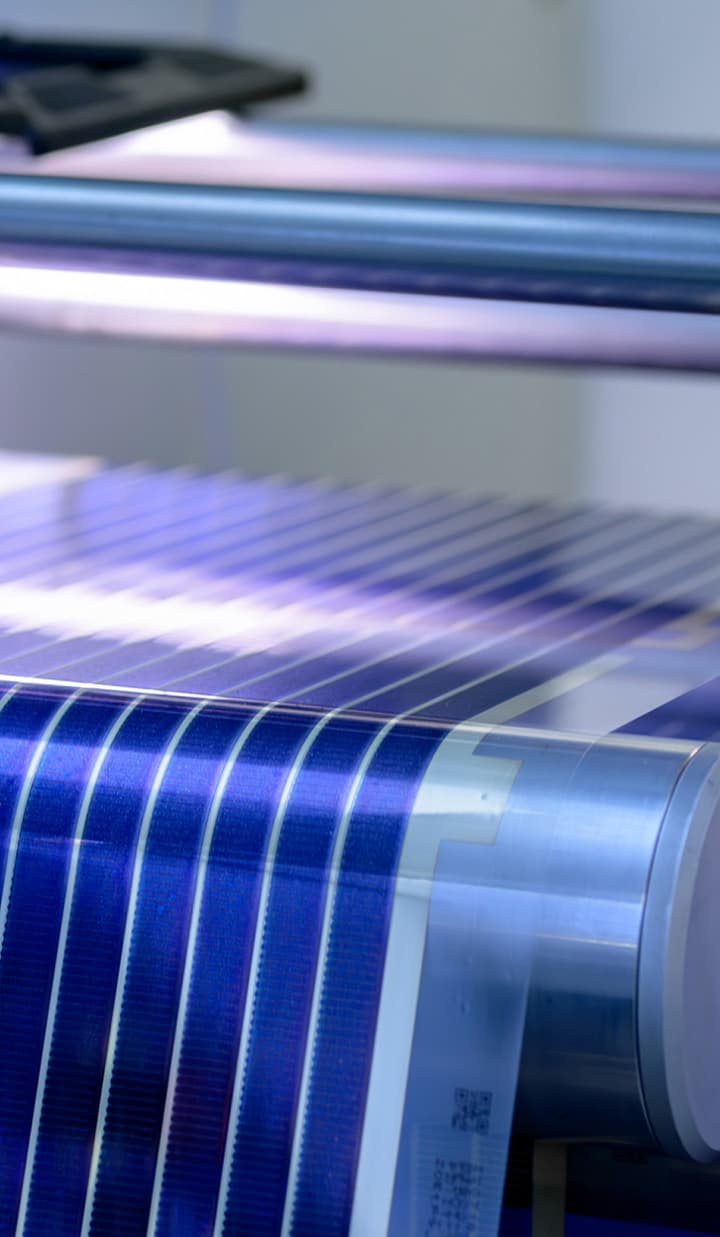
$370.3 million trailblazer universities
Initiatives like the $370.3 million Trailblazer Universities Program, the Australian Government is building new research capabilities, fuelling commercialisation outcomes and investing in engagement with industry partners.
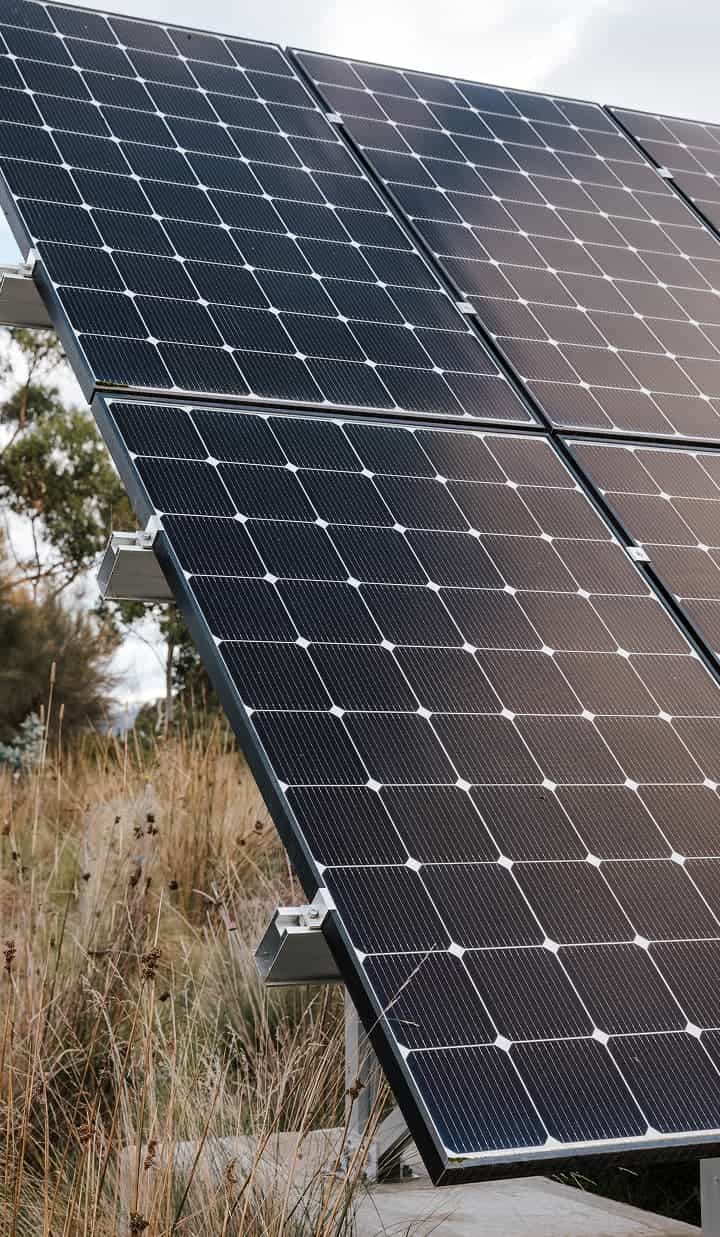
$4 billion national research infrastructure
The National Collaborative Research Infrastructure Strategy is supporting Australia’s research community in accessing cutting-edge national research infrastructure, with $4 billion being invested between 2018-2029. Case studies that illustrate real-life outcomes can be found here.
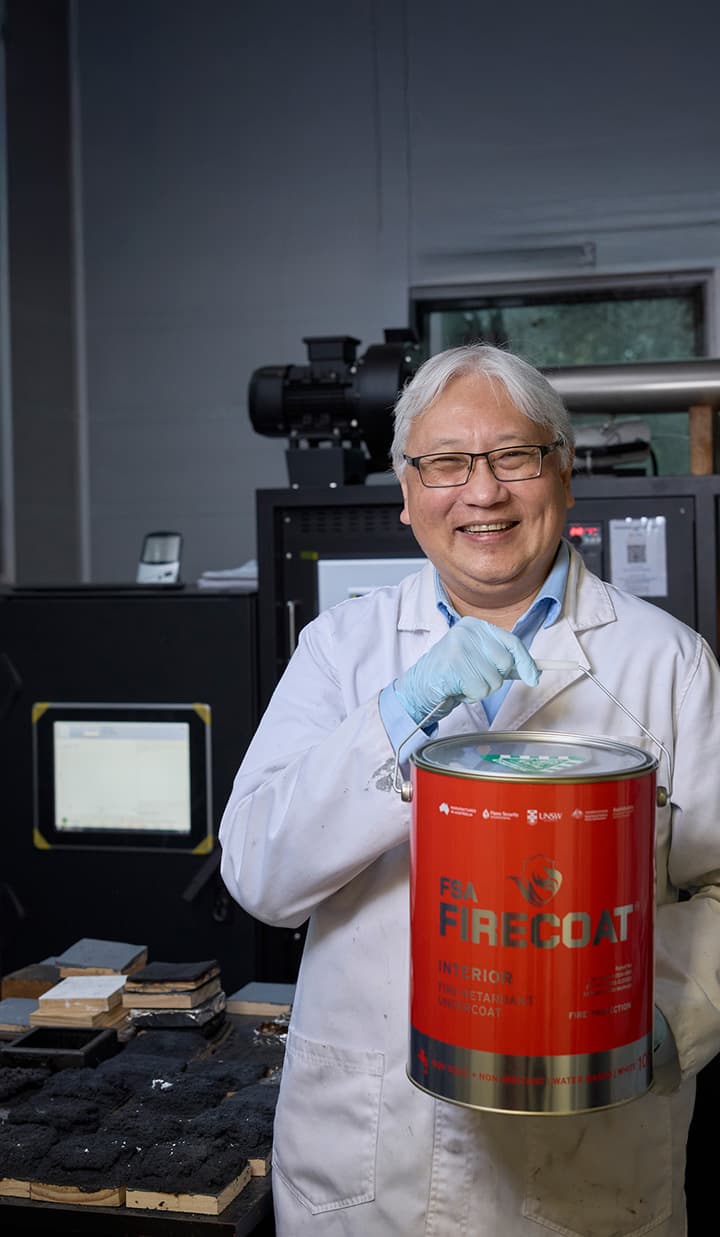
Standardising IP for research collaboration
The Higher Education Research Commercialisation Intellectual Property (IP) Framework standardises terms, clauses and agreements for collaboration on IP licensing, thus driving university collaboration, as well as uptakes of research output by Australian industry.
$370.3 million trailblazer universities
Initiatives like the $370.3 million Trailblazer Universities Program, the Australian Government is building new research capabilities, fuelling commercialisation outcomes and investing in engagement with industry partners.
$4 billion national research infrastructure
The National Collaborative Research Infrastructure Strategy is supporting Australia’s research community in accessing cutting-edge national research infrastructure, with $4 billion being invested between 2018-2029. Case studies that illustrate real-life outcomes can be found here.
Standardising IP for research collaboration
The Higher Education Research Commercialisation Intellectual Property (IP) Framework standardises terms, clauses and agreements for collaboration on IP licensing, thus driving university collaboration, as well as uptakes of research output by Australian industry.
Global partnerships
Australia has strong partnerships across critical technology fields with countries and regions like Japan, USA, UK, Canada and the EU. We work closely with them to maintain uninterrupted supply chains, invest in and safeguard critical technologies.
With the Cyber and Critical Tech Cooperation Program, Australia is also enhancing the capacity and resilience of our friends and partners in the Indo-Pacific, while improving the ethical frameworks and technical standards which underpin the development of critical technologies.
Furthermore, unwavering commitment to strategies such as the National Quantum Strategy will strengthen collaboration with international partners and grow Australia’s regional leadership through shared programs or research, science diplomacy and access to infrastructure.
Join us through the National Innovation visa and be part of Australia’s bright future in critical technologies.
Entrepreneurialism and commercial growth
The Australian Government acts quickly and decisively to advance the nation’s research capabilities and the commercialisation of Australia’s great ideas. The digital economy is estimated to have contributed between A$140 billion and A$250 billion to Australia’s GDP by 2025, fuelled by industries.
Click the cards for more information >

A$18 billion robotics industry
Australia has leading robotics expertise, renowned academic institutions and local capability in areas such as field robotics. Local robotics companies were worth approximately A$18 billion in annual revenue in 2021, up from A$12 billion in 2018.
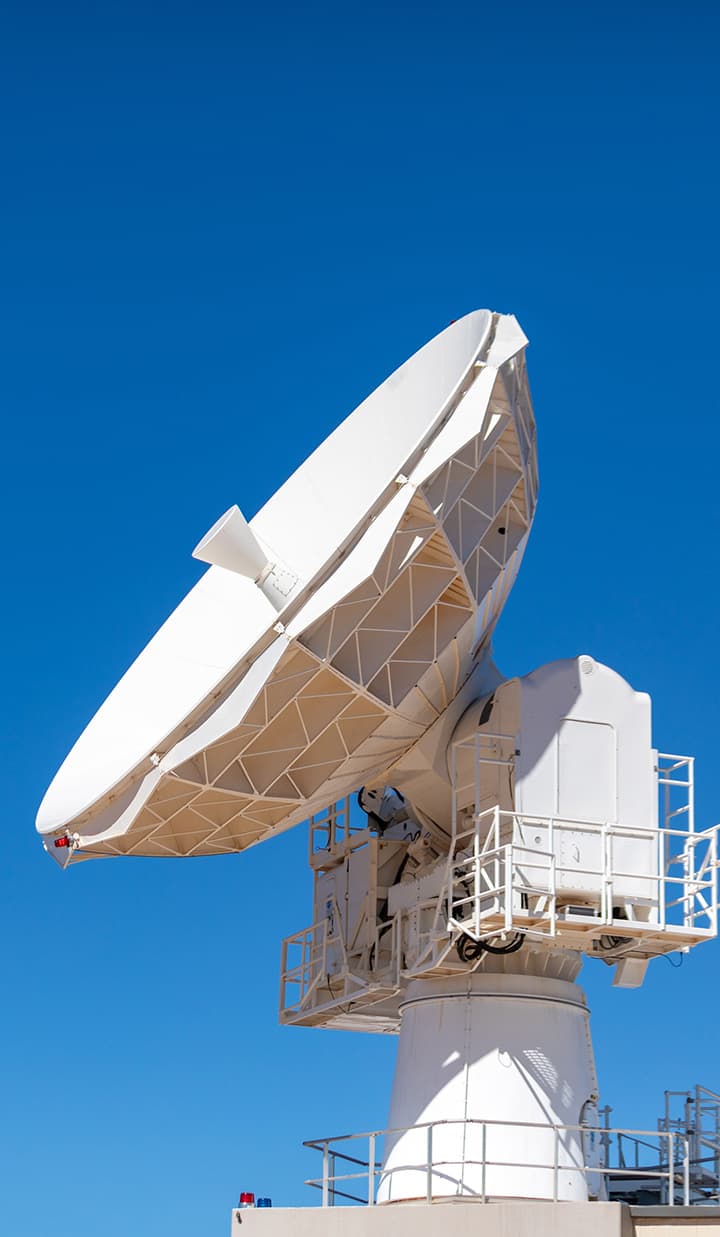
$30 billion IoT industry
Australia is a leading adopter of IoT technologies, with the local industry worth around $30 billion. This includes space technologies and space communications which underpin IoT in regional communities.
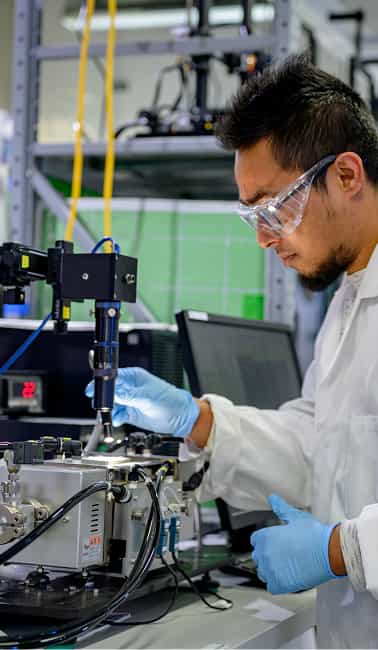
$4.3 billion photonics sector
Australia has a strong photonics industry that generates around $4.3 billion every year and employs around 10,000 people.
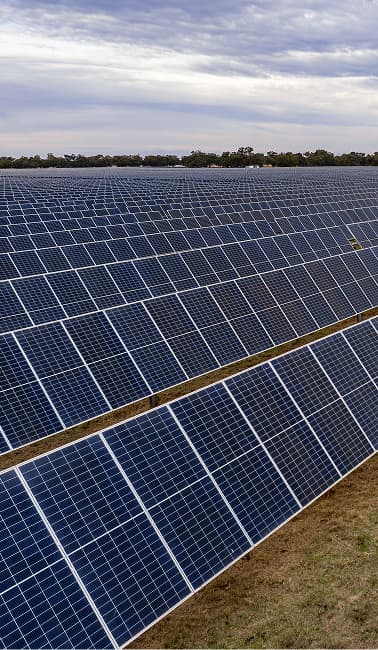
Solar energy robotics
Solar Energy Robotics, a specialist division of Innovative Energy Solutions has developed an autonomous robot to clean solar arrays in the harsh, arid environments of remote mine sites.
A$18 billion robotics industry
Australia has leading robotics expertise, renowned academic institutions and local capability in areas such as field robotics. Local robotics companies were worth approximately A$18 billion in annual revenue in 2021, up from A$12 billion in 2018.
$30 billion IoT industry
Australia is a leading adopter of IoT technologies, with the local industry worth around $30 billion. This includes space technologies and space communications which underpin IoT in regional communities.
$4.3 billion photonics sector
Australia has a strong photonics industry that generates around $4.3 billion every year and employs around 10,000 people.
Solar energy robotics
Solar Energy Robotics, a specialist division of Innovative Energy Solutions has developed an autonomous robot to clean solar arrays in the harsh, arid environments of remote mine sites.
Investing in the future workforce
Critical technologies are providing opportunities to grow the economy, deliver well-paying jobs and improve the lives of Australians.
< Click the cards for more information
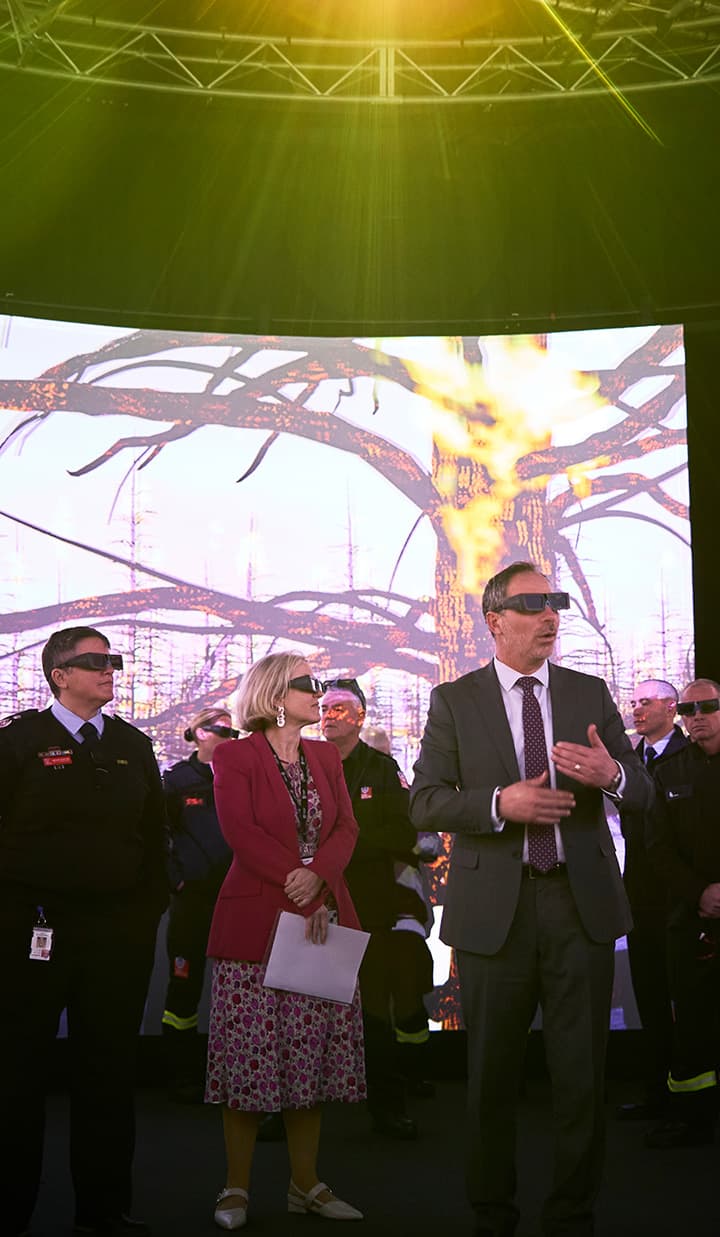
A$296 million national industry PhD program
The National Industry PhD Program is injecting A$296 million into establishing a suite of industry PhD and research fellowship schemes.


A$296 million national industry PhD program
The National Industry PhD Program is injecting A$296 million into establishing a suite of industry PhD and research fellowship schemes.
Further reading
Explore the below links to learn more about Australia’s unique position and opportunities within the critical technologies sector.
List of Critical Technologies in the National Interest
Defence Digital Strategy and Roadmap
Your expertise, your future.
Make the smart move to Australia
Express your interest through the National Innovation Visa and be part of Australia’s bright future.

We love exploring Australia’s beautiful landscapes. As our Australian friends have taught us, we love to ‘barbie’ at Hallett Cove. Australia has a family-friendly atmosphere. Settling down and starting our own family would be nice in a caring community like this.
An IT programmer and developer, Jaco Smith moved to Australia from South Africa to further his expertise in clinical data management and analysis for research companies undertaking drug development trials which can then be used for gaining regulatory approvals.
Jaco has a postgraduate degree in Information Systems from University of the Free State, Bloemfontein. Before moving to Australia, he worked in the clinical research organisation (CRO) industry. Jaco says that in Australia he enjoys meeting other highly skilled people in his field and exchanging ideas that contribute to the science of drug development and clinical research.
Jaco now calls Adelaide home. He enjoys the quality of life, the ease of getting around (especially on public transport), participating in the local Parkrun and going on walks.
Jaco Smith from South Africa
Common Questions
What visa options are available for national priority skillsets?
If you’re a highly skilled professional working in an area of national priority, there are several visa pathways that could support your move to Australia. Areas of national priorities include critical technologies, renewable and low emission technologies, health research and advancements, agri-food and AgTech, defence capabilities and space, education research and advancements, financial services and fintech, infrastructure and transport, or resources.
- National Innovation Visa - subclass 858
The National Innovation visa (NIV) subclass 858 is an invitation only visa for exceptional applicants who can drive innovation in sectors of national strategic importance. The subclass 858 visa offers permanent residency to individuals with an internationally recognised record of exceptional achievement in a priority sector, such as cybersecurity, quantum computing, AI, advanced manufacturing, and more.
You'll be able to live and work in Australia permanently, contribute to high-impact innovation, and access pathways to citizenship. Learn more or Apply now
You may also be eligible for other skilled visa programs:
- Skilled Independent Visa - subclass 189
A permanent visa for invited skilled workers who do not require sponsorship by an employer or state and territory government. - Skilled Nominated Visa - subclass 190
A permanent visa requiring nomination by a state or territory government. Applicants must have an occupation listed on the relevant skilled occupation list. - Skilled Work Regional (Provisional) Visa - subclass 491
A temporary visa that allows skilled workers to live and work in designated regional areas. Nomination by a state or territory government or sponsorship by an eligible family member is required. This visa can lead to permanent residency. - Skills in Demand visa - subclass 482
A temporary visa (up to 4 years) for workers sponsored by an employer.
Available through the Core Skills, Specialist Skills and Labour Agreement streams.
May lead to permanent residency through subclass 186. - Employer Nomination Scheme visa - subclass 186
Allows skilled workers nominated by an Australian employer to live and work permanently in Australia. - Skilled Employer Sponsored Regional (Provisional) visa - subclass 494
For skilled workers nominated by an employer in regional Australia to live and work in a designated regional area.
Where is the best place to live in Australia for professionals in critical technologies?
Australia has several innovation and technology hubs ideal for professionals in critical technologies such as AI, quantum computing, cybersecurity, advanced manufacturing, and more. Top locations include:
- Sydney (NSW) – A major centre for fintech, cybersecurity, and advanced digital services, with leading universities and research institutions like CSIRO and UNSW.
- Melbourne (VIC) – Known for strengths in artificial intelligence, MedTech, and data science, Melbourne is home to Australia's largest tech workforce and vibrant startup ecosystem.
- Brisbane (QLD) – A growing hub for BioTech, robotics, and clean energy, with strong industry partnerships and government support.
- Canberra (ACT) – Ideal for defence, cybersecurity, and government-linked tech innovation, especially for those working in national security sectors.
- Adelaide (SA) – Rapidly emerging in defence technology, space technology, and advanced manufacturing with major investments in R&D and innovation precincts.
Key regional hubs include:
- Newcastle and Wollongong (NSW) – Growing tech scenes with strong ties to universities and industries like advanced manufacturing and digital innovation.
- Geelong (VIC) – Emerging as a centre for defence technology, AI, and advanced manufacturing with expanding innovation precincts.
- Toowoomba and Cairns (QLD) – Developing hubs for AgriTech, environmental technology, and cybersecurity with strong regional incentives.
- Eyre Peninsula and northern South Australia (SA) – Focused on space technology, and defence industries with government-backed initiatives
- Hobart and Launceston (TAS) – Investing in renewable energy technology, biotech, and digital services in scenic and affordable locations.
Choice may depend on your specialisation, lifestyle preferences, or visa pathway.
Are there any location requirements for the National Innovation Visa?
There are no location requirements under the National Innovation Visa. You’re free to live and work anywhere in Australia — from vibrant capital cities to emerging regional innovation hubs.
Explore more about where in Australia you can build your future.
What’s it like to live and work in Australian cities vs. regional areas?
Metropolitan areas, such as Sydney, Melbourne, and Brisbane offer thriving professional networks, world-class infrastructure, and a multicultural lifestyle.
Other state and territory capital cities, such as Perth, Adelaide, Hobart, Darwin and Canberra, and Australia's regional areas offer a slower pace, lower living costs, and incentives for industries like AgTech and renewable energy. Both paths offer strong career potential — the choice is yours.
Explore lifestyle locations across Australia to find your best fit
What support is available for families of skilled migrants?
Australia offers a welcoming environment for skilled migrants and their families, with strong support systems to help you settle and thrive. Key benefits include:
- Excellent education system: access to world-class public and private schools, and leading universities.
- High-quality healthcare: comprehensive care provided by government through Medicare (for eligible visa subclasses), and private health services.
- Family-friendly work culture: flexible working arrangements, generous parental leave, and child care support.
- Safe and stable communities: a high standard of living with a strong economy and low crime rates.
- Job opportunities: diverse career prospects for both primary applicants and partners.
Learn more about family lifestyle