Renewables and low emission technologies
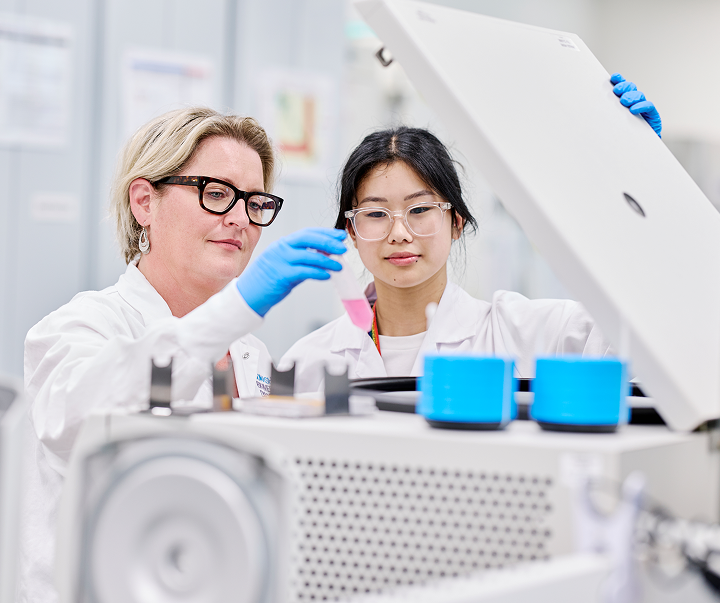
Australia is seeking world-leading experts to advance the nation’s innovation in renewables and low emissions technologies. Priority areas span renewable energy, clean fuels, critical minerals, circular economy solutions, and emerging low carbon technologies and carbon capture and storage solutions.

Bio-methane production
Circular economy innovations
Clean energy technology

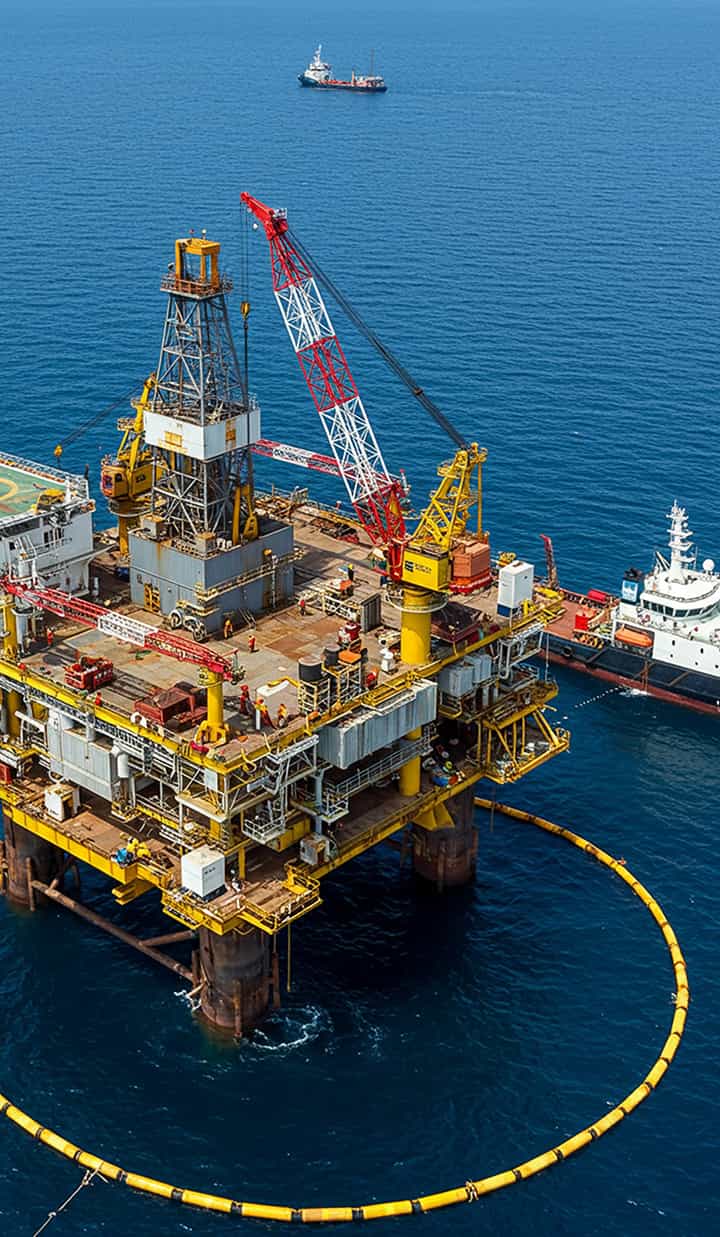
Emission reduction and carbon storage
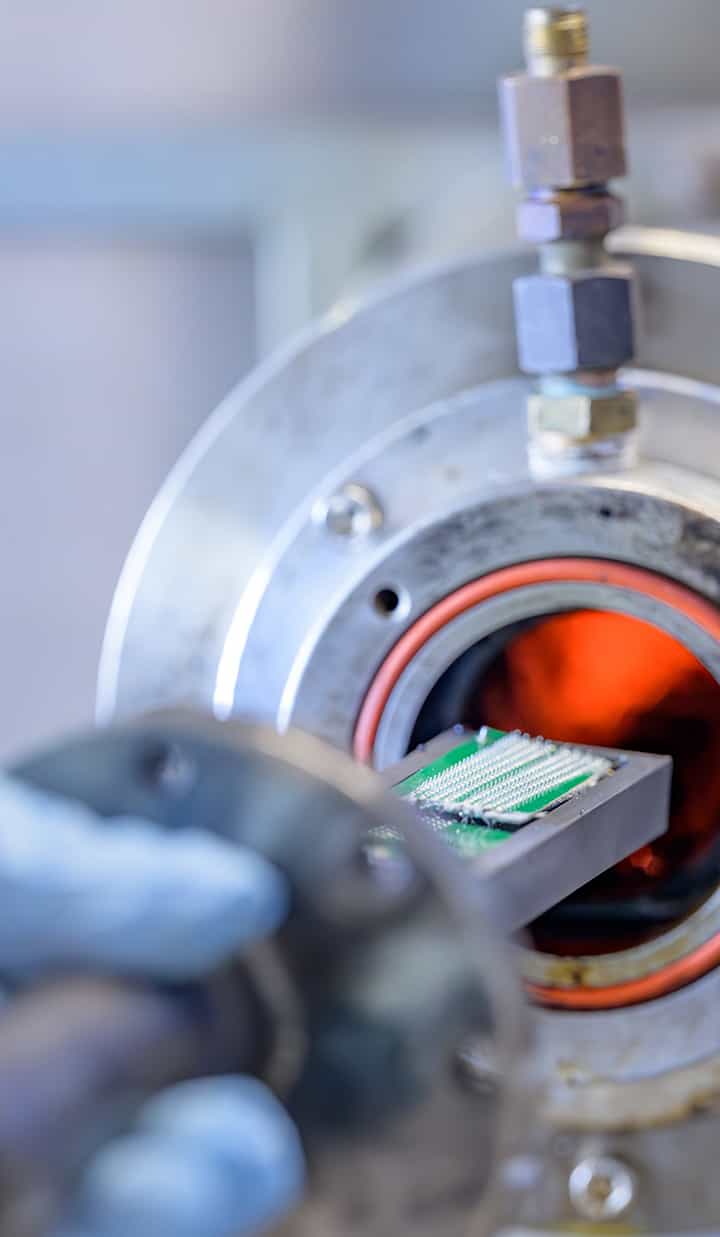
Green metals
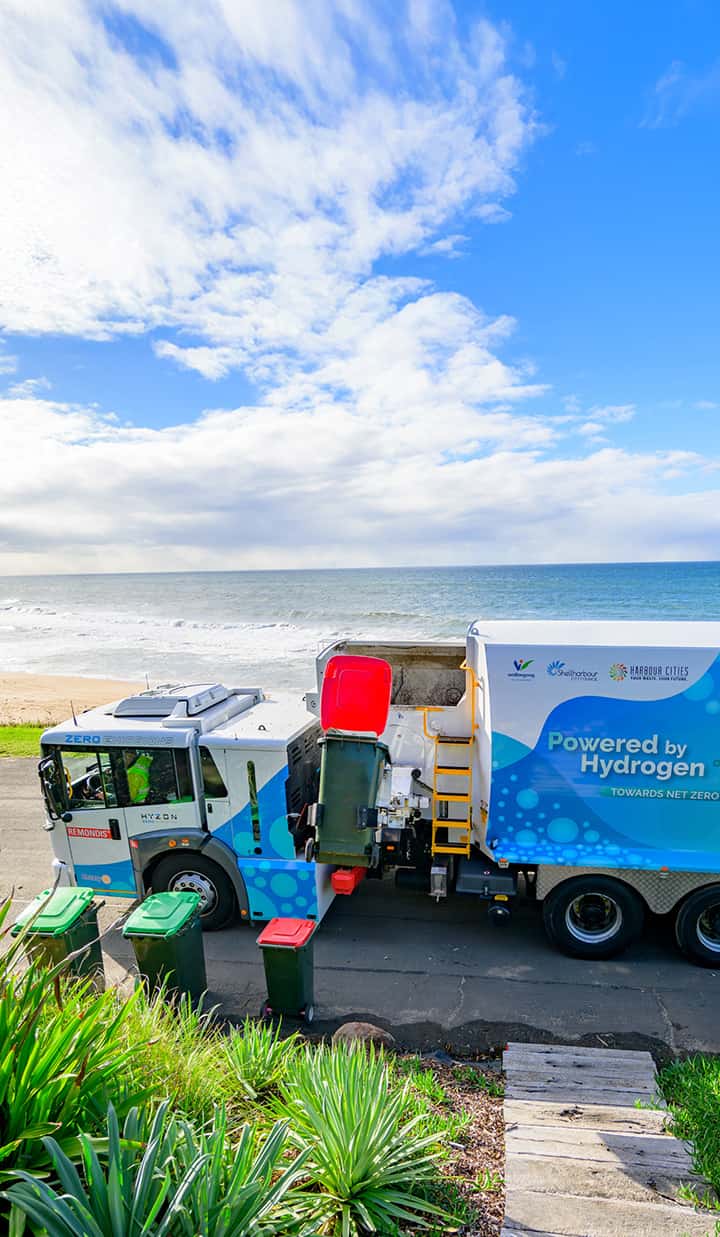
Low-carbon liquid fuels
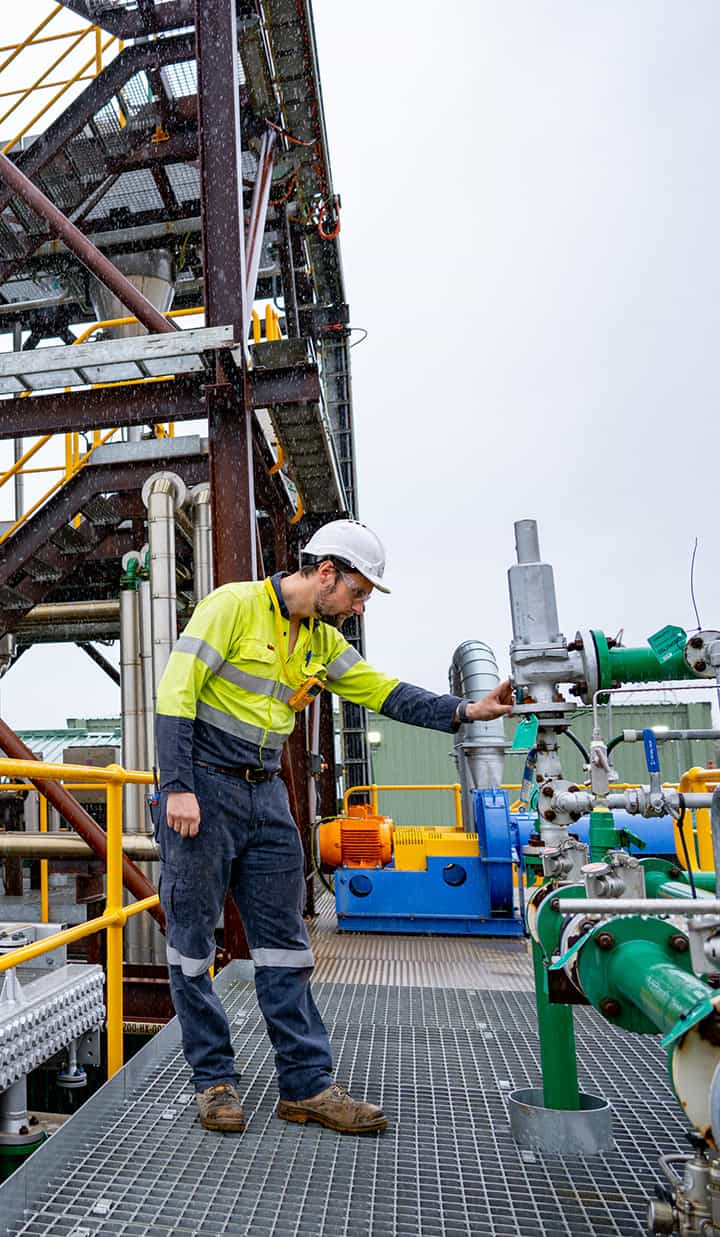
Processing and refining of critical minerals
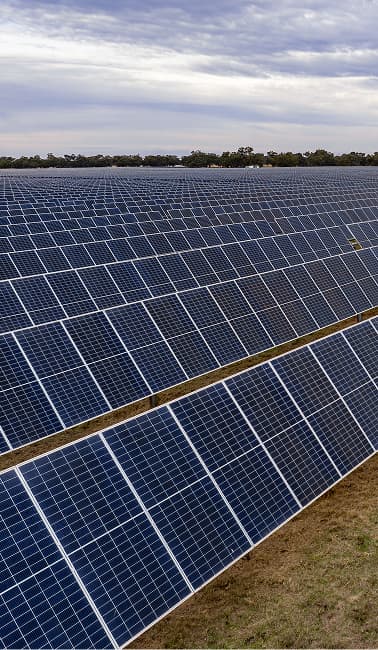
Renewable energy generation and storage
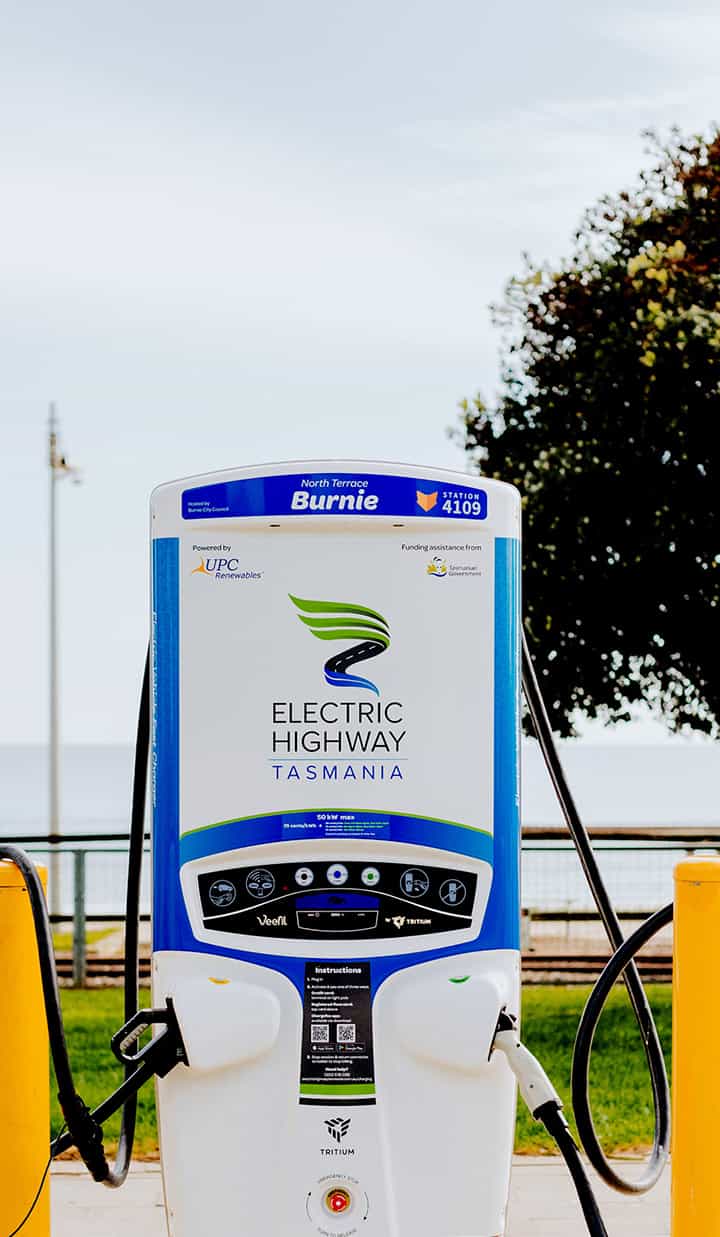
Renewable energy transmission and distribution
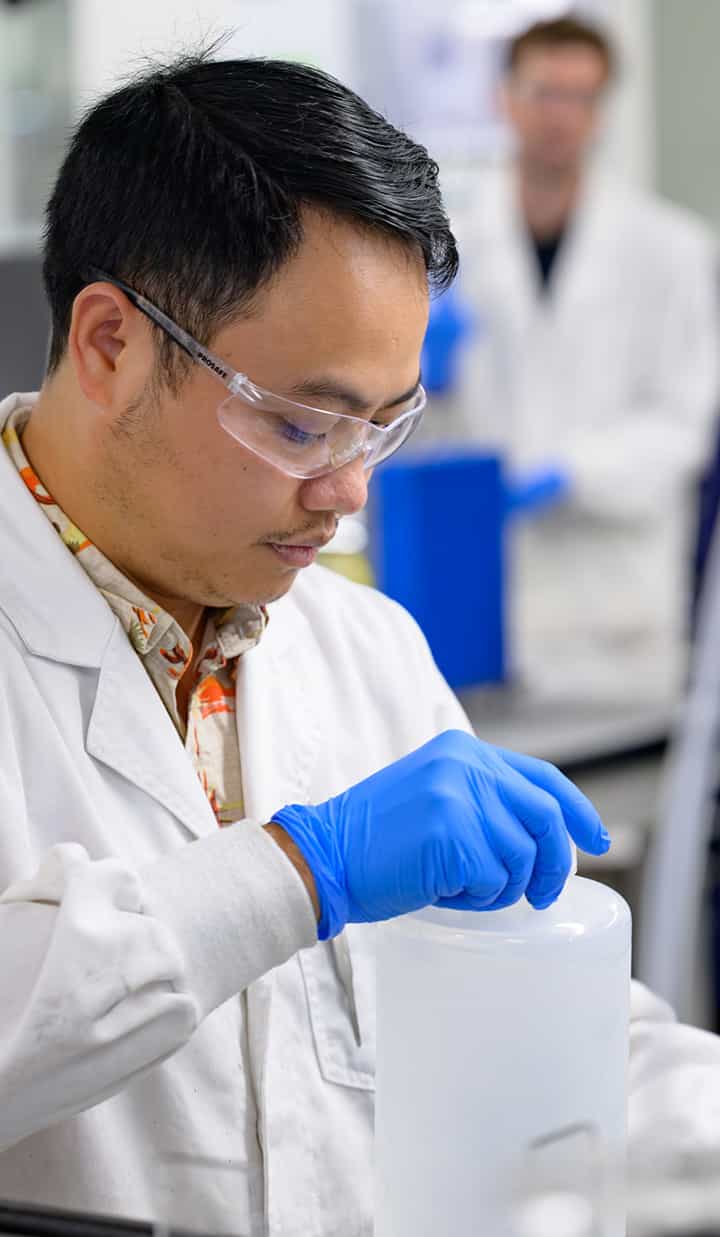
Renewable hydrogen
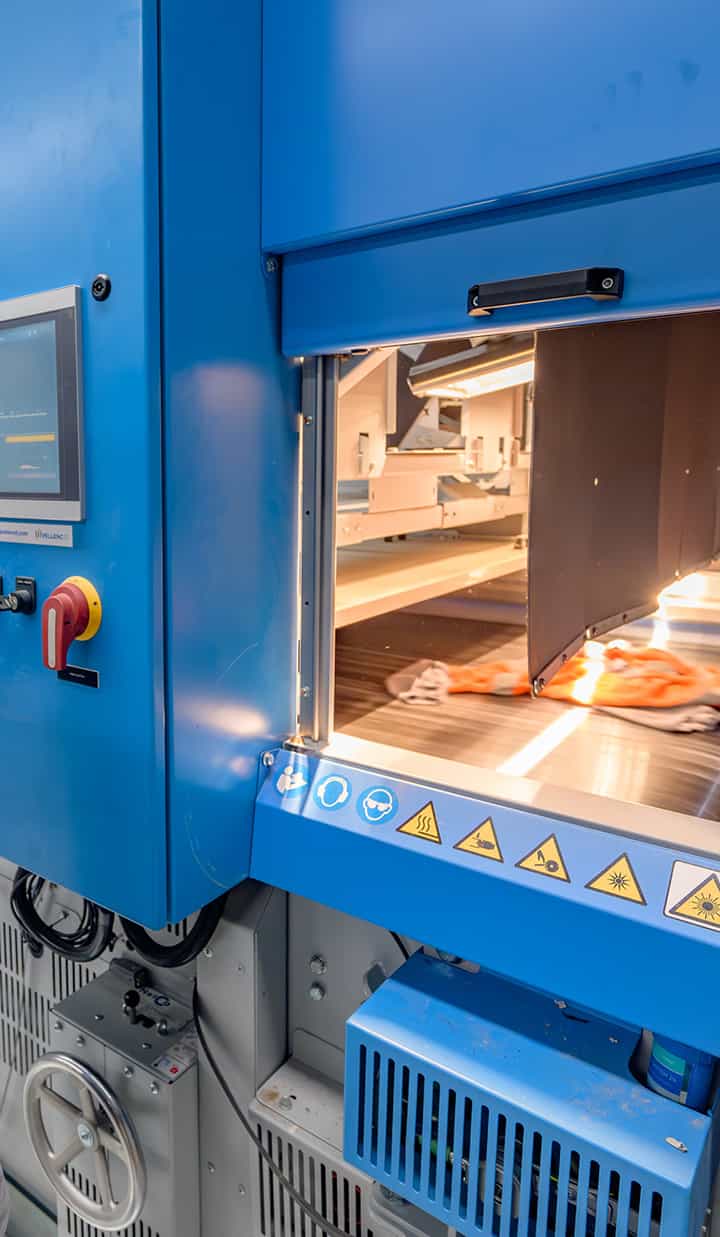
Waste to energy (WtE) technology
The future of renewables and low emissions technologies in Australia
The Australian Government has committed to a A$22.7 billion investment over a decade for Future Made in Australia. This plan is designed to maximise the economic and industrial benefits of the international move to net zero. It is intended to contribute to securing Australia’s place in a changing global economic and strategic landscape, by:
- attracting and enabling investment -
- making Australia a renewable energy superpower -
- adding value to Australia’s resources -
- strengthening economic security -
- backing Australian ideas -
- investing in the people, communities
and services that will drive national success -
The net zero transition and heightened geostrategic competition are transforming the global economy.
Towards net zero
Australia’s Net Zero Plan details the Australian Government’s commitment against climate change.
Emission reduction targets set at 43% below 2005 levels by 2030, 62-70% below 2005 levels by 2035, and net zero by 2050, will help deliver a safer future and drive a more prosperous economy. This is achievable through our abundant resources for renewable and decarbonised energy (e.g. wind and solar), emerging innovation ecosystems, and international trading relationships.
Australia is poised to become a global leader in low-emission technology due to its comparative advantages.
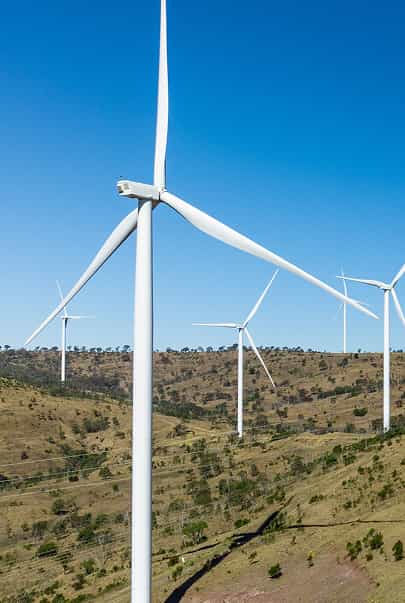
Abundance of low-cost renewable energy
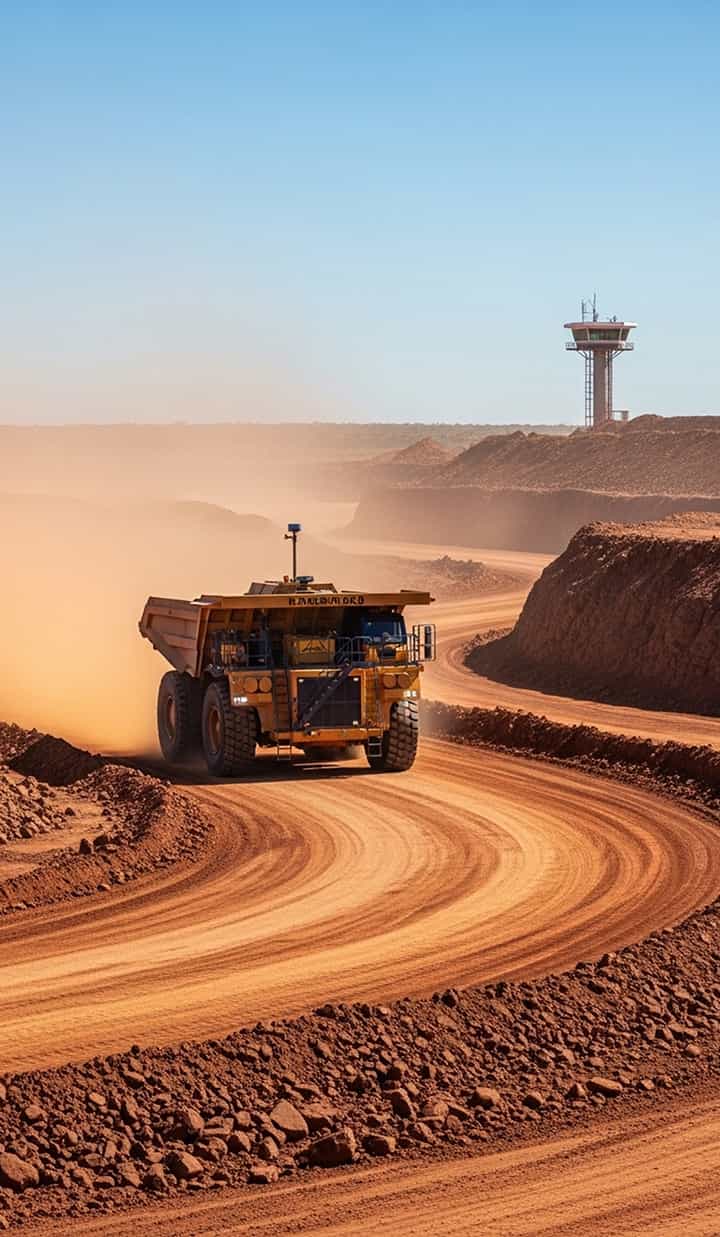
Abundance of critical inputs and bulk raw materials
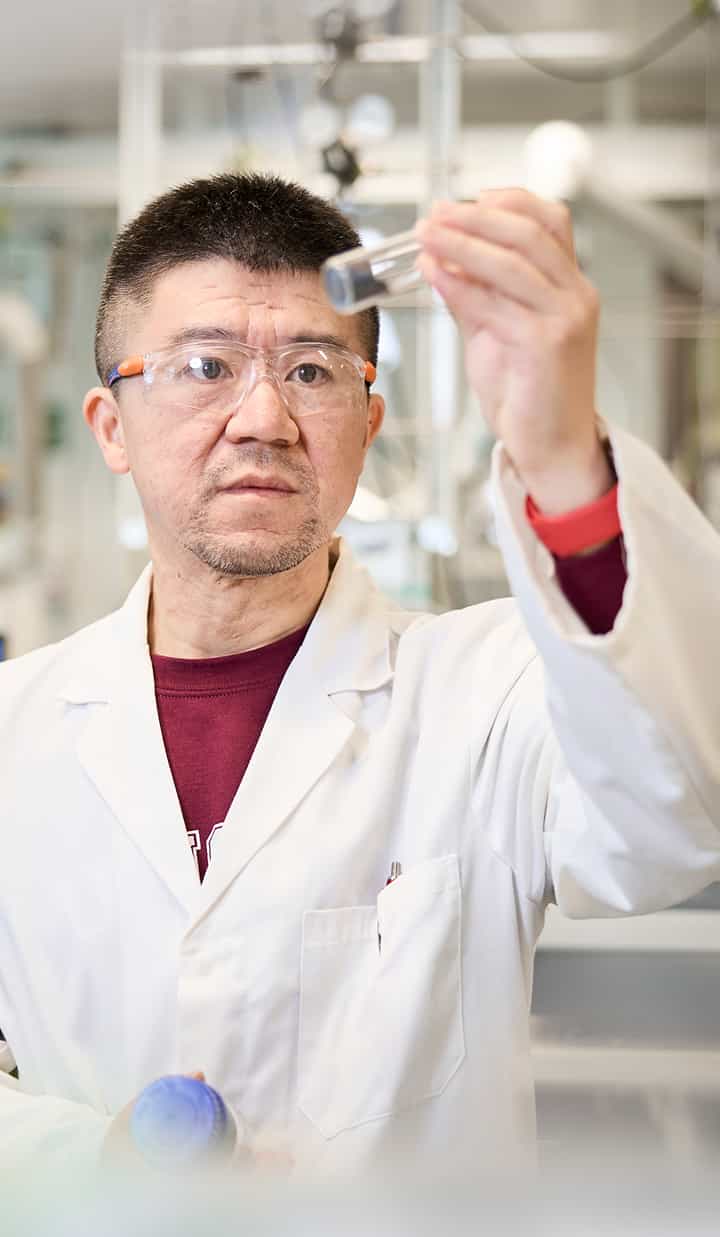
Existing strengths in research and development
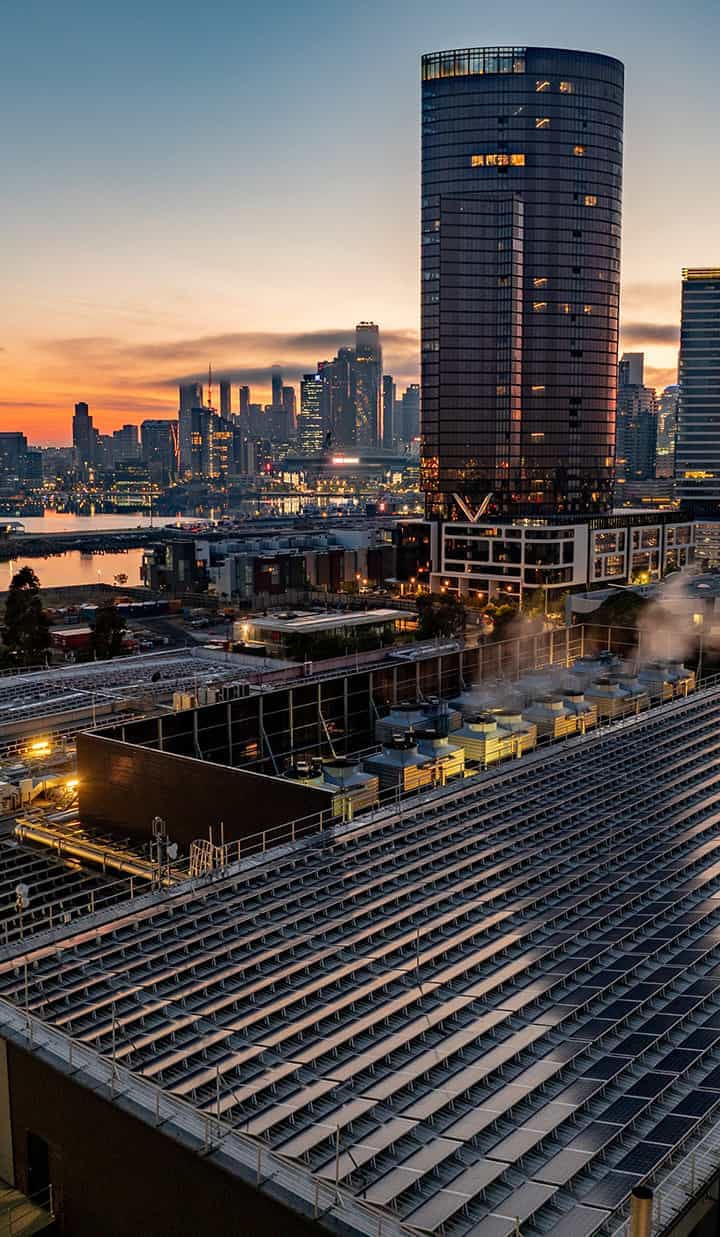
Deep capital markets
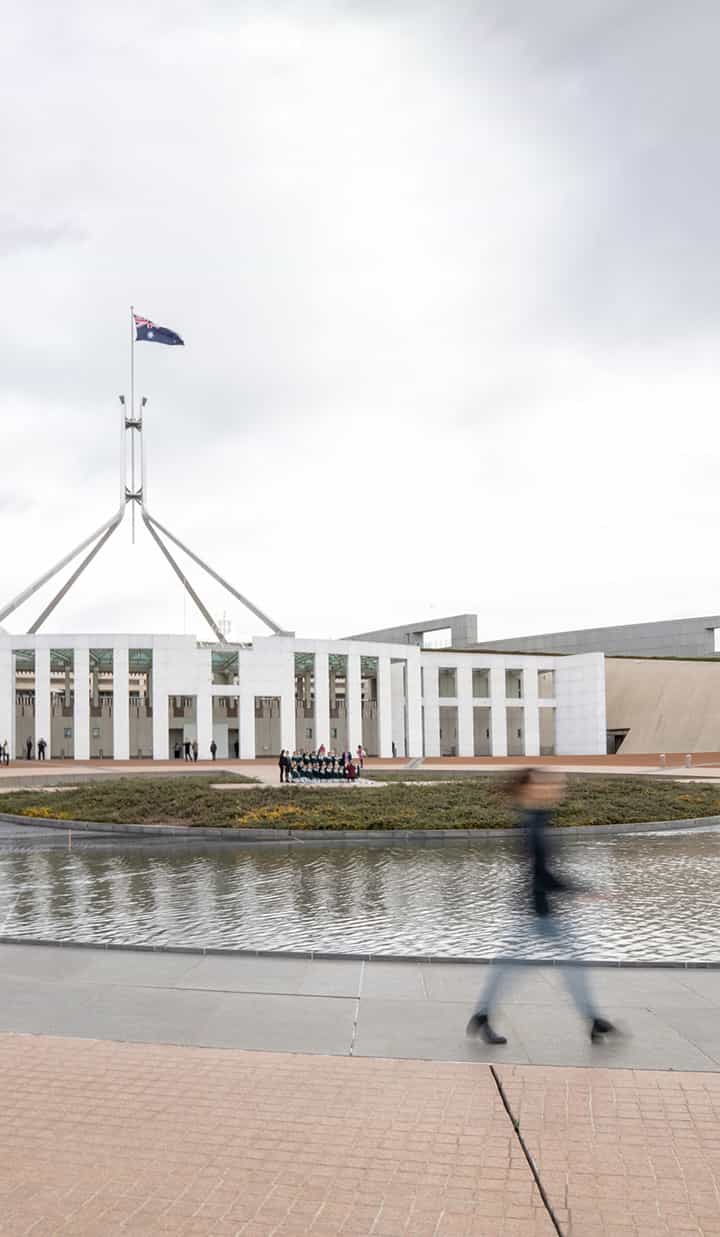
Low sovereign risk and stable political environment
Proximity to fast growing Indo-Pacific markets
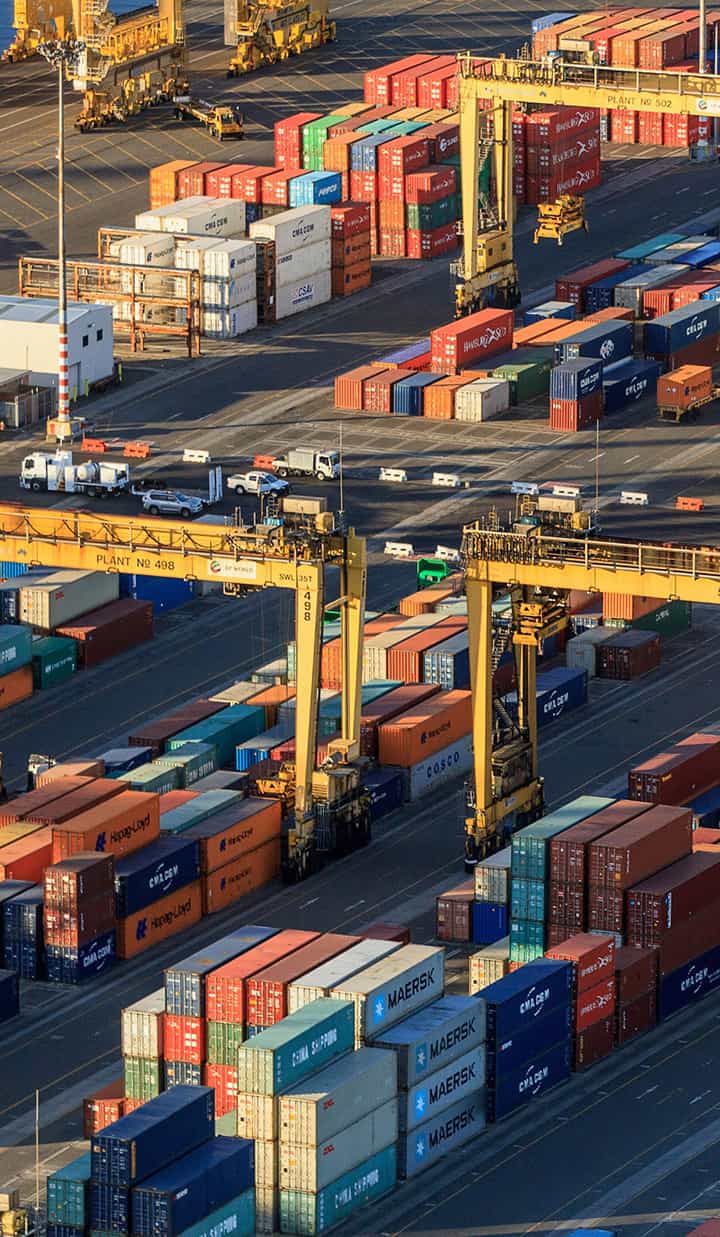
Strong track record as a reliable exporter of energy and resources
Investment and funding opportunities
The net zero transition and heightened geostrategic competition are transforming the global economy. To drive growth in renewables and low emission technologies, the Australian Government has introduced and supported a wide range of programs and grants.
Click the cards for more information >
A$20 billion Rewiring the Nation program
A$20 billion Rewiring the Nation program providing low-cost finance to upgrade and expand the Australian electricity grid.
A$65 billion capacity investment scheme
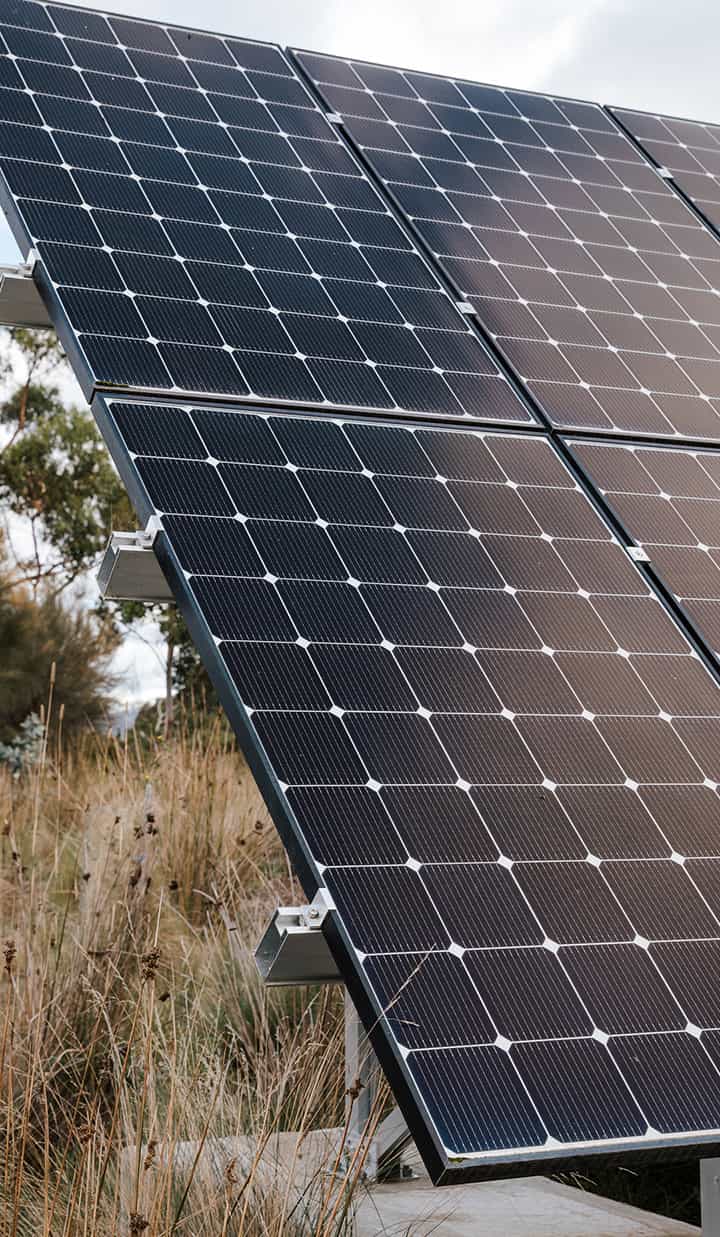
The expanded Capacity Investment Scheme will deliver 32 GW of renewable energy generation. The scheme will unlock over A$65 billion of renewable energy capacity. This investment will help transform the electricity grid to one powered by renewables.
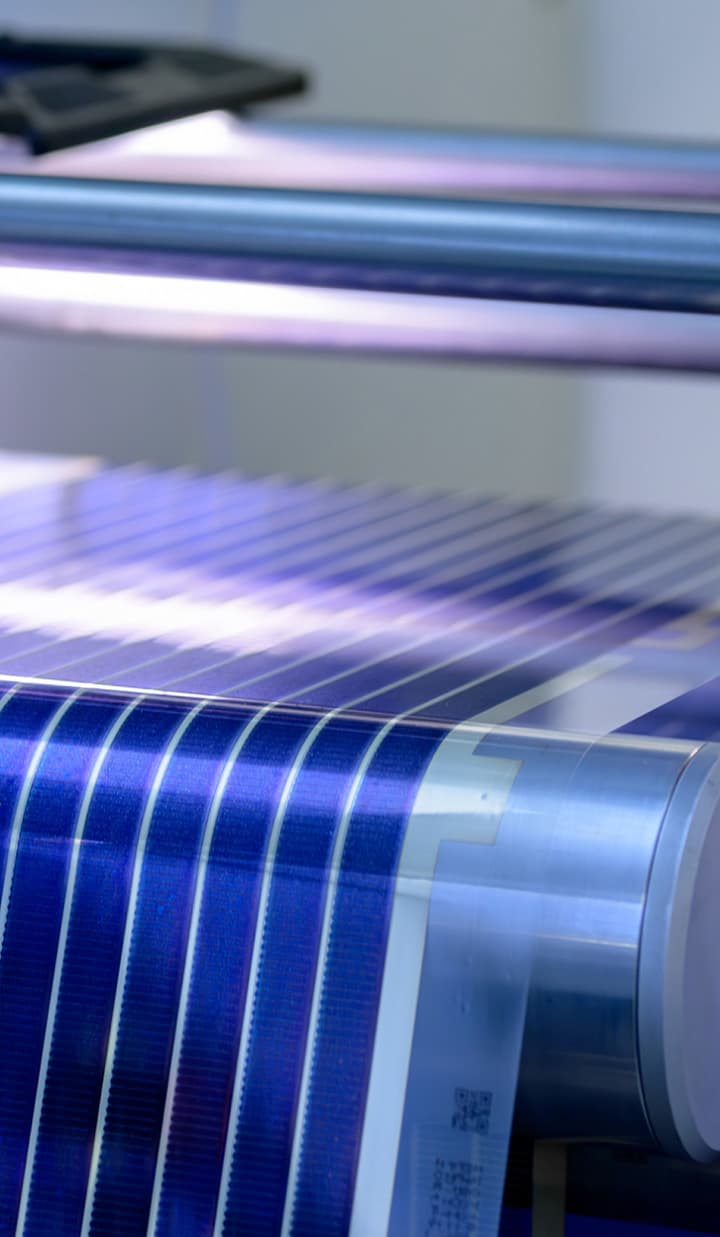
A$1 billion Solar Sunshot program
The Solar Sunshot program will invest A$1 billion to develop Australia’s solar PV manufacturing industry. The program will support manufacturers to establish and grow facilities across the solar PV supply chain.
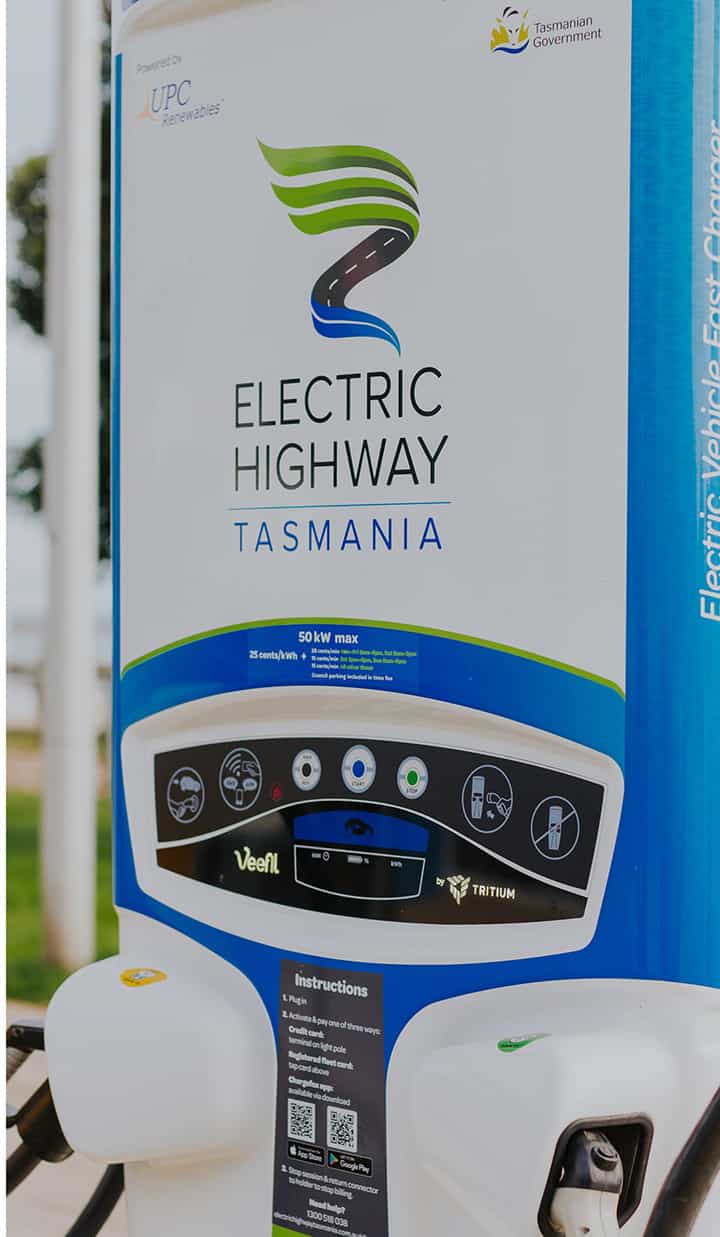
A$523.2 million battery breakthrough initiative
The Battery Breakthrough Initiative (A$523.2 million over 7 years) will help manufacturers move up the battery value chain. This is a key deliverable under the National Battery Strategy.
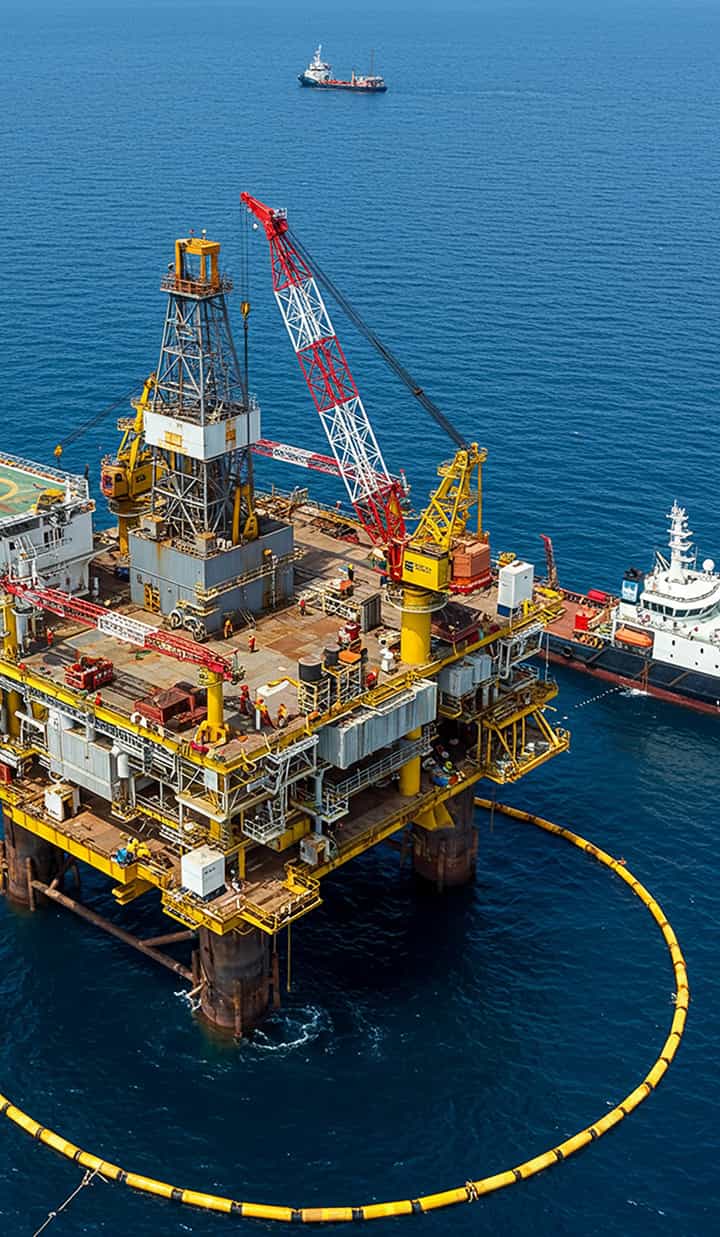
A$1.9 billion Powering the Regions program
Funding worth A$1.9 billion in our Powering the Regions program supports clean energy industries and the decarbonisation of existing industries.
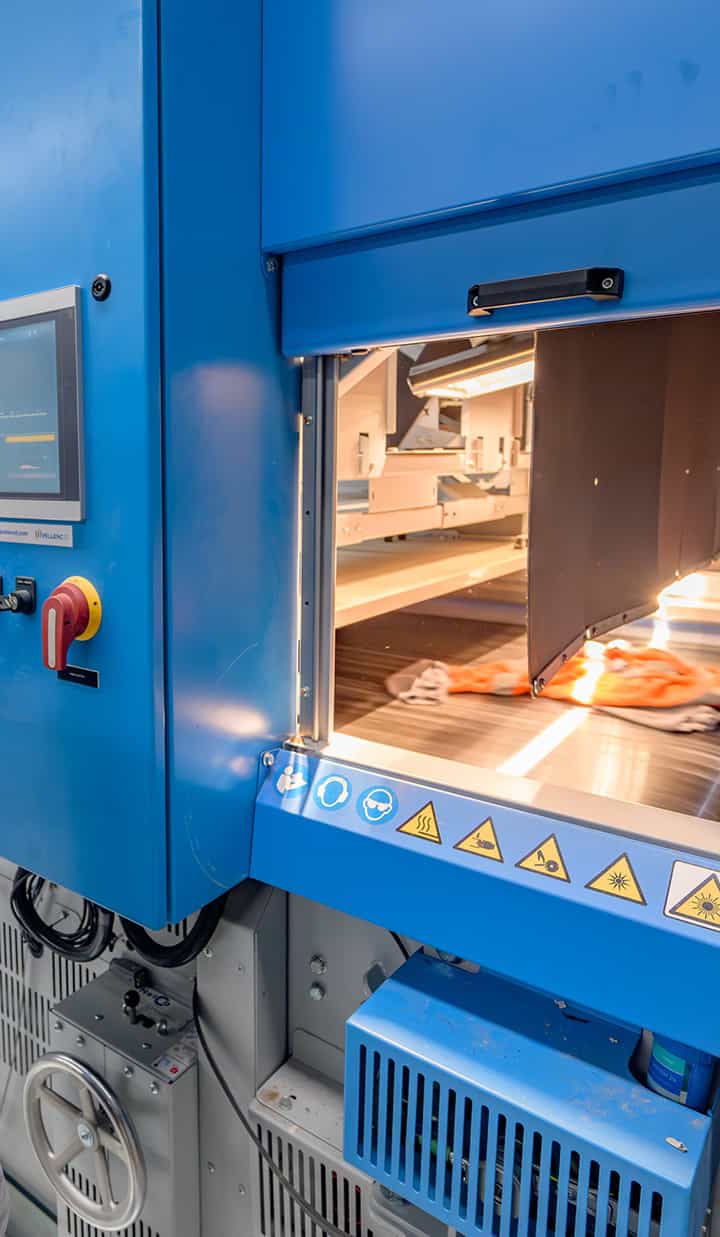
A$15 billion national reconstruction fund
National Reconstruction Fund (NRF): A$15 billion offered to targeted investments to diversify and strengthen Australia’s economy. Areas of focus include renewable energy generation, transmission, distribution and storage, reducing greenhouse gas emissions, energy efficiency, recycling, and waste reduction or resource recovery.
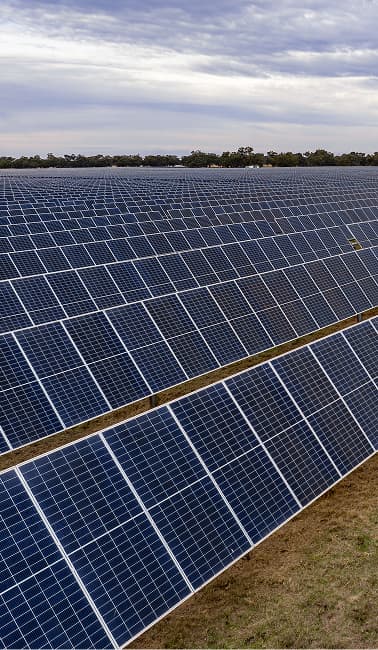
Renewable energy target
Large-scale Renewable Energy Target (LRET) incentivises investment in major renewable projects such as solar farms. A similar scheme exists for individuals and small businesses to install eligible small-scale renewable energy systems.
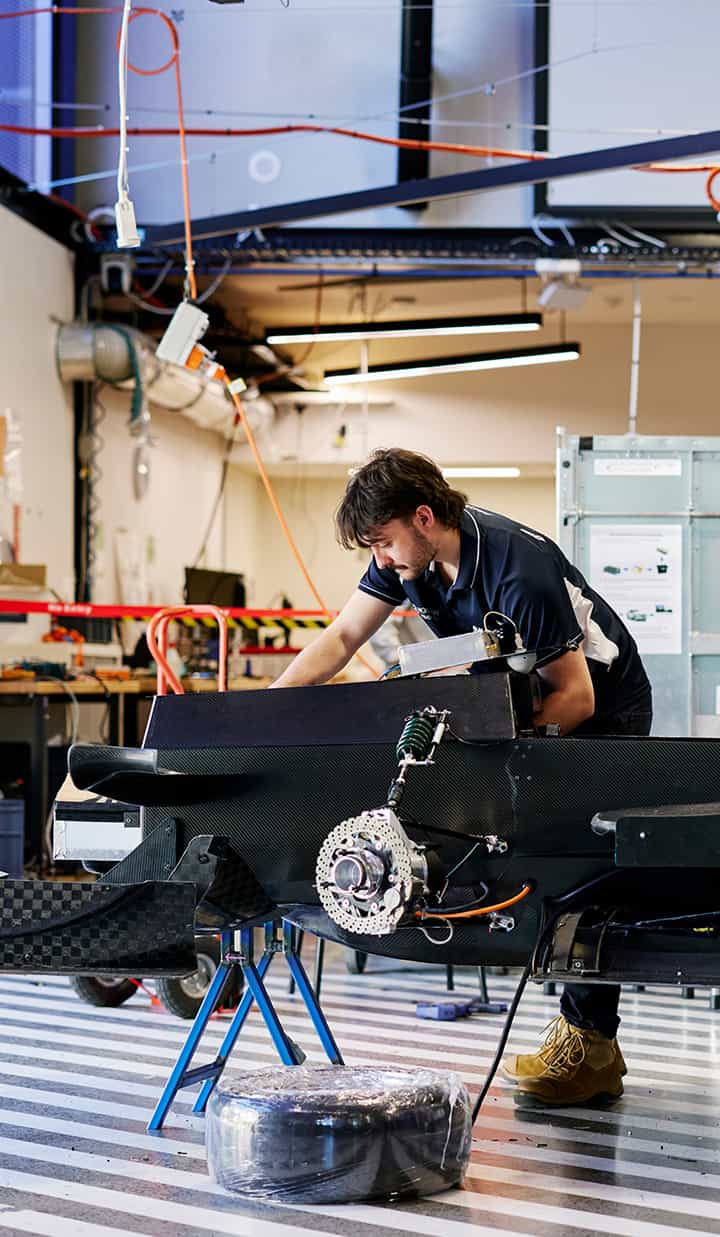
A$1.6 billion economic accelerator
Australia’s Economic Accelerator: $1.6 billion grant dedicated to funding translation and commercialisation of university research aligned with national research priorities.

Industry growth program
Industry Growth Program (IGP) assists innovative small and medium-sized enterprises (SMEs) and startups in the development phase.
Research and development
Decarbonising Australia towards a net zero future is a top priority in Australia’s National Science and Research Priorities. Multiple sectors across the Australian economy are driving technological growth in:
- soil carbon, atmospheric carbon removal and carbon capture, use and storage
- bioenergy, bioresources and low carbon liquid fuels
- electrification, renewable energy, and ultra low-cost solar
- energy efficiency
- gas for firming renewables
- clean hydrogen
- lightweight, low carbon and zero emissions materials
< Click the cards for more information
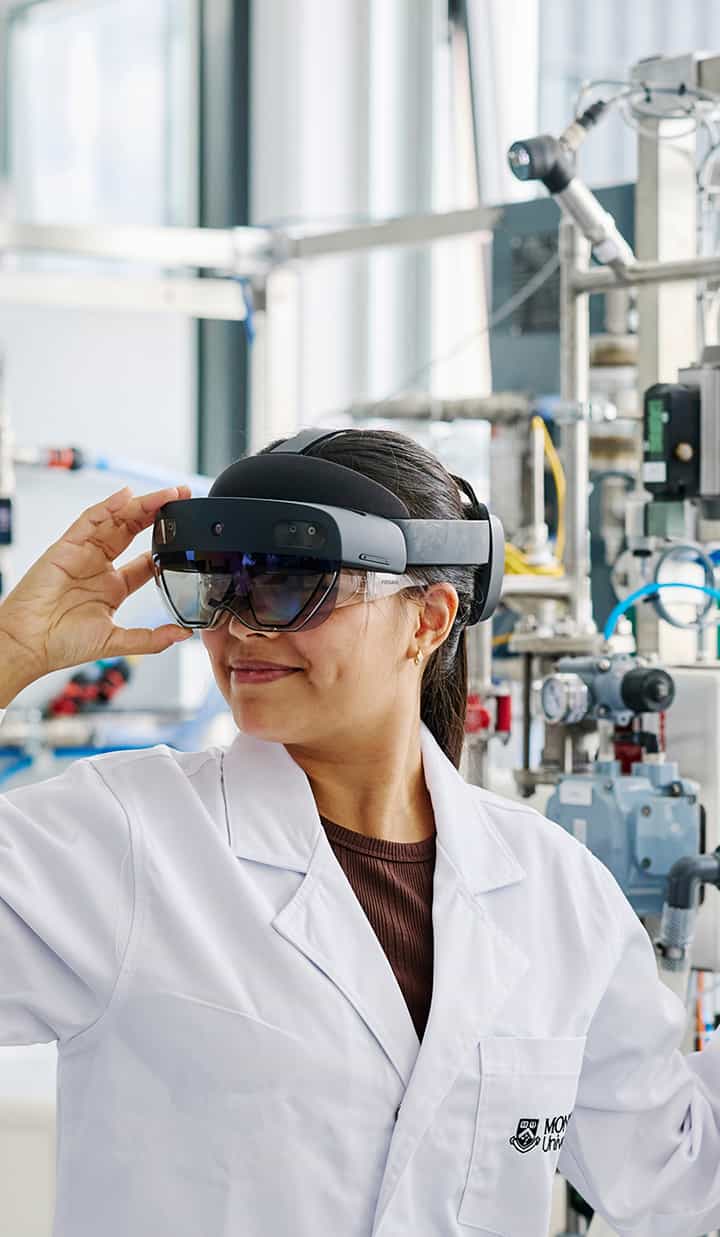
A$370.3 million trailblazer universities program
The government also aims to fuel commercialisation outcomes and engagement with industry by creating new research capabilities through the A$370.3 million
Trailblazer Universities Program.

A$4 billon national collaborative research infrastructure strategy
The National Collaborative Research Infrastructure Strategy invests A$4 billion between 2018 and 2029 to strengthen Australia’s research infrastructure
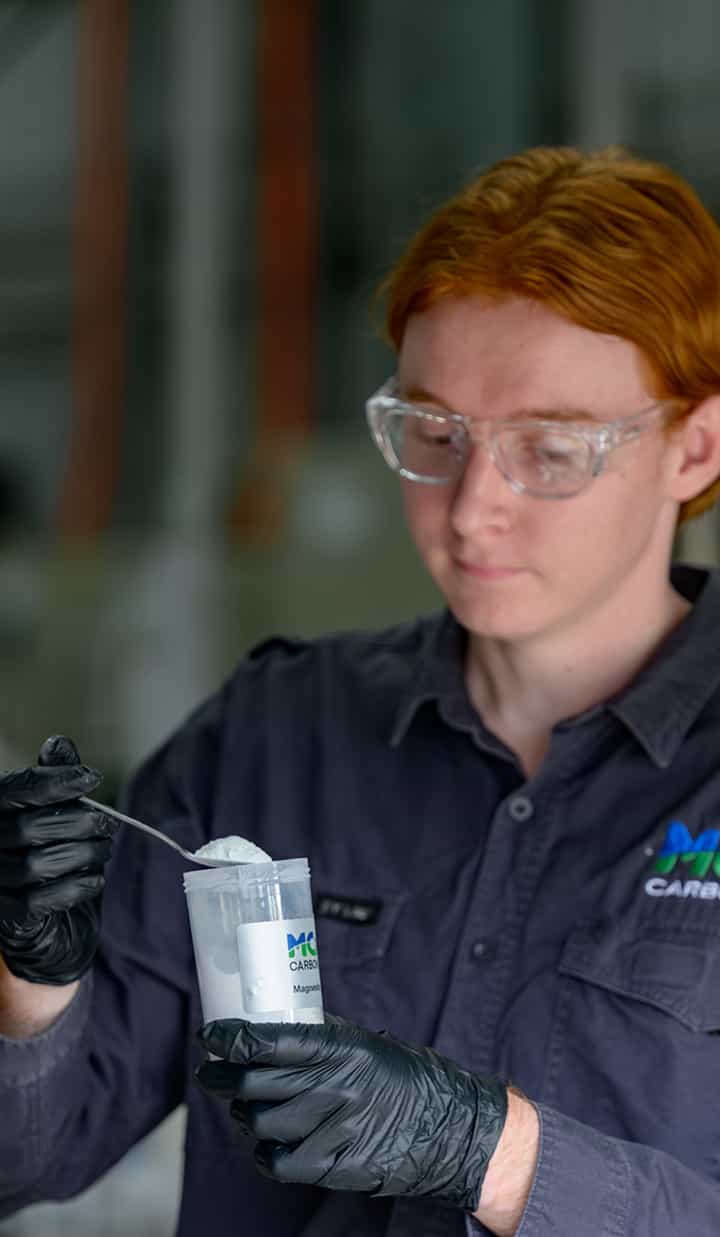
Industry-led research grants
The government supports industry-led research through grants under the Cooperative Research Centres (CRC) Program.
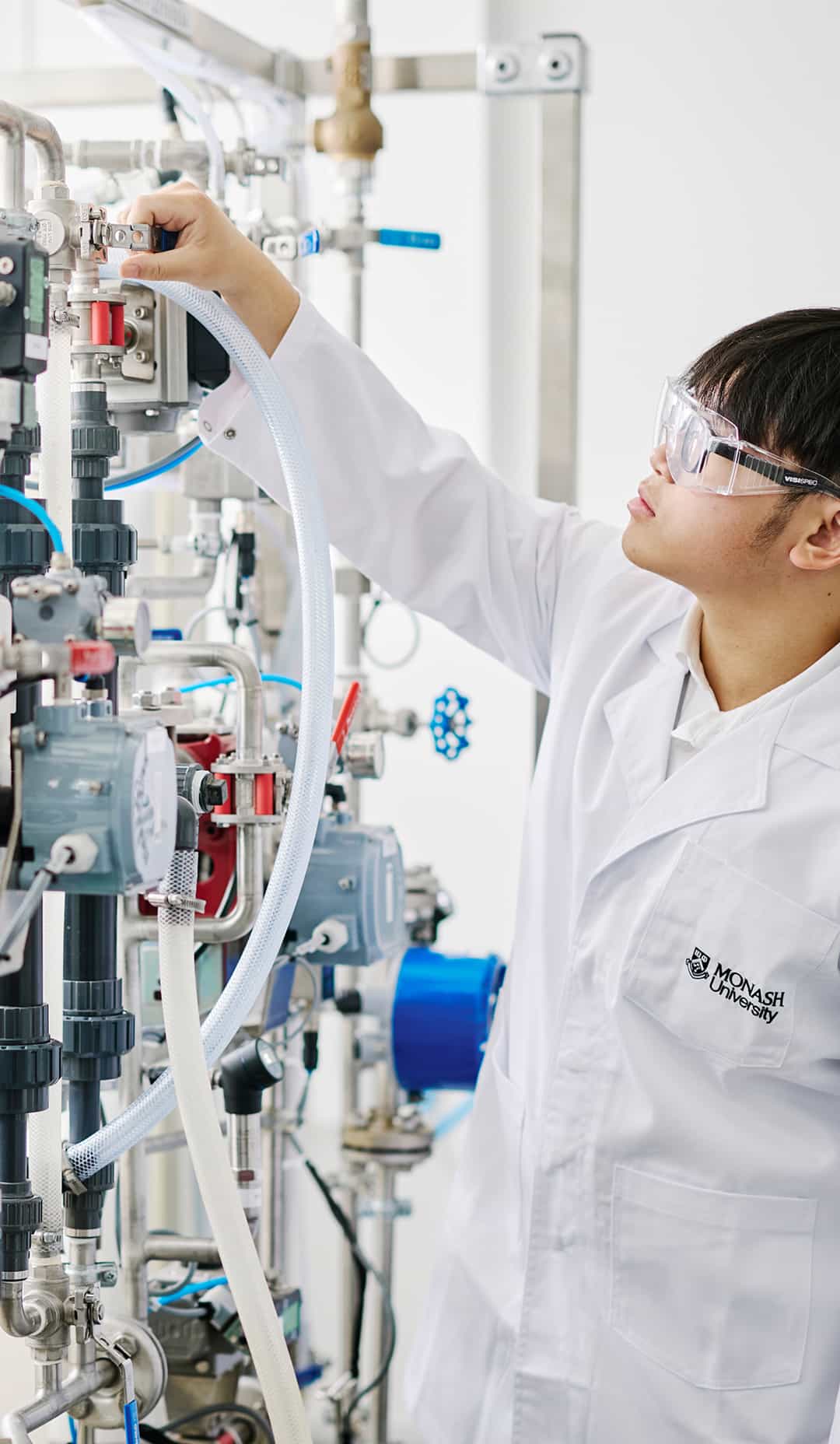
A$800 million ARC research grant
Academic-wise, the Australian Research Council (ARC) funds, advises, and assesses research of the highest standard. Annual grants totalling A$800 million are awarded to individuals, teams and large-scale centres through the Discovery Program and Linkage Program.
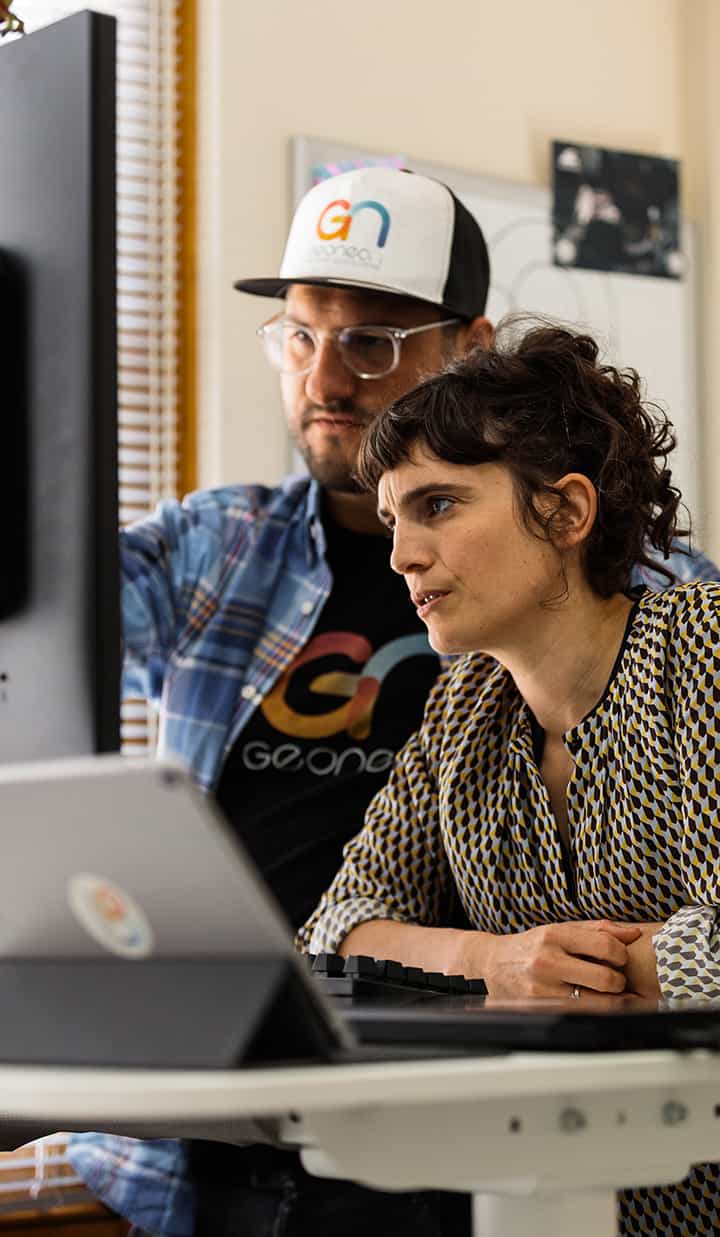
Intellectual property framework
The Intellectual Property (IP) Framework standardises terms for collaboration on IP licensing and assignment to encourage collaboration.
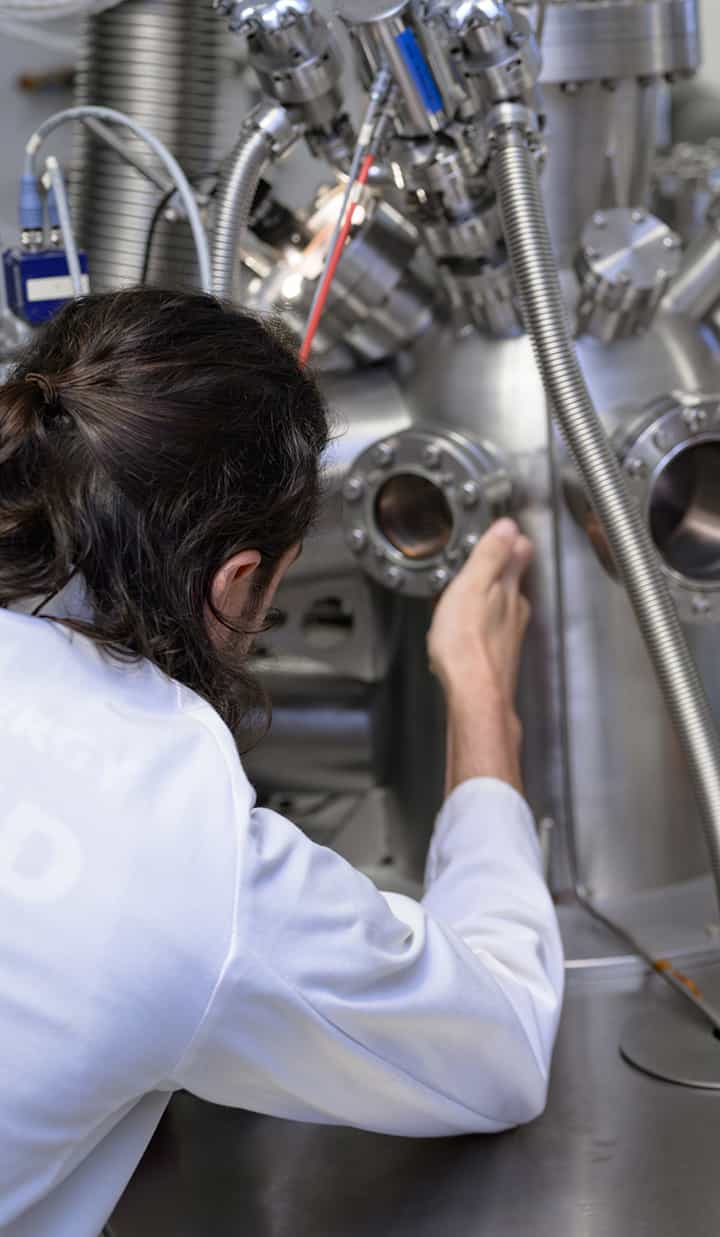
CSIRO drives innovation through collaboration
The Commonwealth Scientific and Industrial Research Organisation (CSIRO) works with universities, research institutes and industry to develop technologies and support commercial uptake.
Global partnerships
The Australian Government is working closely with international partners to advance practical action on climate change and build new clean energy industries. We are cooperating to:
- deepen collaboration to tackle the global climate challenge -
- support regional and global energy transformation -
- build new clean energy trade opportunities for Australia -
- increase and diversify clean energy supply chains -
Australia has partnerships in place with China, Germany, India, Japan, the Republic of Korea, Singapore, the United Kingdom, the United States and the Netherlands.
Join us through the National Innovation visa and be part of Australia’s bright future in renewables and low emission technologies.
Entrepreneurialism and commercial growth
The Australian Government supports innovation and commercialisation of renewable energy and low emission technologies through the Australian Renewable Energy Agency (ARENA).
Click the cards for more information >
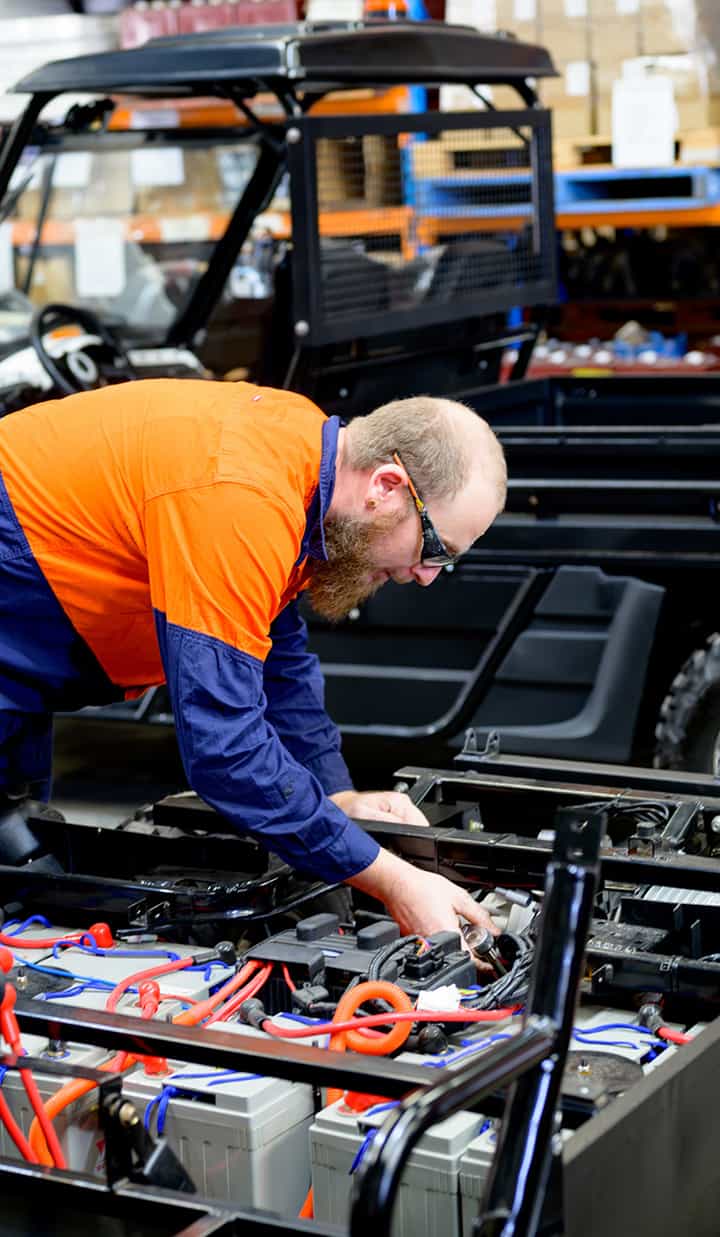
Supporting innovation through ARENA
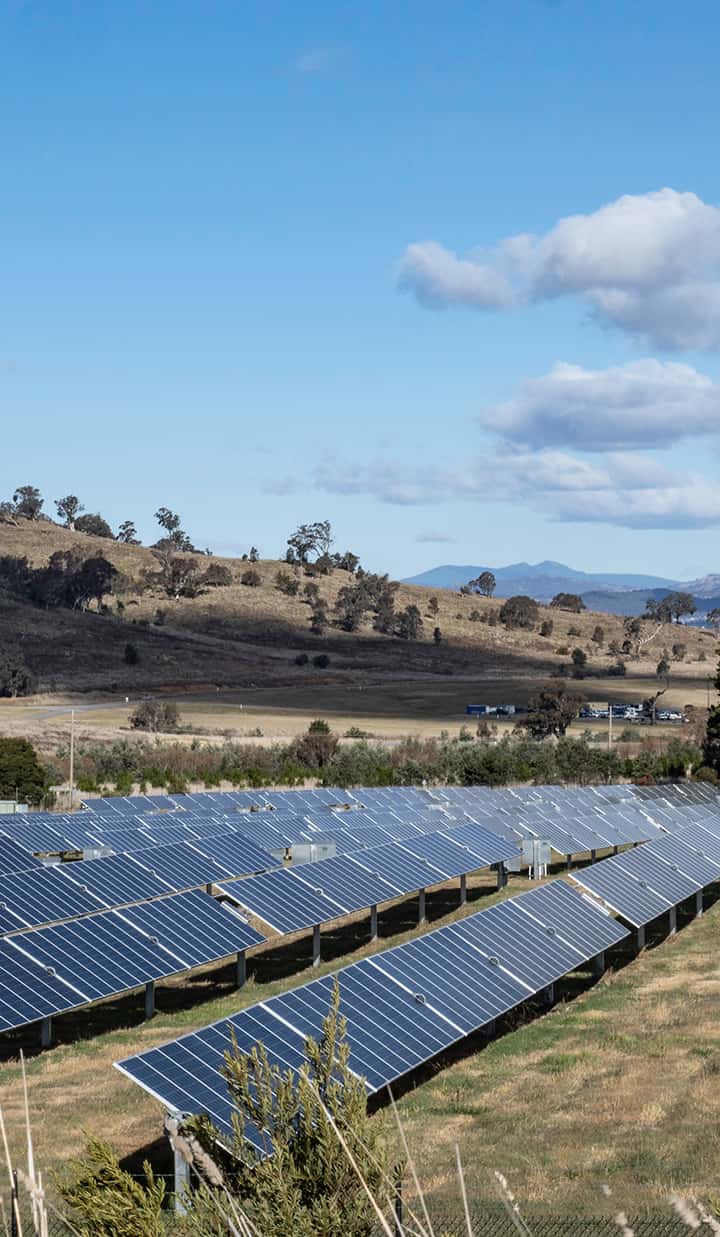
ARENA bridges the gap between innovation and investment to help emerging and early-stage technologies become commercially viable.
Clean Energy Finance Corporation
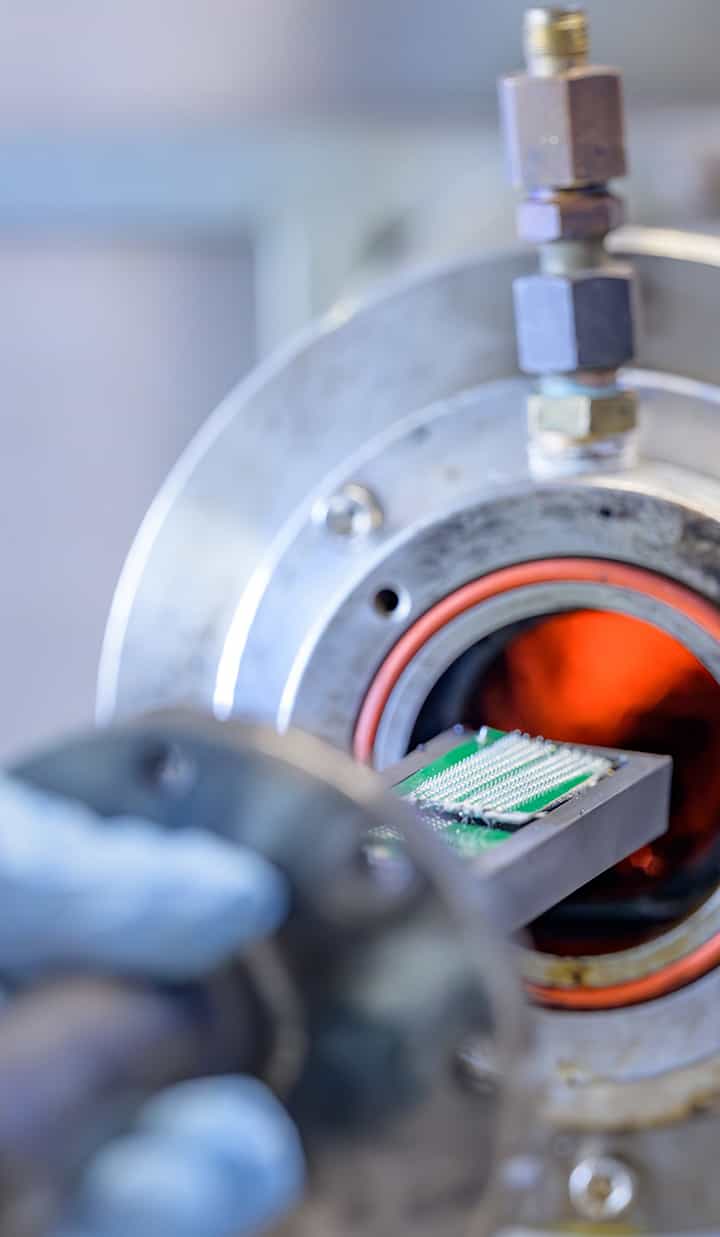
In the private sector, the Clean Energy Finance Corporation (CEFC) specialises in low emissions technologies investment, as well as the bankability of new revenue streams.
A$1.3 billion modern manufacturing initiative
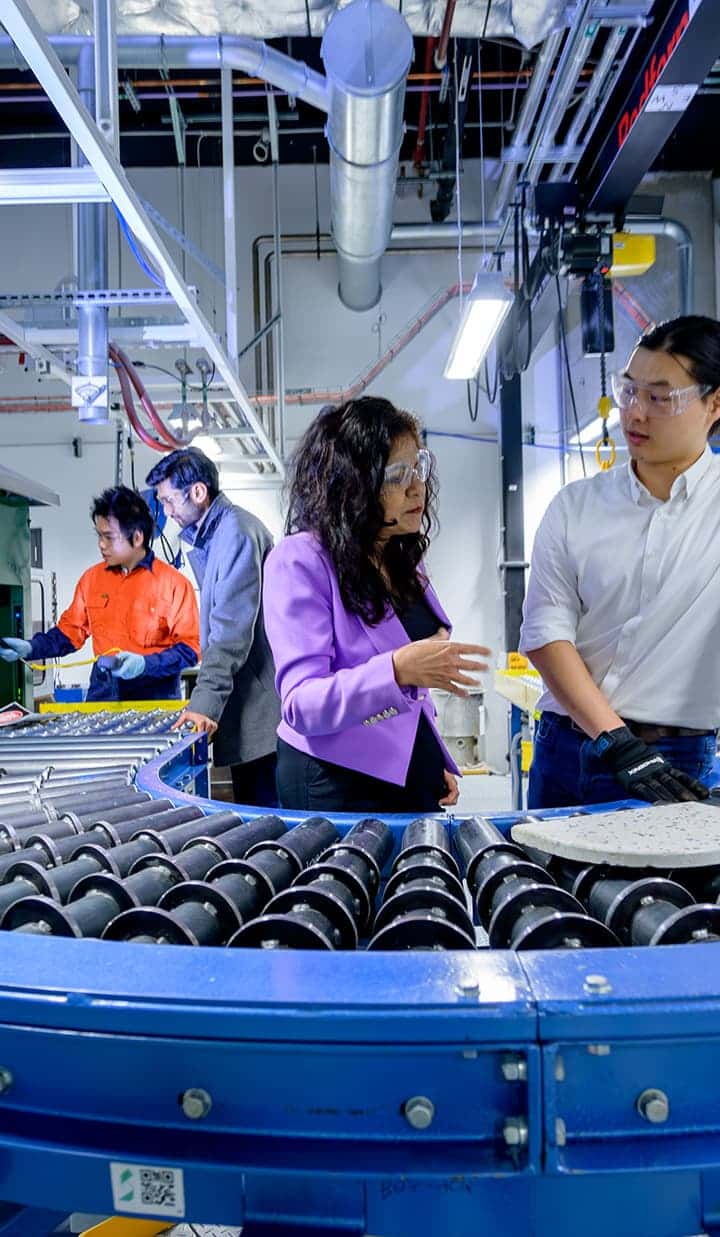
The A$1.3 billion Modern Manufacturing Initiative (MMI) is set to support projects from market demonstration through to commercial scale-up.
Accelerating low-emission vehicles in Australia
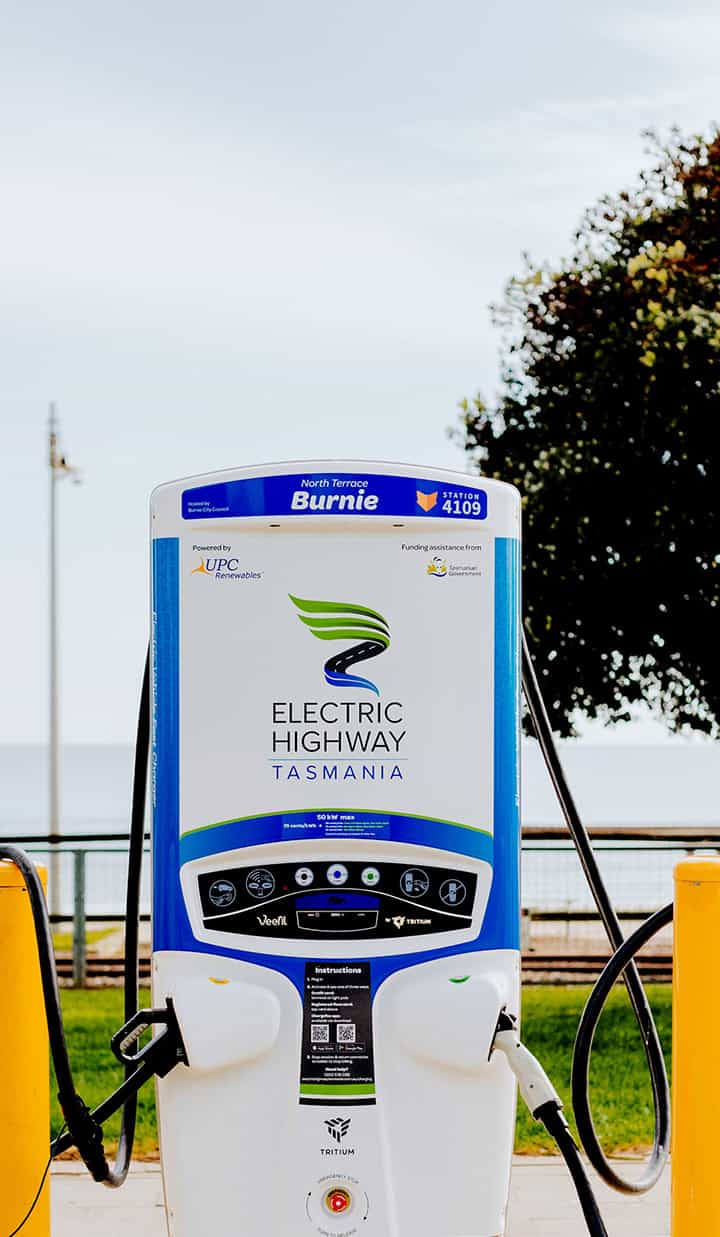
The New Vehicle Efficiency Standard incentivises the development and supply of low or zero emissions cars to the Australian market.
Supporting innovation through ARENA
ARENA bridges the gap between innovation and investment to help emerging and early-stage technologies become commercially viable.
Clean Energy Finance Corporation
In the private sector, the Clean Energy Finance Corporation (CEFC) specialises in low emissions technologies investment, as well as the bankability of new revenue streams.
A$1.3 billion modern manufacturing initiative
The A$1.3 billion Modern Manufacturing Initiative (MMI) is set to support projects from market demonstration through to commercial scale-up.
Accelerating low-emission vehicles in Australia
The New Vehicle Efficiency Standard incentivises the development and supply of low or zero emissions cars to the Australian market.
Investing in the future workforce
The Australian Government is driving growth in the renewables and low-emission sectors by investing heavily across a diverse range of projects and initiatives. These include programs such as Hydrogen HeadStart, Rewiring the Nation, and Future Made in Australia, as well as the Capacity Investment Scheme, the Powering the Regions Fund, and the sustainable development of offshore wind projects.
Capacity Investment Scheme
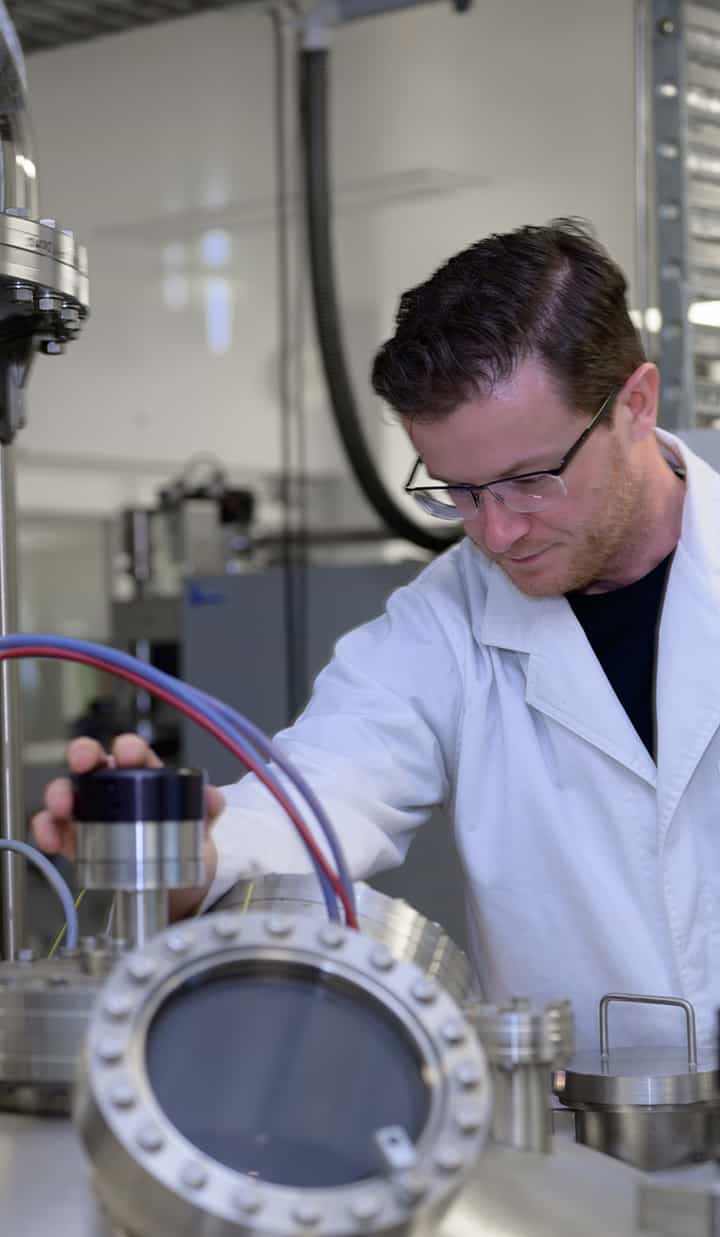
Hydrogen HeadStart program
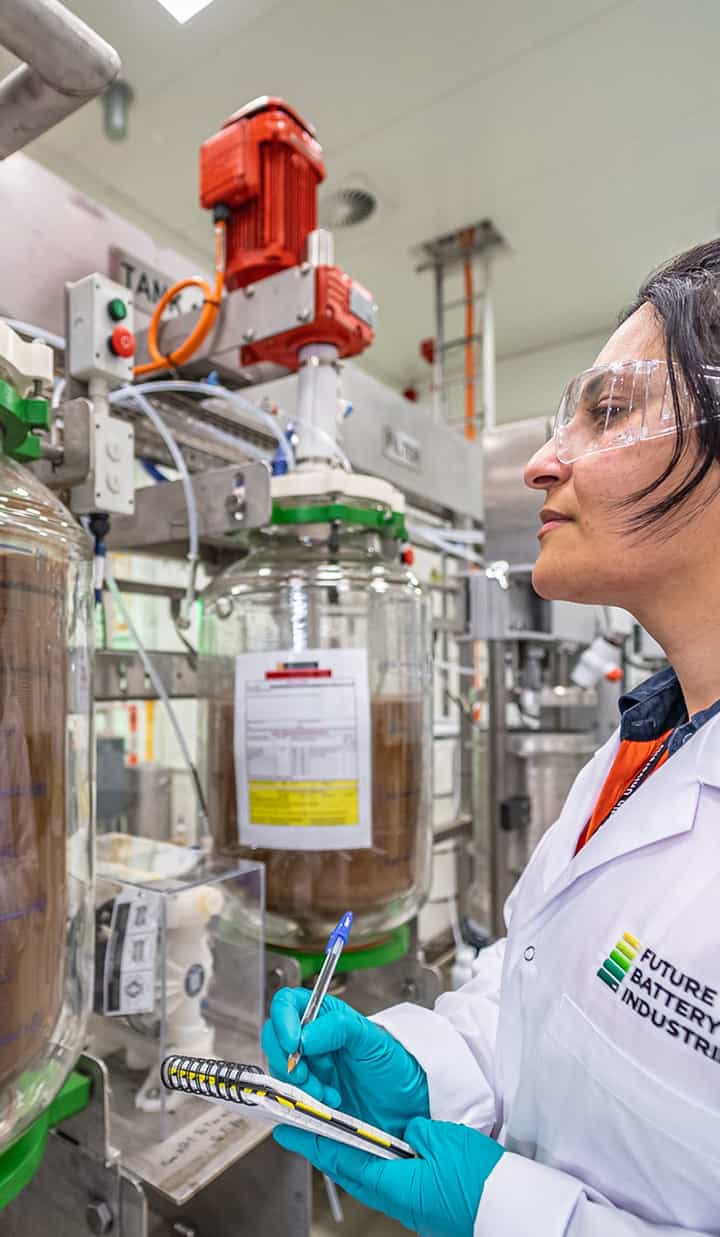
Powering the Regions fund
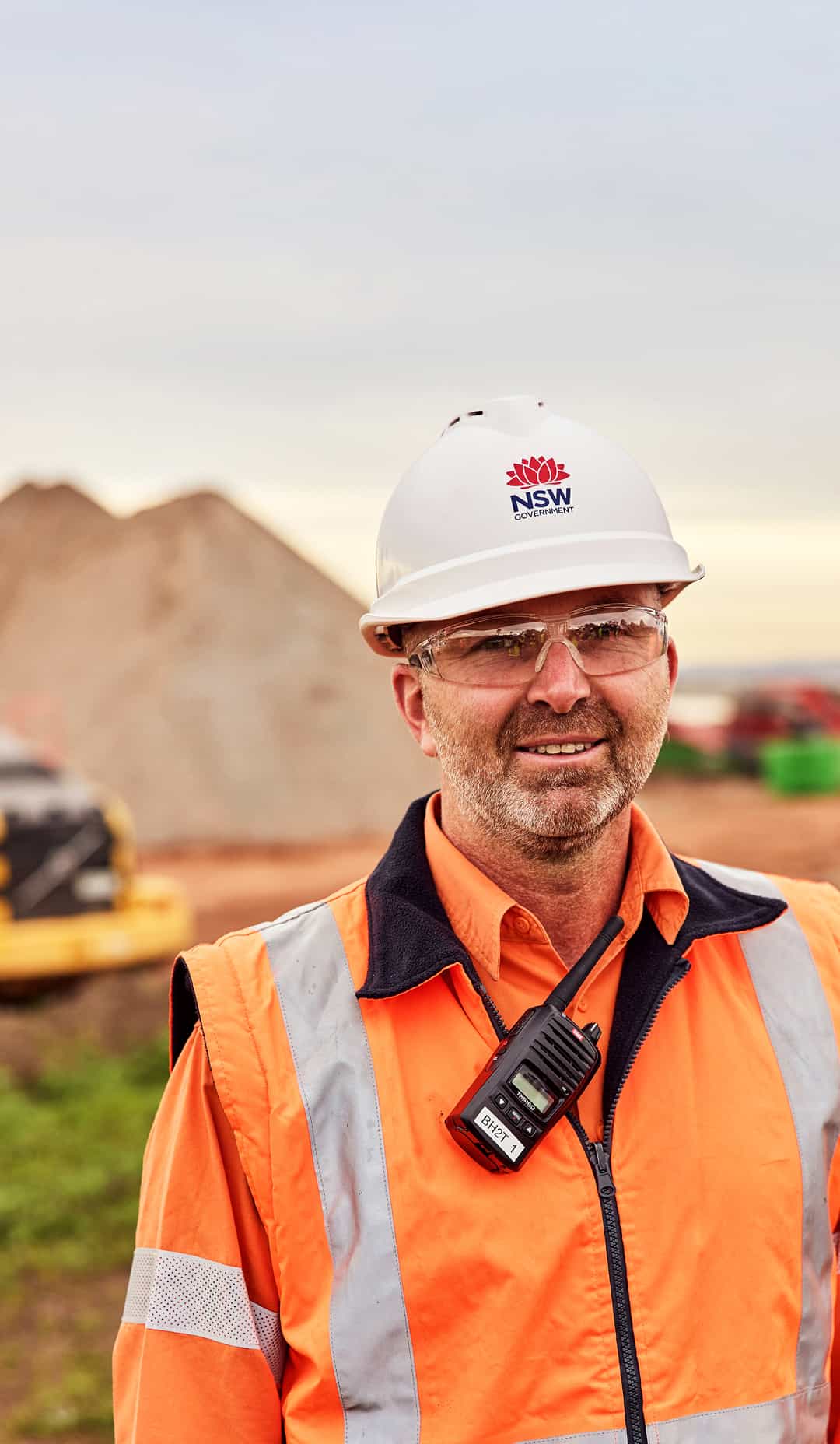
Rewiring the Nation program
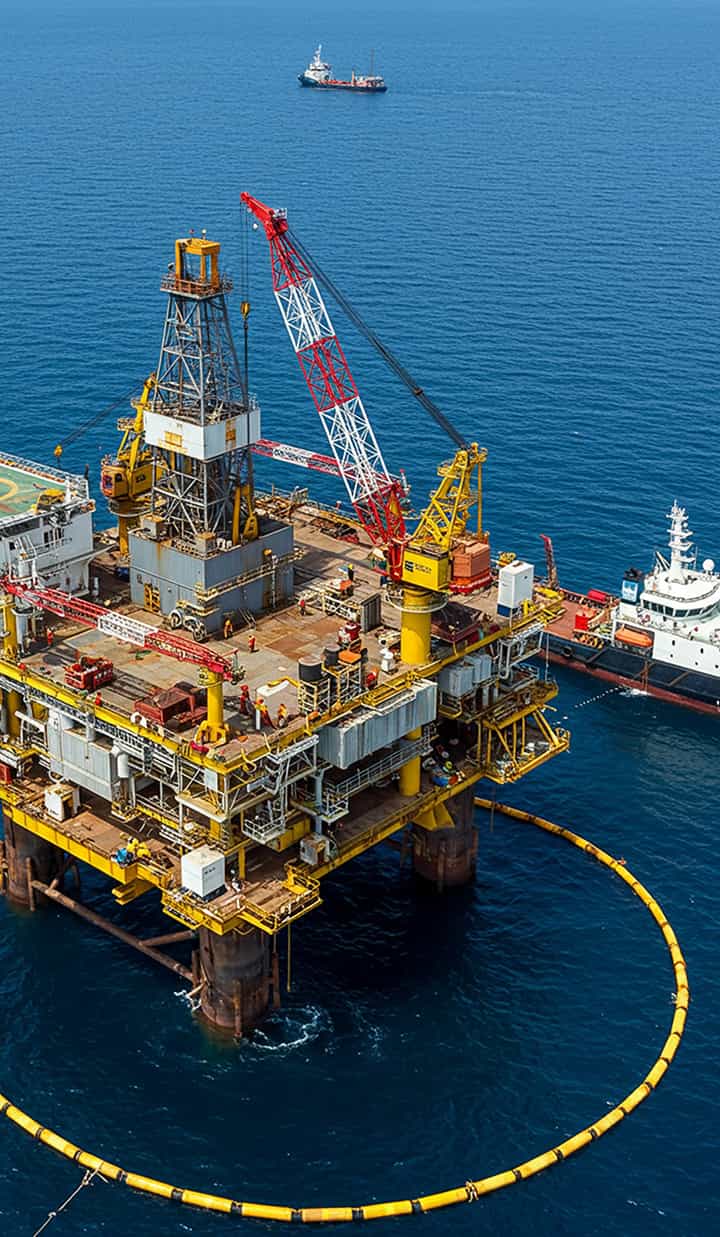
Offshore wind projects
Future Made in Australia program
Your expertise, your future.
Make the smart move to Australia
Express your interest through the National Innovation Visa and be part of Australia’s bright future in renewables and low-emission technologies.

I wanted to give my wife and children the opportunity to live in and explore a different country, with great infrastructure, better education opportunities and a safe environment. I really like that it’s a young cosmopolitan community rich in culture and different backgrounds.
Ivan Vargas Diaz is a mechanical engineer now working as a senior test well engineer in Western Australia’s offshore gas industry. He has 14 years’ experience working in the oil and gas industry for a number of different operating companies – in Mexico, Venezuela, Colombia, Kazakhstan, Türkiye and Albania. Among the projects he’s been involved with are ultra-deep water exploration wells in Türkiye and Colombia.
Ivan says he and his family are still exploring their new community. “I really like that it’s a young cosmopolitan community rich in culture and different backgrounds.”
His advice to skilled visa recipients is to ensure they understand the scope of their visa and that they have savings to cover the initial costs of living, including accommodation and transport.
Ivan Vargas Diaz from Mexico
Common Questions
Where is the best place to live in Australia for professionals in renewables and low emission technologies?
Australia is a global leader in renewable energy and low emission technologies, offering exciting opportunities across solar, wind, hydrogen, battery storage, and carbon capture. Top locations include:
- Melbourne (VIC) – A leader in clean energy R&D, climate policy, and green finance.
Home to the Melbourne Energy Institute, CSIRO Energy, and top universities like Monash and Melbourne Uni.
Focus: Hydrogen, energy storage, urban sustainability, and grid innovation. - Sydney (NSW) – Hub for clean tech startups, smart grids, and energy policy.
Key players: UNSW Energy Institute, AEMO, and NSW Decarbonisation Hub.
Focus: Solar PV, carbon markets, AI in energy, and efficiency technology. - Brisbane (QLD) – Strong in hydrogen, bioenergy, and regional energy solutions.
Institutions: QUT, UQ, and Hydrogen Park QLD.
Focus: Green hydrogen, solar thermal, and off-grid systems. - Adelaide (SA) – Global pioneer in battery storage and renewable integration.
Known for the Tesla Big Battery, Tonsley Innovation District, and Flinders University.
Focus: Wind-solar hybrids, virtual power plants, and resilient grids. - Perth (WA) – Emerging in green mining, remote energy, and battery technology.
Key players: Curtin, UWA, and Future Battery Industries CRC.
Focus: Critical minerals, solar for remote areas, and hydrogen exports.
Regional Hubs
- Canberra (ACT) – Climate policy and regulation, home to Australian National University and Clean Energy Regulator.
- Newcastle (NSW) – Industrial decarbonisation and hydrogen innovation.
- Hobart (TAS) – Hydropower, marine renewables, and climate science.
- Geelong (VIC) – Circular economy and green manufacturing.
Choice may depend on your specialisation, lifestyle preferences, or visa pathway.
Are these industries growing in Australia?
Yes. These sectors have been identified as national priorities due to their potential for economic growth, innovation, and job creation.
Can my partner or family migrate with me?
Yes. Many skilled visas allow you to bring immediate family members. Australia offers schooling, healthcare, and work rights for eligible dependents.
Discover more about family lifestyle in Australia
What visa options are available for national priority skillsets?
If you’re a highly skilled professional working in an area of national priority, there are several visa pathways that could support your move to Australia. Areas of national priorities include critical technologies, renewable and low emission technologies, health research and advancements, agri-food and AgTech, defence capabilities and space, education research and advancements, financial services and fintech, infrastructure and transport, or resources.
- National Innovation Visa - subclass 858
The National Innovation visa (NIV) subclass 858 is an invitation only visa for exceptional applicants who can drive innovation in sectors of national strategic importance. The subclass 858 visa offers permanent residency to individuals with an internationally recognised record of exceptional achievement in a priority sector, such as cybersecurity, quantum computing, AI, advanced manufacturing, and more.
You'll be able to live and work in Australia permanently, contribute to high-impact innovation, and access pathways to citizenship. Learn more or Apply now
You may also be eligible for other skilled visa programs:
- Skilled Independent Visa - subclass 189
A permanent visa for invited skilled workers who do not require sponsorship by an employer or state and territory government. - Skilled Nominated Visa - subclass 190
A permanent visa requiring nomination by a state or territory government. Applicants must have an occupation listed on the relevant skilled occupation list. - Skilled Work Regional (Provisional) Visa - subclass 491
A temporary visa that allows skilled workers to live and work in designated regional areas. Nomination by a state or territory government or sponsorship by an eligible family member is required. This visa can lead to permanent residency. - Skills in Demand visa - subclass 482
A temporary visa (up to 4 years) for workers sponsored by an employer.
Available through the Core Skills, Specialist Skills and Labour Agreement streams.
May lead to permanent residency through subclass 186. - Employer Nomination Scheme visa - subclass 186
Allows skilled workers nominated by an Australian employer to live and work permanently in Australia. - Skilled Employer Sponsored Regional (Provisional) visa - subclass 494
For skilled workers nominated by an employer in regional Australia to live and work in a designated regional area.
Where can I find travel advice and destination guides for Australia?
Tourism Australia is the official travel guide to Australia, offering information on destinations, unique experiences, and travel planning tips. It’s an excellent resource for visitors and new residents exploring the country.