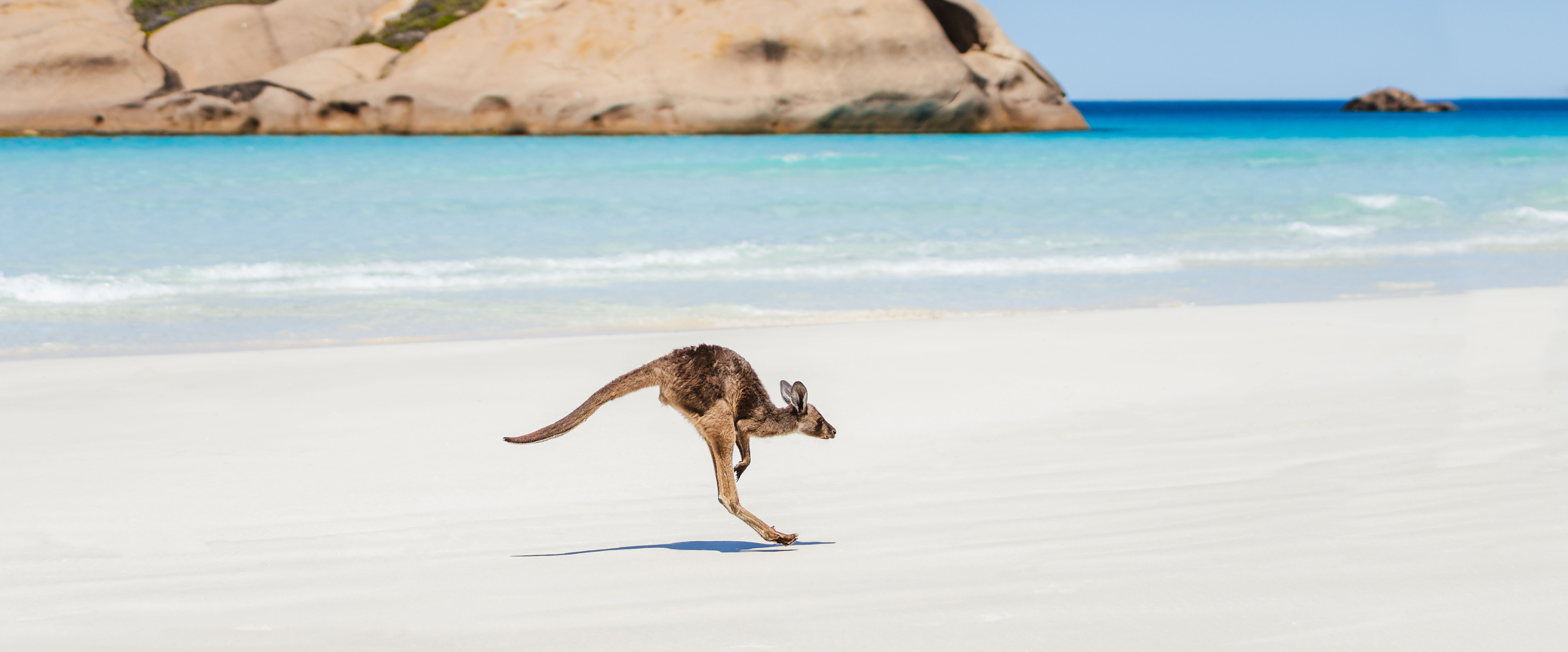

Australian geography
Australia is a vast and geographically diverse country offering a wide variety of places to live. From coastal capitals and thriving regional centres to remote natural environments. Whether you’re looking for the energy of a major city or the serenity of the bush, there’s a lifestyle option that matches your aspirations.
A vast, diverse continent
Australia is the sixth-largest country in the world, covering more than 7.6 million square kilometres. While much of the interior is sparsely populated, most Australians live along the coast, particularly in the east and southeast. This layout creates a mix of major cities, growing regional centres, and remote communities that offer a range of living experiences.
Australia’s climate varies widely, from tropical and arid zones to Mediterranean and temperate regions. This variety offers flexibility for lifestyle choice, from coastal warmth to alpine cool. Air quality in Australian cities and regions rank among the best globally, supporting healthier, more active living. Government-planned urban growth ensures sustainable development that protects landscapes and supports future population needs.
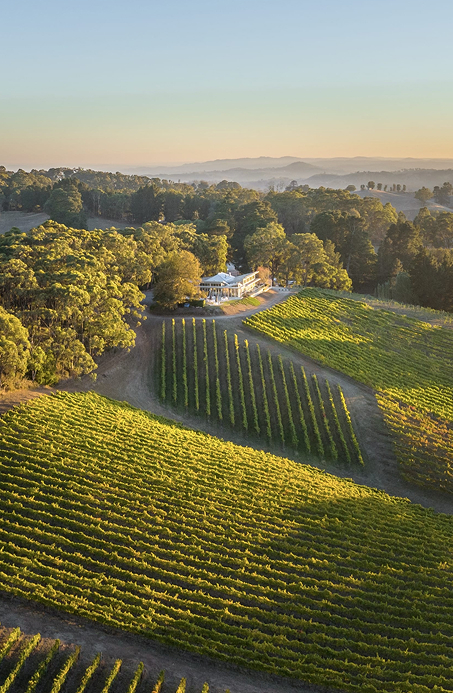
City living: coastal cities and capital hubs
Cities like Sydney, Melbourne, Brisbane, Perth, and Adelaide rank globally in liveability, infrastructure, and opportunity. These hubs offer access to top-tier education, world-class healthcare, and thriving job markets in sectors like tech, health, finance, and education.
Australia’s other capitals also offer distinctive advantages: Hobart blends natural beauty with a tight‑knit culture; Darwin serves as the northern gateway with a relaxed tropical lifestyle, strong multicultural ties and strategic importance in resources; while Canberra, the nation’s capital, stands out for its high quality of life, excellent education and healthcare, and its role as a hub for government, policy and innovation.
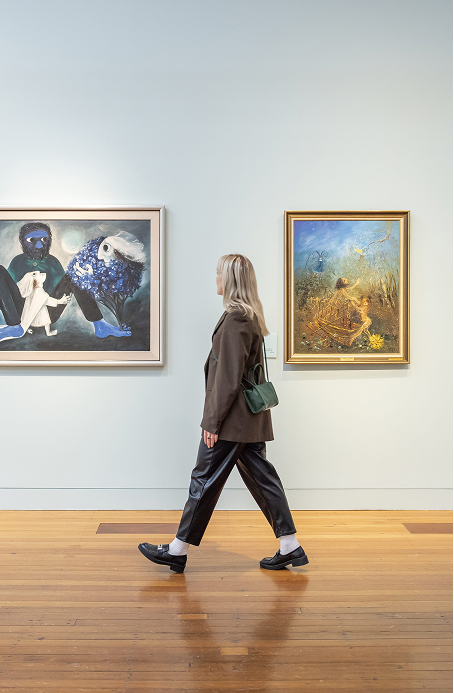
With vibrant arts scenes, multicultural communities, and family-friendly amenities, Australia’s cities are built for more than just work, they’re designed for life.
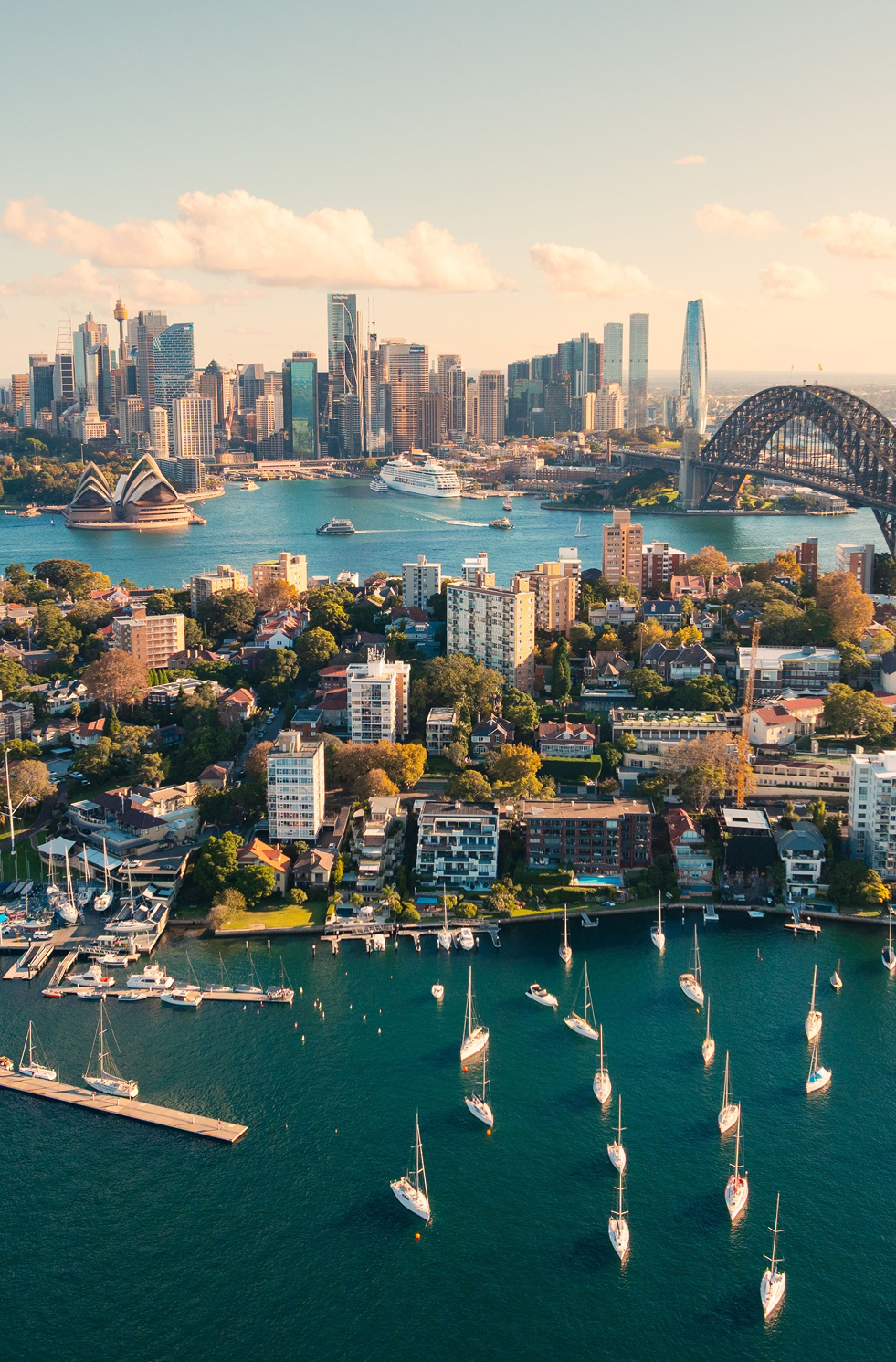
Sydney, New South Wales.
Sydney, New South Wales.
Image provided by Tourism Australia.
Sydney, New South Wales.
Image provided by Tourism Australia.
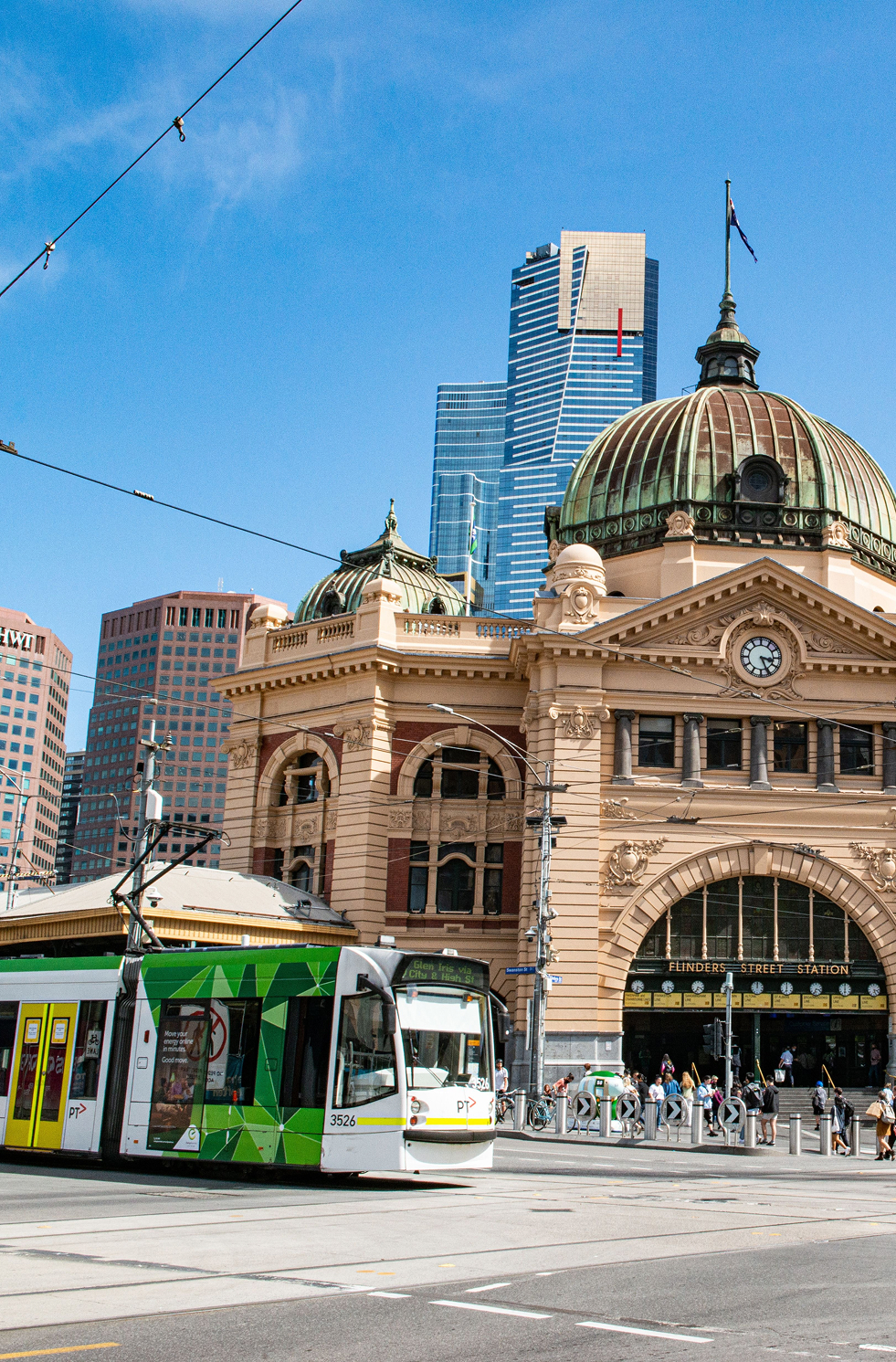
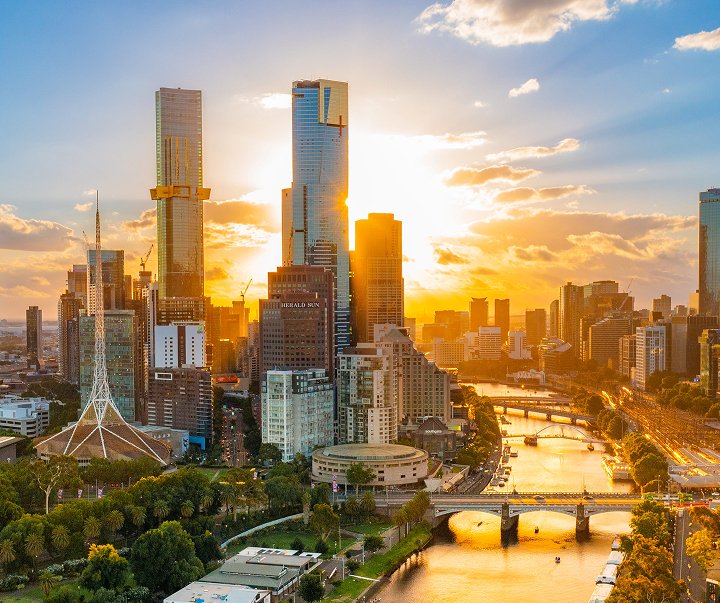
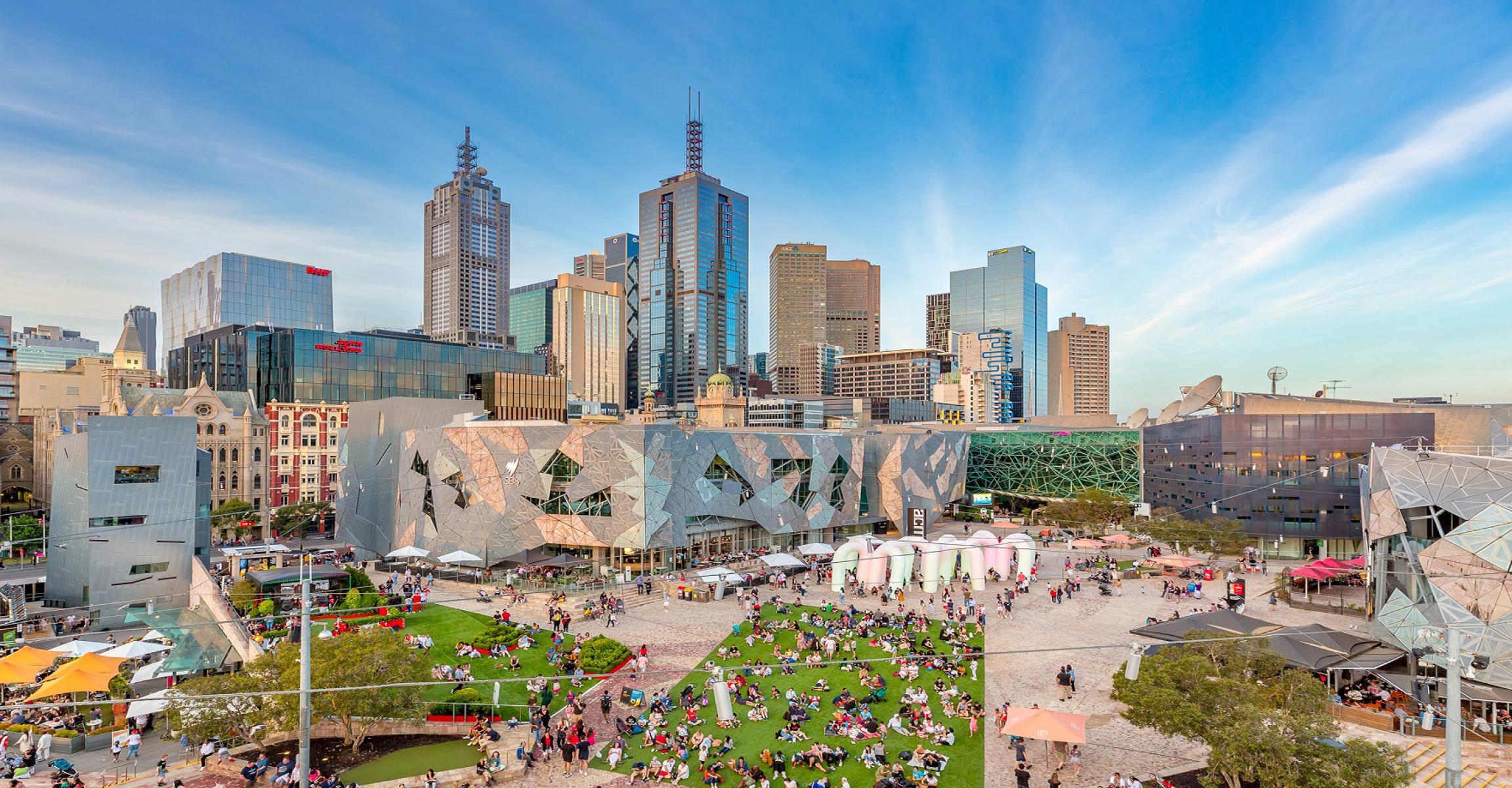
Melbourne, Victoria.
Melbourne, Victoria.
Image provided by Tourism Australia.
Melbourne, Victoria.
Image provided by Tourism Australia.
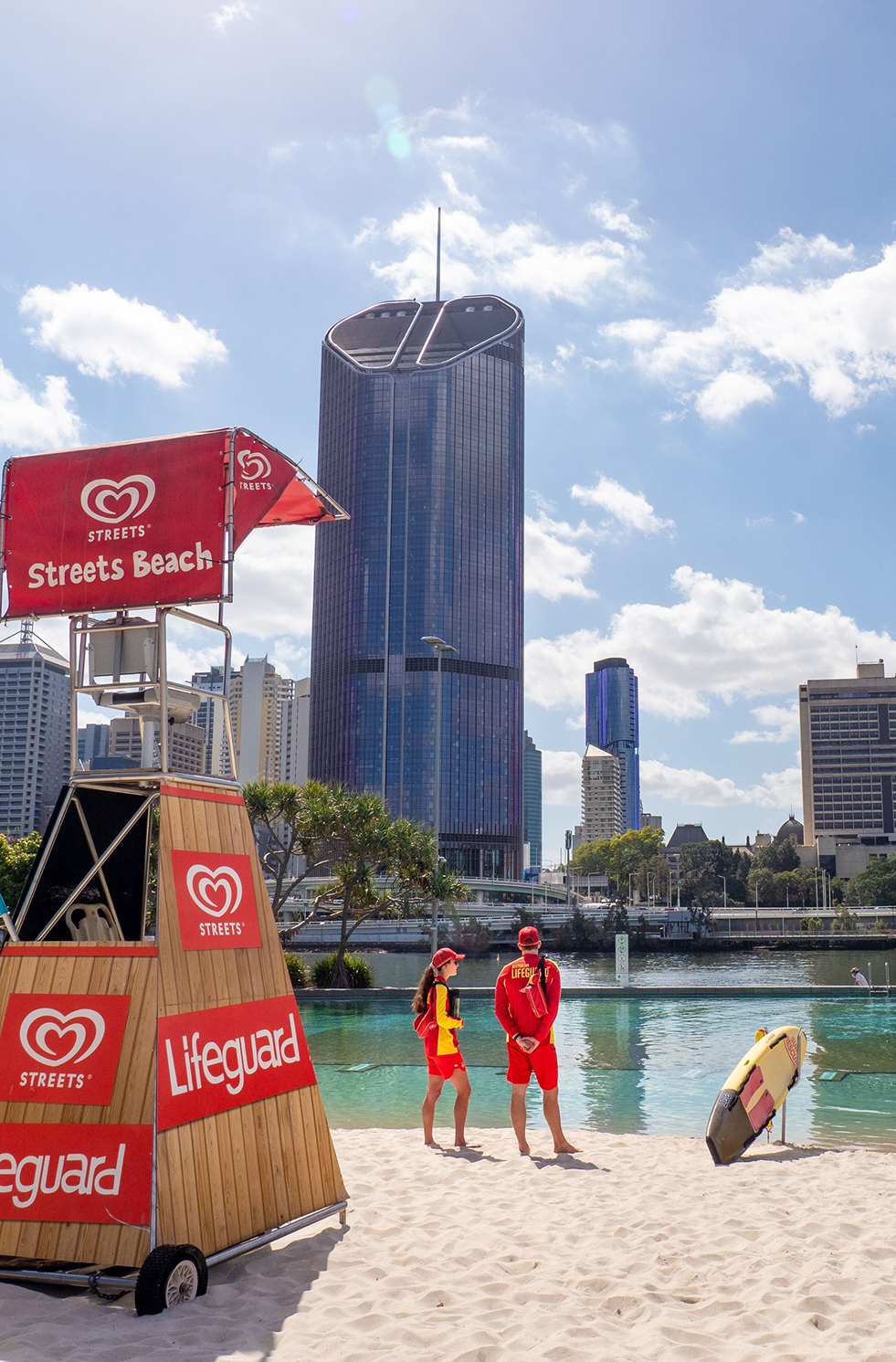
Brisbane, Queensland.
Brisbane, Queensland.
Image provided by Tourism Australia.
Brisbane, Queensland.
Image provided by Tourism Australia.
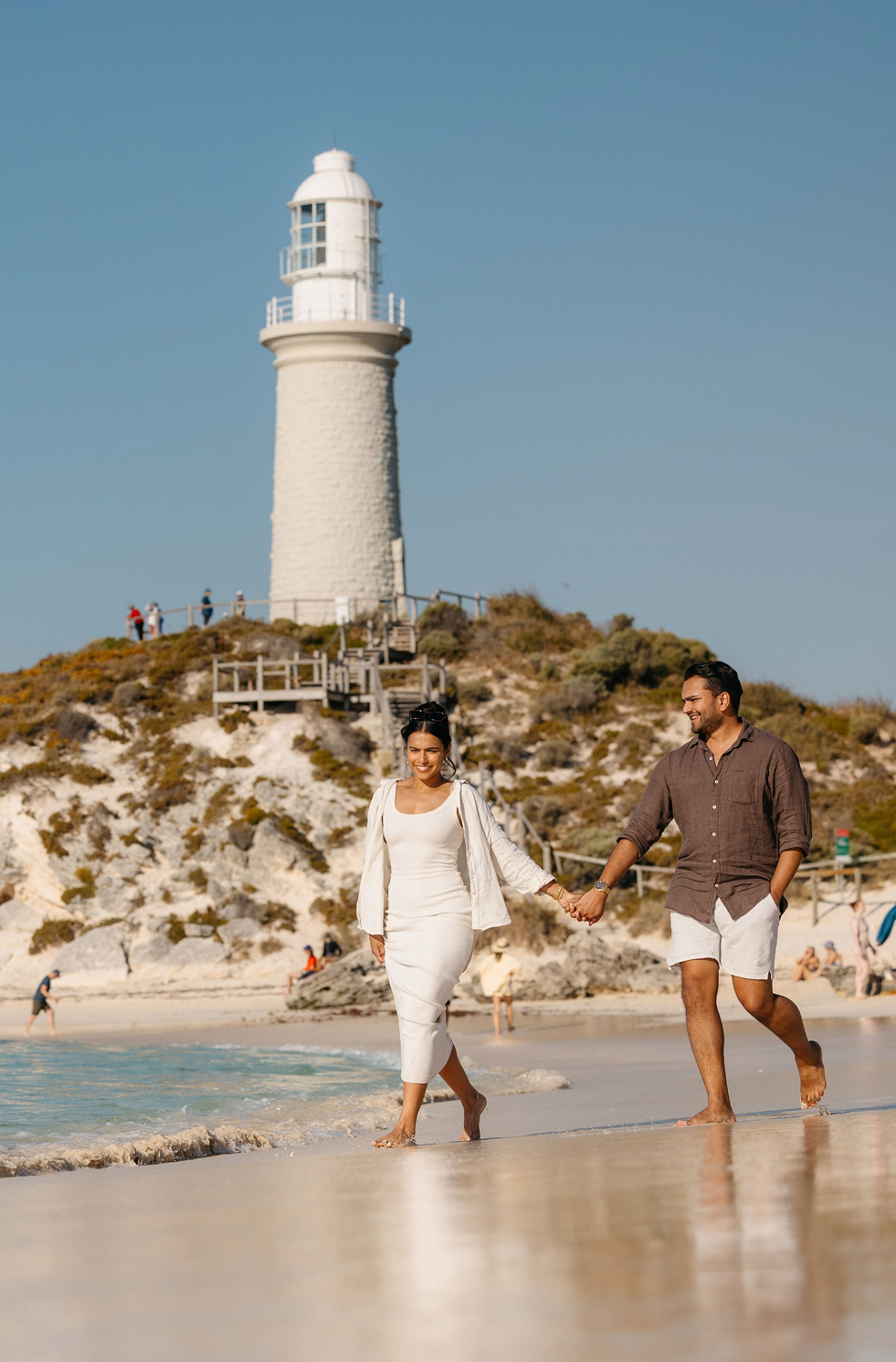
Perth, Western Australia.
Perth, Western Australia.
Image provided by Tourism Australia.
Perth, Western Australia.
Image provided by Tourism Australia.
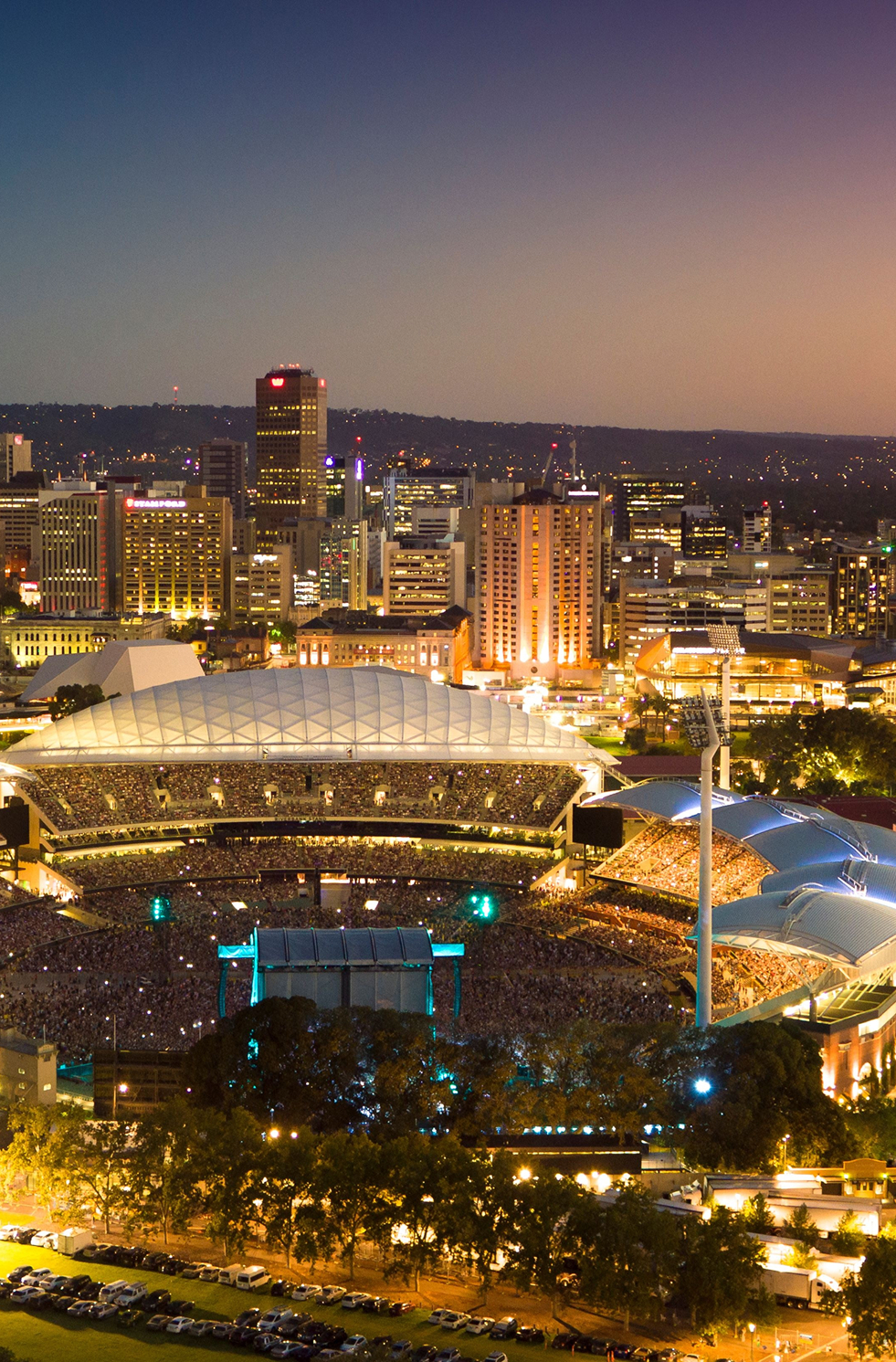
Adelaide, South Australia.
Adelaide, South Australia.
Image provided by Tourism Australia.
Adelaide, South Australia.
Image provided by Tourism Australia.
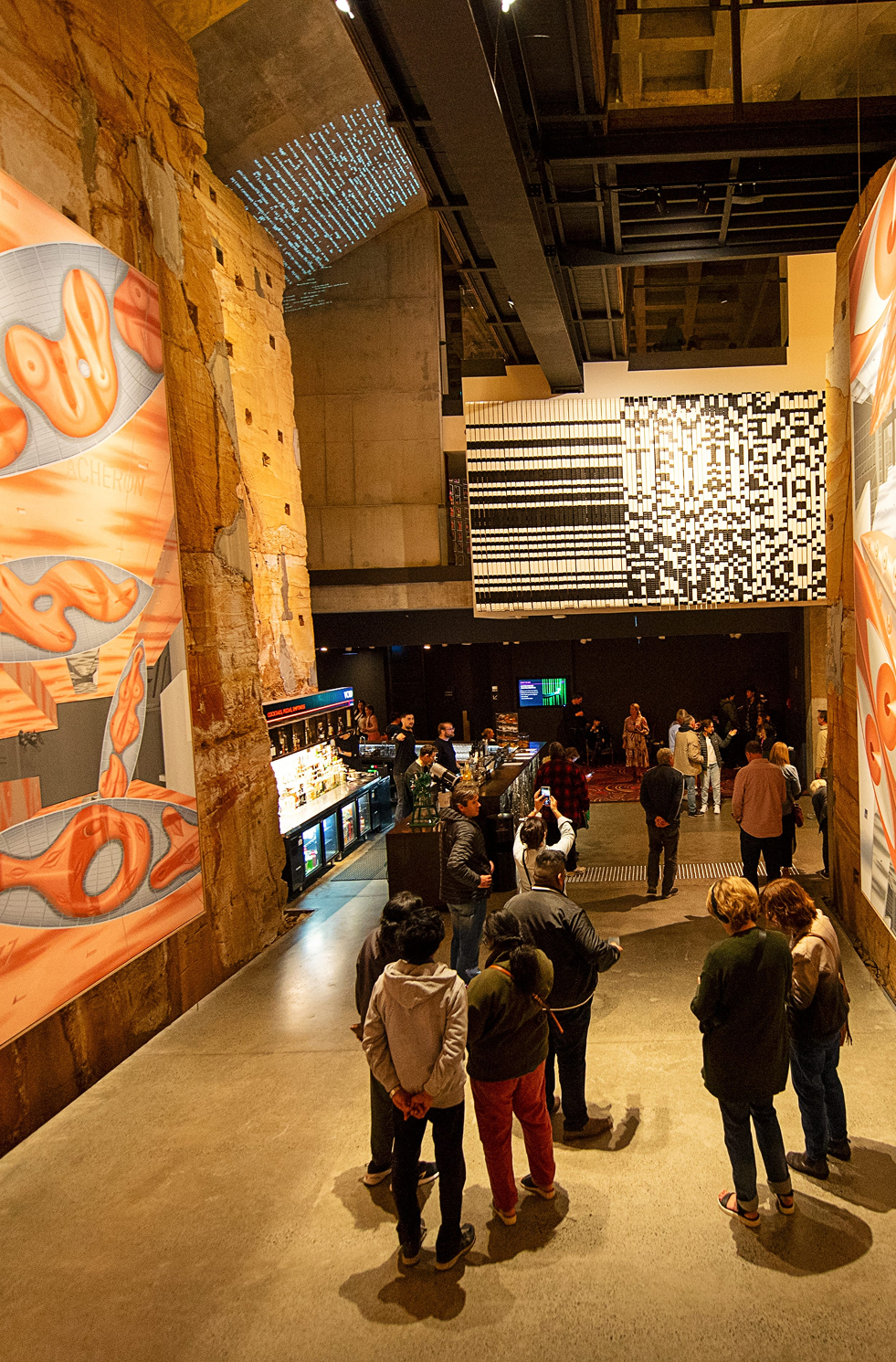
Hobart, Tasmania.
Hobart, Tasmania.
Image provided by Tourism Australia.
Hobart, Tasmania.
Image provided by Tourism Australia.
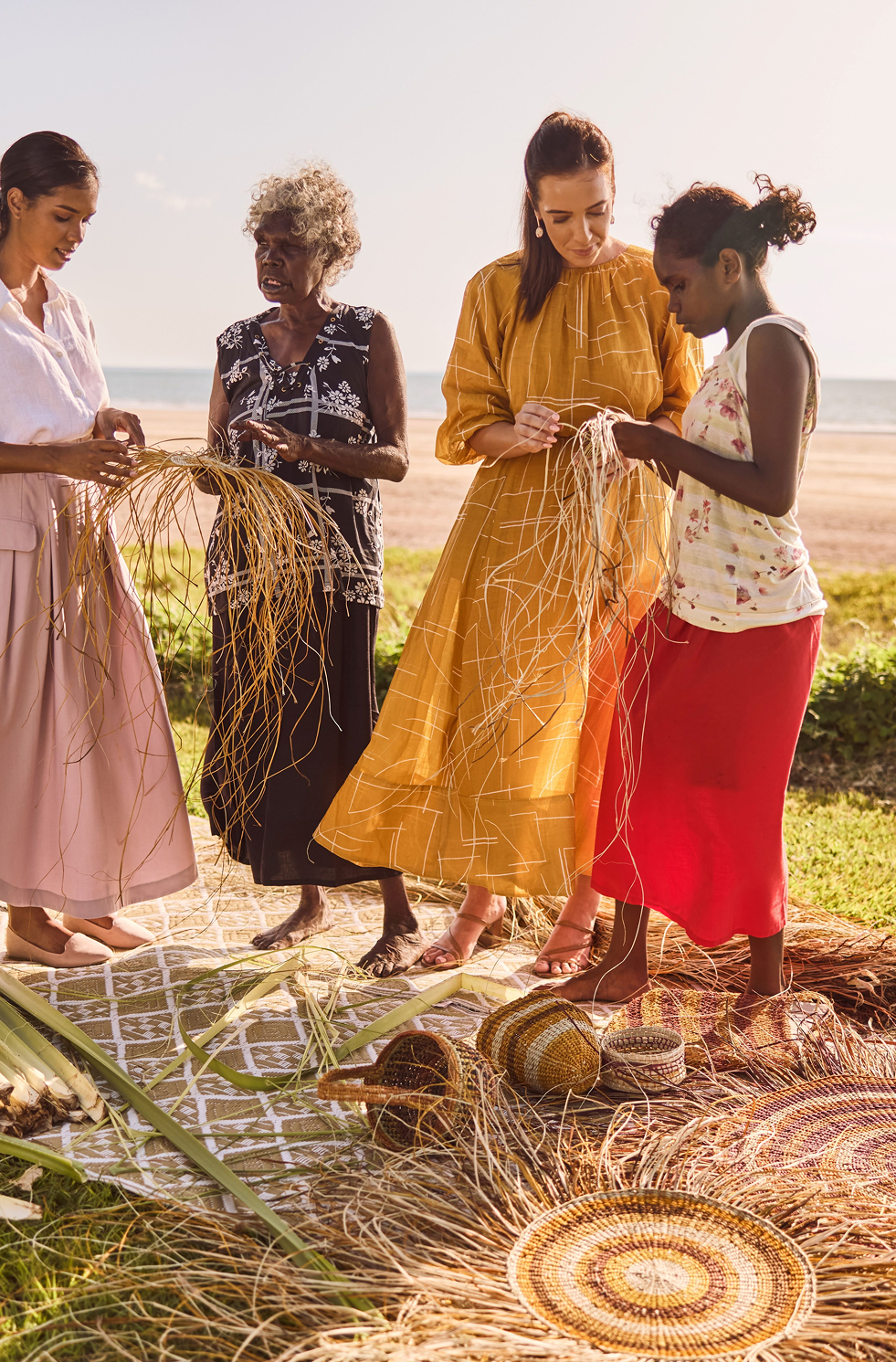
Darwin, Northern Territory.
Darwin, Northern Territory.
Image provided by Tourism Australia.
Darwin, Northern Territory.
Image provided by Tourism Australia.
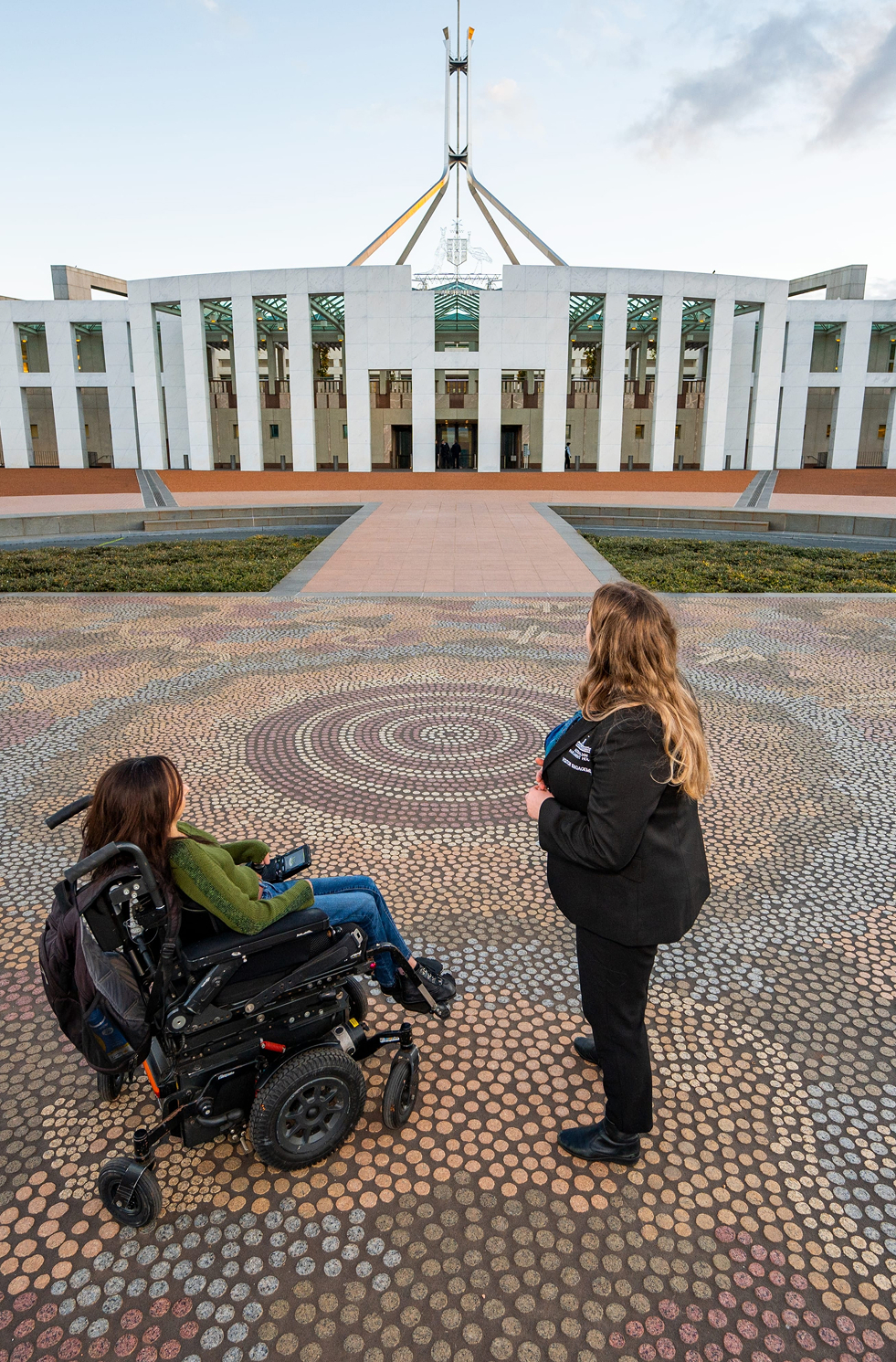
Canberra, Australian Capital Territory.
Canberra, Australian Capital Territory.
Image provided by Tourism Australia.
Canberra, Australian Capital Territory.
Image provided by Tourism Australia.
Regional Australia: connected and growing
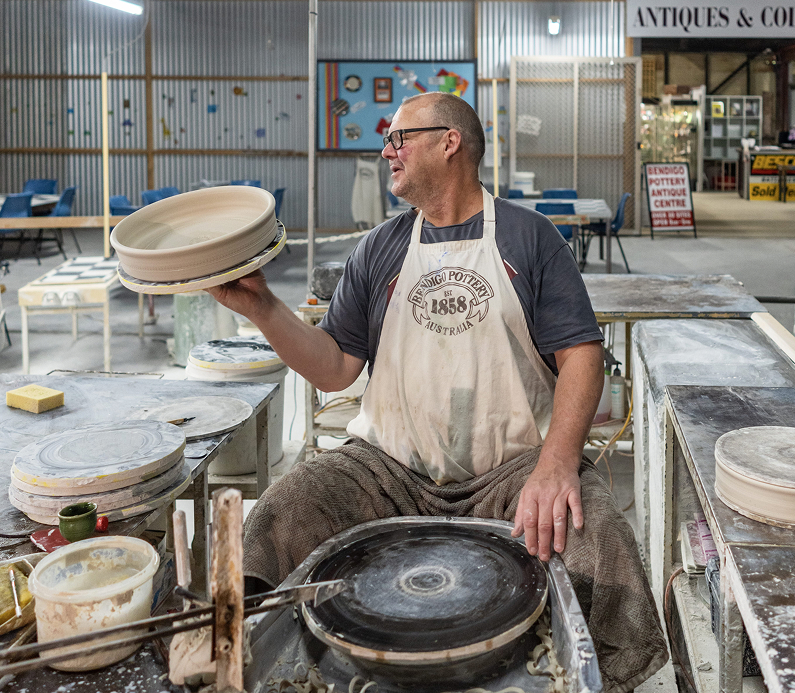
Over 30% of Australians live in regional or rural areas, which offer more space, a lower cost of living, and strong community connections. Centres such as Ballarat, Toowoomba, Bendigo, Dubbo, and Launceston are growing thanks to government investment in housing, transport, digital connectivity, and jobs.

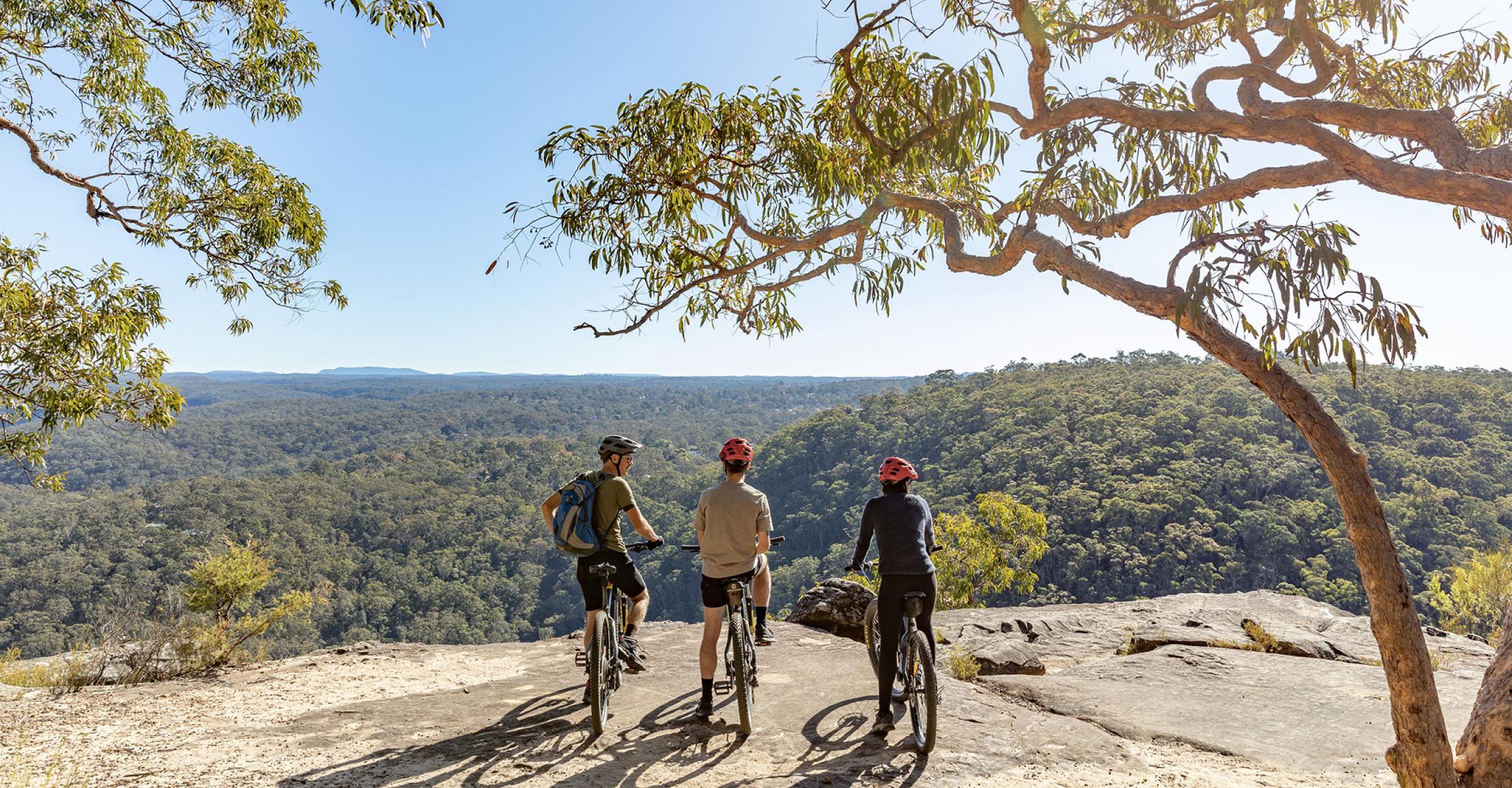
Bushland living: space, nature and wellbeing
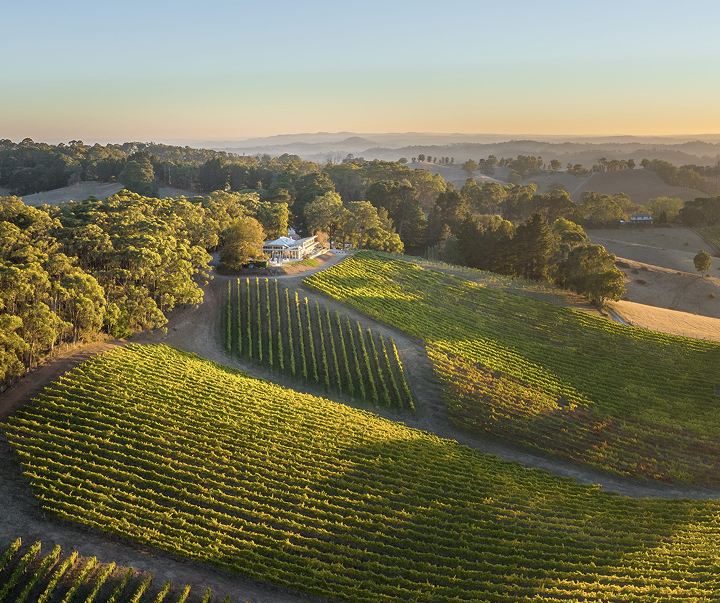
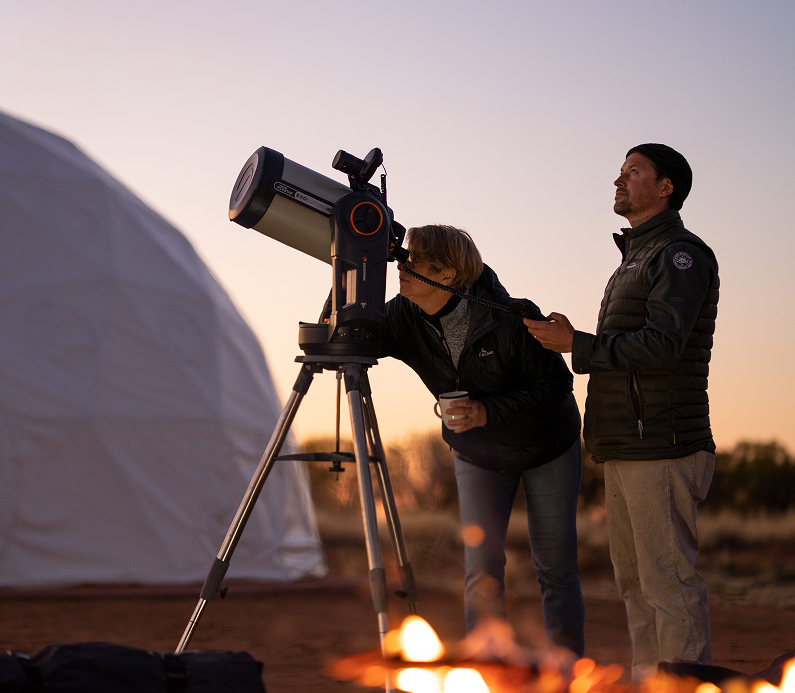
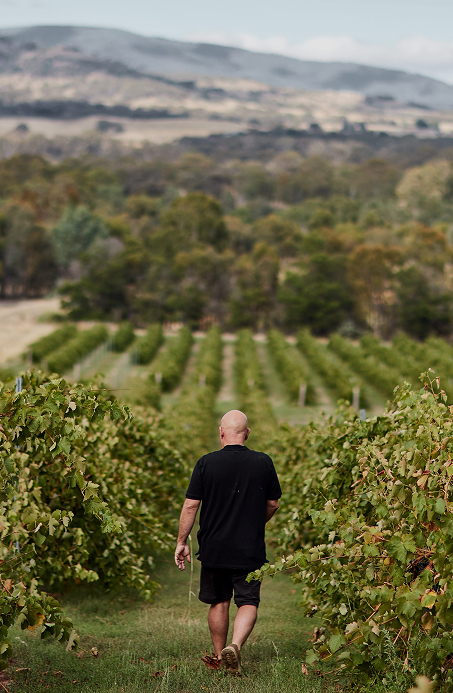
Bushland living brings you closer to nature, community, and sustainability. These regions offer affordable land, access to national parks, and a peaceful pace of life. Residents enjoy clean air, dark night skies, and a sense of independence.
From land management programs to eco-living incentives, bushland areas are ideal for those seeking balance between modern convenience and natural beauty.
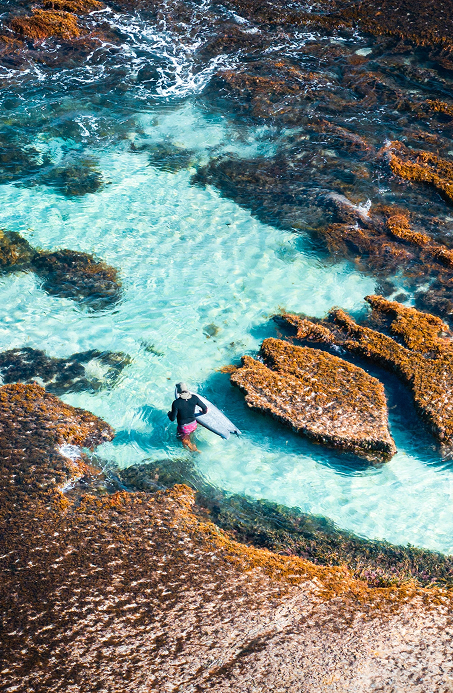
Coastal living: life by the water
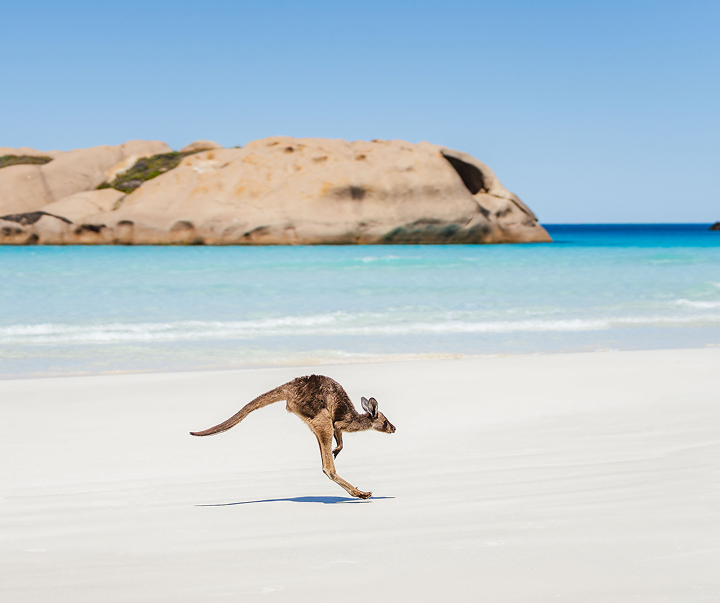
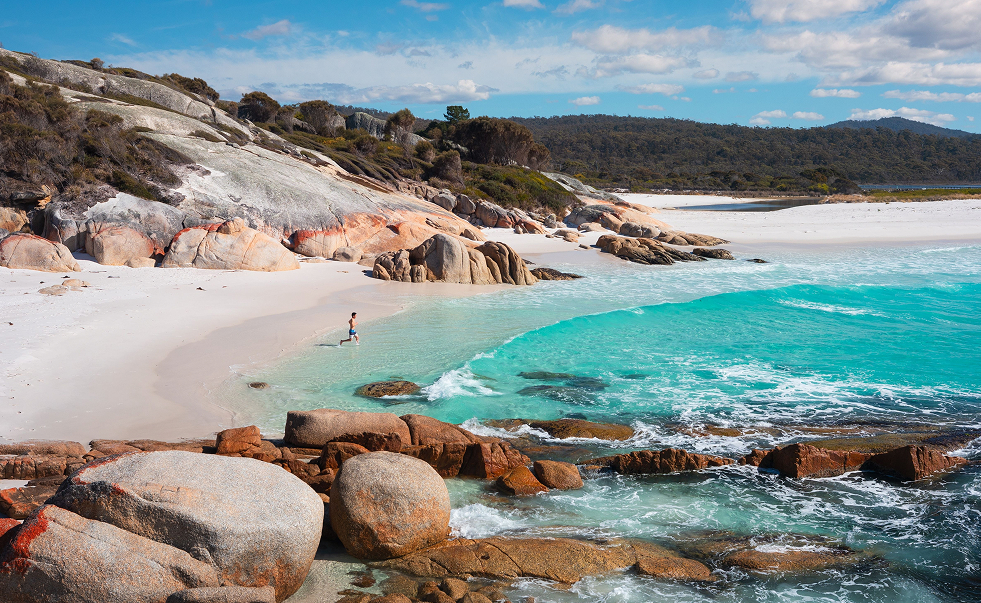
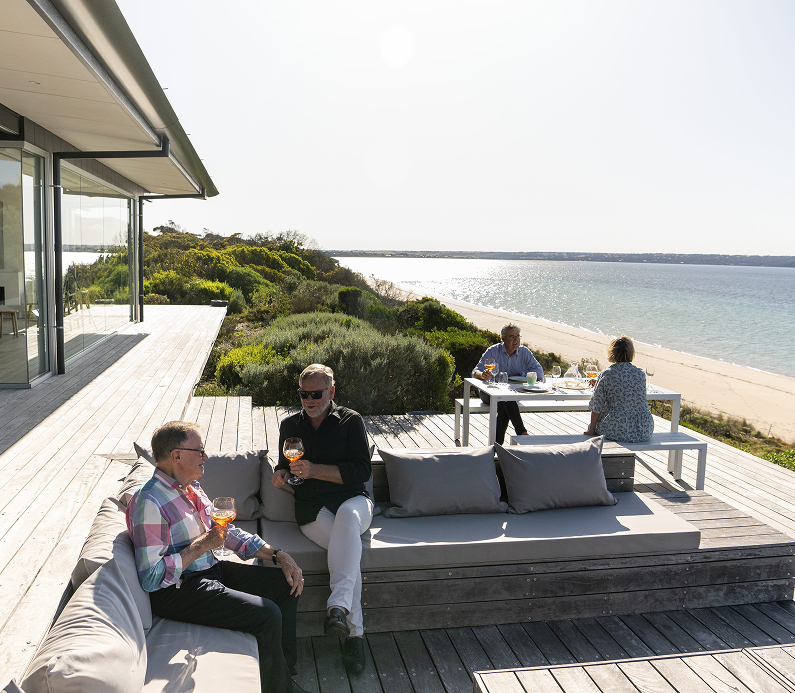
With over 36,000 km of coastline, Australia’s beach towns and cities offer an unbeatable mix of relaxation and opportunity. From surfing before work to seafood by sunset, coastal life supports active, outdoor-focused living.
Industries like tourism, aquaculture and clean energy are thriving in places like the Gold Coast, Victor Harbor, and Geraldton. Governments invest heavily in protecting these areas while building infrastructure that supports vibrant communities.

Island living: unique and connected
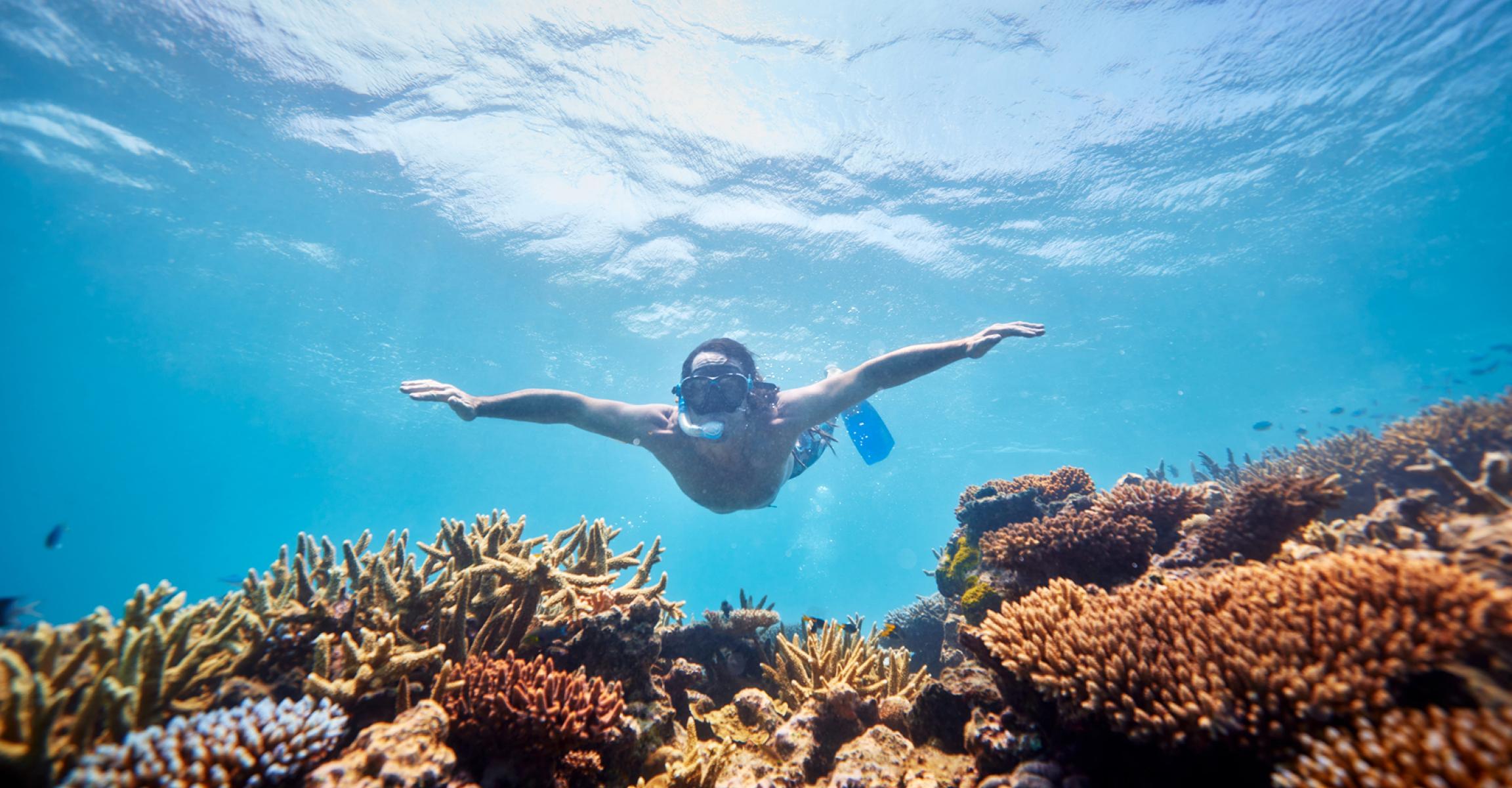
Australia is home to more than 8,000 islands, ranging from Tasmania, a state in its own right, to the Torres Strait Islands and remote ecological areas like Kangaroo Island. Island communities often enjoy clean air, biodiversity and a strong cultural identity. Governments at all levels invest in infrastructure, connectivity and essential services to ensure residents have access to healthcare, education and employment opportunities.
Climate, air quality and sustainability
Australia’s climate varies widely, from tropical and arid zones to Mediterranean and temperate regions. This variety offers flexibility for lifestyle choices, from coastal warmth to alpine cool. Air quality in Australian cities and regions ranks among the best globally, supporting healthier, more active living. Government-planned urban growth ensures sustainable development that protects landscapes and supports future population needs.
Take the next step
Whether you're chasing career opportunities or a change of pace, Australia has a lifestyle to match. Explore visa pathways, discover growing regions, and plan your move today.