Construction Trades
Australia is facing a housing shortage. There is high demand for skilled construction trades workers to build 1.2 million new homes by mid-2029.
We also rely on trade and construction workers to help us build major projects, expand our renewable energy sector, and build enough roads rail and telecommunications infrastructure to keep up with our growing economy.
From small family businesses to large national construction companies, the housing industry employs a wide range of occupations.

Project builders
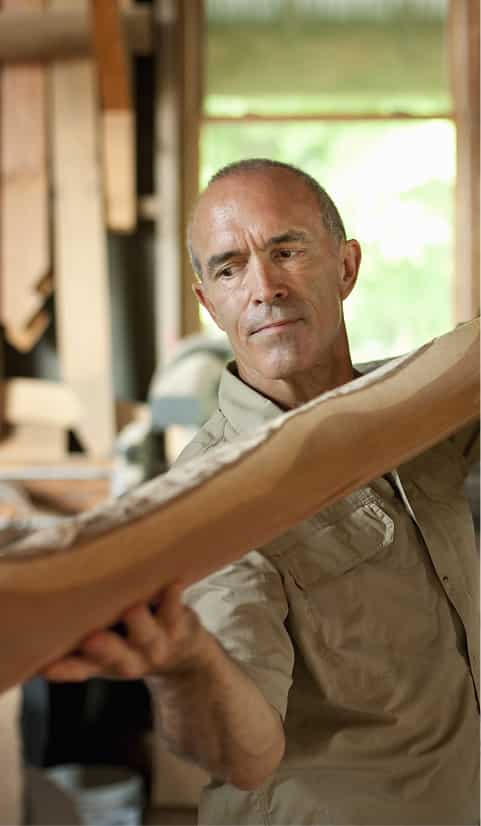
Carpenters and joiners

Painting trades workers

Metal fabricators

Roof, wall and floor tilers


Plumbers (general, roof, air conditioning and mechanical services)

Bricklayers
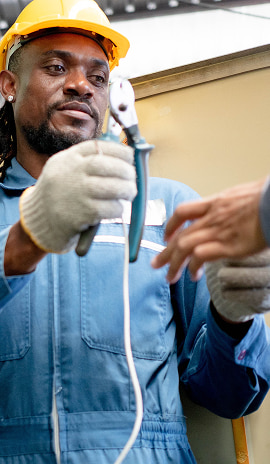
Electricians (general and special class)

Plasterers and renderers
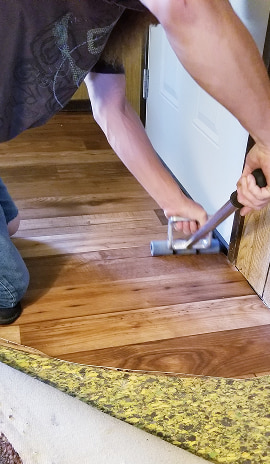
Floor finishers
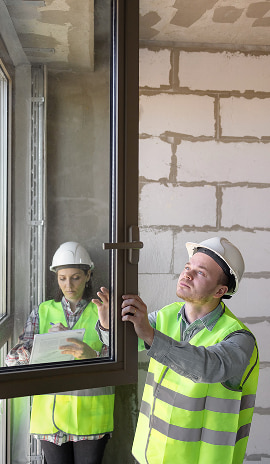
Glaziers
There’s a place for you Down Under
Workers in Australia’s building sector are amongst the highest paid construction workers in the world. They also have safe working conditions and a great work-life balance.
Australia’s building industry has a proud migrant history. Around a quarter of our skilled workers were born overseas. We need skilled workers like you to help grow our cities and towns.
Grow your career, raise a family, and build your own bright future in Australia.

1.2 million new homes planned to be built by mid-2029

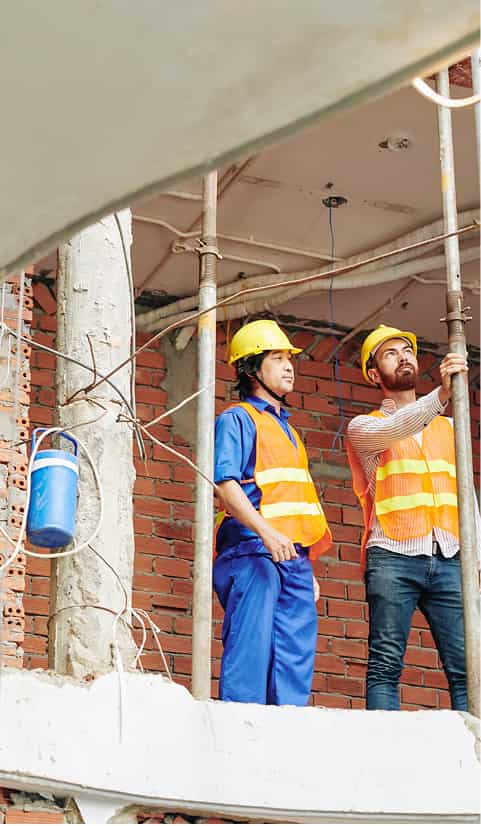
One of the largest industry employers in Australia


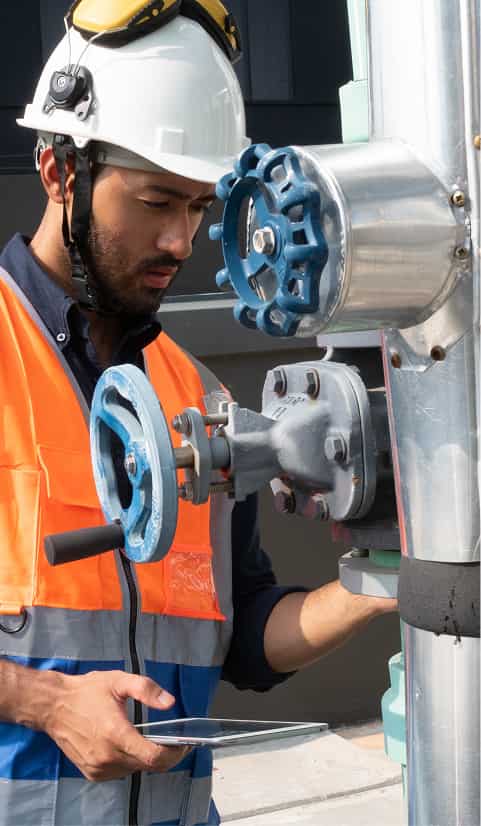
24% of building and construction workforce were born overseas

Start building your future now
If you are already in Australia, and have experience in certain trade and construction jobs, your visa application will get priority processing.
For the full list of occupations and to learn more about skilled visa options, go to skilled visa processing priorities.
To find out more about starting your construction career in Australia, visit the visa pathways page.
You can also match your current trade with the different visa options available by searching the skilled occupation list.
The Australian construction industry
Australia’s construction industry is split into 3 broad categories:
- residential building, also known as the housing industry
- commercial construction, such as offices, shops and schools
- civil and engineering construction, including roads, bridges, tunnels and mines.



Career progression and opportunities
Australia’s building sector is growing – and your career can grow with it.
The construction industry has a wide range of roles on offer. There are valuable opportunities for training, specialisation and career development to help you learn more skills and earn more money.
Depending on your visa conditions, your employer or a registered training organisation may provide formal and informal training.
Competitive pay and benefits
Median earnings across Australia’s construction sector are AUD1,598 per week (approx. USD1,020 p.w.)
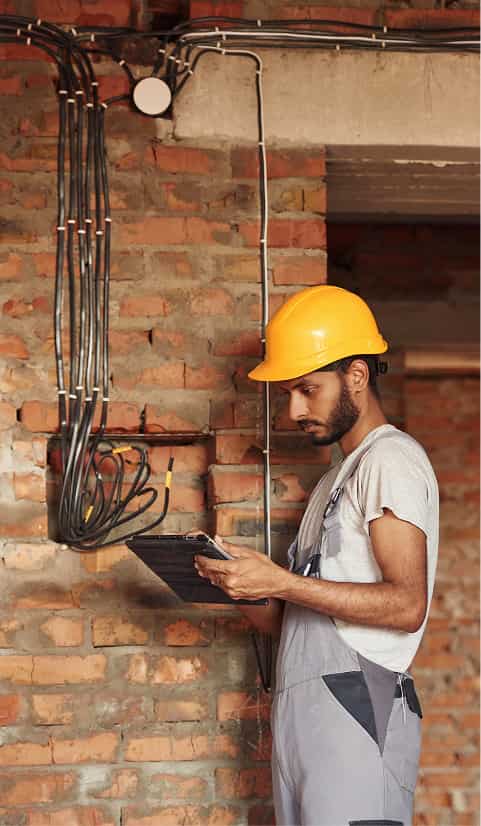
Electrician AUD2,204.00 p.w.

Carpenter/joiner AUD1,787.00 p.w.

Painting trades worker AUD1,400.00 p.w.

Construction manager AUD3,691.00 p.w.

Glazier AUD1,341.00 p.w.

Plumber AUD2,000.00 p.w.
More than just the wages
All employees working in Australia are entitled to a minimum wage. This is the minimum amount an employee can be paid for the work that they're doing.
Under Australia’s Fair Work Act, visa holders and migrant workers have the same workplace rights and protections as all other employees in Australia. This includes things like, pay and wages, leave and other entitlements, protection from discrimination, and notice of termination and final pay.
To find out more including help in your language, visit the Fair Work Ombudsman website at Visa holders and migrants. You can also find more information on minimum pay and conditions in the building and construction industry



Safe work environment
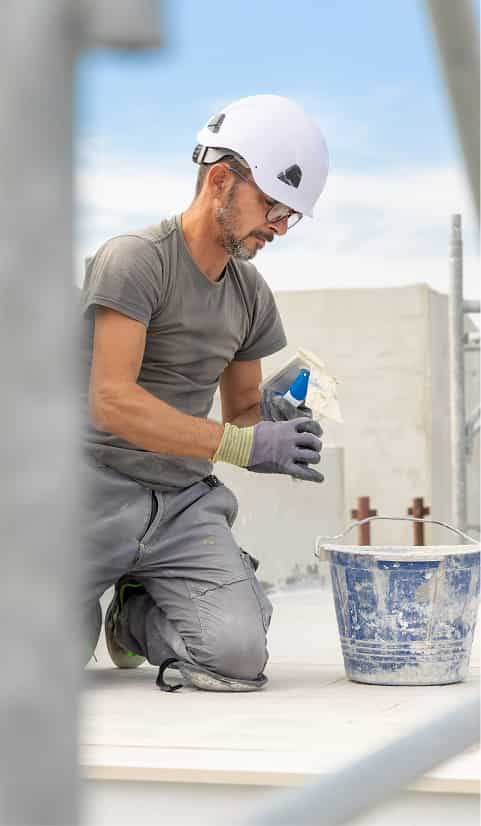
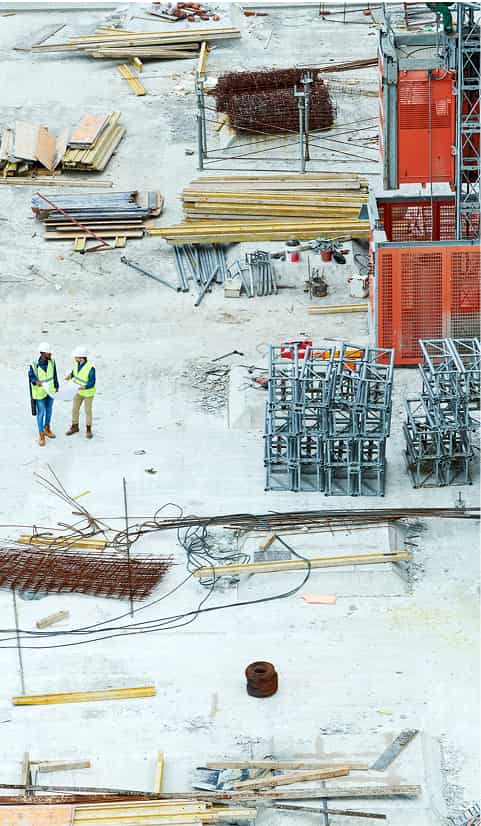
When you work on an Australian building site, your employer must follow strict rules. These cover safety, training, working conditions, breaks and working hours. Employers can be fined or jailed if they don’t provide safe working conditions.
As a construction trades worker, you must have a White Card. It is proof that you have been trained in basic workplace health and safety. You can find information about getting a White Card in Australia by visiting the Your Career website.
In Australia we are proud of our strong workplace safety culture, built on a history of cooperation, respect and understanding.



Licences, regulations and skills assessments
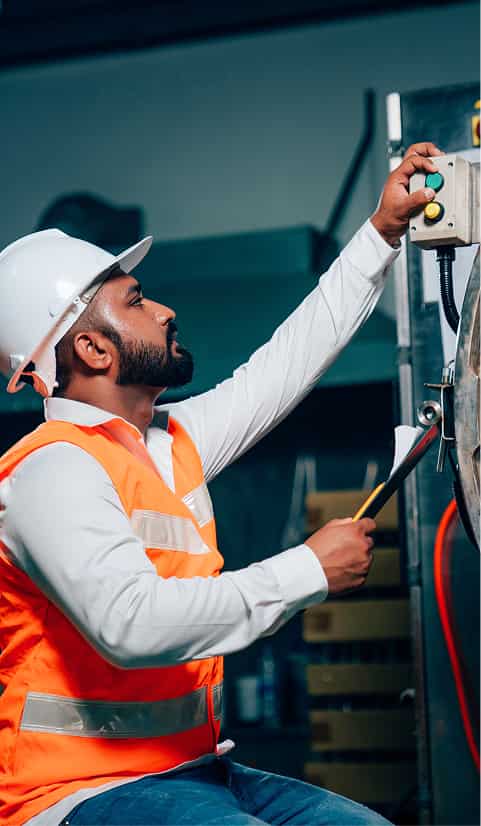
Some jobs or tasks in Australia’s construction industry have their own even stricter rules and conditions. They include additional licences, registrations, and building and technical regulations. These rules help to keep workers safe and make sure projects meet quality and safety standards.
In some cases, your overseas trade qualifications or licences might be recognised in Australia. Read more about skills assessment and licence recognition.
Trades which require a licence include electricians, plumbers, air-conditioning mechanics and builders.

Investing in the future
National Housing Accord
The National Housing Accord is an agreement between the Australian Government and all state and territory governments. It aims to build 1.2 million new, well-located homes across the country by mid-2029. This is driving strong demand for a wide range of construction workers, tradespeople, service personnel and apprentices all over Australia.
Major infrastructure and renewable energy projects
Across the nation, governments and private companies are investing billions of dollars in new infrastructure projects. These include transport, renewable energy, sport and events facilities and more. Australia needs a large construction workforce to build these projects now and into the future. You can find more information about jobs in Australia’s major project construction sector on the Infrastructure and Transport page.
Finding work in Australia
There are different ways for tradespeople to find jobs in Australia. You can search online for job agencies that specialise in tradespeople. These companies are often called ‘recruitment agencies’.
You can also search for jobs in your trade through employment websites and the Australian Government resource, Your Career. You can use this website to:
- search and compare providers and study and training options
- find out what is involved in working in particular occupations and industries
- view case studies and articles that feature real career journeys and tips for successful job searches, including resume writing and interview skills.



Programs, support and networks for women in construction trades
In Australia we value a diverse workforce and encourage women to grow their careers in the construction industry. We have a range of programs to support women in their chosen area.
Please note, scholarships and training subsidies may only be available to people with Australian citizenship or permanent residency.
Click the cards for more information

Building women’s careers – Australian Government

Women in construction - NSW Government
Women in construction - Victoria’s Big Build

Building futures
Women in Tasmania - BUSY Sisters

National Association of Women in Construction
Tradeswomen Australia - Empowering women in trades
SALT - Supporting And Linking Tradeswomen

Women In Construction - Construction Industry Training Board

Women Building Australia

HiViZ Women Building SA - Master Builders SA
State government information for skilled migrants
Find out more about opportunities for skilled migrants in each of Australia’s states and territories.
Click the cards for more information

Australian Capital Territory
Australian Capital Territory: Skilled migrants - Migration

New South Wales
New South Wales: Skilled visas | NSW Government

Northern Territory
Northern Territory: Migrate

Queensland
Queensland: MQ - Skilled visas

South Australia
South Australia: BuildConnect - Calling skilled workers to South Australia
Tasmania
Tasmania: Migration Tasmania
Victoria

Western Australia
Western Australia: Discover the Western Australian lifestyle — Build a life in WA

I wanted to give my wife and children the opportunity to live in and explore a different country, with great infrastructure, better education opportunities and a safe environment. I really like that it’s a young cosmopolitan community rich in culture and different backgrounds.
Ivan Vargas Diaz is a mechanical engineer now working as a senior test well engineer in Western Australia’s offshore gas industry. He has 14 years’ experience working in the oil and gas industry for a number of different operating companies – in Mexico, Venezuela, Colombia, Kazakhstan, Türkiye and Albania. Among the projects he’s been involved with are ultra-deep water exploration wells in Türkiye and Colombia.
Ivan says he and his family are still exploring their new community. “I really like that it’s a young cosmopolitan community rich in culture and different backgrounds.”
His advice to skilled visa recipients is to ensure they understand the scope of their visa and that they have savings to cover the initial costs of living, including accommodation and transport.
Ivan Vargas Diaz from Mexico
Common Questions
Where is the best place to live in Australia for professionals in construction trades?
Australia’s construction industry is booming, with strong demand for skilled professionals in residential, commercial, and civil construction, as well as green building and infrastructure development. Top locations include:
- Sydney (NSW) – A hotspot for large-scale residential and infrastructure projects, including Western Sydney Airport and Metro expansions. The NSW Government is investing heavily in construction training and workforce development, making it ideal for both experienced professionals and newcomers.
- Melbourne (VIC) – Known for its liveability and urban growth, Melbourne is a leader in sustainable construction and smart city development. It’s home to major commercial and residential projects, and a strong pipeline of infrastructure investment.
- Brisbane (QLD) – With preparations underway for the 2032 Olympics, Brisbane is seeing a surge in construction activity across transport, housing, and sporting infrastructure.
- Perth (WA) – A key centre for civil and industrial construction, especially in mining and energy-related infrastructure. Perth also offers opportunities in residential development as the city expands.
- Adelaide (SA) – Focused on defence infrastructure, urban renewal, and sustainable housing, Adelaide is growing its construction sector through innovation and government-backed projects.
Key regional hubs include:
- Newcastle and Wollongong (NSW) – Benefiting from port upgrades, housing developments, and regional infrastructure investment.
- Geelong and Ballarat (VIC) – Growing centres for residential and commercial construction, supported by regional migration and government incentives.
- Toowoomba and Sunshine Coast (QLD) – Experiencing rapid growth in housing and infrastructure, with strong demand for trades and project managers.
- Launceston and Hobart (TAS) – Investing in sustainable housing and public infrastructure, with a focus on regional development and affordability.
- Darwin (NT) – A strategic location for defence and remote infrastructure projects, with strong demand for skilled construction workers.
Choice may depend on your specialisation, lifestyle preferences, or visa pathway.
Are these industries in demand across all of Australia or just major cities?
While major cities like Sydney, Melbourne, and Brisbane have broad industry opportunities, many roles—especially in health, construction, AgTech, and resources—are also in demand in regional and remote areas.
Discover more about lifestyle preferences
What visa options are available for high demand skilled workers?
Australia offers several skilled migration pathways for professionals in high-demand sectors. Depending on your qualifications, experience, and willingness to work in regional areas, you may be eligible for the following visas:
- Skilled Independent Visa (subclass 189)
A permanent visa for skilled workers who are not sponsored.
Requires an invitation to apply based on a points test.
Suitable for occupations on the Medium and Long-term Strategic Skills List (MLTSSL). - Skilled Nominated Visa (subclass 190)
A permanent visa requiring nomination by a state or territory government.
Applicants must have an occupation listed on the relevant skilled occupation list. - Skilled Work Regional (Provisional) Visa (subclass 491)
A 5-year temporary visa with a pathway to permanent residency.
Requires nomination by a state or territory or sponsorship by an eligible family member in a regional area.
Encourages skilled migration to regional Australia. - Employer Nomination Scheme (subclass 186)
A permanent visa for skilled workers nominated by an Australian employer.
Available through the Direct Entry or Temporary Residence Transition streams. - Skills in Demand Visa (subclass 482)
A temporary visa (up to 4 years) for workers sponsored by an employer.
Available through the Core Skills, Specialist Skills and Labour Agreement streams.
May lead to permanent residency through subclass 186. - Skilled Employer Sponsored Regional (Provisional) Visa (subclass 494)
A 5-year visa for skilled workers sponsored by an employer in regional Australia.
Offers a pathway to permanent residency via subclass 191.
Are there opportunities for upskilling and training in the workplace?
Many employers offer their employees training and upskilling opportunities. If you have to do training as part of your job, you must be paid for your time. If you attend training courses, seminars or conferences that are directly related to your occupation and pay for them yourself, you may be able to claim a tax deduction. You can also claim a tax deduction for self-education expenses if the education relates to your employment.
What support is available for families of skilled migrants?
Australia offers a welcoming environment for skilled migrants and their families, with strong support systems to help you settle and thrive. Key benefits include:
- Excellent education system: access to world-class public and private schools, and leading universities.
- High-quality healthcare: comprehensive care provided by government through Medicare (for eligible visa subclasses), and private health services.
- Family-friendly work culture: flexible working arrangements, generous parental leave, and child care support.
- Safe and stable communities: a high standard of living with a strong economy and low crime rates.
- Job opportunities: diverse career prospects for both primary applicants and partners.
Learn more about family lifestyle