Resources
Australia stands as a global leader in the resources industry, renowned for its abundant reserves, advanced technologies, and strong record of responsible, innovative development. Covering minerals, energy, and resource-related research, the sector ensures Australia remains at the forefront of addressing current needs and future opportunities.
Through world-class operations, cutting-edge research, strong global partnerships, and a skilled, future-ready workforce, we offer unmatched potential in research-sector growth and are seeking world-class innovators to advance the nation’s capabilities in the resources sector.
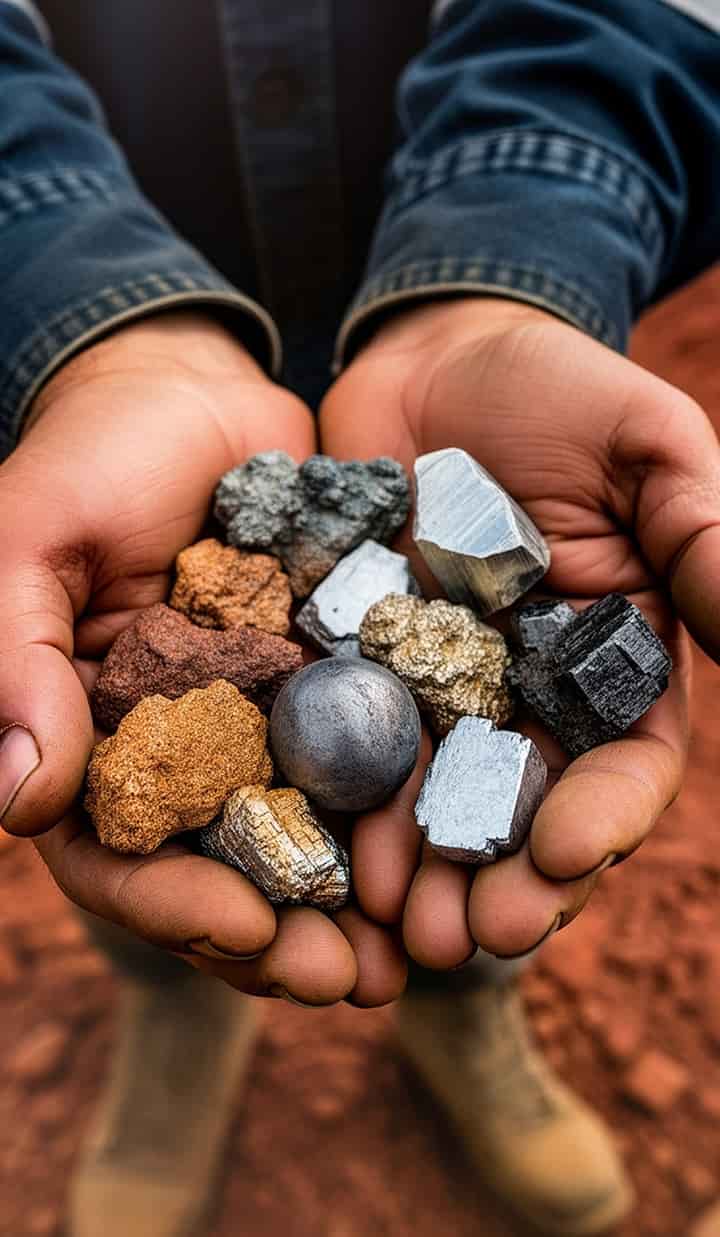
Critical and battery minerals
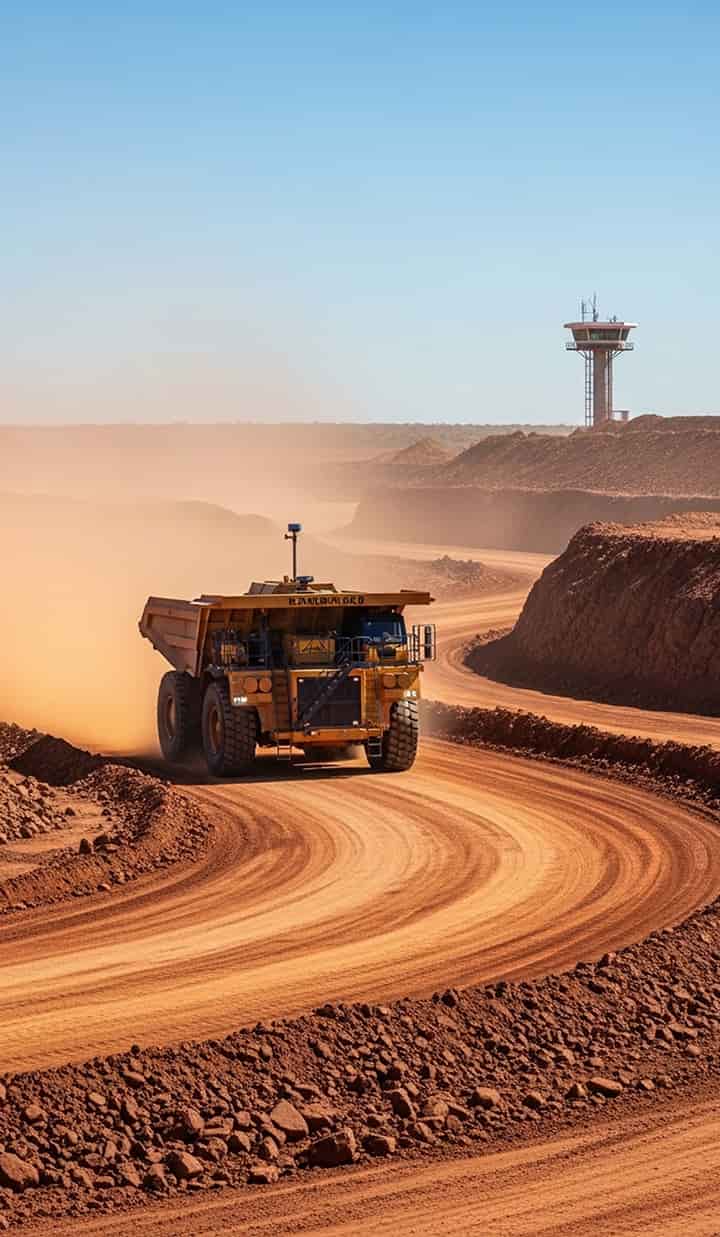
Automation and Industry 4.0 skills
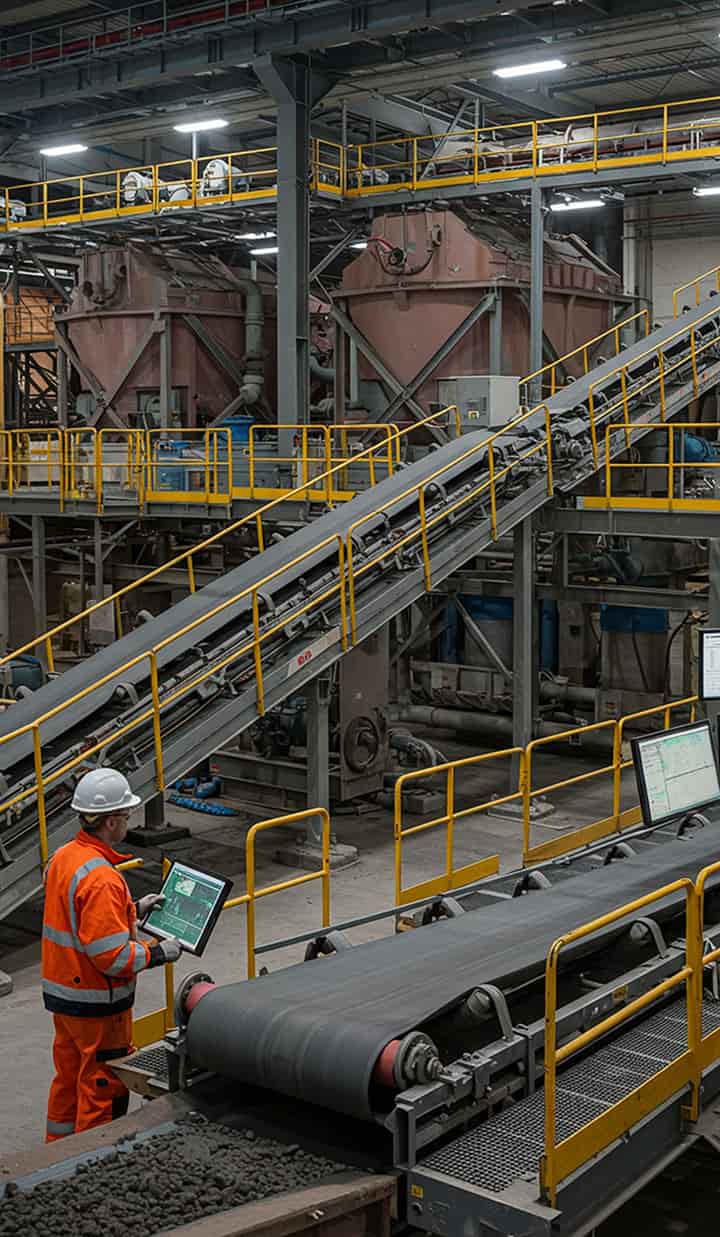
Beneficiation technology
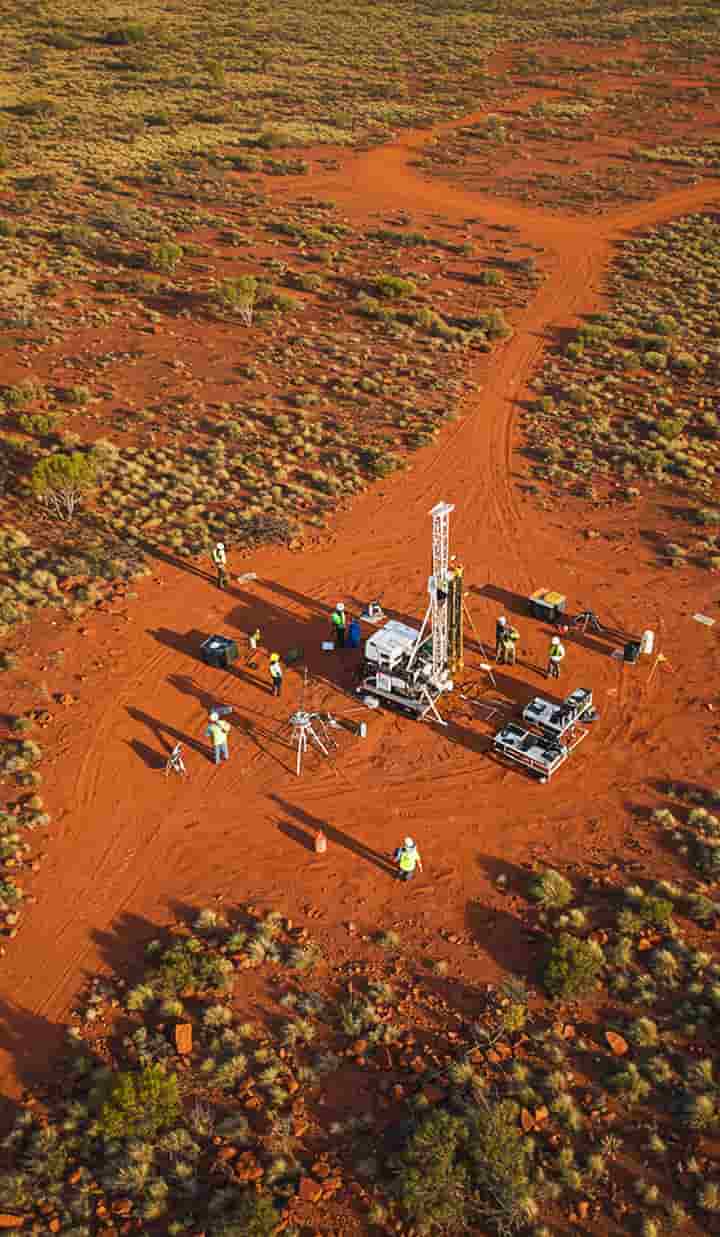
Exploration services
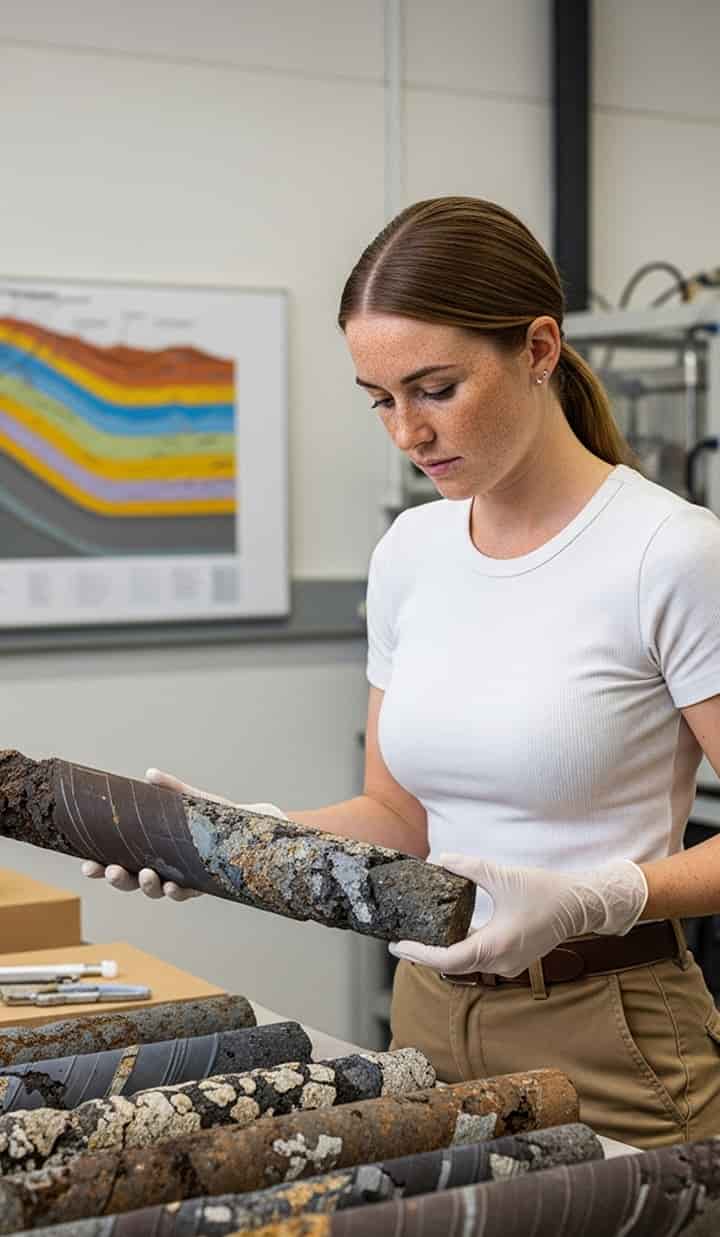
Geology and metallurgy
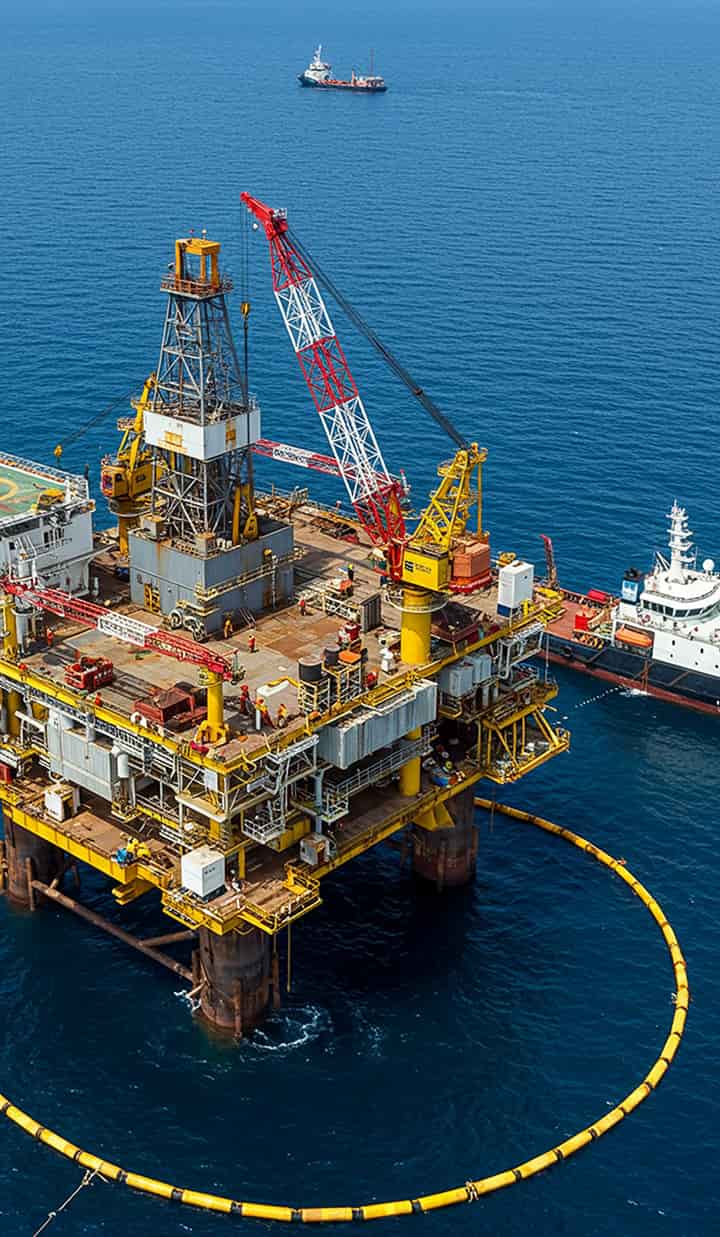
Decommissioning and rehabilitation
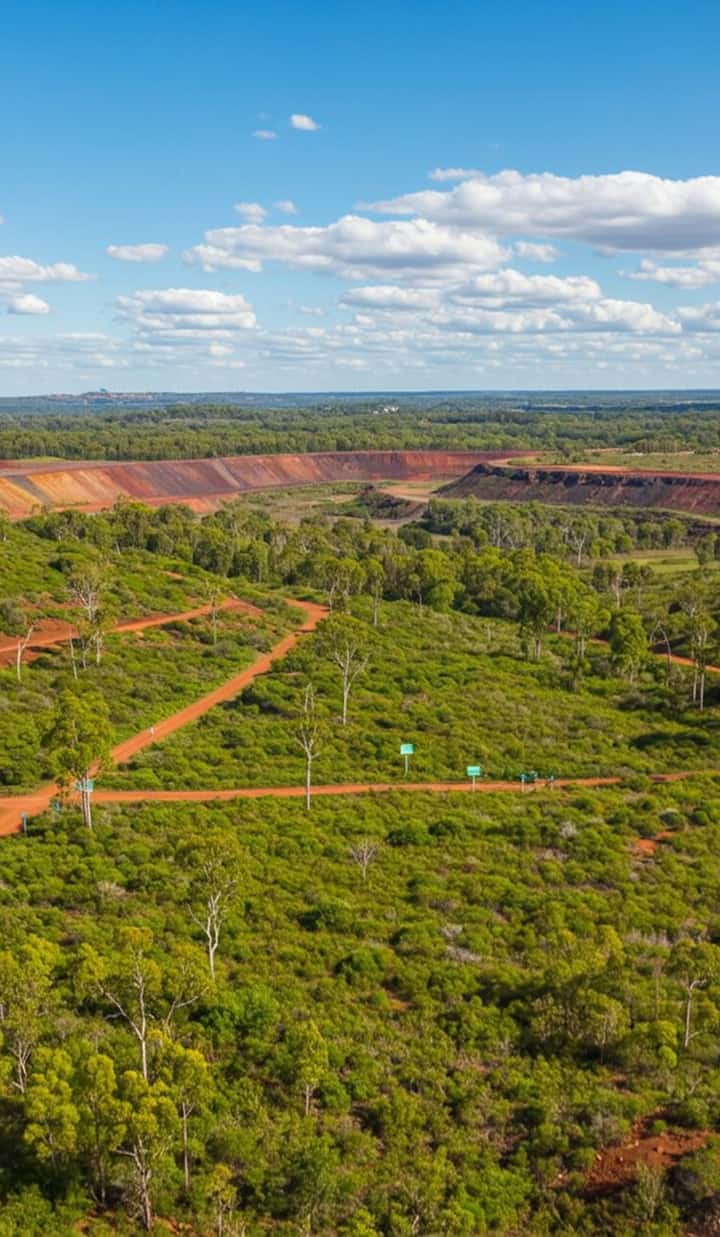
Resource waste management
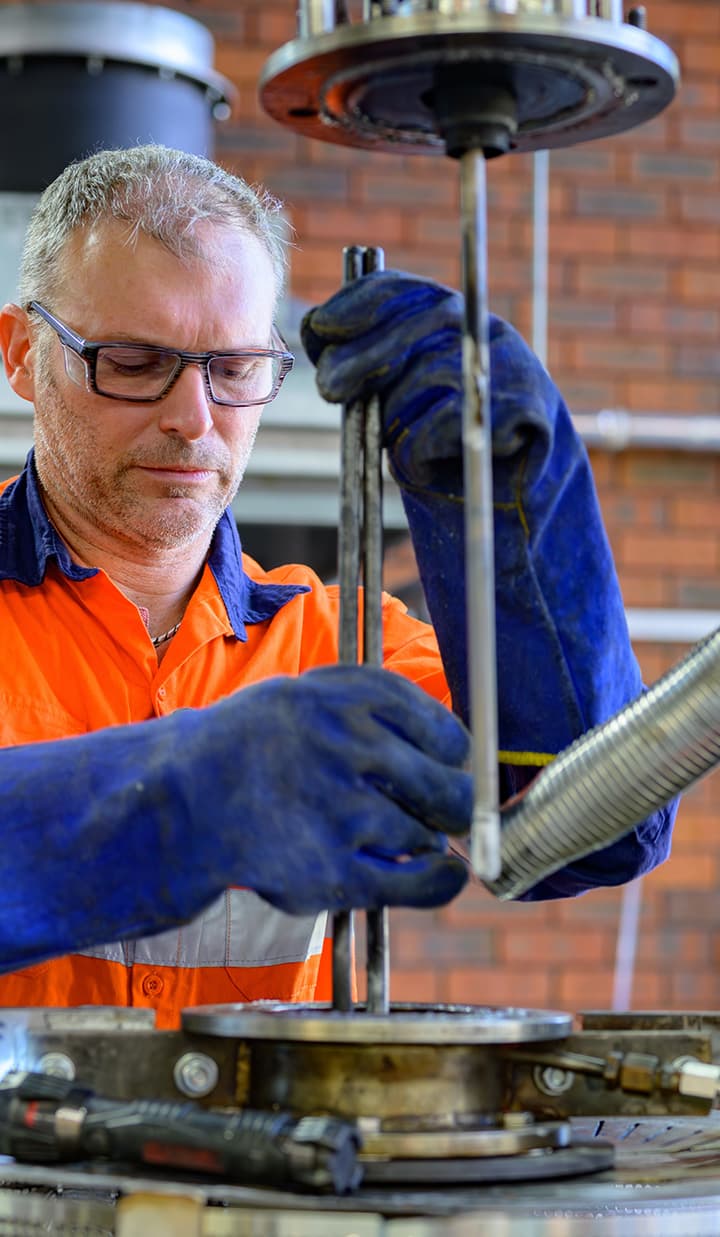
Value-adding: manufacturing and advanced mineral processing
The future of resources in Australia
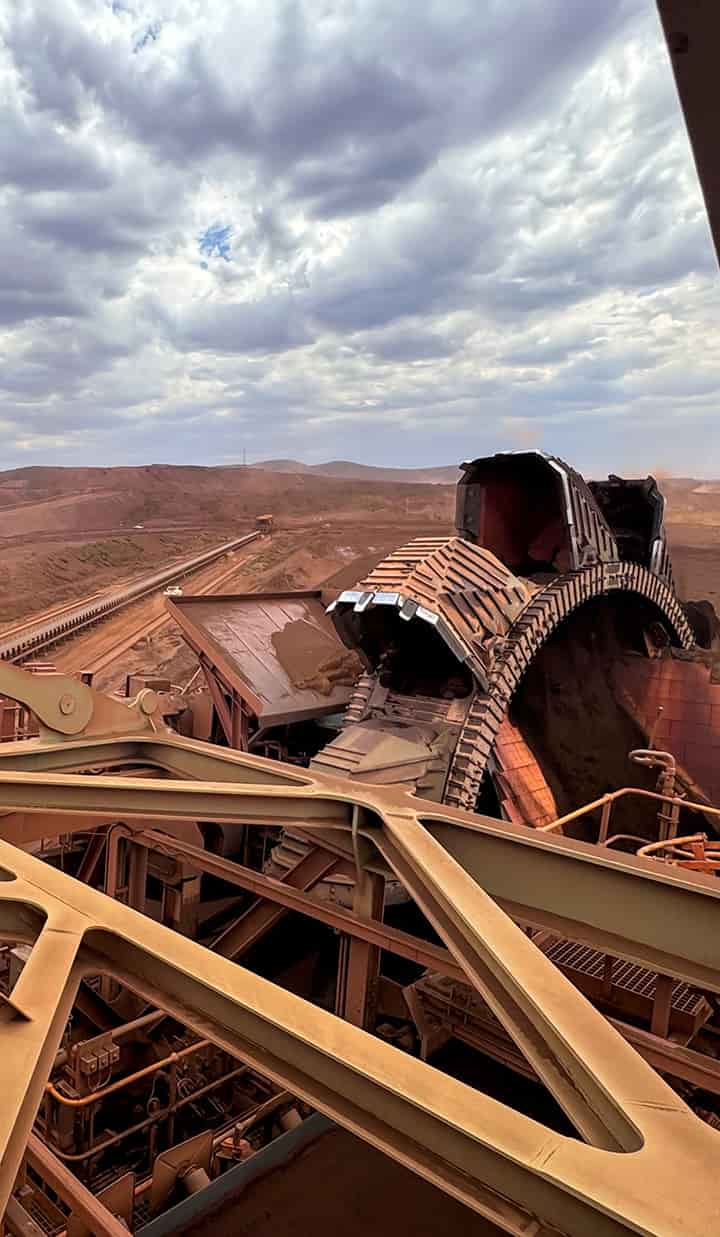
Australia is one of the world’s leading exporters of resources – from iron ore and coal to critical minerals and liquefied natural gas (LNG). With world-class operations, advanced technology, and a strong focus on sustainability, our resources sector helps to ensure global energy security and supports the transition to net zero.
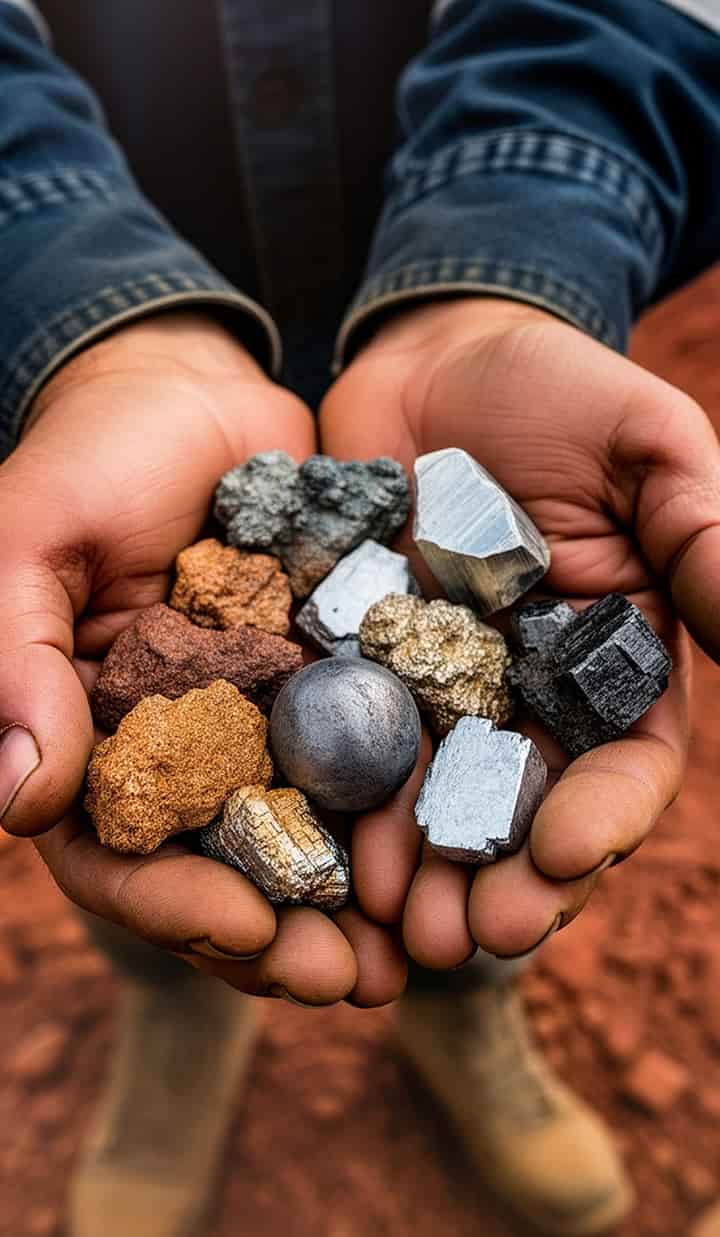
Australia’s resources sector generates over A$350 billion in annual exports and holds top global reserves in copper, nickel, gold, zinc, and bauxite, including as critical inputs to Australia’s downstream manufacturing industries.
Australia’s geological endowment, sophisticated operations, and supply chains support Australia’s minerals and resources industries to operate productively and safely. We are also advancing new frontiers with critical minerals, which are vital inputs to the modern and future economy.
Investment and funding opportunities
To support sustainable growth in resources, the Australian Government has committed billions across programs and initiatives. These funding streams are designed to support projects aligned with national interest priorities, ensure long-term economic growth, and attract global investment.
Click the cards for more information >
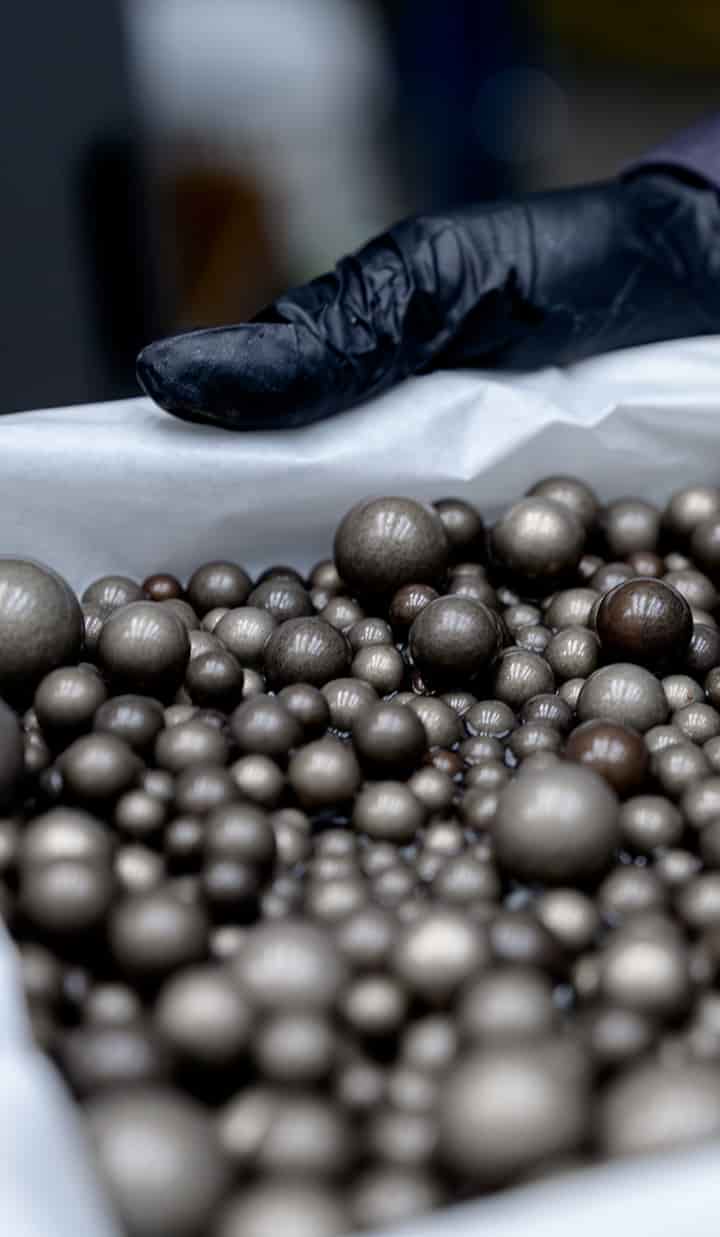
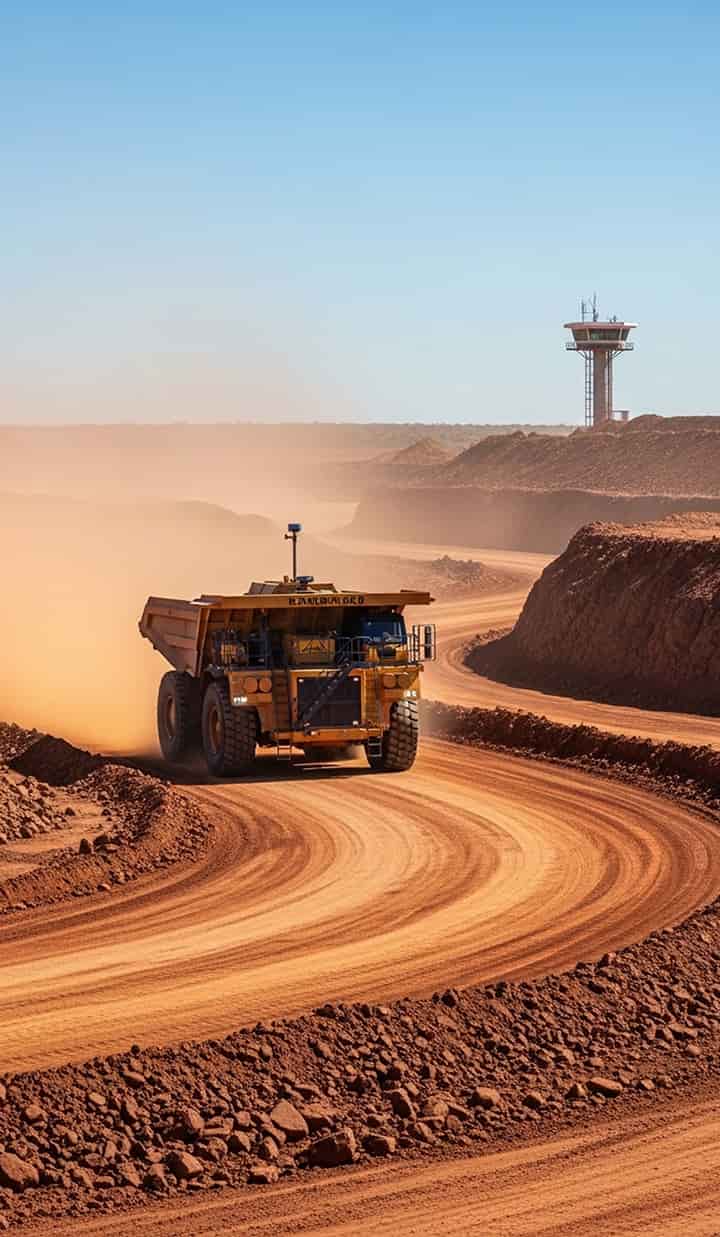
$4 billion critical minerals facility
A$4 billion Critical Minerals Facility, with an additional A$1 billion added to the facility to support the Critical Minerals Strategic Reserve.
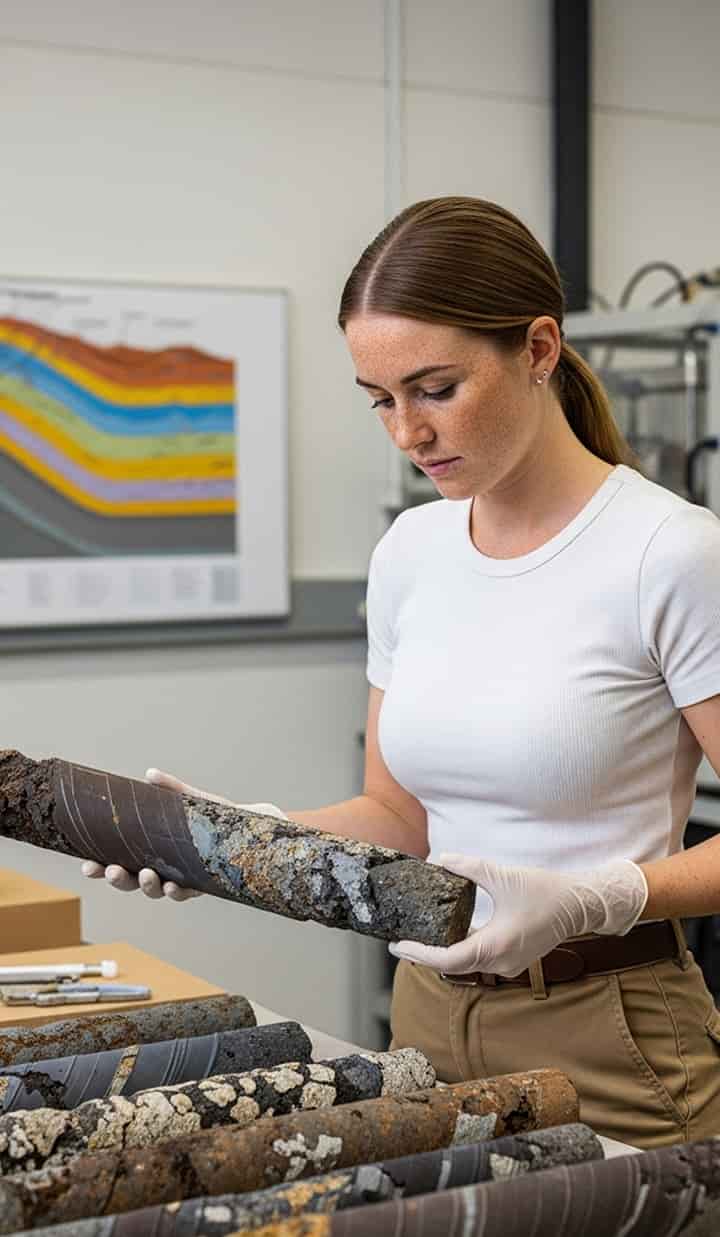
A$5 billion Northern Australia Infrastructure Facility
A$5 billion Northern Australia Infrastructure Facility (NAIF), including A$500 million to invest in critical minerals projects.
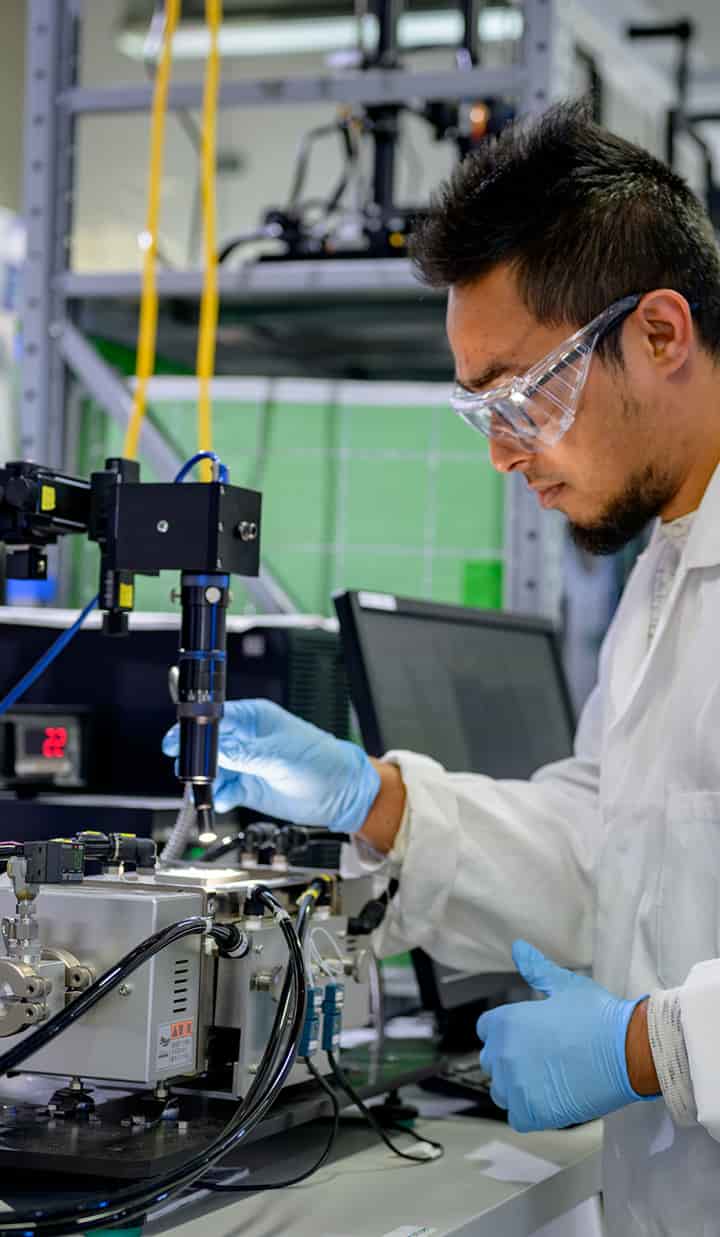
A$1 billion for value add in resources
A$15 billion National Reconstruction Fund, with A$1 billion for value add in resources.
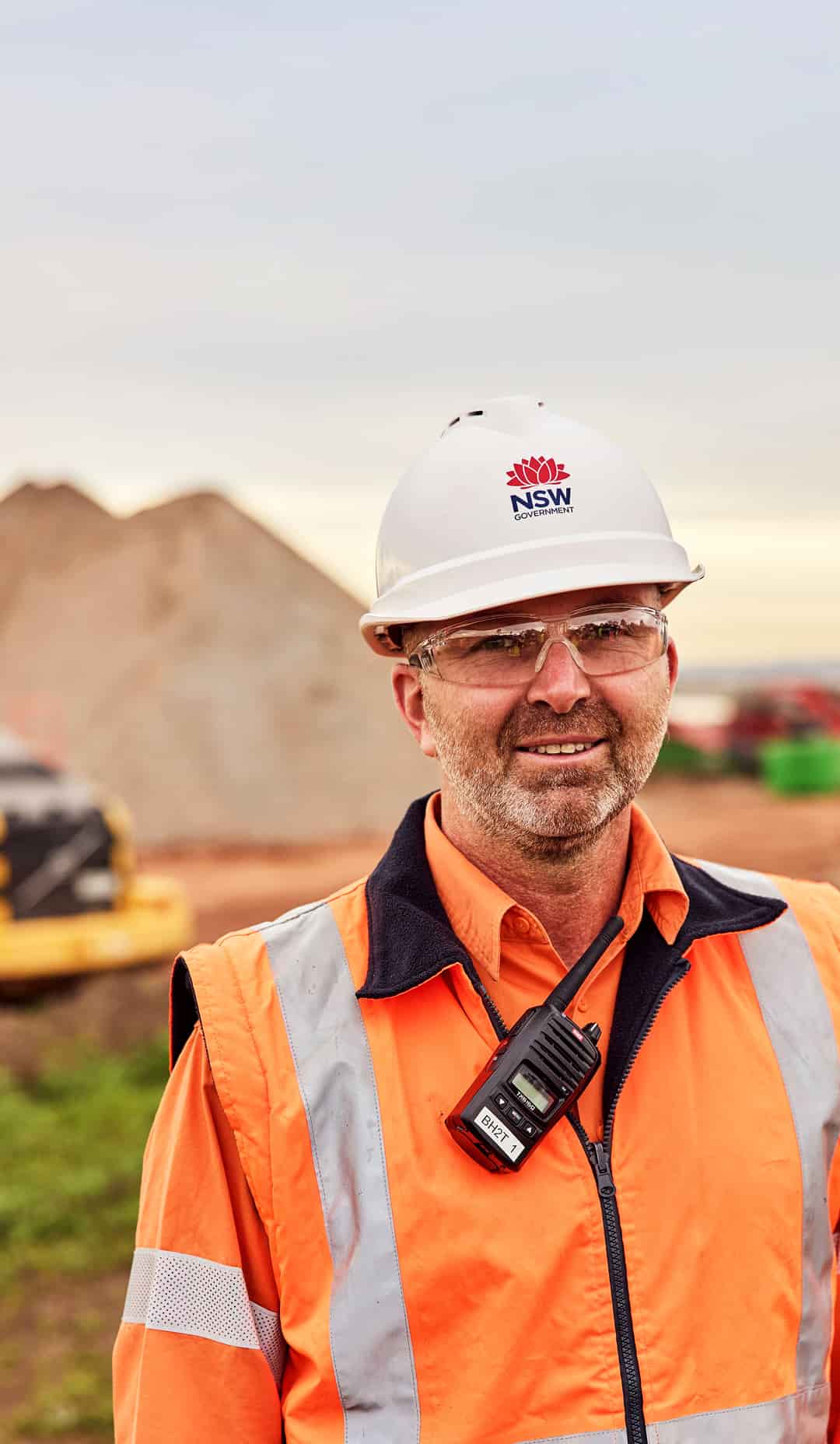
A$50.5 million R&D hub
A$50.5 million R&D Hub to address technical challenges and strategic priorities including the development of new intellectual property.
A$10.2 million Critical Minerals National Productivity Initiative
A$10.2 million Critical Minerals National Productivity Initiative to work with state and territory governments to develop feasibility studies for common user critical minerals processing facilities
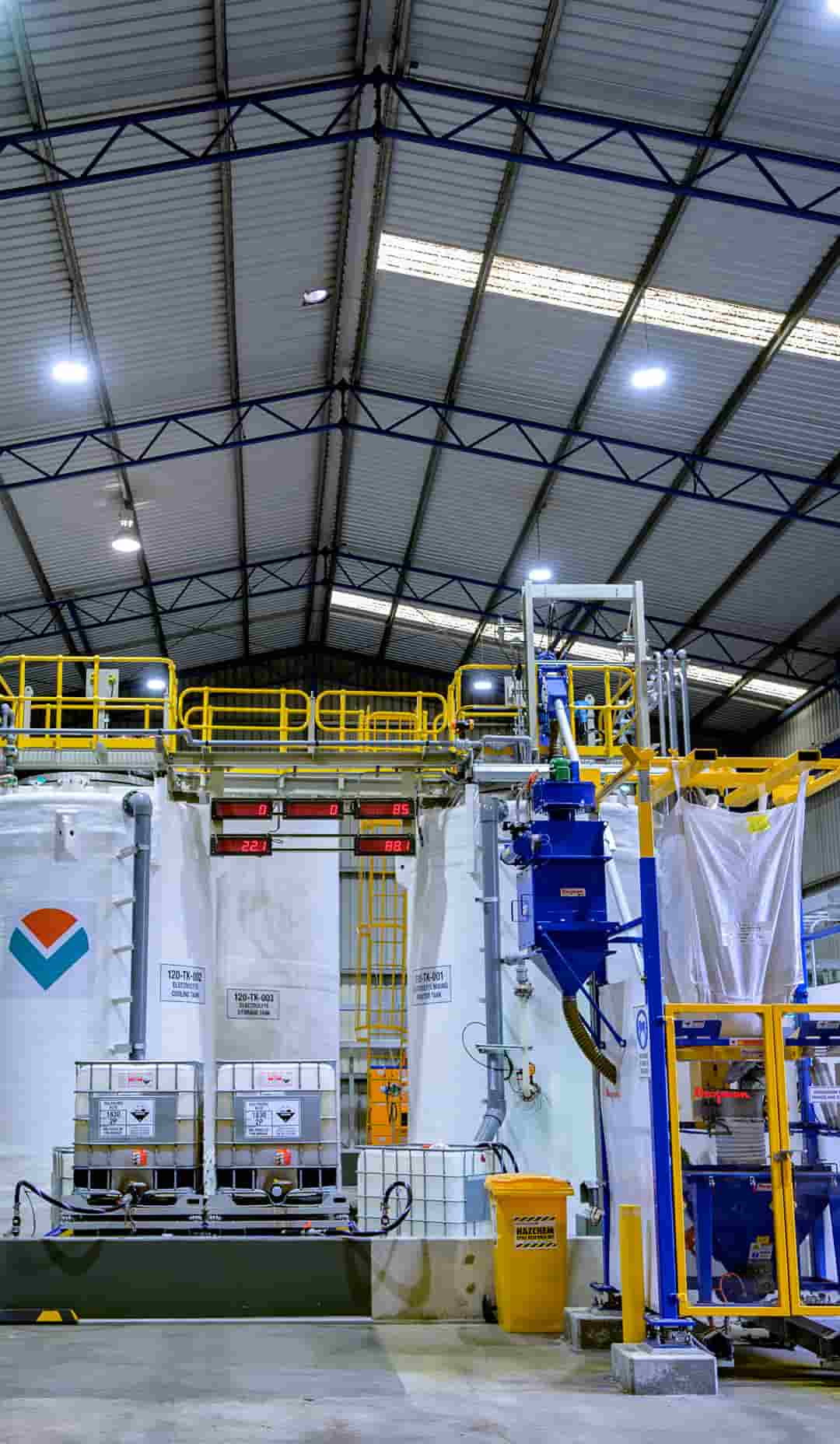
A$17.5 billion Critical Minerals Production Tax Incentive
A$17.5 billion Critical Minerals Production Tax Incentive, which provides a 10% tax offset for firms to process critical minerals in Australia

A$3.4 billion Resourcing Australia’s Prosperity initiative
A$3.4 billion, 35-year initiative led by Geoscience Australia, Resourcing Australia’s Prosperity (RAP) will deliver comprehensive geoscience mapping of Australia’s natural resources.
Research and development
As a reliable supplier of energy and resources, Australia’s commitment to continuous research and development is backed by world-class science agencies, advanced exploration data, and over $450 million in collaborative initiatives. From sustainable mineral mining to future battery research, our mature innovation ecosystem provides a foundation to ensure global leadership, commercialisation, and attract investment towards the future of resources.
These efforts underpin Australia’s global leadership in innovation, enabling translation from lab to global markets.
< Click the cards for more information
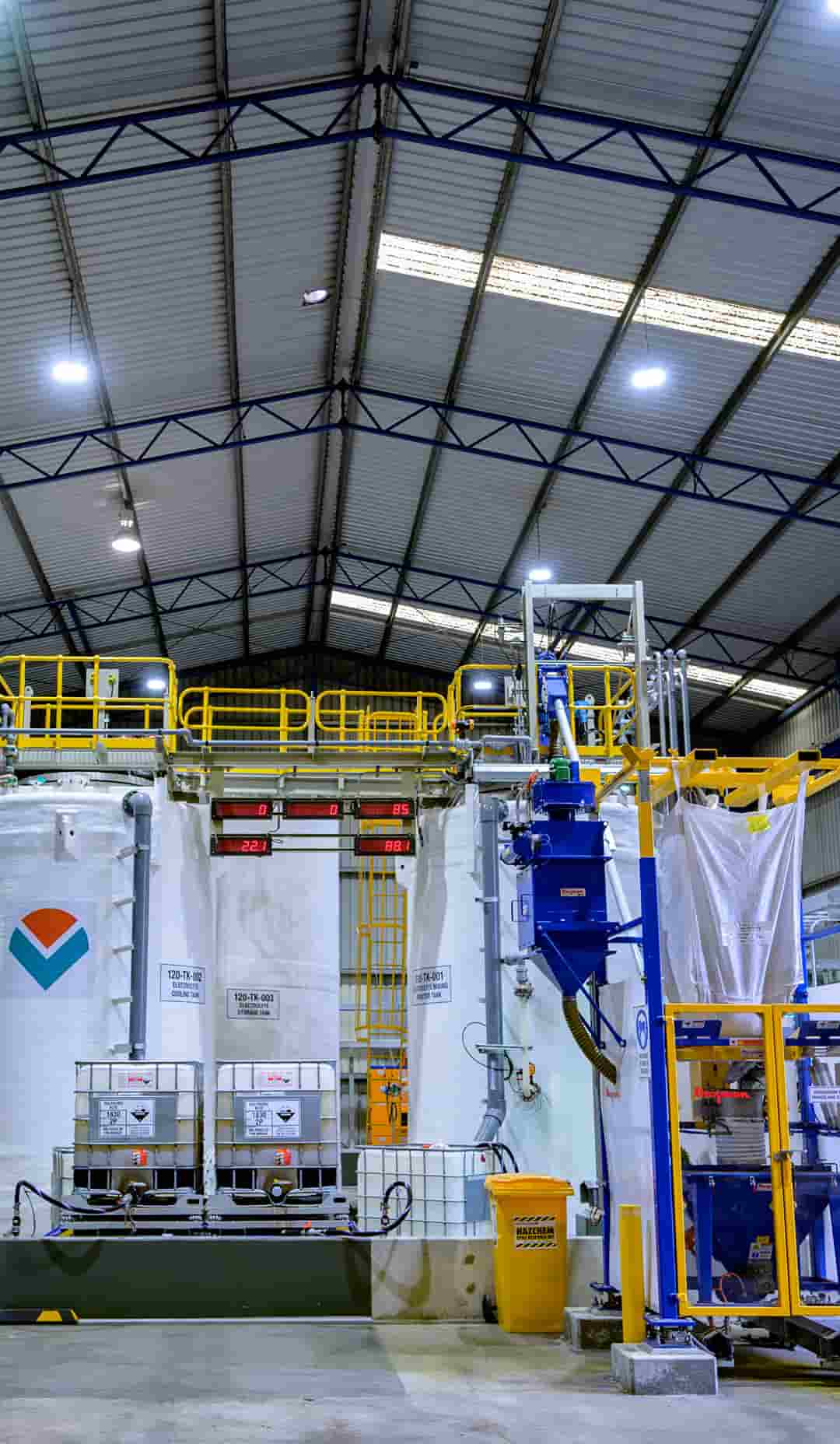
Sustainable mining powers Australia’s future
Australia’s export demand is driving the future of the resources sector. A focus on sustainable mining practices helps us minimise environmental impacts, while advanced technology helps keep us competitive. Key areas of emphasis include sustainable mining operations, pre-competitive exploration data, critical minerals processing, and the development of battery technology and value chains.
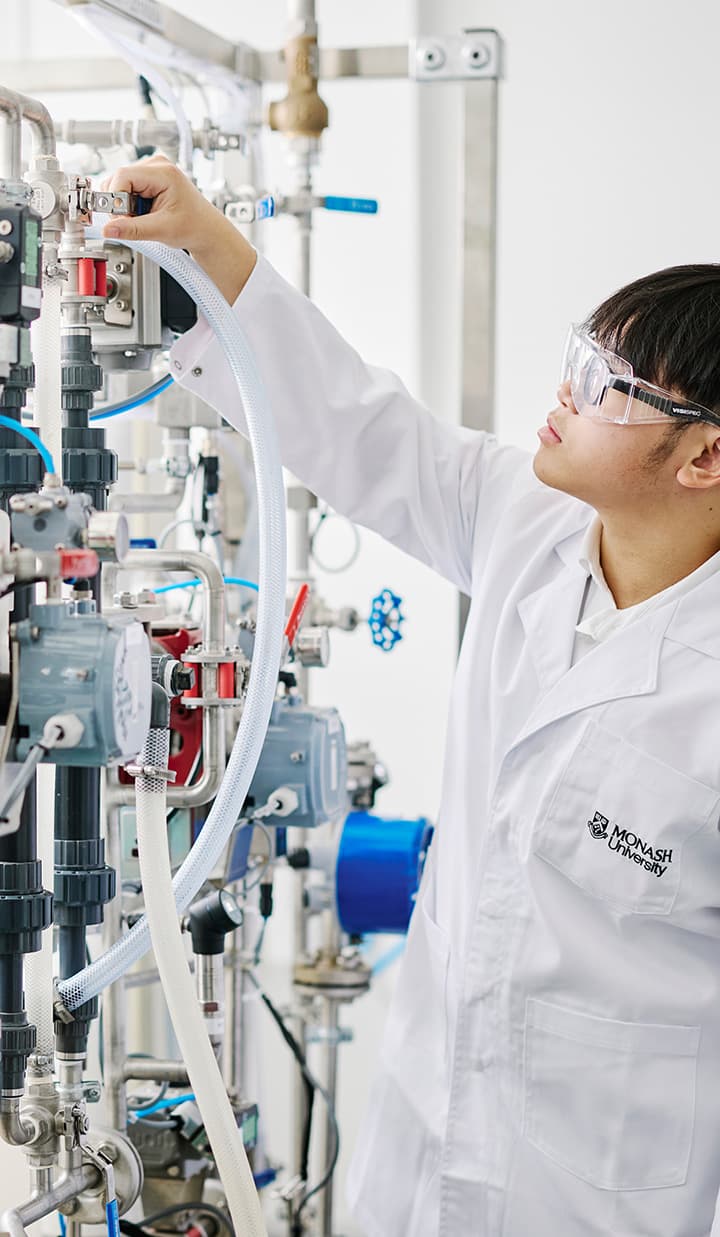
Innovation supported by a strong intellectual property framework
Our priorities are supported by a robust intellectual property framework, encouraging the commercialisation of research and innovation within the industry.
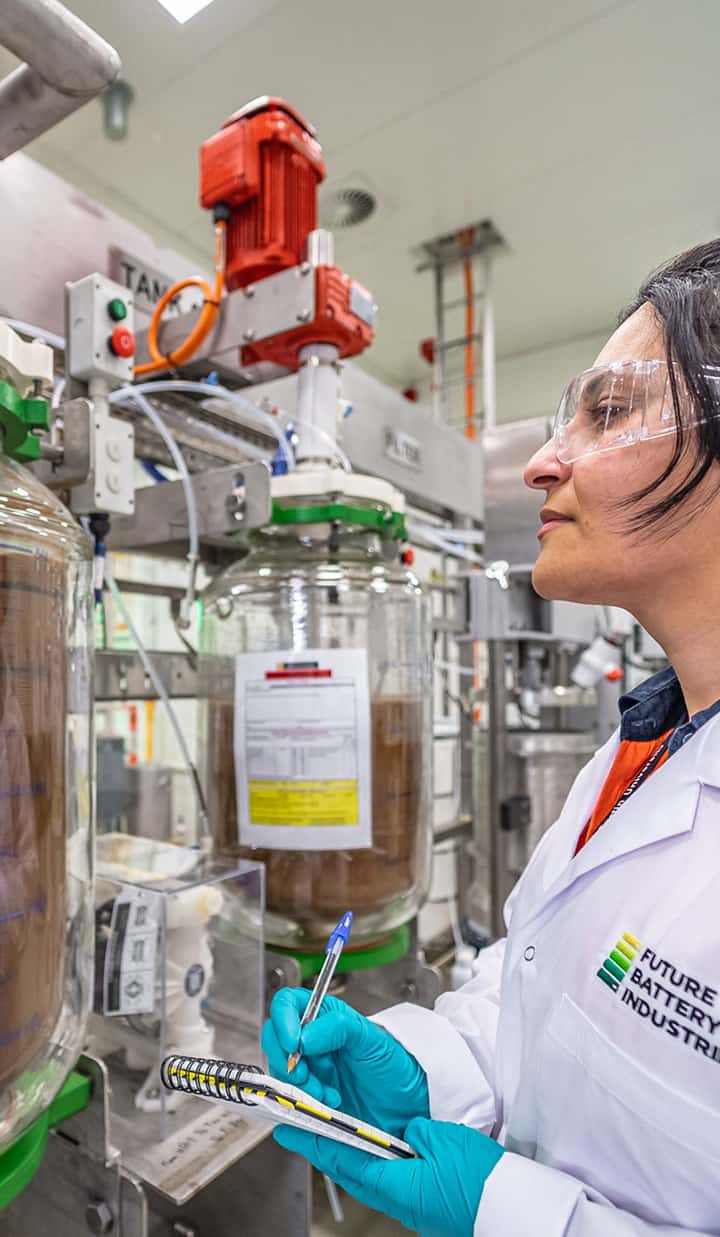
Flagship programs drive minerals leadership
A network of leading institutions and flagship programs underpins our progress. Organisations such as CSIRO and Geoscience Australia, along with initiatives like the Australian Critical Minerals Research and Development Hub (A$50.5 million), Resources Technology for Critical Minerals Trailblazer (A$50 million), Future Battery Industries CRC (A$130 million), MinEx CRC (A$220 million), and CRC TiME for mining rehabilitation, all play pivotal roles in advancing Australia’s capabilities and leadership in the global minerals sector.
Sustainable mining powers Australia’s future
Australia’s export demand is driving the future of the resources sector. A focus on sustainable mining practices helps us minimise environmental impacts, while advanced technology helps keep us competitive. Key areas of emphasis include sustainable mining operations, pre-competitive exploration data, critical minerals processing, and the development of battery technology and value chains.
Innovation supported by a strong intellectual property framework
Our priorities are supported by a robust intellectual property framework, encouraging the commercialisation of research and innovation within the industry.
Flagship programs drive minerals leadership
A network of leading institutions and flagship programs underpins our progress. Organisations such as CSIRO and Geoscience Australia, along with initiatives like the Australian Critical Minerals Research and Development Hub (A$50.5 million), Resources Technology for Critical Minerals Trailblazer (A$50 million), Future Battery Industries CRC (A$130 million), MinEx CRC (A$220 million), and CRC TiME for mining rehabilitation, all play pivotal roles in advancing Australia’s capabilities and leadership in the global minerals sector.
Global partnerships
Australia fosters innovation in mining through world-leading METS companies, government-backed initiatives, and a strong commercialisation ecosystem. We are transforming resource operations into sustainable, high-tech enterprises, with a focus on addressing and overcoming challenges brought upon by climate change, as well as other environmental and social issues. As a result, we are positioned as a global hub for entrepreneurial growth in the resources sector.
Join us through the National Innovation visa and be part of Australia’s bright future in the resources sector.
Innovations in sustainable mining
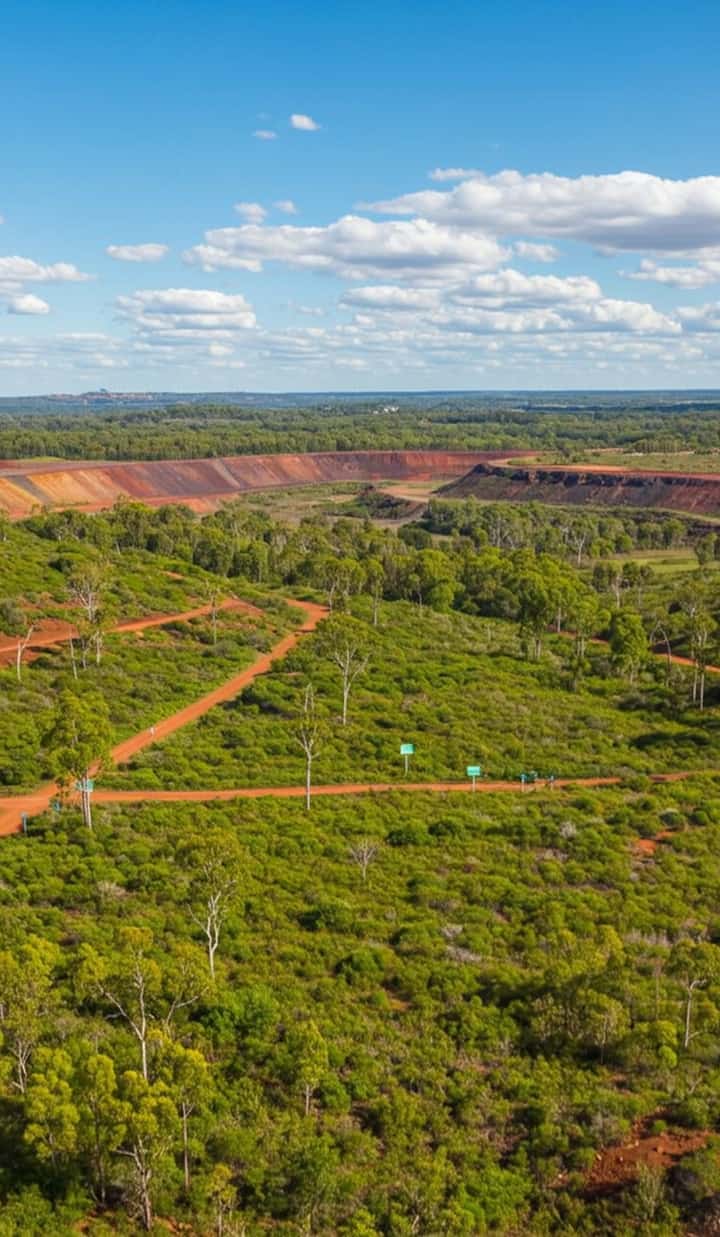
Focusing on innovation and sustainability, Australia is advancing smart water mines equipped with cutting-edge monitoring and treatment, developing zero-carbon and small-footprint mining operations, embracing waste-free circular economy practices, and integrating mining more closely with surrounding communities.
Investing in the future workforce
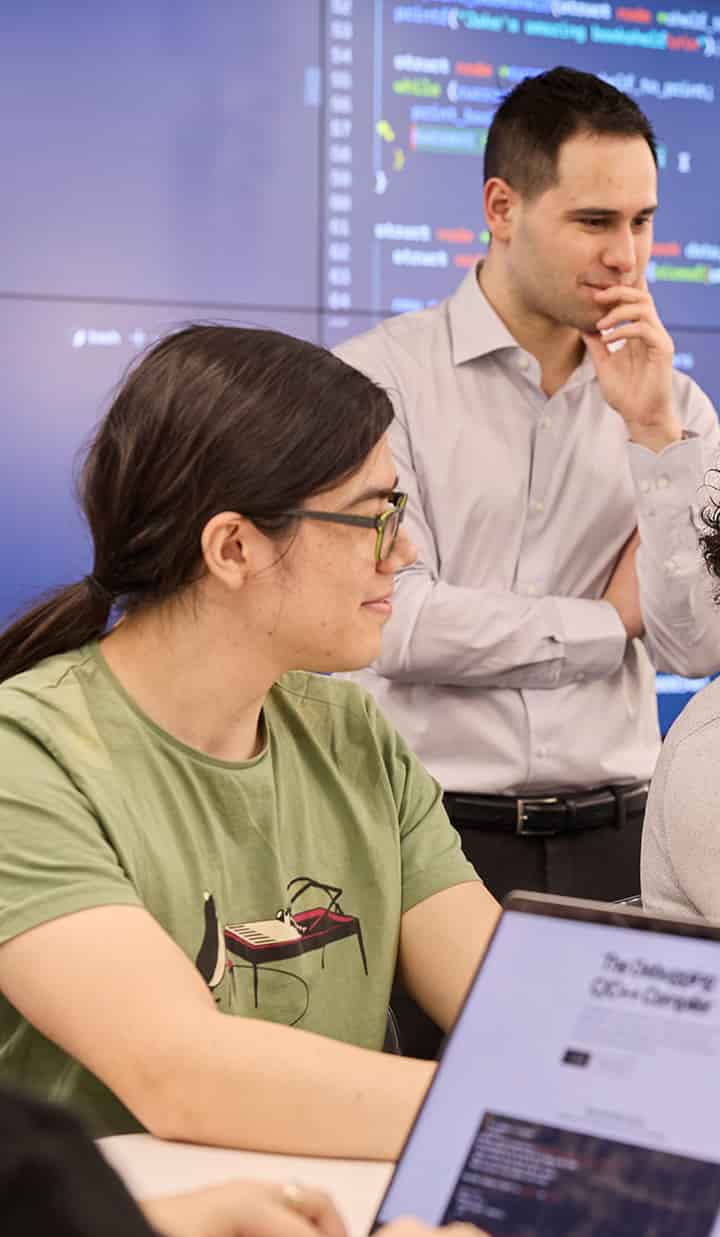
Through major government initiatives, advanced training, and strong industry collaboration, Australia is building a resources workforce that is future-ready. With a focus on robotics, automation, and data-driven technologies, the sector offers secure, high-skilled jobs and supports long-term growth in the economy. Career pathways for future generations, as well as regional and First Nations communities, have been progressively taking shape.
Australia’s workforce strategy for the resources sector is underpinned by significant initiatives, including a $3.1 billion Australian Apprenticeships Incentive System, and $504 million allocated to Jobs and Skills Councils. The sector employs over 30,000 skilled professionals within the METS industry and directly supports around 300,000 workers in mining, which contributes approximately 11.4% to the nation’s GDP.
Further reading
Explore the links below to learn more about Australia’s unique position and opportunities within the resources sector.
Critical Minerals Strategy 2023-2030
Accelerating Sustainable Mining
Resources and energy quarterly
Your expertise, your future.
Make the smart move to Australia
Express your interest through the National Innovation Visa and be part of Australia’s bright future.

I wanted to give my wife and children the opportunity to live in and explore a different country, with great infrastructure, better education opportunities and a safe environment. I really like that it’s a young cosmopolitan community rich in culture and different backgrounds.
Ivan Vargas Diaz is a mechanical engineer now working as a senior test well engineer in Western Australia’s offshore gas industry. He has 14 years’ experience working in the oil and gas industry for a number of different operating companies – in Mexico, Venezuela, Colombia, Kazakhstan, Türkiye and Albania. Among the projects he’s been involved with are ultra-deep water exploration wells in Türkiye and Colombia.
Ivan says he and his family are still exploring their new community. “I really like that it’s a young cosmopolitan community rich in culture and different backgrounds.”
His advice to skilled visa recipients is to ensure they understand the scope of their visa and that they have savings to cover the initial costs of living, including accommodation and transport.
Ivan Vargas Diaz from Mexico
Common Questions
Where is the best place to live in Australia for professionals in resources?
Australia is a global powerhouse in mining, energy, and critical minerals, offering world-class opportunities for professionals in exploration, extraction, processing, and sustainability. Top locations include:
- Perth (WA) – The heart of Australia’s mining and resources industry, Perth is home to major companies in iron ore, lithium, gold, and oil and gas. It offers strong career prospects in engineering, geology, and project management, with access to global markets and innovation hubs.
- Brisbane (QLD) – A key centre for coal, gas, and emerging hydrogen industries, Brisbane supports major mining operations across Queensland and is a hub for mining tech and environmental management.
- Adelaide (SA) – Known for its expertise in copper, uranium, and defence-linked resources, Adelaide is also growing in critical minerals and sustainable mining practices.
- Darwin (NT) – Strategically located for critical minerals and energy exports, Darwin is central to Australia’s push for sovereign capability in processing and refining, especially in rare earths and battery minerals.
Key regional hubs include:
- Kalgoorlie and Pilbara (WA) – Rich in iron ore, gold, and lithium, these regions are vital to Australia’s mining economy and offer high-demand roles in operations and engineering.
- Mount Isa and Gladstone (QLD) – Centres for copper, zinc, and alumina, with strong infrastructure and export capacity.
- Whyalla and Roxby Downs (SA) – Focused on steel, copper, and uranium, with growing investment in green steel and low-emission technologies.
- Gove and Tennant Creek (NT) – Emerging hubs for bauxite, manganese, and rare earths, with potential for downstream processing and Indigenous engagement.
- Broken Hill (NSW) – One of Australia’s oldest mining towns, now revitalising through critical minerals and sustainable mining innovation.
Choice may depend on your specialisation, lifestyle preferences, or visa pathway.
Are these industries in demand across all of Australia or just major cities?
While major cities like Sydney, Melbourne, and Brisbane have broad industry opportunities, many roles—especially in health, construction, AgTech, and resources—are also in demand in regional and remote areas.
Discover more about lifestyle preferences
How do Australian cities compare with other countries for liveability?
Melbourne, Sydney and Adelaide rank as the 4th, 6th and 9th most liveable cities in the world, according to the Economist Intelligence Unit’s Global Liveability Index 2025.
Is Australia really one of the world’s most liveable countries?
Yes. Australia regularly ranks near the top in global liveability indexes due to its excellent healthcare system, high-quality education, political stability, low crime rates, and well-maintained infrastructure. Many parts of Australia are known for their cultural diversity, recreational opportunities, green spaces, and overall quality of life. Combined with a clean environment and a strong focus on work-life balance, Australia offers an attractive lifestyle for individuals and families alike.
Explore more reasons why Australia is a great place to live, work, and thrive.