Leading education research
The Australian Government is prioritising the advancement of the education sector. The focus will be on leadership and excellence among academics and researchers at Australian academic level D or E (or international equivalent), as well as senior management in our universities and higher learning institutions.
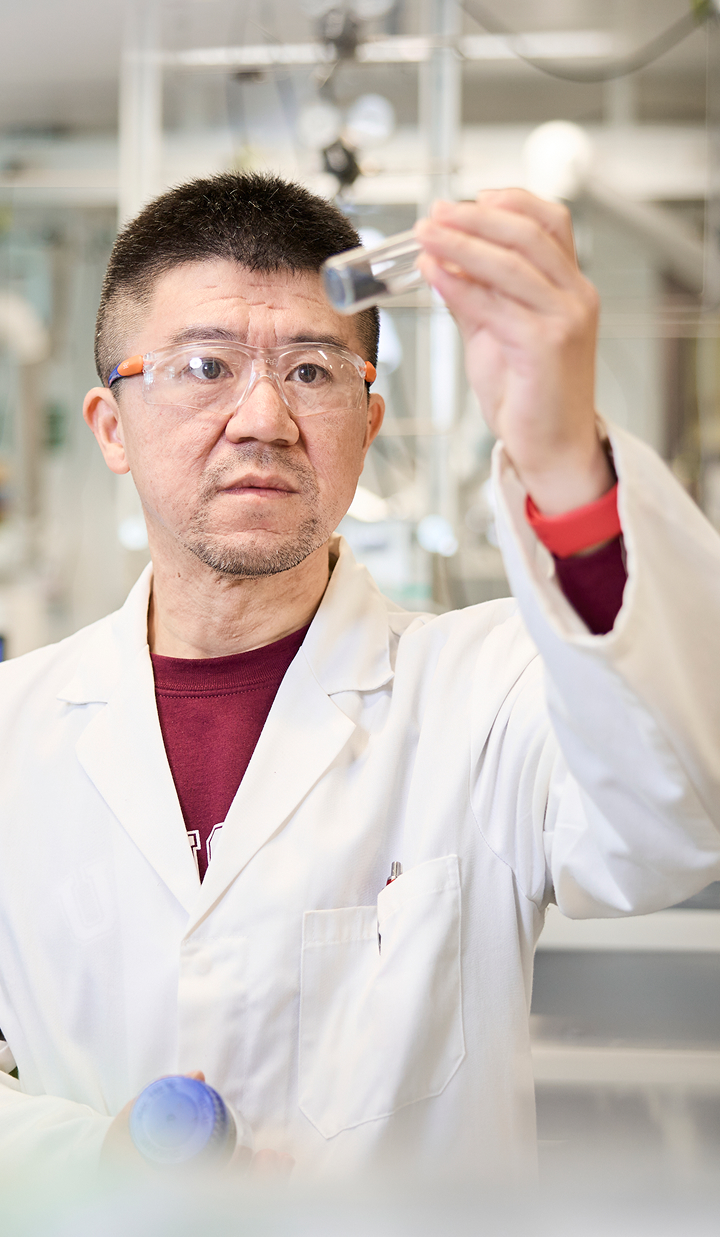
Research excellence

Senior management experience

Published work

International collaboration

Contribution to policy development

The future of education in Australia
The education sector is of fundamental importance to Australia, leading word-class research and innovation that benefits Australia’s economy, serves as a valuable pipeline for Australia’s skilled workforce needs, and supports relationships in the region.
Australia has long been a highly desirable location for prospective students, academics and researchers looking to study abroad. Our universities rank among the best in the world in terms of quality of education, student satisfaction and overall global reputation.
In 2025, 95% of Australia’s public universities are ranked by the Times Higher Education (THE) World University Rankings on teaching, research, knowledge transfer and internationalisation. Among them, 6 are ranked in the top 100, and 10 in the top 200.
In the 2025 Quacquarelli Symonds (QS) World University Rankings, 9 Australian universities ranked within the top 100; while 13 Australian universities featured in the world’s top 10 across 8 different subject categories. Australia is also among the top three countries in the number of QS 2025 subject rankings per university.
Groundbreaking research and innovation
A range of universities are spearheading high quality research initiatives including (but not confined to) the Group of Eight (Go8), which comprises:
- The University of Melbourne
- The Australian National University
- The University of Sydney
- The University of Queensland
- The University of Western Australia
- Adelaide University
- Monash University
- UNSW Sydney

Australian research at a world-class level
Go8 universities carry out 70 per cent of Australian university research and 99 per cent of Go8 research is ranked as world class or above.

Go8 drives global research impact
The Go8 spends A$7.7 billion on research each year; more than A$2.8 billion on health, biomedical and clinical sciences research. They are also committed to fostering international collaborations and attracting top talent from around the world with more than half of all Australian research papers with international collaboration.
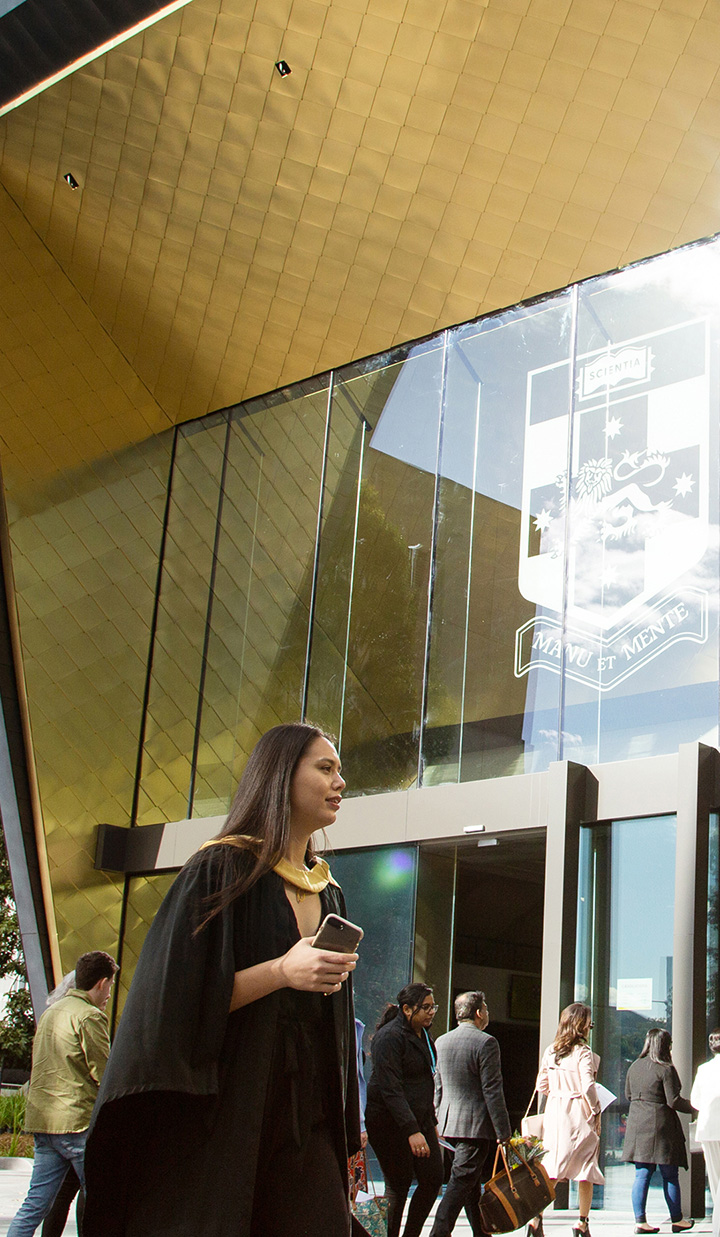
Go8 powers Australia’s economy
Receiving 71% of Australian Competitive Grant (Category 1) funding and spending $6.5 billion on research annually, the Go8 has an estimated annual economic contribution to Australia of about $66.4 billion (as reported by London Economics, 2018).
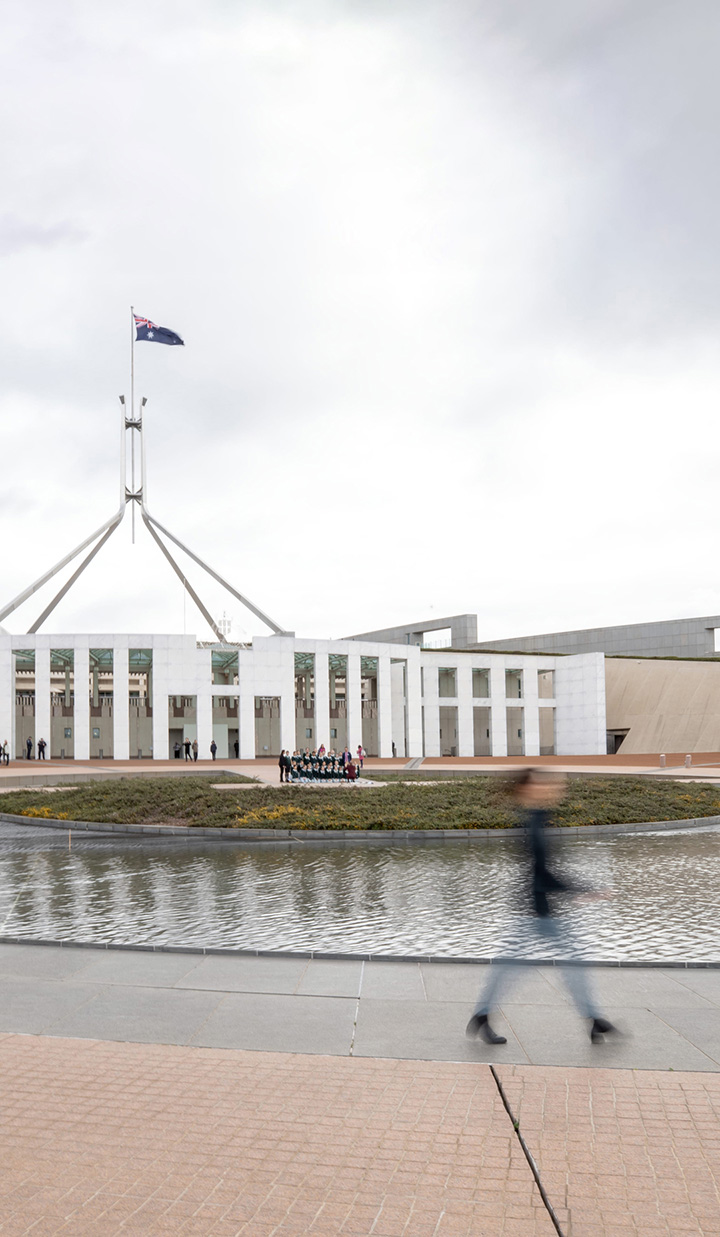
Universities boost economy and innovation
As well as the Go8, many other Australian universities across regional and metropolitan Australia are engaged in a broad range of quality research initiatives, often working with partners in the region, adding to the importance of the sector to Australia’s economy, research and innovation capabilities across the country.
Australian research at a world-class level
Go8 universities carry out 70 per cent of Australian university research and 99 per cent of Go8 research is ranked as world class or above.
Go8 drives global research impact
The Go8 spends A$7.7 billion on research each year; more than A$2.8 billion on health, biomedical and clinical sciences research. They are also committed to fostering international collaborations and attracting top talent from around the world with more than half of all Australian research papers with international collaboration.
Go8 powers Australia’s economy
Receiving 71% of Australian Competitive Grant (Category 1) funding and spending $6.5 billion on research annually, the Go8 has an estimated annual economic contribution to Australia of about $66.4 billion (as reported by London Economics, 2018).
Universities boost economy and innovation
As well as the Go8, many other Australian universities across regional and metropolitan Australia are engaged in a broad range of quality research initiatives, often working with partners in the region, adding to the importance of the sector to Australia’s economy, research and innovation capabilities across the country.
Investment and funding opportunities
The Australian Research Council (ARC) is a vital component of Australia’s innovation and research system. The Australian Research Council (ARC) plays an integral role in supporting the research sector to produce high-quality and impactful research through the delivery of the National Competitive Grants Program (NCGP).
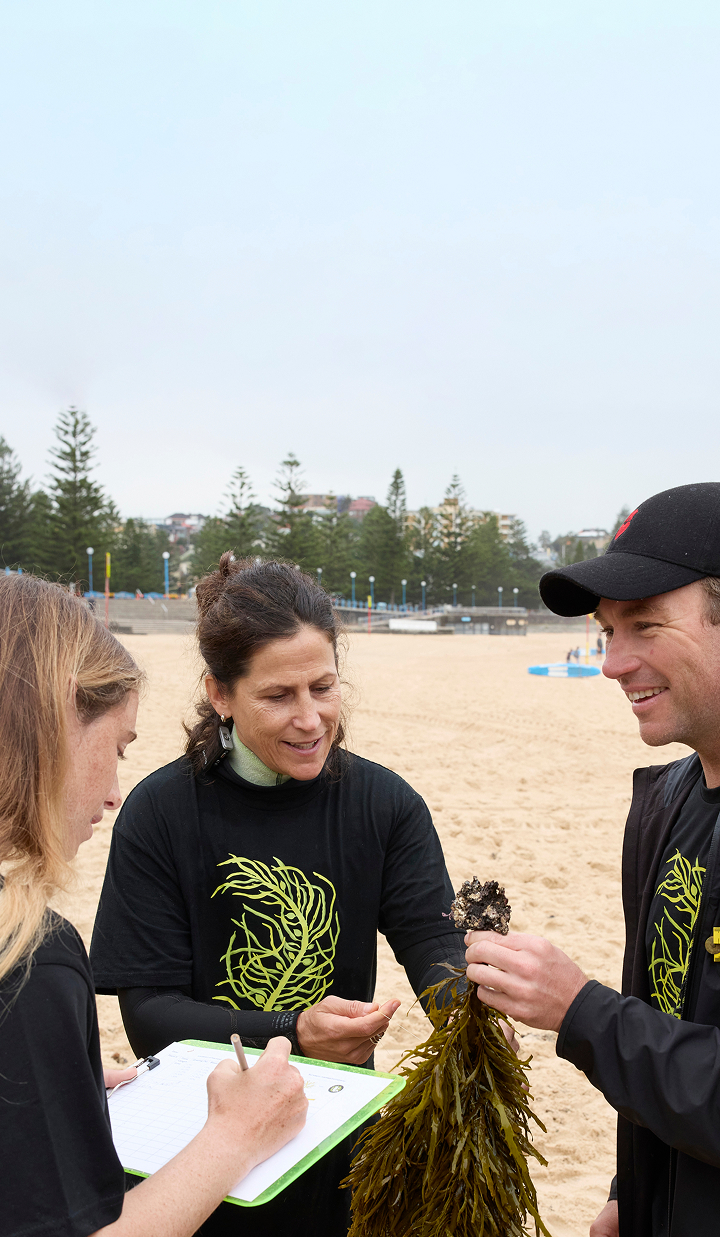
A$17 billion in ARC grant funding
Since 2001, the Australian Research Council (ARC) has awarded over A$17 billion in grants, supporting high-quality research that advances knowledge and delivers real-world benefits.

74 Centres of excellence established
The Australian Government has invested A$1.9 billion to establish 74 Centres of Excellence, fostering world-leading research in areas of national and global importance.
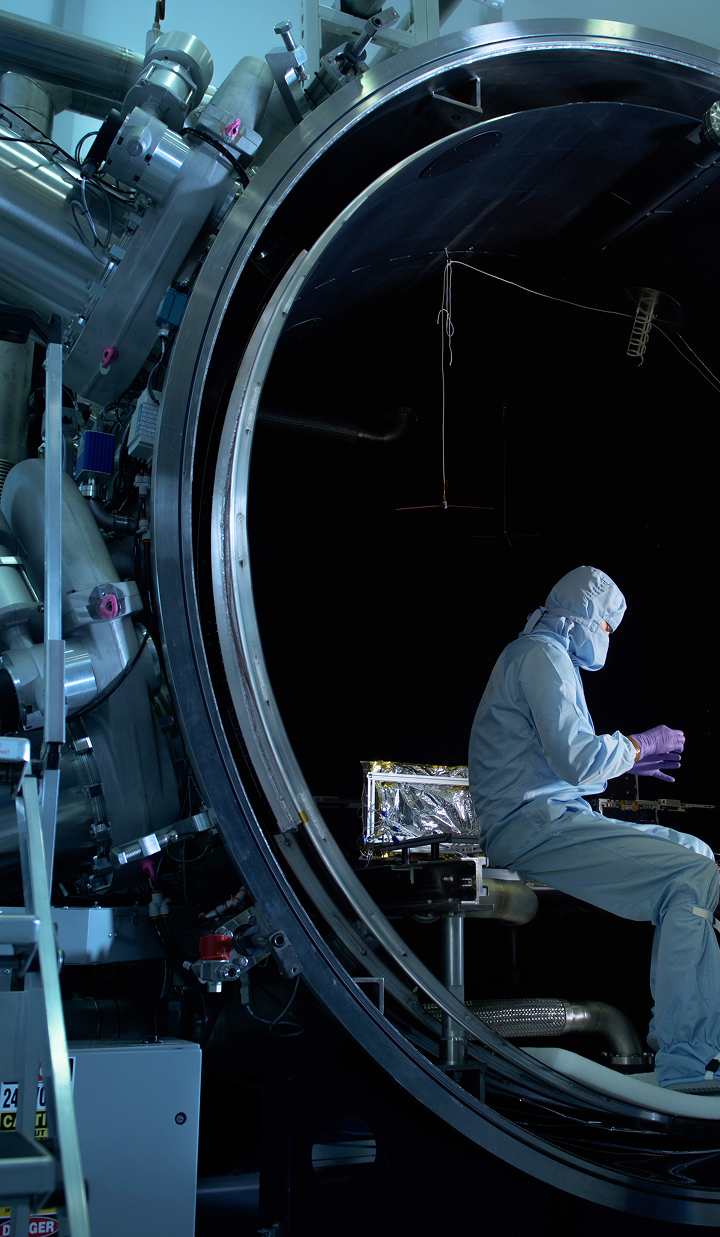
Long-term commitment to research impact
Through the ARC Centres of Excellence, significant collaborations occur between universities, publicly funded research organisations, other research bodies, governments, and businesses in Australia and overseas, all to support outstanding research.
A$17 billion in ARC grant funding
Since 2001, the Australian Research Council (ARC) has awarded over A$17 billion in grants, supporting high-quality research that advances knowledge and delivers real-world benefits.
74 Centres of excellence established
The Australian Government has invested A$1.9 billion to establish 74 Centres of Excellence, fostering world-leading research in areas of national and global importance.
Long-term commitment to research impact
Through the ARC Centres of Excellence, significant collaborations occur between universities, publicly funded research organisations, other research bodies, governments, and businesses in Australia and overseas, all to support outstanding research.
Research and development
Through the National Competitive Grants Program (NCGP), the ARC supports high-quality and impactful research. The ARC’s broader remit includes:
- the provision of high-quality research policy
- overseeing research ethics and integrity framework
- our national university research assessment system that promotes excellence in research, and its engagement and impact
- the provision of powerful data assets
The ARC also funds blue-sky and practical research that links universities, industry and other partners, creating a strong and vibrant research sector.

National research funding and policy leadership
The National Collaborative Research Infrastructure Strategy is investing $4 billion from 2018 to 2029 in world-class research infrastructure to support Australia's research.
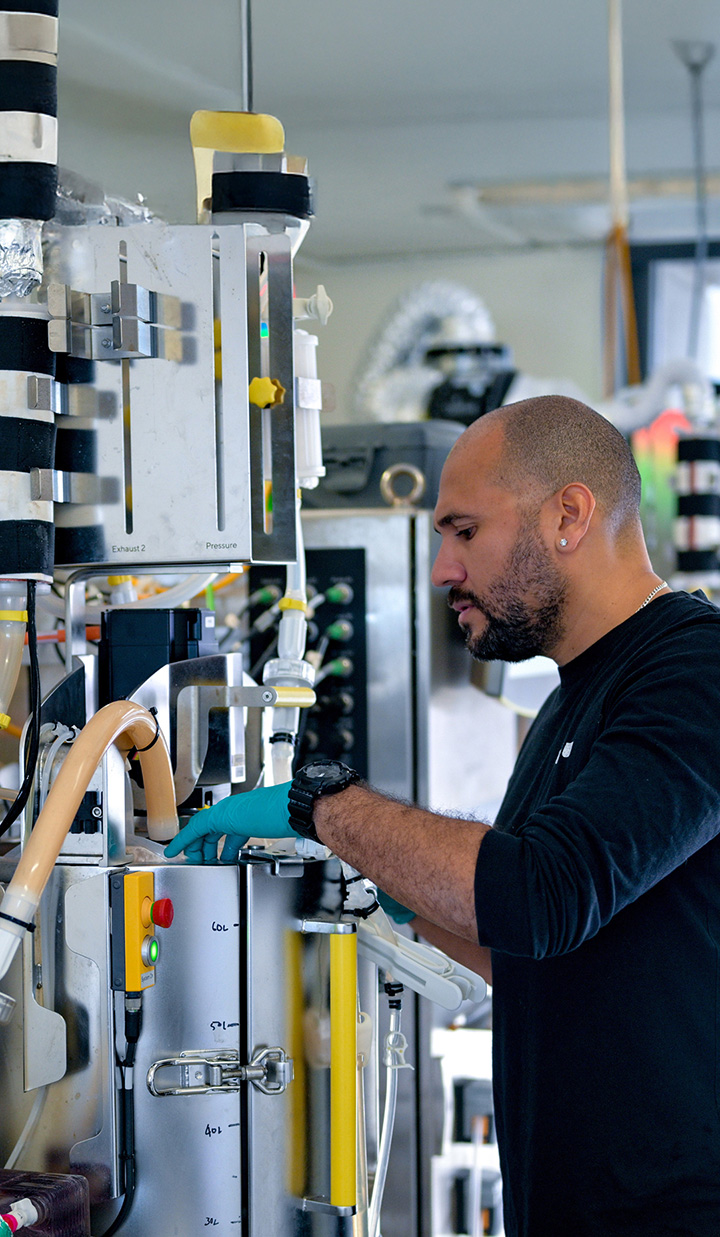
A$296 million boost for industry PhDs
A$296 million is being invested through the Increase Workforce Mobility Initiative towards a suite of industry PhD and research fellowship schemes to equip PhD candidates with the skills to translate academic research into commercialisation outcomes. This initiative is expected to add around 1,800 industry PhDs to the research workforce over 10 years. The centrepiece is the National Industry PhD Program which embeds candidates in research projects co-developed by universities and industry, enabling them to work at the interface between the research and industry sectors.
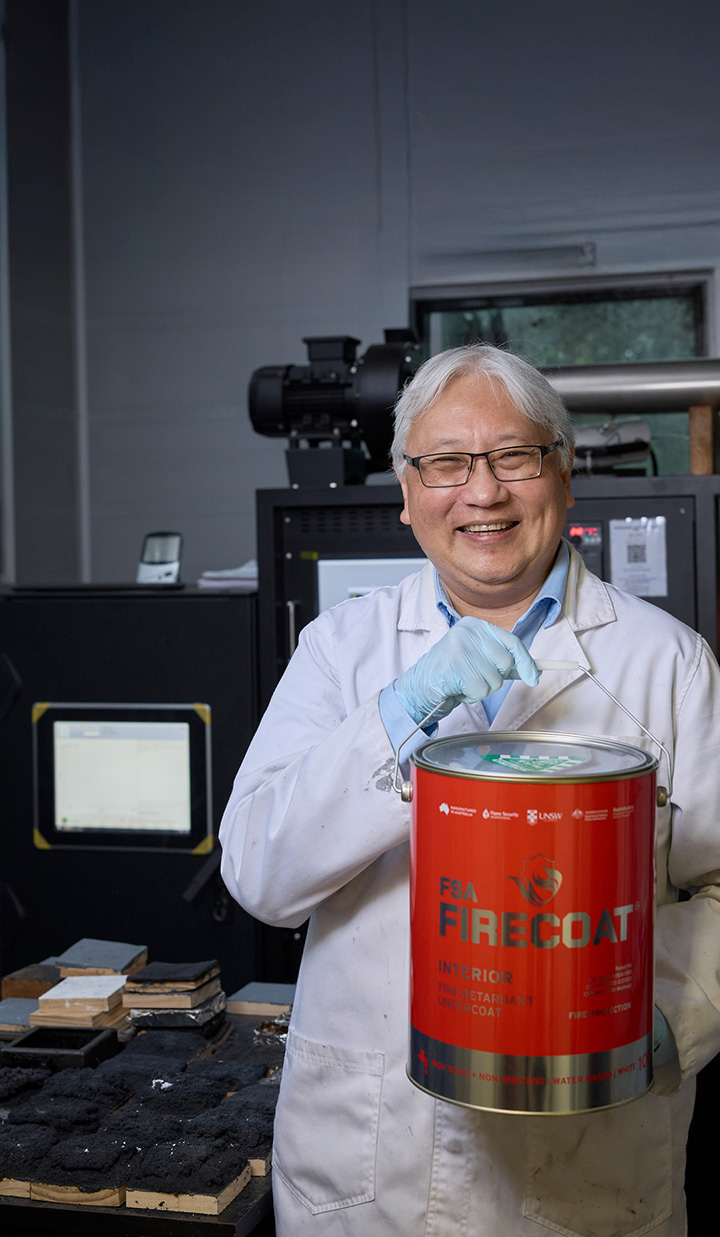
Standardising IP for collaboration
The Higher Education Research Commercialisation Intellectual Property (IP) Framework standardises terms, clauses and agreements for collaboration on IP licensing, thus driving university collaboration, as well as uptakes of research output by the industry.
National research funding and policy leadership
The National Collaborative Research Infrastructure Strategy is investing $4 billion from 2018 to 2029 in world-class research infrastructure to support Australia's research.
A$296 million boost for industry PhDs
A$296 million is being invested through the Increase Workforce Mobility Initiative towards a suite of industry PhD and research fellowship schemes to equip PhD candidates with the skills to translate academic research into commercialisation outcomes. This initiative is expected to add around 1,800 industry PhDs to the research workforce over 10 years. The centrepiece is the National Industry PhD Program which embeds candidates in research projects co-developed by universities and industry, enabling them to work at the interface between the research and industry sectors.
Standardising IP for collaboration
The Higher Education Research Commercialisation Intellectual Property (IP) Framework standardises terms, clauses and agreements for collaboration on IP licensing, thus driving university collaboration, as well as uptakes of research output by the industry.
Global partnerships
Australian universities have a long history of academic collaboration and trade with thousands of global universities and research organisations.
More than 9,000 Australian and international institutions have already partnered on ARC grants. Our education sector will continue to foster global research ties, exchange programs, and scholarships with overseas institutions.
Join us through the National Innovation visa and be part of Australia’s bright future in education and research.
Entrepreneurialism and commercial growth
The Australian Government’s research translation and commercialisation agenda is a $2.2 billion investment that places academic and industry collaboration at the heart of our economy’s recovery.

The Trailblazer Universities Program
The Trailblazer Universities Program is a $370.3 million investment in new research capabilities to fuel engagement with industry partners and commercialisation outcomes, which has attracted over $1 billion in university and industry co-investment.

Australia's Economic Accelerator
The Australia's Economic Accelerator is a $1.6 billion stage-gated grant program dedicated to research translation and commercialisation in priority areas.

A$1 billion boost for main sequence ventures
Expanding CSIRO’s Main Sequence Ventures, with A$1 billion in funds to translate Australian research into commercial companies that specialise in health, food, space, transport, security and decarbonisation.

Driving collaboration for real impact
These initiatives are set to encourage universities, industry and government to collaborate in research – through aligning and prioritising investment – and drive commercial returns. They will also support the National Reconstruction Fund (NRF), a $15 billion investment for research to have real-world impact in 7 priority areas of the economy.

Global recognition across every major field of study
In THE’s 2025 World University Rankings by subject, one or more Australian universities feature in the top 50 in 9 out of 11 subject categories, and in the top 100 across each of the 11 subjects. The results highlight our academic standards and diverse strength in the higher education sector.
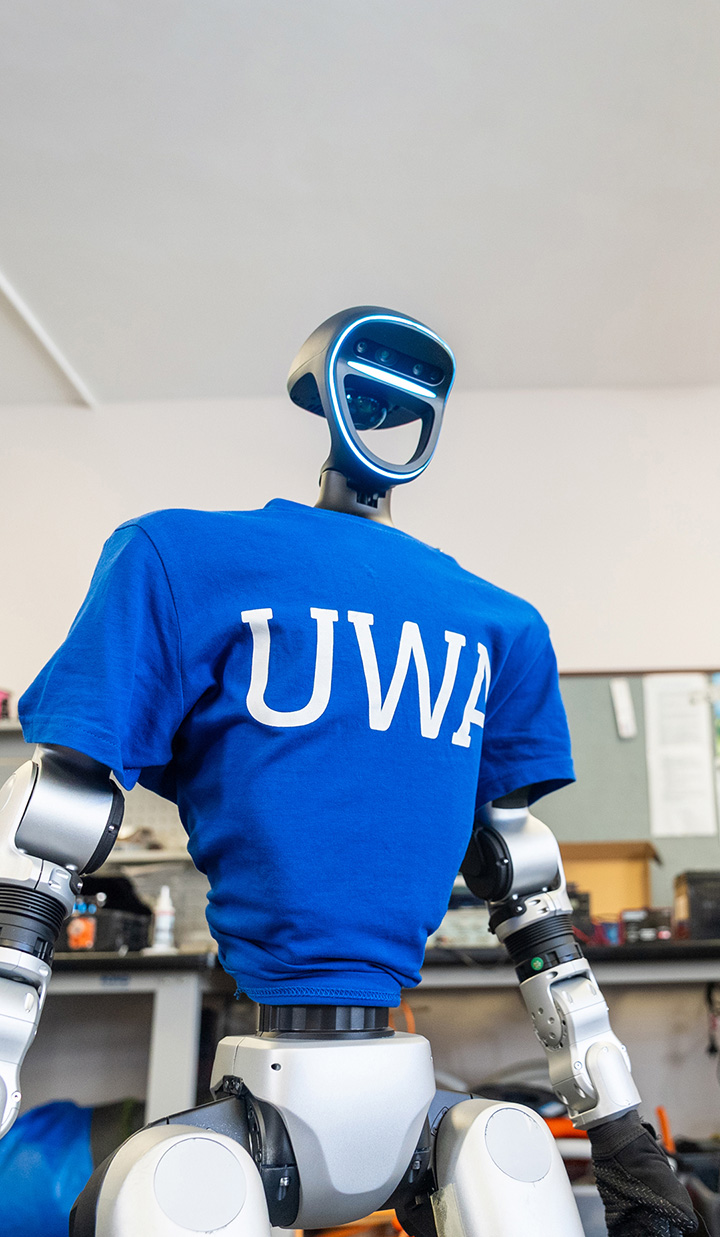
Australia leads global impact rankings
In THE’s latest Impact Rankings that assess universities globally against their achievement towards the United Nations’ Sustainable Development Goals, Australia has the most top 10 universities in the world, with four universities in the overall category.
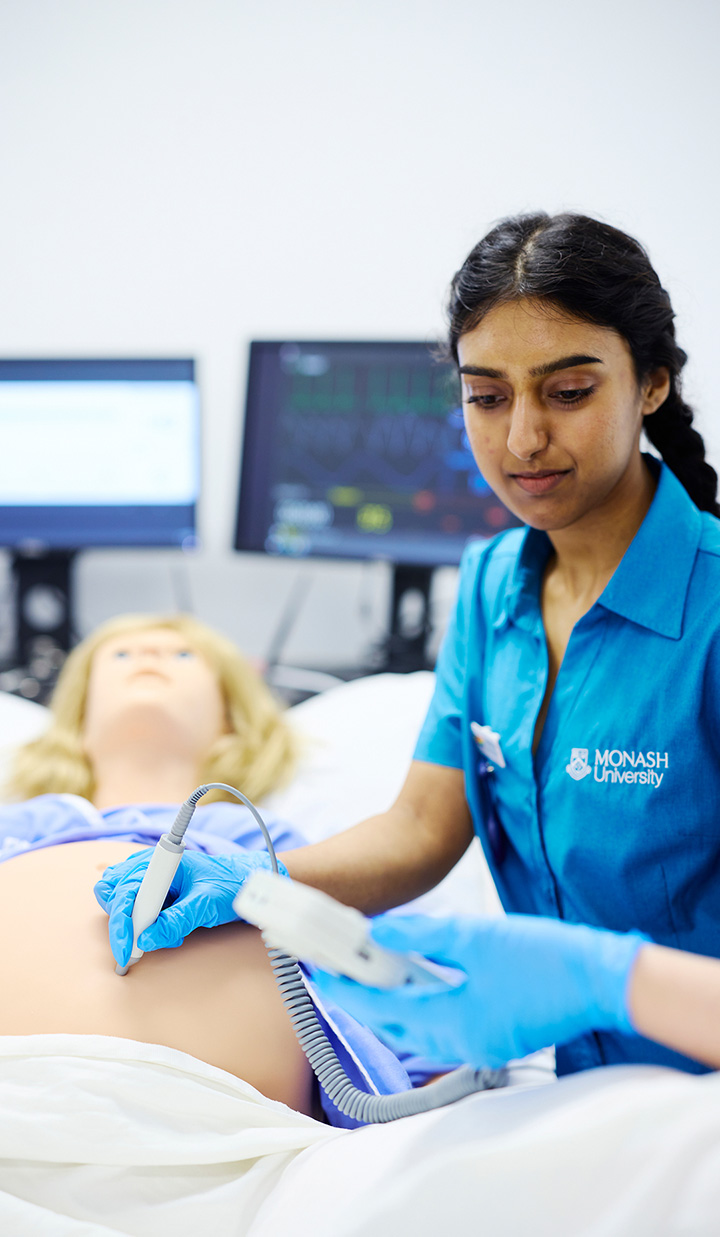
Australia’s legacy of innovation
From the discovery of penicillin to the development of the cervical cancer vaccine; from the invention of Wi-Fi to the Cochlear implant, Australia has an exciting history of innovation. The work of our scientists, designers, educators, entrepreneurs, artists and humanitarians will, just like the past, seek to benefit millions worldwide.
Investing in the future workforce
Australia has 9 universities in the top 100 of the Quacquarelli Symonds (QC) Global Graduate Employability Rankings, suggesting that employers worldwide recognise that Australian qualifications are industry-relevant and of world-class standard.
Moreover, Australia is a global frontrunner in equipping students for the future of work, according to the QS World Future Skills Index 2025. This reflects our tertiary education’s strength and commitment to meeting the needs of emerging industries.


Further reading
Explore the below links to learn more about Australia’s unique position and opportunities within the education sector.
Your expertise, your future.
Make the smart move to Australia
Express your interest through the National Innovation Visa and be part of Australia’s bright future.
Common Questions
Where is the best place to live in Australia for professionals in education research and advancements?
Australia offers a range of innovation and education hubs ideal for professionals working in education research and advancement across national priority areas such as critical technologies, renewables and low-emission technologies, health, agri-food and AgTech, defence and space, FinTech, infrastructure, and construction.
- Sydney (NSW) – A major centre for education research in FinTech, cybersecurity, infrastructure, and health, supported by institutions like UNSW, University of Sydney, and the CSIRO. Strong links to the Defence Innovation Network and digital education initiatives.
- Melbourne (VIC) – Known for strengths in AI, MedTech, sustainable construction, and agri-food systems, Melbourne is home to leading universities such as University of Melbourne, Monash University, and La Trobe University. A vibrant ecosystem for education innovation, EdTech, and cross-sector research.
- Brisbane (QLD) – A growing hub for BioTech, robotics, clean energy, and Olympic infrastructure, with strong education research programs at University of Queensland and Queensland University of Technology. Active in regional education development and STEM education.
- Canberra (ACT) – Ideal for professionals in education policy, defence, space, and national curriculum development. Home to Australian National University (ANU) and close to federal agencies, making it a strategic location for government-linked education research.
- Adelaide (SA) – Rapidly emerging in defence, space, AgTech, and sustainable construction, with institutions like Adelaide University and Flinders University leading education research in these sectors. Strong government investment in innovation precincts and STEM education.
Key Regional Hubs
- Toowoomba (QLD) – A leader in agri-food education, logistics, and regional innovation, supported by University of Southern Queensland.
- Wagga Wagga (NSW) – Known for digital agriculture and rural education systems, with strong programs at Charles Sturt University.
- Newcastle and Wollongong (NSW) – Focused on advanced manufacturing, construction, and digital innovation in education.
- Geelong (VIC) – Emerging in defence technology, AI, and construction education, with expanding innovation precincts.
- Launceston and Hobart (TAS) – Investing in renewable energy education, BioTech, and digital services in scenic, affordable settings.
Choice may depend on your specialisation, lifestyle preferences, or visa pathway. Each location offers unique opportunities to contribute to Australia’s future through education research aligned with national priorities.
What visa options are available for high demand skilled workers?
Australia offers several skilled migration pathways for professionals in high-demand sectors. Depending on your qualifications, experience, and willingness to work in regional areas, you may be eligible for the following visas:
- Skilled Independent Visa (subclass 189)
A permanent visa for skilled workers who are not sponsored.
Requires an invitation to apply based on a points test.
Suitable for occupations on the Medium and Long-term Strategic Skills List (MLTSSL). - Skilled Nominated Visa (subclass 190)
A permanent visa requiring nomination by a state or territory government.
Applicants must have an occupation listed on the relevant skilled occupation list. - Skilled Work Regional (Provisional) Visa (subclass 491)
A 5-year temporary visa with a pathway to permanent residency.
Requires nomination by a state or territory or sponsorship by an eligible family member in a regional area.
Encourages skilled migration to regional Australia. - Employer Nomination Scheme (subclass 186)
A permanent visa for skilled workers nominated by an Australian employer.
Available through the Direct Entry or Temporary Residence Transition streams. - Skills in Demand Visa (subclass 482)
A temporary visa (up to 4 years) for workers sponsored by an employer.
Available through the Core Skills, Specialist Skills and Labour Agreement streams.
May lead to permanent residency through subclass 186. - Skilled Employer Sponsored Regional (Provisional) Visa (subclass 494)
A 5-year visa for skilled workers sponsored by an employer in regional Australia.
Offers a pathway to permanent residency via subclass 191.
Where can I find travel advice and destination guides for Australia?
Tourism Australia is the official travel guide to Australia, offering information on destinations, unique experiences, and travel planning tips. It’s an excellent resource for visitors and new residents exploring the country.
Will I have to pay if I visit a hospital?
Eligible visa holders with access to Medicare can visits public hospital emergency departments for free. You may be charged a fee if you go to an emergency department in a private hospital. Hospital emergency departments in Australia will never turn away people with serious or life-threatening illness or injuries and they will never ask you to pay in advance. People living in Australia have basic healthcare rights. Services Australia provides access to a wide range of support services including Medicare. If you are visiting Australia and don't have access to Medicare, you should consider purchasing a travel insurance policy that covers medical emergencies.