Health research and advancements
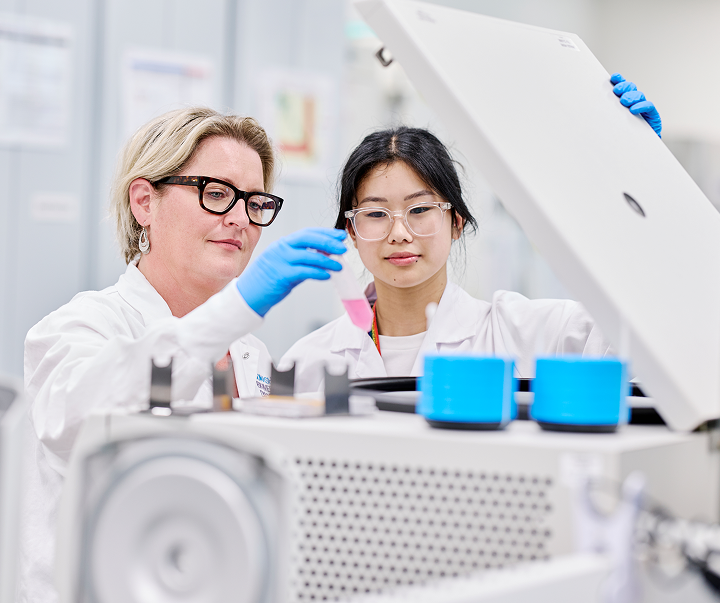
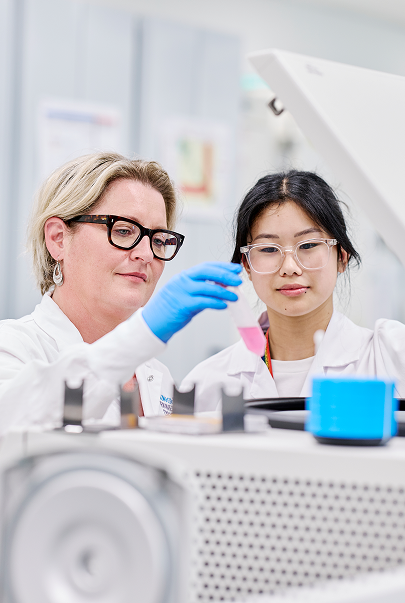
Australia has a robust, innovative health sector. Ranking 7th globally in health science research and 5th in the World Index of Healthcare Innovation*, the nation is at the forefront of health science. It is also a leader in developing transformative medical innovations, such as the human papillomavirus vaccine Gardasil® and the Cochlear® bionic ear implant.
*Springer Nature 2023

Antimicrobial resistance
Biochemistry and cell biology

Biotechnology
Genomics

Health economics

Implantable and wearable devices
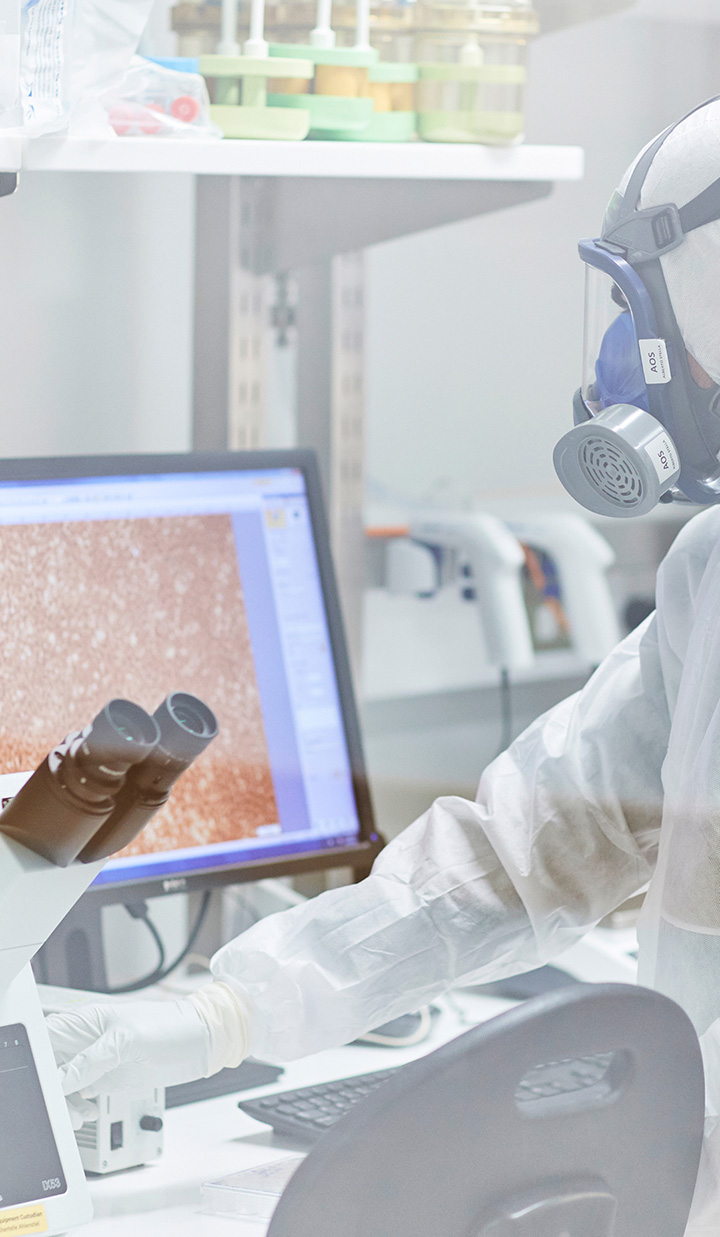
Infectious disease prevention

Pharmaceuticals and precision medicine

Artificial intelligence in health

Emerging health threats and emergencies

Medical science manufacturing for therapeutic products
A medical science industry primed for growth
Australia is seeking leading global experts to help shape the future of health industries.
Priority fields include:
Antimicrobial resistance
Biochemistry and cell biology
Biotechnology
Genomics
Health economics
Implantable and wearable devices
Infectious disease prevention
Pharmaceuticals and precision medicine
Artificial intelligence in health
Emerging health threats and emergencies
Medical science manufacturing for therapeutic products
Australia’s medical science industry has a multitude of strengths that prime it for future growth, including:
Leading clinical trial capabilities
A strong research ecosystem
Leading therapeutics expertise
Globally respected and robust regulatory processes
World-class healthcare system
Proximity and access to the growing export markets of the Asia-Pacific region.
Medicines and vaccines are Australia’s largest manufactured export.
The future of health in Australia
Australia’s growing life sciences sector is one of the largest in the southern hemisphere, valued at over A$250 billion along with a domestic health industry ranking 6th highest by per capita health expenditure in the world. This has created world-class expertise in such areas as immunology, cancer, cardiovascular disease and the central nervous system.
Australian citizens rank amongst the healthiest in the world, in part due to the nation’s high standard of living, education and equitable healthcare.

The digital health blueprint 2023-2033
The Digital Health Blueprint 2023-2033 is a 10-year roadmap that lays out the Australian Government’s vision for the role digital health capabilities will continue to play in delivering a more tailored, integrated, efficient and contemporary health system.

The action plan for the digital health blueprint 2023-2033
The Action Plan for the Digital Health Blueprint 2023-2033 highlights digital initiatives that drive better care for Australians through improved data analytics for self-care, clinical decision making and public health policy and research. Data-rich digital health ecosystems are safely supporting emerging medical fields such as genomics, artificial intelligence and sensor technologies.

National digital health strategy
Australia’s National Digital Health Strategy 2023-28 is a 5-year plan that provides a strategic approach to digital health reform and is focused on the coordination of Australian state and territory digital health investment and initiatives. It identifies roles and responsibilities for jurisdictions and partner organisation like the Department of Health and Aged Care, Healthdirect Australia and Services Australia.
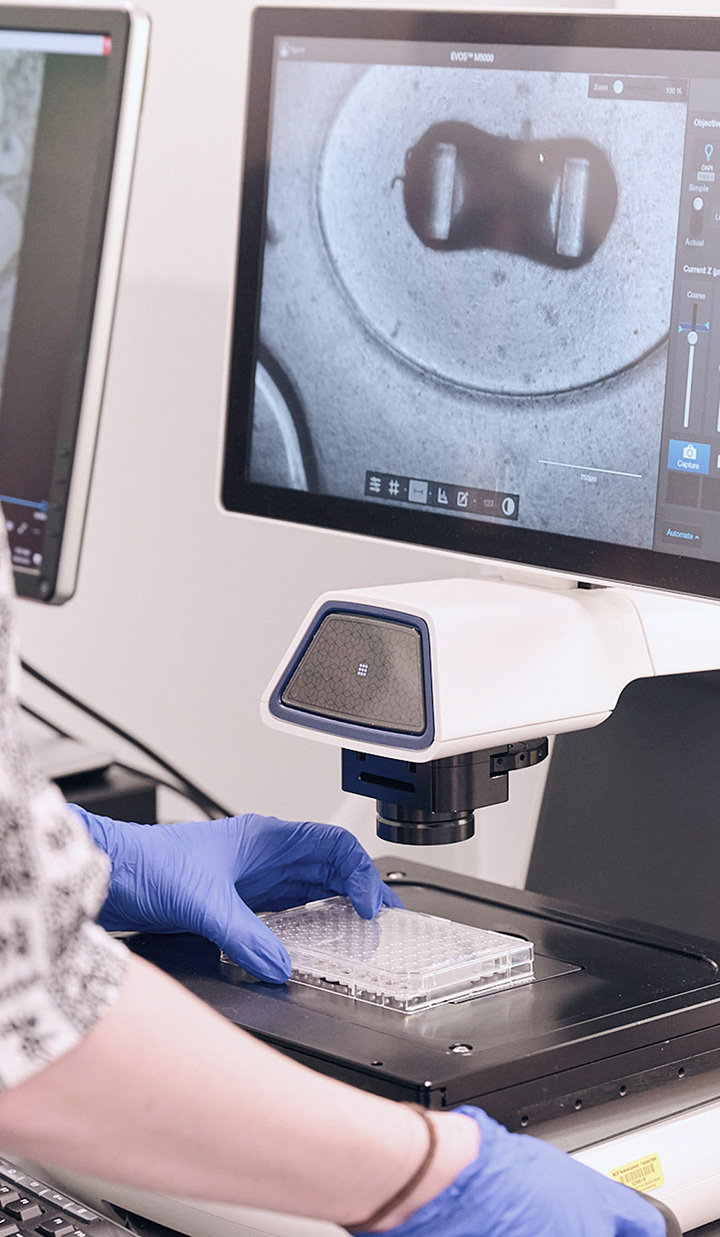
National health genomics policy framework
As a well-established player in the field of health genomics, and as a global and regional hub for biomedical innovation, Australia is well placed to benefit from precision medicine. Genomics Australia was established in 2025 to provide leadership, coordination and expertise on health genomics. It seeks to improve the transition from research to clinical service delivery. A key focus for Genomics Australia will be supporting the national objectives within the National Health Genomics Policy Framework.
The digital health blueprint 2023-2033
The Digital Health Blueprint 2023-2033 is a 10-year roadmap that lays out the Australian Government’s vision for the role digital health capabilities will continue to play in delivering a more tailored, integrated, efficient and contemporary health system.
The action plan for the digital health blueprint 2023-2033
The Action Plan for the Digital Health Blueprint 2023-2033 highlights digital initiatives that drive better care for Australians through improved data analytics for self-care, clinical decision making and public health policy and research. Data-rich digital health ecosystems are safely supporting emerging medical fields such as genomics, artificial intelligence and sensor technologies.
National digital health strategy
Australia’s National Digital Health Strategy 2023-28 is a 5-year plan that provides a strategic approach to digital health reform and is focused on the coordination of Australian state and territory digital health investment and initiatives. It identifies roles and responsibilities for jurisdictions and partner organisation like the Department of Health and Aged Care, Healthdirect Australia and Services Australia.
National health genomics policy framework
As a well-established player in the field of health genomics, and as a global and regional hub for biomedical innovation, Australia is well placed to benefit from precision medicine. Genomics Australia was established in 2025 to provide leadership, coordination and expertise on health genomics. It seeks to improve the transition from research to clinical service delivery. A key focus for Genomics Australia will be supporting the national objectives within the National Health Genomics Policy Framework.
Investment and funding opportunities
Australia has robust mechanisms in place to encourage public and private sector investment from both local and international partners who aim to drive growth in health industries. These mechanisms support innovation from the lab through to manufacturing and into clinical settings with ease.
This process is underpinned by an established healthcare system supported by globally recognised regulators; a vibrant innovation ecosystem; outstanding clinical trials capabilities with streamlined regulatory pathways; significant government support; and an export driven economy. Targeted investments will accelerate the update of emerging innovations.
Click the cards for more information >

Boosting biomedical innovation
The $500 million Biomedical Translation Fund brings together government and private venture capital to accelerate the invention and manufacturing of life-saving medical treatments and devices.
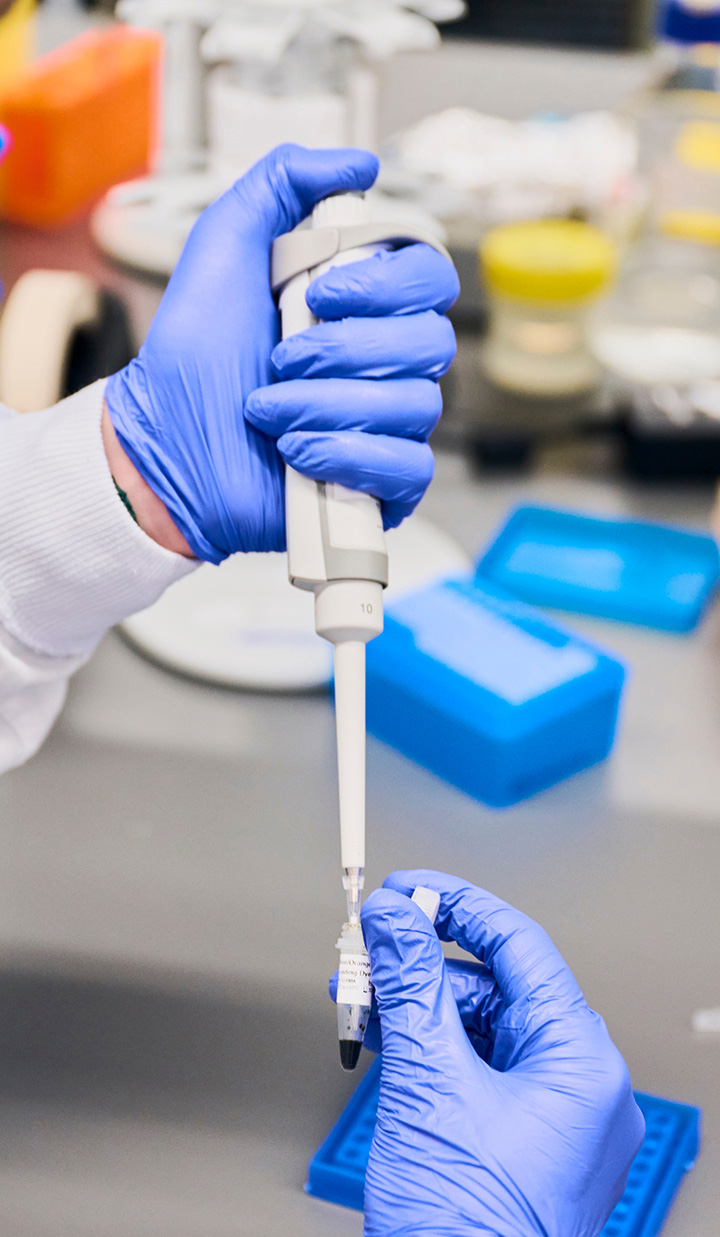
$24 billion for medical innovation
$24 billion long-term investment for priority-led medical research and medical innovation through the Medical Research Future Fund (MRFF).

Tax offset up to 43.5% on eligible R&D expenditure
An R&D Tax Incentive (RDTI) offering a tax offset up to 43.5% on eligible R&D expenditure.

A vibrant innovation ecosystem
Boosting biomedical innovation
The $500 million Biomedical Translation Fund brings together government and private venture capital to accelerate the invention and manufacturing of life-saving medical treatments and devices.
$24 billion for medical innovation
$24 billion long-term investment for priority-led medical research and medical innovation through the Medical Research Future Fund (MRFF).
Tax offset up to 43.5% on eligible R&D expenditure
An R&D Tax Incentive (RDTI) offering a tax offset up to 43.5% on eligible R&D expenditure.
A vibrant innovation ecosystem
Research and development
Australia’s scientific institutions rank in the world’s top 1% in 15 individual fields of research including clinical medicine.
Australia also leads the charge in several therapeutic fields including cardiology, oncology and gastroenterology.
Australia’s long-term vision for biotechnology is to create a vibrant and thriving ecosystem that promotes world-class research, innovation and investment.
< Click the cards for more information
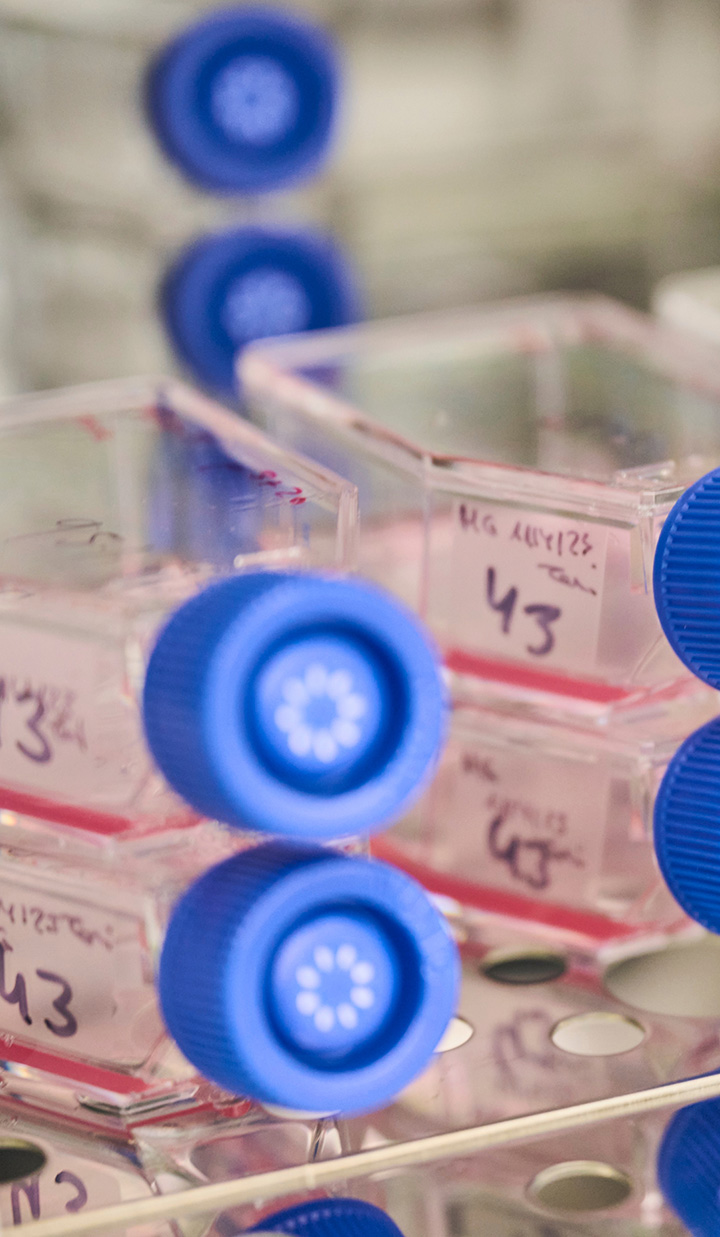
A world leader in biobanks and clinical innovation
Four of the world’s 15 major biobanks call Australia home and it has leading experts in a multitude of fields including regenerative medicine, RNA technologies and cell and gene therapy. It is known globally for its streamlined, high-quality and trusted clinical trials systems.
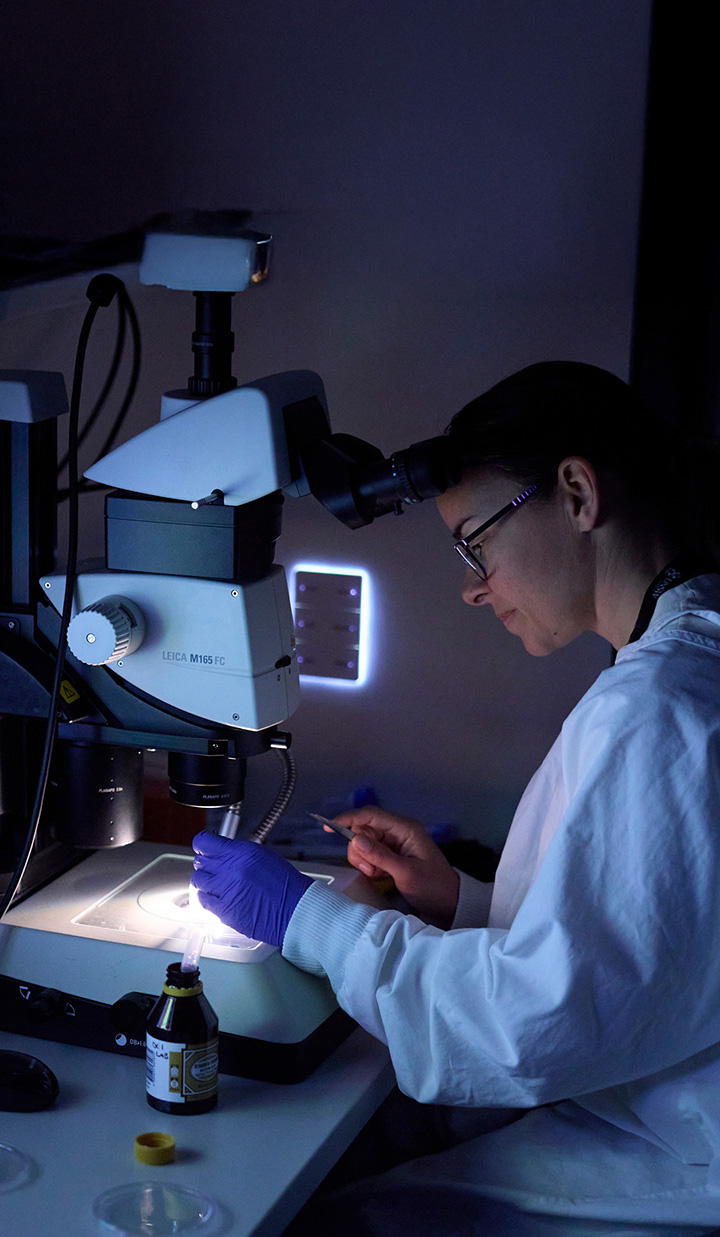
A global hub for life sciences and biotechnology
There is no better place than Australia for life sciences businesses, particularly in advanced therapeutics. With innovative medical biotechnology businesses and a thriving life sciences sector, investors range from multinationals to research organisations from around the world.

Driving efficiency in Australia’s health research system
The Australian Government Department of Health and Aged Care, in collaboration with all state and territory governments via the Inter-Governmental Policy Reform Group (IGPRG), is leading national reforms to improve the health and medical research operating and regulatory environment. This includes the design and implementation of a National One Stop Shop (NOSS) to provide a more streamlined and efficient operating environment for clinical trials and health research.
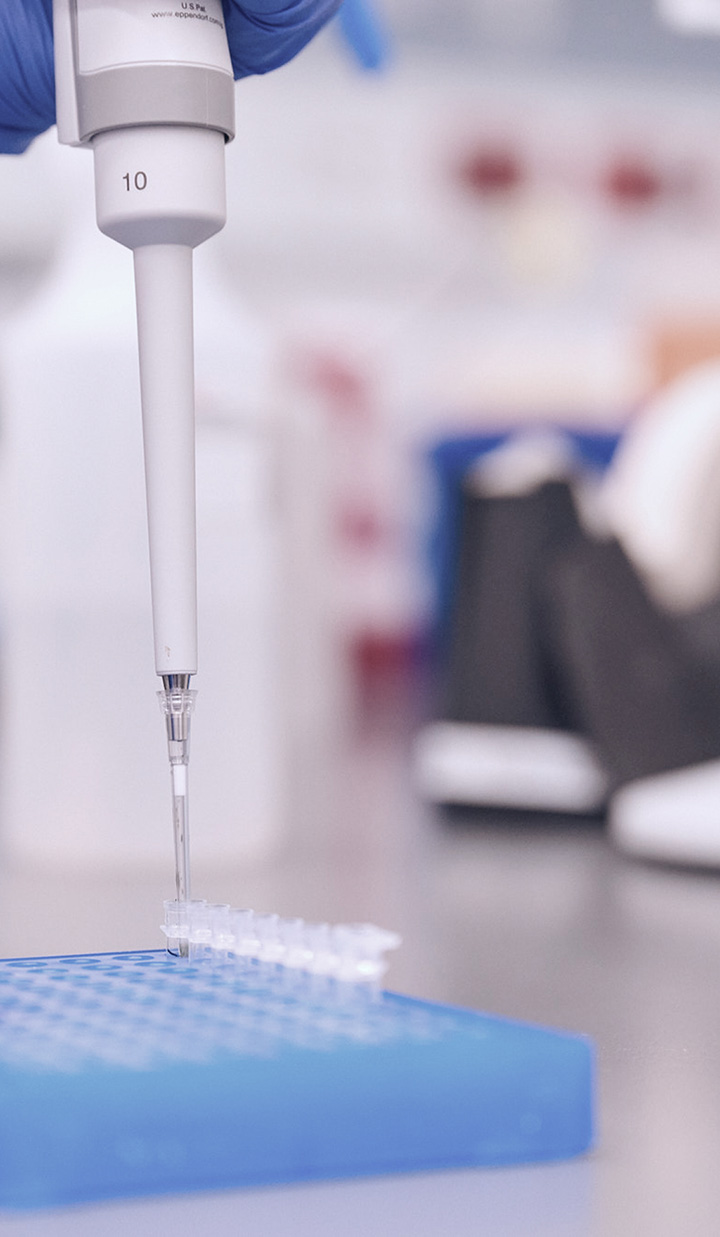
$500M for genomic innovation
A$500.1 million from the Genomics Health Futures Mission to improve genomic testing and diagnosis along with improving health outcomes.

A$2.2B university research commercialisation
A$2.2 billion from the University Research Commercialisation Package over 11 years to place university innovation and industry collaboration at the centre of Australia’s economy.
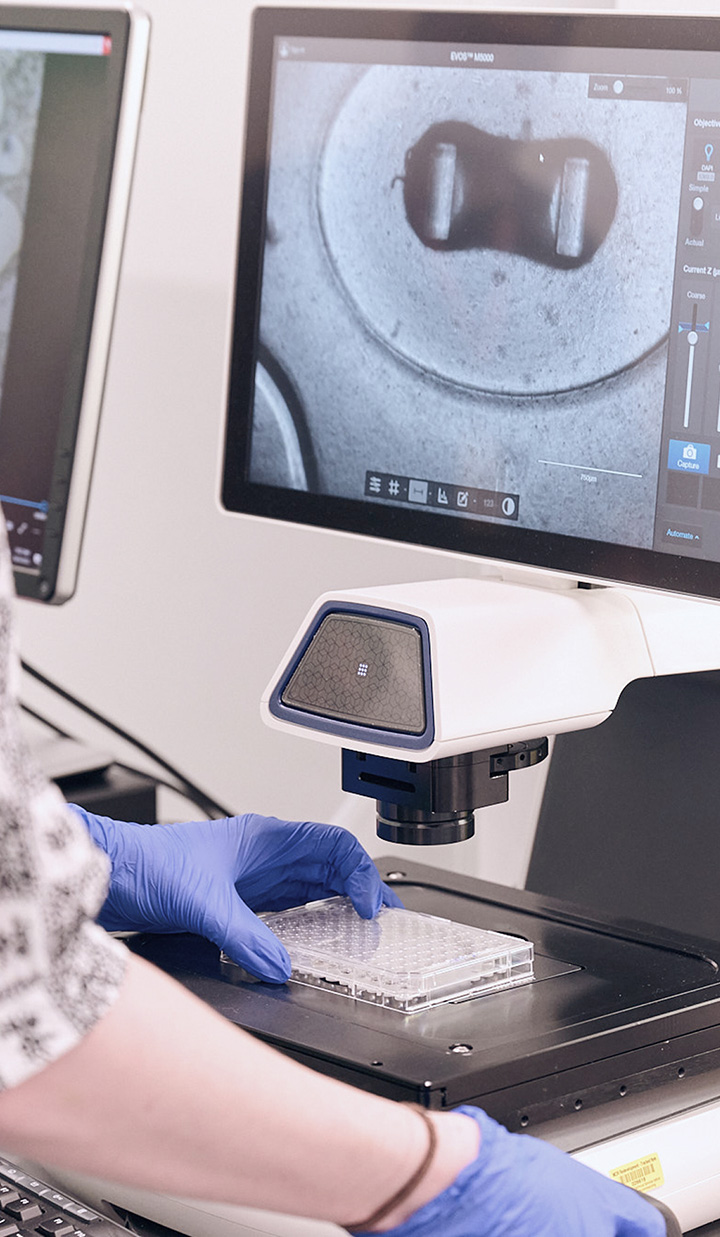
A$370 million trailblazer universities program
A$370 million through the Trailblazer Universities Program to fuel commercialisation outcomes and invest in industry partners for new research capabilities.
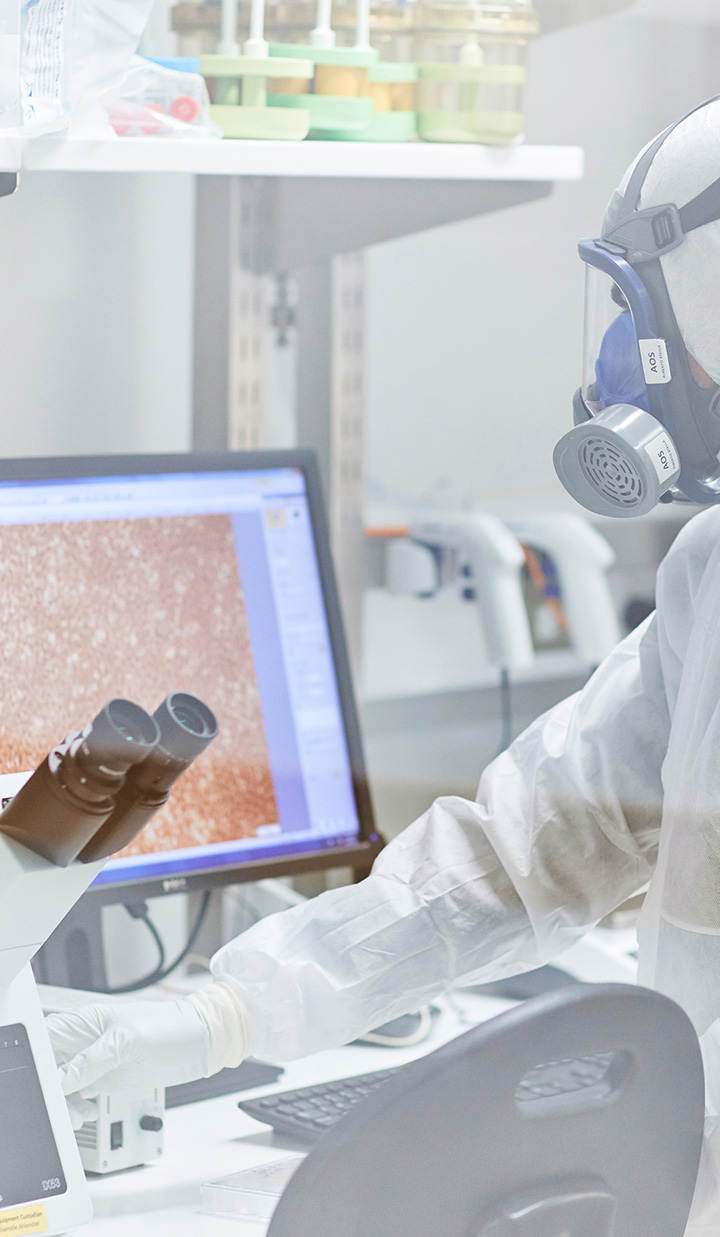
A$4 billion national collaborative research infrastructure strategy
A$4 billion between 2018-2029 to boost the Australian research community’s access to cutting edge national research infrastructure via the National Collaborative Research Infrastructure Strategy.
A strong intellectual property framework
Australia has a strong Intellectual Property Framework that provides standardised terms, clauses and agreements for collaboration on IP licencing to drive greater collaboration and uptake of research outputs.
Global partnerships
Australia has strong links to international healthcare systems and joint initiatives, such as:
Playing a seminal role in establishing the Global Digital Health Partnership (GDHP) as the inaugural Chair and host of its first summit.
Working closely with the global health community, including the World Health Organisation (WHO), to advocate for international standards for all people. Post COVID-19 Australia is also committed to strengthening global help systems to help prevent and respond to future health emergencies.
Leading health advancements through multiple initiatives that include the Australian Global Health Alliance, Partnerships for a Healthy Region, the AMR Action Fund, the AMR Industry Alliance.
Join us through the National Innovation visa and be part of Australia’s bright future in health research and advancements.
Entrepreneurialism and commercial growth
Australia has a thriving health industry that supports high-quality research and its translation into commercial outcomes. The Medical Science Co-investment Plan outlines investment opportunities in digital health, medical devices, complex therapeutics and sustainability.
Click the cards for more information >

Supporting research and Industry
The ARC Industry Fellowships program supports researchers to develop cutting-edge innovations, and the Industry Growth Program helps to provide commercialisation and growth advice for small and medium enterprises.

$450M driving medical breakthroughs
The MRFF Medical Research Commercialisation initiative turns ideas into life-saving medicines, devices and treatments. Providing $450 million over 10 years between 2024-25 and 2033-34 for early-stage health and medical research through to proof-of-concept and beyond.
National initiatives strengthen industry–research partnerships
Programs such as the National Industry PhD Program and the National Collaborative Research Infrastructure Strategy (NCRIS) help increase collaboration between industry, research and government.
$1.6 billion economic accelerator program
Australia’s Economic Accelerator is a $1.6 billion new stage-gated grant program dedicated to funding translation and commercialisation in national priority areas. The $15 billion National Reconstruction Fund (NRF) offers targeted investments to help Australia capture high-value new market opportunities and transform our industries.

Health precincts boost industry collaboration
Precincts such as the Westmead Health Precinct in Sydney and the Melbourne Biomedical Precinct facilitate collaboration between research and industry to drive commercial outcomes.
Supporting research and Industry
The ARC Industry Fellowships program supports researchers to develop cutting-edge innovations, and the Industry Growth Program helps to provide commercialisation and growth advice for small and medium enterprises.
$450M driving medical breakthroughs
The MRFF Medical Research Commercialisation initiative turns ideas into life-saving medicines, devices and treatments. Providing $450 million over 10 years between 2024-25 and 2033-34 for early-stage health and medical research through to proof-of-concept and beyond.
National initiatives strengthen industry–research partnerships
Programs such as the National Industry PhD Program and the National Collaborative Research Infrastructure Strategy (NCRIS) help increase collaboration between industry, research and government.
$1.6 billion economic accelerator program
Australia’s Economic Accelerator is a $1.6 billion new stage-gated grant program dedicated to funding translation and commercialisation in national priority areas. The $15 billion National Reconstruction Fund (NRF) offers targeted investments to help Australia capture high-value new market opportunities and transform our industries.
Health precincts boost industry collaboration
Precincts such as the Westmead Health Precinct in Sydney and the Melbourne Biomedical Precinct facilitate collaboration between research and industry to drive commercial outcomes.
Investing in the future workforce
Australia’s high-quality workforce is the foundation of our thriving health ecosystem, which delivers some of the best health outcomes in the world.
< Click the cards for more information
Strengthening Australia’s innovation leadership
The Australian Government is backing Australia’s global leadership in innovation and technology to make more medical products in Australia. This creates a thriving and self-sustaining industry with global reach, ensuring future opportunities to create well-paid, secure jobs in suburban and regional Australia.
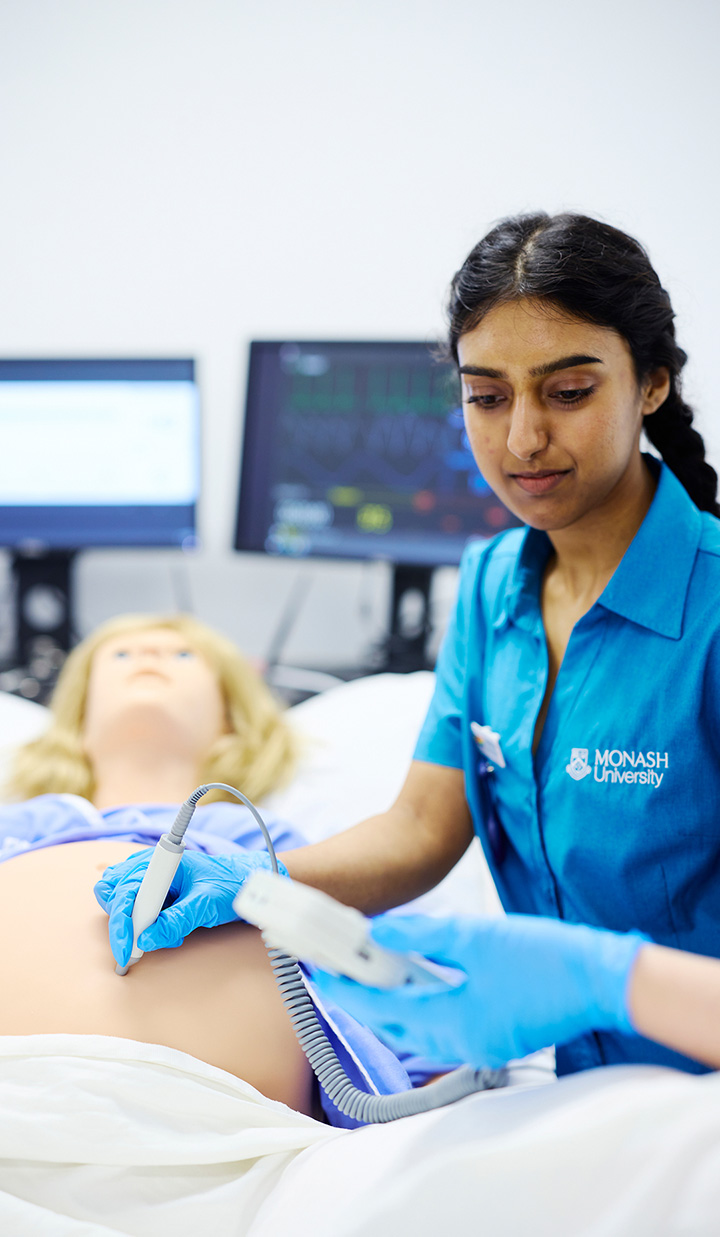
Building future health talent
Australia invests in its future workforce with established programs that provide industry experience and skills development for the life sciences. These include MTPConnect, which works with industry to identify priority skills needs, addressing these through the education system and immigration pathways.

Growth through jobs and exports
Australia’s more efficient research operating environment will grow the number of highly skilled jobs as our innovation economy grows to assure Australia’s sovereign and manufacturing capability across the research pipeline. Operating from a single national platform will improve workforce utilisation across the country and the expansion of employment opportunities within Australia’s healthcare system.
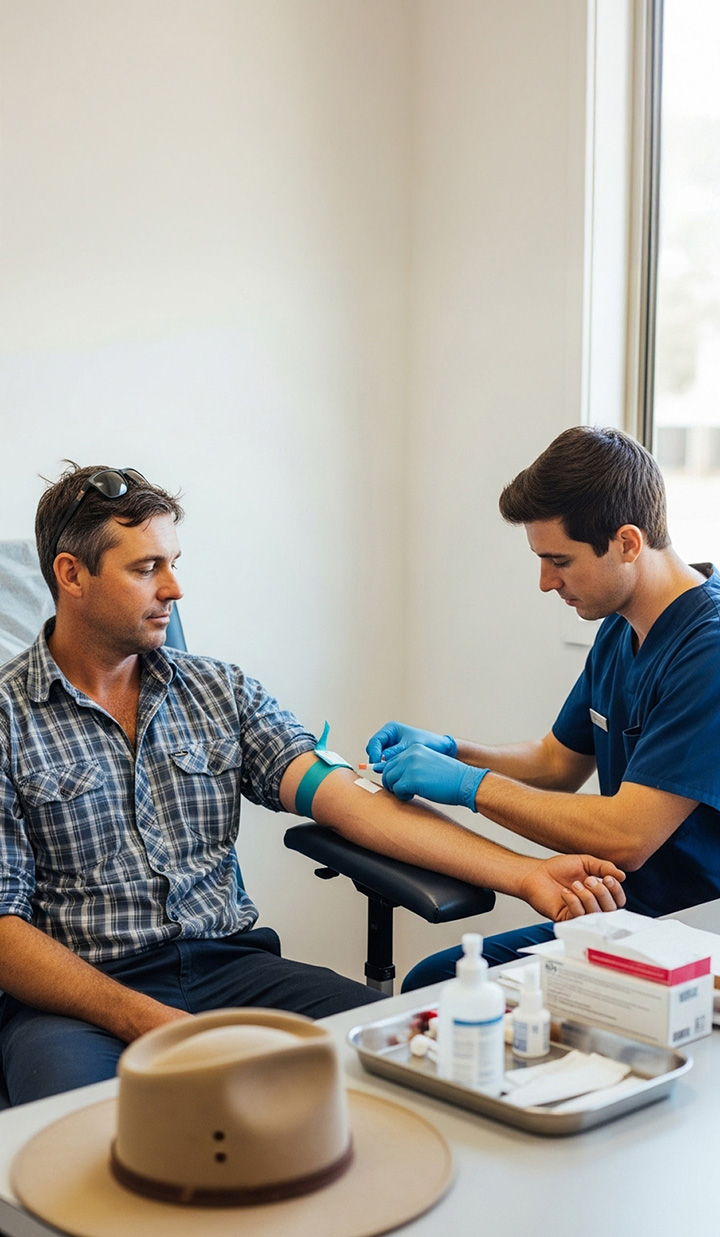
World-class health workforce
Australia will achieve significant growth in the health sector through increased jobs and exports. All Australians will benefit from more access to leading-edge medical and health technologies.
Strengthening Australia’s innovation leadership
The Australian Government is backing Australia’s global leadership in innovation and technology to make more medical products in Australia. This creates a thriving and self-sustaining industry with global reach, ensuring future opportunities to create well-paid, secure jobs in suburban and regional Australia.
Building future health talent
Australia invests in its future workforce with established programs that provide industry experience and skills development for the life sciences. These include MTPConnect, which works with industry to identify priority skills needs, addressing these through the education system and immigration pathways.
Growth through jobs and exports
Australia’s more efficient research operating environment will grow the number of highly skilled jobs as our innovation economy grows to assure Australia’s sovereign and manufacturing capability across the research pipeline. Operating from a single national platform will improve workforce utilisation across the country and the expansion of employment opportunities within Australia’s healthcare system.
World-class health workforce
Australia will achieve significant growth in the health sector through increased jobs and exports. All Australians will benefit from more access to leading-edge medical and health technologies.
Further reading
A jumping off point for further exploration in specific industries or domains for those who want to learn more about Australia’s unique position and opportunities within the sector.
National Gene Technology Scheme
National Preventative Health Strategy
Future Focused Primary Health Care
CSIRO AI Trends for Healthcare
National Framework for Communicable Disease Control
Australian Centre for Disease Control
National Antimicrobial Resistance Strategy
Your expertise, your future.
Make the smart move to Australia
Express your interest through the National Innovation Visa and be part of Australia’s bright future.

I have fallen in love with the country. Australians are the most down to earth, hospitable, happy people I have ever met, and my employers have been the most accommodating I've ever worked for. As a doctor, I feel like I am treated like an individual with a life outside of work.
After working as an intensive care physician in the United Kingdom, Jenna Godfrey came to Australia seeking adventure. On her arrival in Darwin she worked as a retrieval registrar for CareFlight which gave her the opportunity to learn about the rich history and culture of First Nations communities. Jenna said it was a privilege to serve these communities, and she has many wonderful memories of her time in the Northern Territory.
Now working as a general practitioner in Melbourne, Jenna only planned to come to Australia for a year, but after falling in love with the country has decided to stay. Along with the career opportunities on offer, Jenna enjoys domestic travel, particularly snorkelling and scuba diving on the Great Barrier Reef. In Melbourne she appreciates the wide variety of cuisine (most importantly the coffee), the diversity of ethnicity and cultures, and the differing landscapes.
Jenna Godfrey from United Kingdom
Common Questions
Where is the best place to live in Australia for professionals in healthcare research and advancements?
Australia is home to several world-class hubs for health research, medical innovation, and biotechnology. Key locations include:
- Melbourne (VIC) – A national leader in biomedical research, clinical trials, and pharmaceutical innovation.
Home to the Melbourne Biomedical Precinct, Walter and Eliza Hall Institute, Peter Doherty Institute, and the globally renowned Murdoch Children's Research Institute. Monash University is a powerhouse in public health, neuroscience, pharmacology, and translational medicine, with strong hospital affiliations. Strong focus on infectious diseases, cancer research, genomics, and child health. Significant government and private investment in health innovation and translational research. - Sydney (NSW) – A major centre for digital health, clinical research, and biomedical engineering.
Hosts the Garvan Institute, Westmead Health Precinct, and CSIRO Health & Biosecurity.
Strong commercial and academic links through UNSW, University of Sydney, and Defence Innovation Network.
Focus on AI in healthcare, genomics, and public health policy. - Brisbane (QLD) – A growing hub for tropical medicine, mental health research, and biotech startups.
Home to the QIMR Berghofer Medical Research Institute, Translational Research Institute, and University of Queensland.
Strong industry-academic partnerships and access to state-supported health innovation programs.
Emphasis on translational medicine, vaccine development, and health technology. - Adelaide (SA) – Known for its strengths in public health, chronic disease research, and affordable living.
Anchored by the South Australian Health and Medical Research Institute (SAHMRI) and Adelaide University.
Focus on indigenous health, cancer research, and health systems innovation.
Government-backed biomedical precinct and growing medtech ecosystem. - Perth (WA) – Emerging centre for children’s health, remote medicine, and indigenous health research.
Key institutions include the Telethon Kids Institute and Harry Perkins Institute of Medical Research.
Strong focus on regional health delivery, epidemiology, and preventive medicine.
Investment in new hospitals and research infrastructure.
Regional Hubs
- Hobart and Launceston (TAS) – Investing in BioTech, public health, and environmental health research in scenic, affordable settings.
- Newcastle (NSW) – Focused on health systems innovation, rehabilitation research, and university-hospital collaboration.
- Geelong (VIC) – Growing in health technology, aged care innovation, and regional health delivery.
Choice may depend on your specialisation, lifestyle preferences, or visa pathway.
Are there any location requirements for the National Innovation Visa?
There are no location requirements under the National Innovation Visa. You’re free to live and work anywhere in Australia — from vibrant capital cities to emerging regional innovation hubs.
Explore more about where in Australia you can build your future.
Do women have equal chances to advance in the workplace?
According to the World Economic Forum Global Gender Gap Report 2025, Australia ranks 2nd in our region for gender equality, and first equal amongst professional and technical workers. Research from the Workplace Gender Equality Agency found that 90% of Australian employers have a policy or strategy to support gender equality in the workplace, including in workforce composition and parental leave.
Australia was the first country in the modern world to give women the right to vote and stand for election to a national parliament. The Australian Government is committed to gender equality and is working towards increasing the number of women in visible leadership and decision making positions, because we know when this happens our whole society benefits.
Is Australia really one of the world’s most liveable countries?
Yes. Australia regularly ranks near the top in global liveability indexes due to its excellent healthcare system, high-quality education, political stability, low crime rates, and well-maintained infrastructure. Many parts of Australia are known for their cultural diversity, recreational opportunities, green spaces, and overall quality of life. Combined with a clean environment and a strong focus on work-life balance, Australia offers an attractive lifestyle for individuals and families alike.
Explore more reasons why Australia is a great place to live, work, and thrive.