Healthcare services
As a health or medical professional, there are many great reasons to work in Australia. In 2024, the well-respected Commonwealth Fund named Australia’s healthcare system the best in the world. Our public and private healthcare systems are efficient and innovative.

General practitioner

Nurse

Psychologist

Social worker
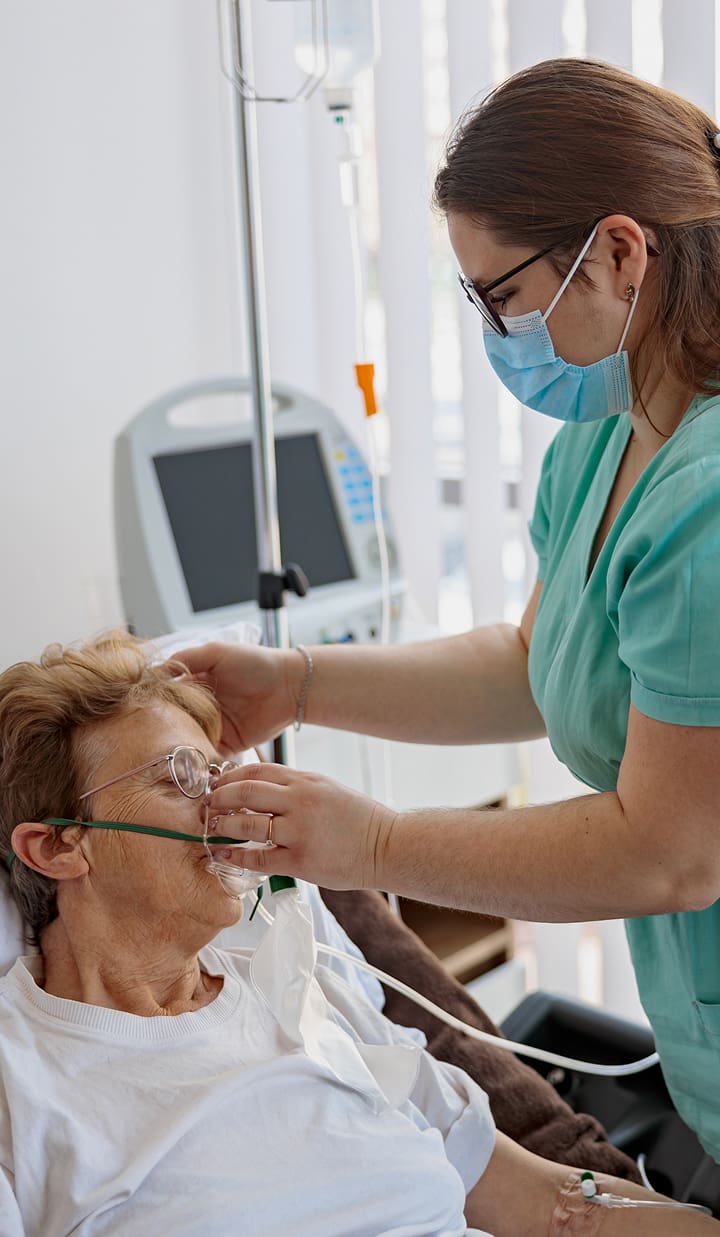
Nursing support worker

Aged or disabled carer
Benefits and salaries
Full-time health workers have at least 4 weeks’ paid annual leave, plus paid sick and carers leave. They earn attractive salaries and enjoy many career development opportunities.
Different work schedule options also make it easier to enjoy the relaxed Australian lifestyle.
< Click the cards for more information

General practitioner (GP) and resident medical officer: A$2,616

Registered nurse: A$2,156
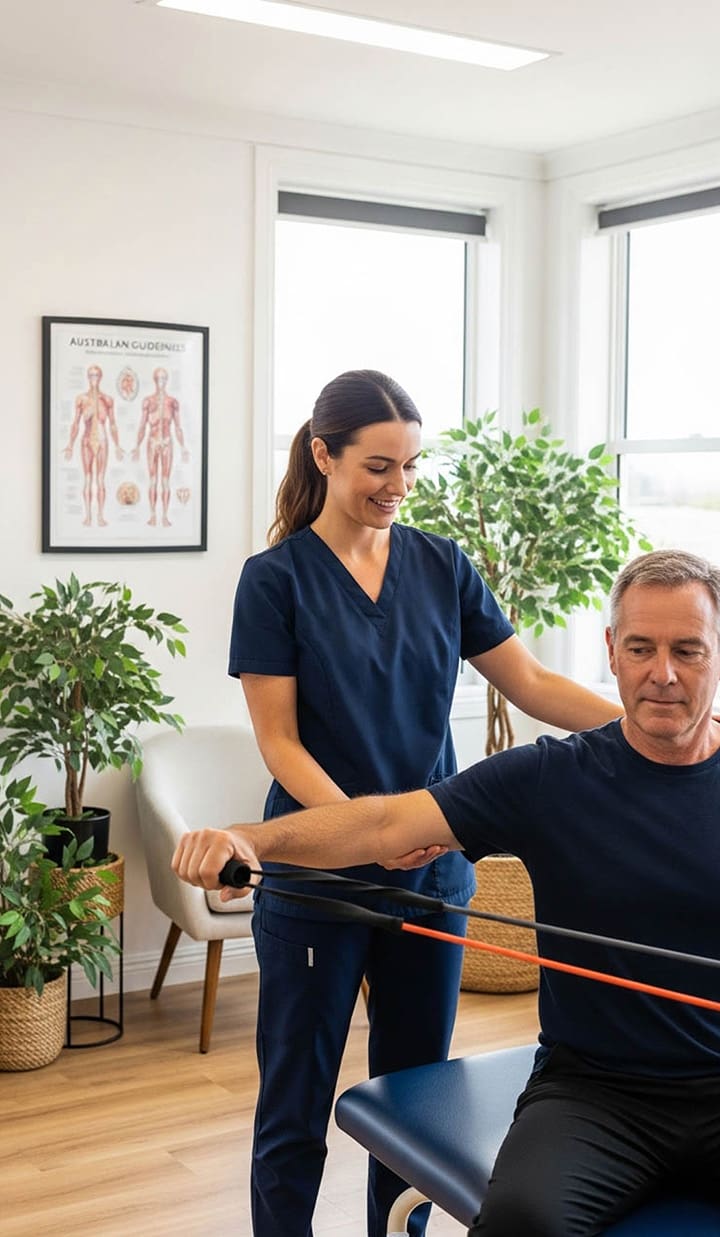
Physiotherapist: A$1,710

Psychologist or psychotherapist: A$2,054

Social worker: A$1,850

Nursing support worker: A$1,279

Aged or disabled carer: A$1,564

Medical laboratory scientists: A$2,004
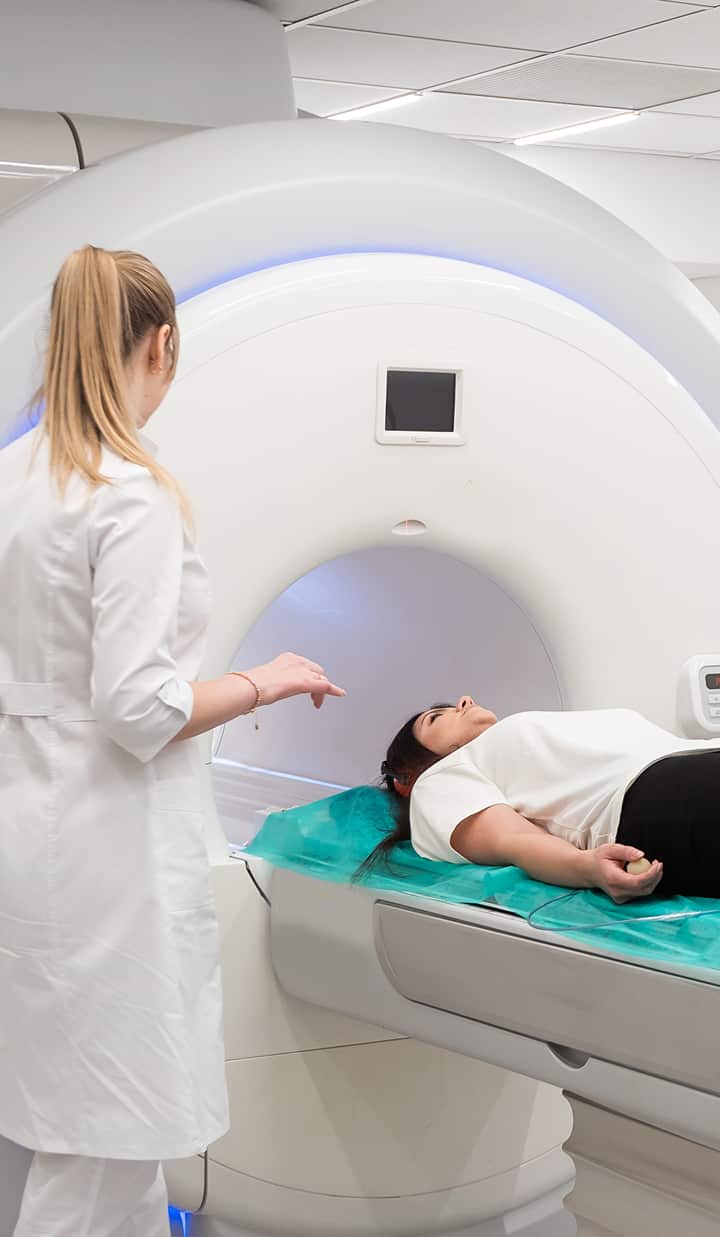
Medical technician: A$1,322
Priority processing for skilled visa applications
Employer sponsored visas for skilled work in regional Australia (areas other than Sydney, Melbourne or Brisbane) get priority processing.
If you are looking for a role in any of the jobs below, your skilled visa application will also get priority processing:
- psychologist -
- medical scientist -
- health professional -
- personal care assistant -
- health and welfare support worker -
- nursing support worker -
- aged or disabled carer -
- medical technician -
- social worker -
- counsellor -
To learn more, go to skilled visa processing priorities or explore skilled visa options.
Doctors
Doctors are in demand in Australia. They are respected and supported in the community.
There are opportunities to work flexible hours and do more training. You might choose to work in a regional city or rural community. But, no matter where you live in Australia, you will have the chance to use your skills across a wide range of needs.






General Practitioners
There are several ways for international medical graduates to get a GP Fellowship in Australia. To learn about GP training programs, go to:



Specialist international medical graduates (SIMGs)
Specialist international medical graduates must meet the same registration standards as Australian-trained applicants. You must also do 6 months’ supervision, and training in cultural safety and the Australian healthcare system.
To find out more about applying for registration in Australia, go to the Medical Board of Australia’s SIMG registration pathways.



Fast-tracked registration for SIMGs
Expedited registration pathways are available for eligible specialist international medical graduates for some specialties with qualifications equivalent to Australian qualifications. To learn more, go to the Medical Board of Australia.




Nurses
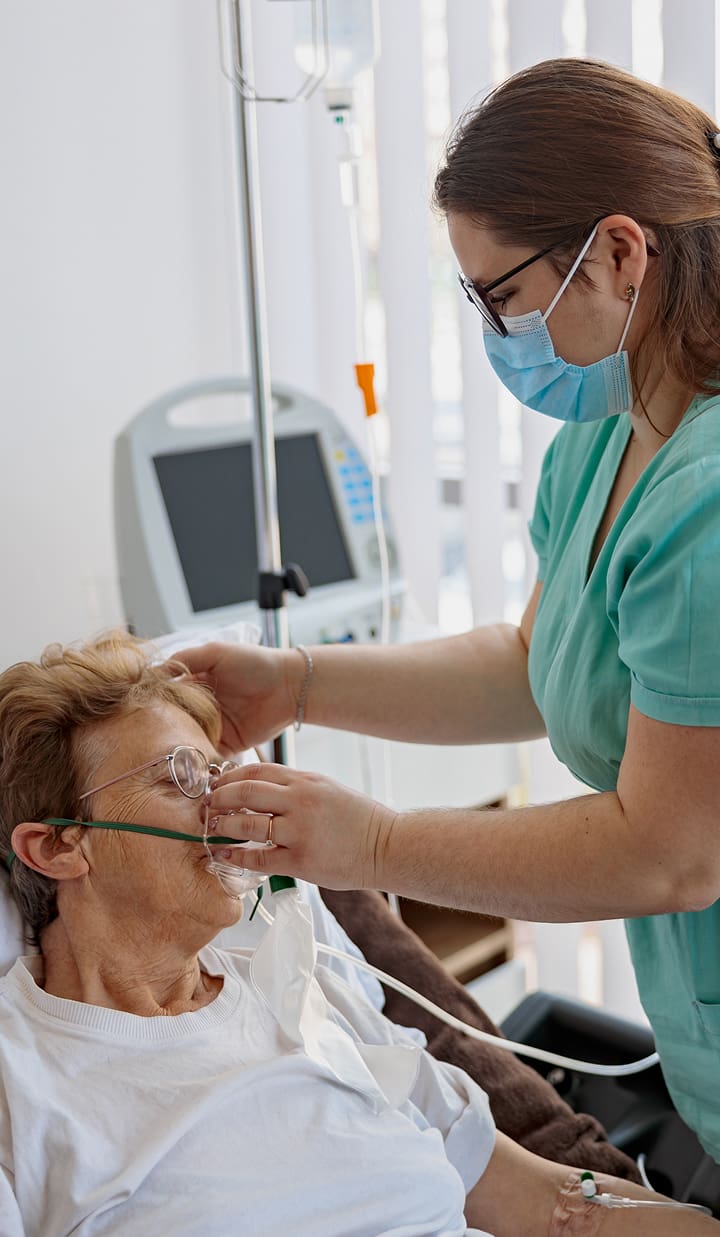
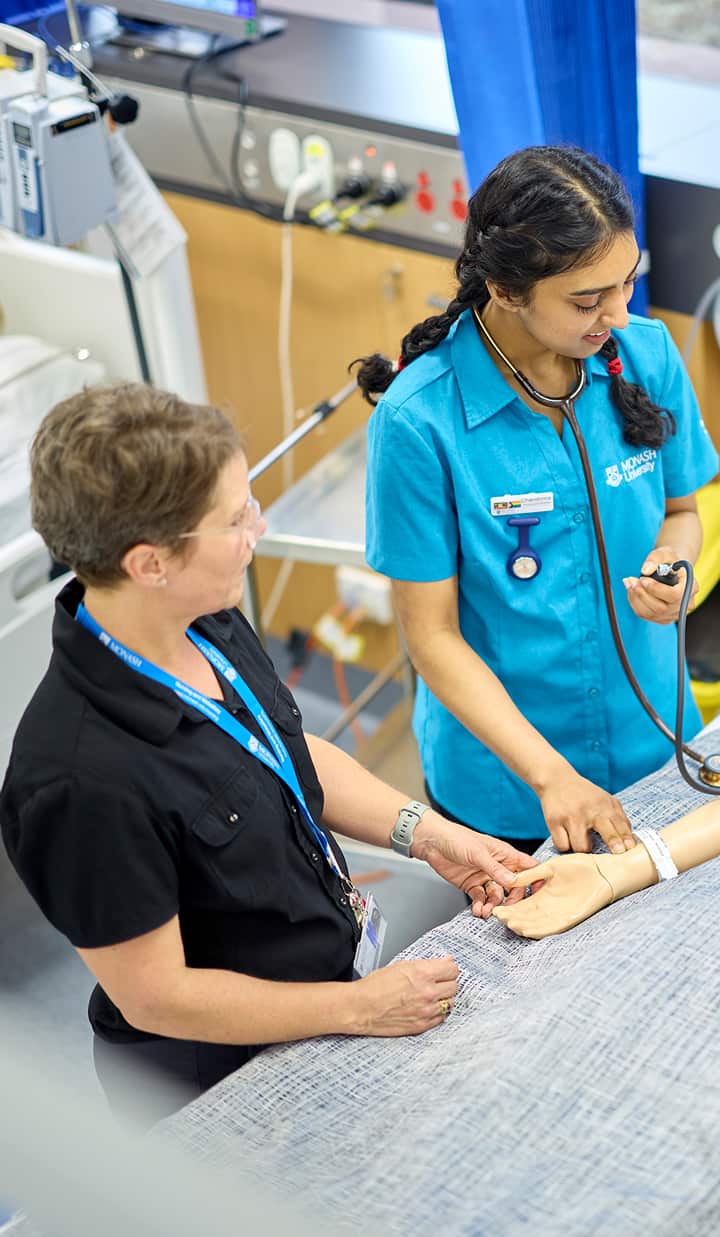
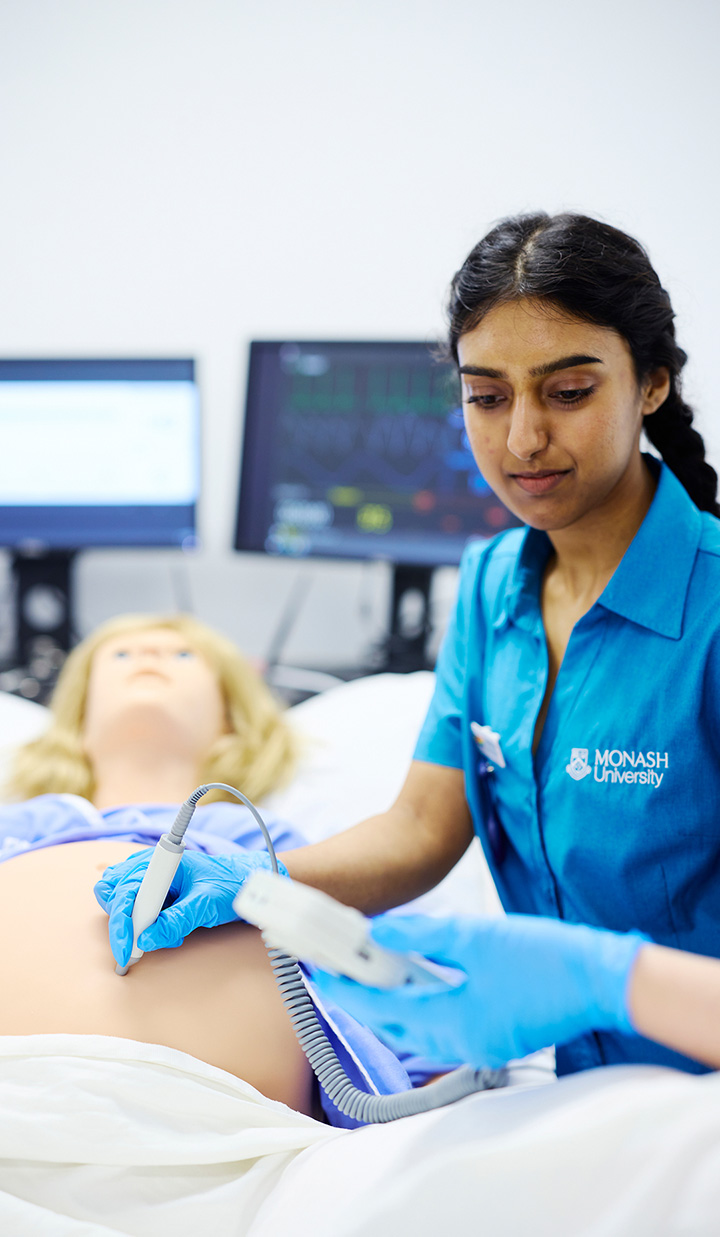
Nurses are needed across Australia. There are many specialist career options available, such as aged and community care, paediatrics or mental health.
All internationally qualified registered nurses must register with the Nursing and Midwifery Board of Australia and pass the same safety checks as Australian trained nurses.
If you have worked in United Kingdom, Ireland, United States, Singapore, Spain, or the Canadian provinces of British Columbia or Ontario, you may be able to fast-track your registration.
To learn more, go to the Nursing and Midwifery Board of Australia.





Allied health
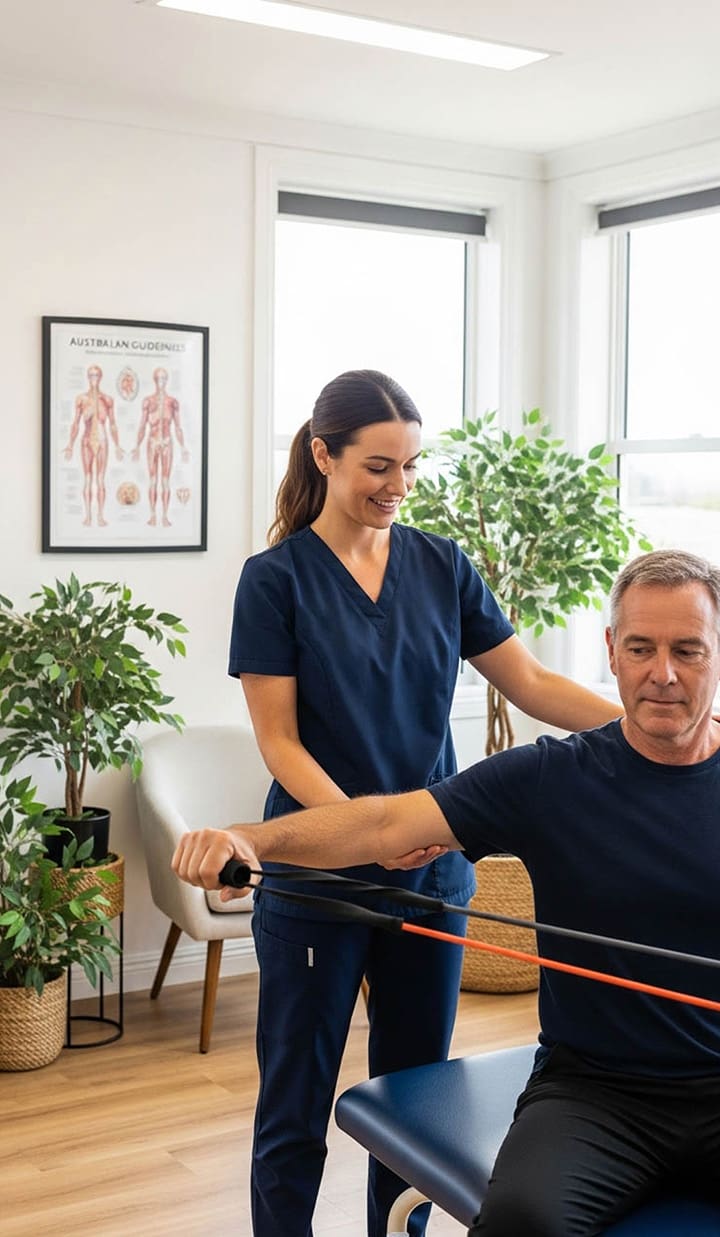
Australia needs more allied health workers, especially in smaller cities, and rural and remote areas. When you work as an allied health professional in Australia, you can gain experience across a wide range of needs and grow your career through mentoring.





Chances to up-skill
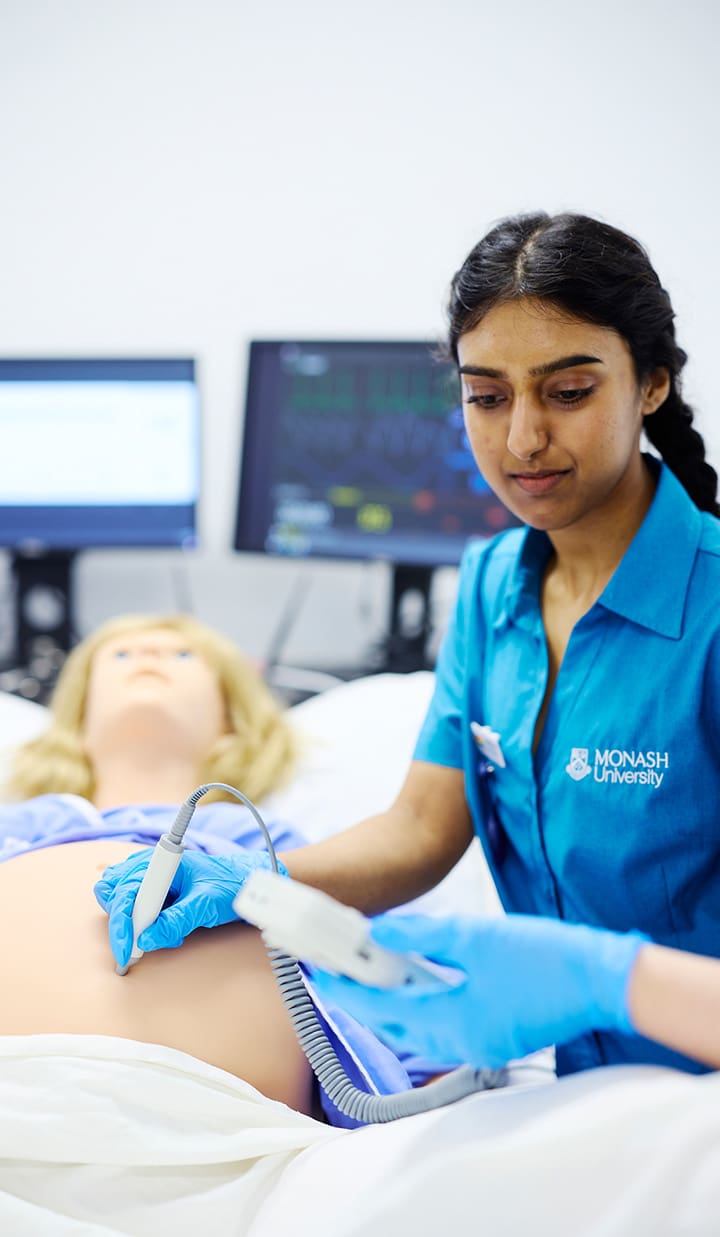
Education and training scholarships help health professionals to improve their skills.
Some state governments and organisations offer their own scholarships, especially in nursing and midwifery. Nationwide scholarship programs include:
- Health Workforce Scholarship Program (HWSP) - offered across Australia through the Rural Workforce Agencies. This program helps health professionals pay for postgraduate courses, short courses, workshops, conferences and seminars.
- Primary Care Nursing and Midwifery Scholarship Program - helps registered nurses become nurse practitioners, and midwives to become endorsed midwives.
- The Australian College of Nursing, the ACN Foundation, and the Australian College of Nurse Practitioners offer scholarships and grants schemes.


Australia’s legacy of innovation
From the discovery of penicillin to the development of the cervical cancer vaccine; from the invention of Wi-Fi to the Cochlear implant, Australia has an exciting history of innovation. The work of our scientists, designers, educators, entrepreneurs, artists and humanitarians will, just like the past, seek to benefit millions worldwide.

Brisbane, Queensland.
Rapid population growth and strong investment in health infrastructure creating high demand for health workers.
Regional and remote incentives
You may be able to get extra incentives and training when you work in regional, rural or remote Australia.
Specialised employment agencies often provide programs to improve the quality of healthcare providers. Government-funded support may also include cash, extra leave and travel and accommodation allowances.
The Workforce Incentive Program encourages GPs, nurses, midwives and allied health professionals to continue working in regional, rural and remote Australia. The program offers incentives of up to $60,000 a year.
If you are in a regional, rural or remote community, other incentives and support for GPs and general practices may also be available.
Of course, it is not just about the work. Agencies, employers, communities, and organisations host wellbeing and social programs to also make you feel welcome.
More than you think
For visa purposes, these vibrant cities are all classed as ‘regional’ areas.
Perth • Adelaide • Darwin • Gold Coast • Newcastle • Sunshine Coast
Working in Aboriginal and Torres Strait Islander communities
Discover a unique opportunity to use your skills and develop culturally sensitive practices.
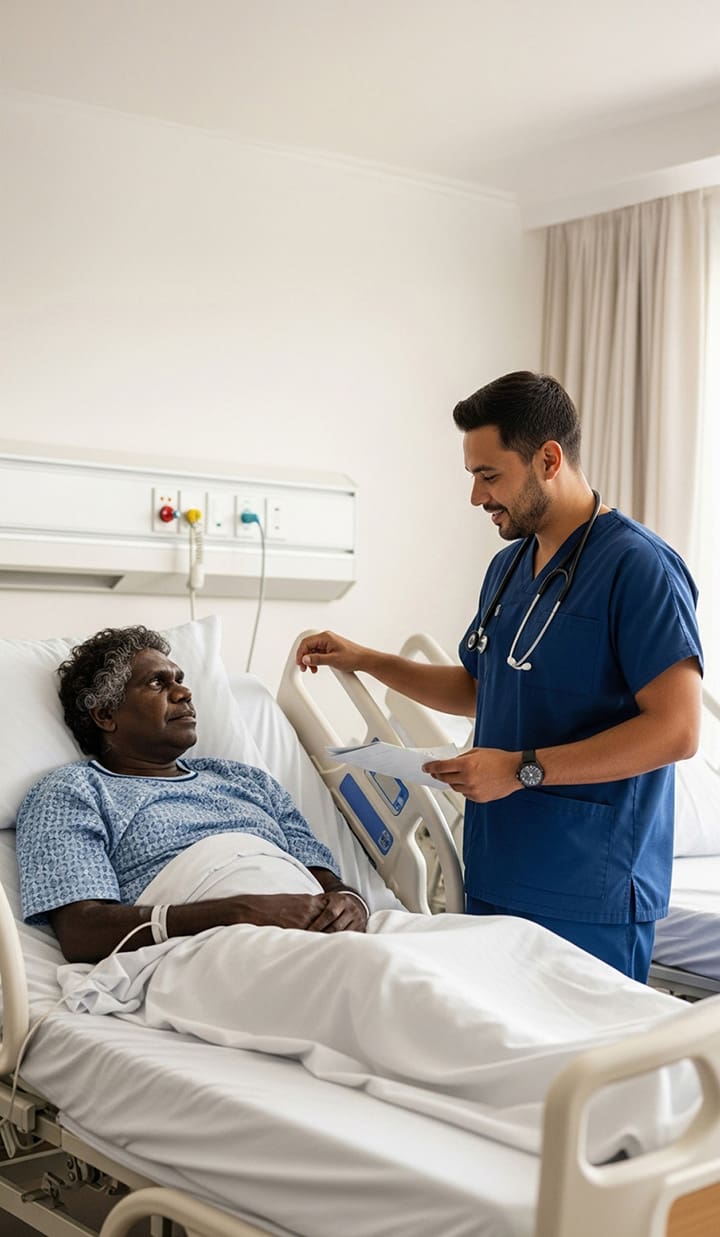
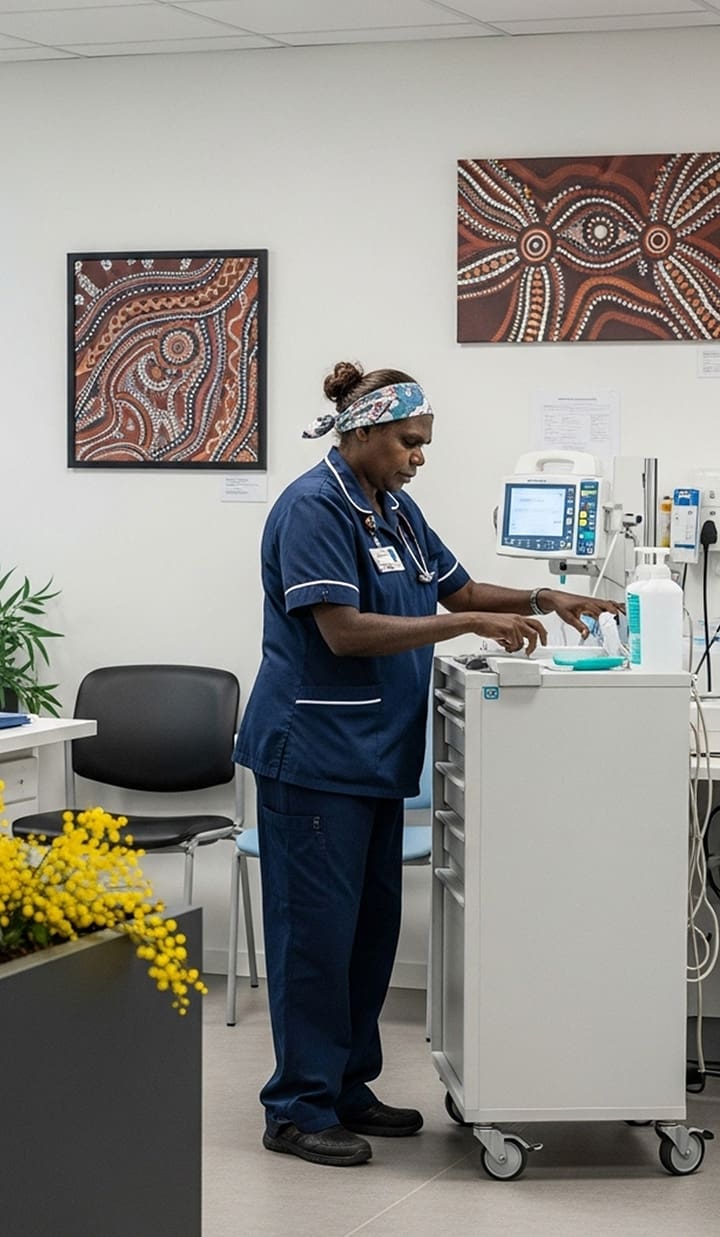
Across Australia, over 140 Aboriginal Community Controlled Health Organisations (ACCHOs) support their local communities to live healthy and happy lives. They provide medical care that supports the social, emotional, physical and cultural wellbeing of individuals, families and communities.
Learn more at the National Aboriginal Community Controlled Health Organisation.

Locum opportunities in rural and remote Australia
The Rural Locum Assistance Program (Rural LAP) connects qualified aged care and health professionals with short-term placements. This helps support essential healthcare in rural and remote communities.
The Northern Territory (NT) Remote Locum Program gives experienced health professionals the chance to work in remote Aboriginal communities and gain valuable cultural and clinical insights.
By joining these programs, you might be eligible for fully funded travel and accommodation, incentive payments, relocation support, retention bonuses, and extra benefits for repeat or high-need placements.



Explore your job opportunities
To find employment opportunities in regional, rural or remote locations in Australia, go to the Health Workforce Locator.
You can also check each state and territory’s recruitment website.
Victorian Department of Health
Visit the Australian Health Practitioner Regulation Agency to learn what you need to do to work as a registered health practitioner in Australia.
Your expertise, your future.
Make the smart move to Australia
Express your interest through the National Innovation Visa and be part of Australia’s bright future.

Australia has helped me improve my quality of life both mentally and financially. It is a land of opportunity for those who are skilled, dedicated and disciplined.
Anjali Awal Prajapati’s passion for helping and caring for others led her to a career in nursing and a new life in Australia. With the support of her family, Anjali completed nursing training in India and then critical care training at a government hospital in Nepal. After graduating she worked in 2 hospitals in Nepal before coming to Australia to undertake her Master of Nursing at the University of New England.
On graduating, Anjali decided to practice in Australia, and she now calls the New South Wales Hunter Valley region home. Working as a nurse in a hospital and in aged care, she feels she has an opportunity to make a real difference in people’s lives.
Anjali likes to explore new places, skills, people and cultures. She has found the multicultural community in the Newcastle area helpful and respectful of individual rights and freedoms.
Anjali Awal Prajapati from Nepal
Common Questions
What visa options are available for high demand skilled workers?
Australia offers several skilled migration pathways for professionals in high-demand sectors. Depending on your qualifications, experience, and willingness to work in regional areas, you may be eligible for the following visas:
- Skilled Independent Visa (subclass 189)
A permanent visa for skilled workers who are not sponsored.
Requires an invitation to apply based on a points test.
Suitable for occupations on the Medium and Long-term Strategic Skills List (MLTSSL). - Skilled Nominated Visa (subclass 190)
A permanent visa requiring nomination by a state or territory government.
Applicants must have an occupation listed on the relevant skilled occupation list. - Skilled Work Regional (Provisional) Visa (subclass 491)
A 5-year temporary visa with a pathway to permanent residency.
Requires nomination by a state or territory or sponsorship by an eligible family member in a regional area.
Encourages skilled migration to regional Australia. - Employer Nomination Scheme (subclass 186)
A permanent visa for skilled workers nominated by an Australian employer.
Available through the Direct Entry or Temporary Residence Transition streams. - Skills in Demand Visa (subclass 482)
A temporary visa (up to 4 years) for workers sponsored by an employer.
Available through the Core Skills, Specialist Skills and Labour Agreement streams.
May lead to permanent residency through subclass 186. - Skilled Employer Sponsored Regional (Provisional) Visa (subclass 494)
A 5-year visa for skilled workers sponsored by an employer in regional Australia.
Offers a pathway to permanent residency via subclass 191.
What support is available for families of skilled migrants?
Australia offers a welcoming environment for skilled migrants and their families, with strong support systems to help you settle and thrive. Key benefits include:
- Excellent education system: access to world-class public and private schools, and leading universities.
- High-quality healthcare: comprehensive care provided by government through Medicare (for eligible visa subclasses), and private health services.
- Family-friendly work culture: flexible working arrangements, generous parental leave, and child care support.
- Safe and stable communities: a high standard of living with a strong economy and low crime rates.
- Job opportunities: diverse career prospects for both primary applicants and partners.
Learn more about family lifestyle
Are there opportunities for upskilling and training in the workplace?
Many employers offer their employees training and upskilling opportunities. If you have to do training as part of your job, you must be paid for your time. If you attend training courses, seminars or conferences that are directly related to your occupation and pay for them yourself, you may be able to claim a tax deduction. You can also claim a tax deduction for self-education expenses if the education relates to your employment.
Are there visa incentives for living and working in regional or rural areas?
Yes, Australia offers visa incentives for living and working in regional areas to encourage skilled migrants to support these communities.
- Skilled Regional (Provisional) visa – subclass 491: assigns additional points under the points test for skilled migrants, and a pathway to permanent residency for living and working in designated regional areas up to 5 years.
- Skilled Employer Sponsored Regional visa – subclass 494: allows regional employers to sponsor skilled workers for up to 5 years, with a pathway to permanent residency after 3 years.
These visas also provide access to a wider range of eligible skilled occupations compared to general skilled visas, helping meet the specific needs of regional and rural areas.
They offer faster processing, extra points, and broader occupation options as incentives for regional living.
Applications for Employer Nomination Scheme (subclass 186) visas are currently offered priority processing where the role is in a designated regional area.
How do I submit an Expression of Interest (EOI) for a skilled independent visa?
You can submit an EOI through SkillSelect, the Australian Government's online system. Before submitting, ensure you have:
- confirmed your occupation is on the skilled occupation list
- completed a skills assessment
- taken an English language test, if required
- gathered details of your educational qualifications and work experience.